How Activated Carbon Purifies Drinking Water in 2026
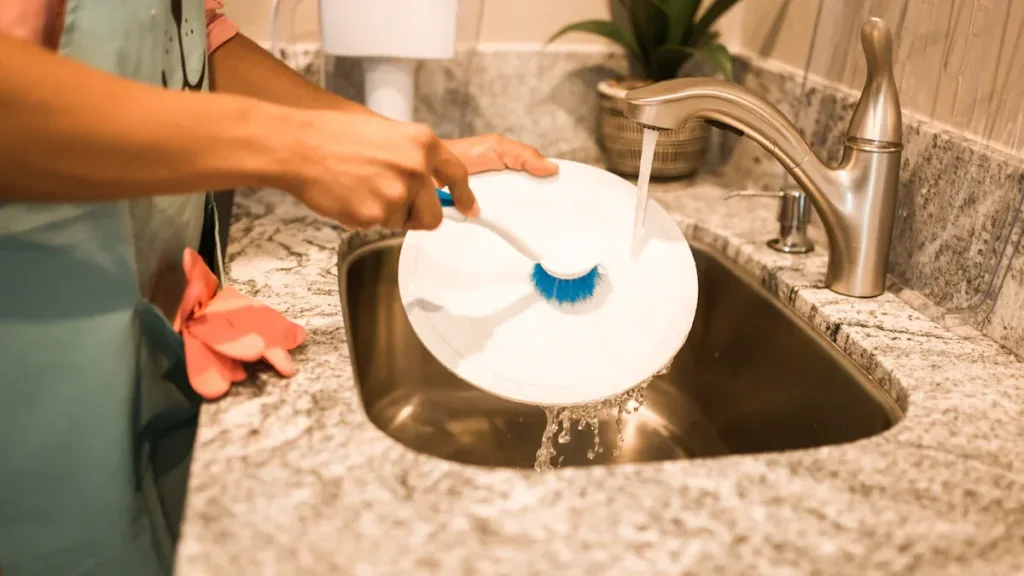
Drinking Water Treatment Activated Carbon removes chemicals, tastes, and odors, but not bacteria or minerals, ensuring safer, fresher drinking water.

Drinking Water Treatment Activated Carbon removes chemicals, tastes, and odors, but not bacteria or minerals, ensuring safer, fresher drinking water.
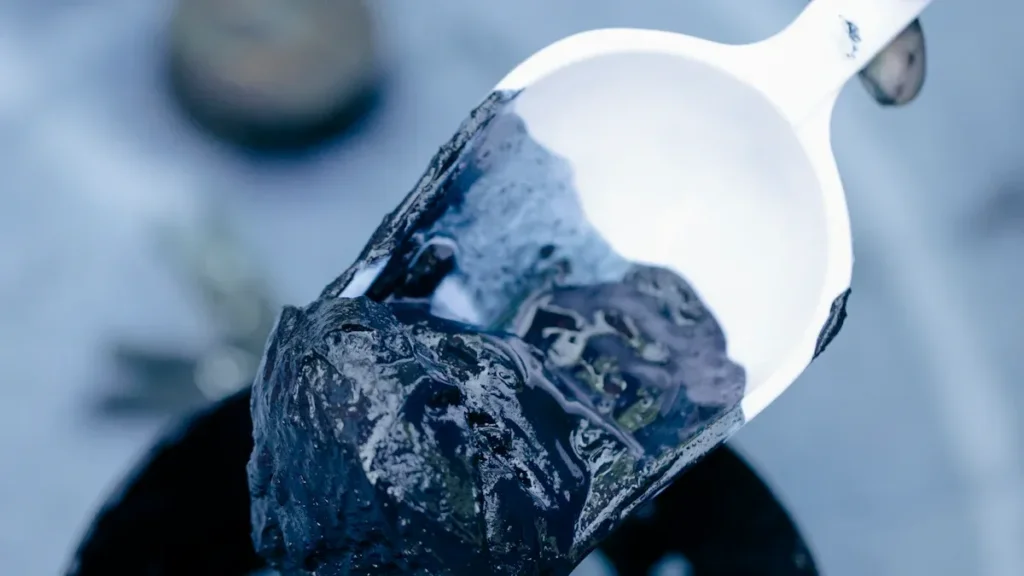
Wastewater Treatment Activated Carbon removes organic pollutants, taste, odor, and color, making water cleaner and safer for industrial and municipal use.
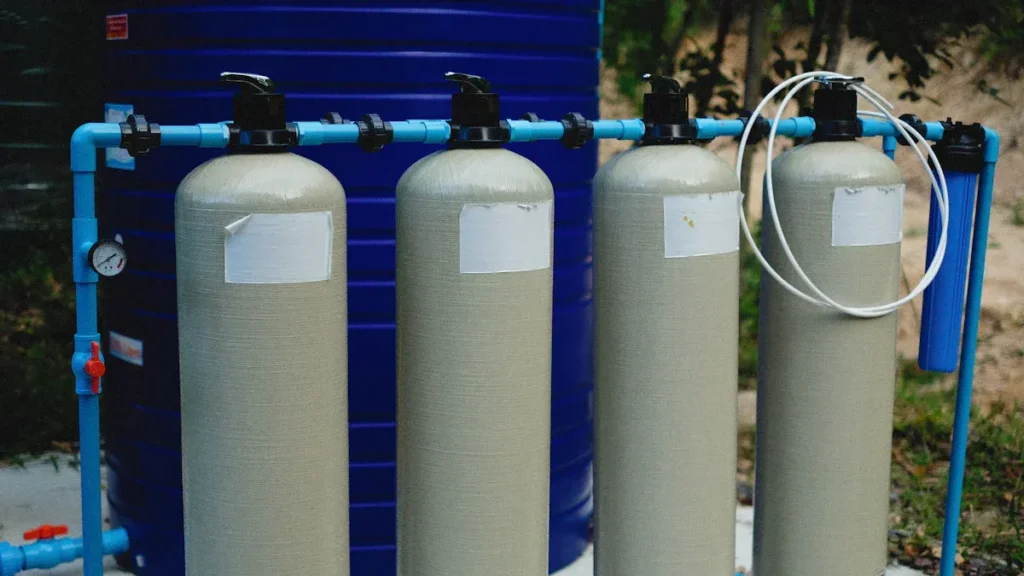
Water Treatment Activated Carbon removes contaminants, improves taste and odor, and ensures safer water in modern treatment systems.
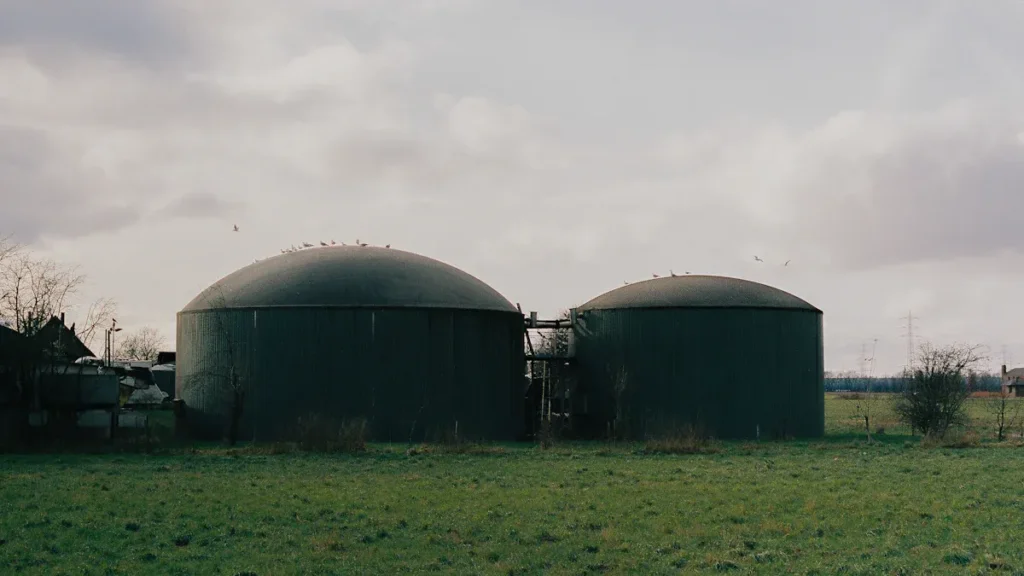
Biogas Activated Carbon removes hydrogen sulfide, VOCs, and siloxanes, ensuring cleaner biogas, safer operation, and longer equipment life.
Bio odor control Activated Carbon traps biological and organic odors safely, offering chemical-free, effective odor removal for cleaner air in any environment.
Top 10 Air purifying Activated Carbon purifiers for 2026. Compare features, coverage, and filter life for cleaner air and fewer allergens at home.
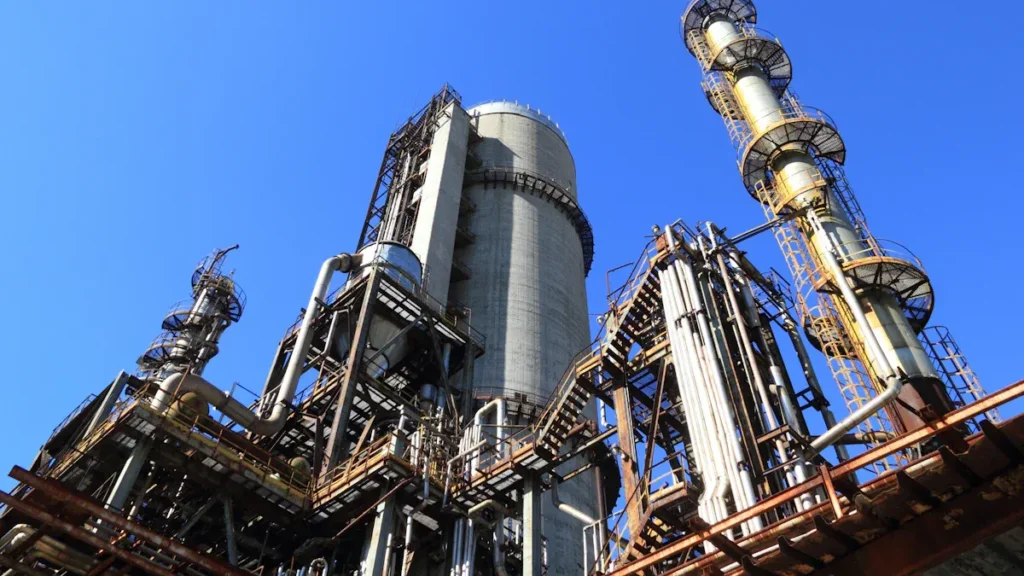
Industrial waste gas treatment Activated Carbon removes VOCs and hazardous gases, improving air quality and meeting strict environmental standards.
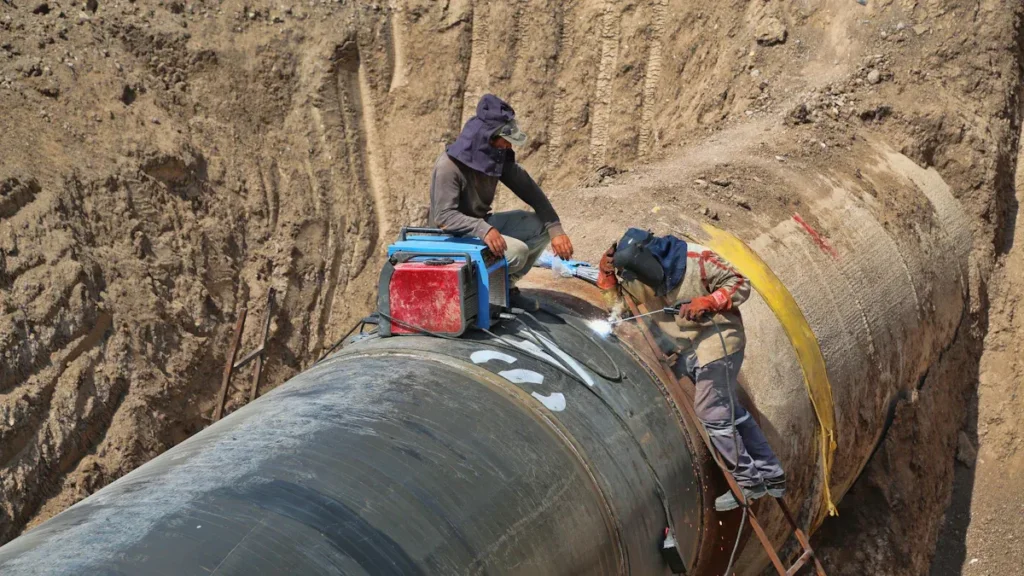
Gas Treatment Activated Carbon removes VOCs, odors, and hazardous gases from air and industrial streams, ensuring cleaner, safer gas purification.
Impregnated activated carbon is made by adding chemicals or metals to boost filtration, targeting mercury, gases, and bacteria for advanced purification.