
You can control tough biological and organic odors with activated carbon. This natural material uses a network of tiny pores to trap odor molecules before they escape into your environment.
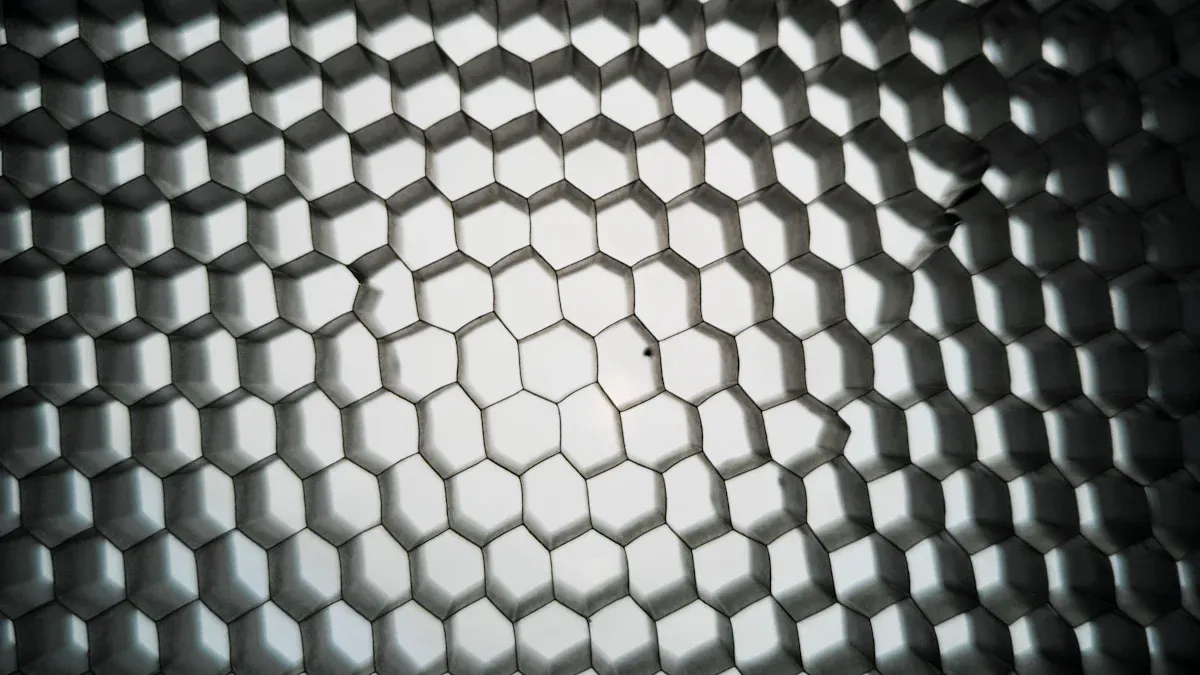
The porous structure of activated carbon, characterized by a large surface area and various pore sizes, is essential for its ability to adsorb odor molecules. Micropores enhance adsorption potential, while meso- and macropores facilitate the movement of adsorbate to these micropores, thus improving the overall adsorption process.
Bio odor control Activated Carbon works without harsh chemicals, making it a safe and effective choice for modern spaces.
Key Takeaways
Activated carbon effectively traps odor molecules using its porous structure, making it a natural and safe choice for odor control.
Regular maintenance of activated carbon filters is crucial; replace them every 6 to 12 months to ensure optimal performance.
Activated carbon is versatile and can be used in various environments, including homes, hospitals, and industrial settings, to combat a wide range of odors.
Unlike sprays that only mask odors, activated carbon removes them at the source, providing a cleaner and healthier air quality.
Using activated carbon helps create a chemical-free environment, making it safe for homes and workplaces without harmful residues.
Activated Carbon Science
Porous Structure and Adsorption
You can think of activated carbon as a sponge, but instead of soaking up water, it traps odor molecules. The secret lies in its tiny pores. These pores come in different sizes, which helps activated carbon catch many types of smells. The process that makes this possible is called adsorption. In adsorption, odor molecules stick to the surface of the carbon, not just get absorbed inside. This happens because of special forces between the carbon and the odor molecules.
The science behind adsorption includes both weak and strong forces. Weak van der Waals forces allow for reversible adsorption, while strong chemical bonds can make the process more permanent.
Here is a table that shows the main scientific principles behind adsorption:
Principle | Description |
|---|---|
Physisorption | Weak forces, reversible adsorption. |
Chemisorption | Strong bonds, often irreversible. |
Exothermic Process | Releases heat, showing energy change. |
Pore Structure | More pores mean more places for odors to stick. |
Factors Affecting | Temperature, pH, and odor concentration can change how well adsorption works. |
Steam Activation and Surface Area
Steam activation is a special process that makes activated carbon even better at trapping odors. When you use steam to treat carbon, it creates a huge surface area. This means there are more places for odor molecules to land and stick. Steam activation also forms different types of pores—big, medium, and tiny ones—so the carbon can catch both large and small odor molecules.
Diverse pore structure means it can handle many types of smells.
Steam activation can boost the surface area to between 500 and 1500 square meters per gram.
Odor Molecule Binding
You might wonder how activated carbon actually holds onto odor molecules. The answer is in the way the carbon’s surface interacts with these molecules. Physical forces, like van der Waals forces, help trap the odors. Sometimes, chemical interactions such as hydrogen bonding make the bond even stronger. The structure of activated carbon, and any special treatments it gets, can make it even better at catching tough smells.
Bio odor control Activated Carbon uses these scientific tricks to keep your air fresh and clean. You get a powerful, natural way to fight odors without using harsh chemicals.
Bio Odor Control with Activated Carbon
Biological and Organic Odor Sources
You face many sources of biological and organic odors in your daily life. These odors can come from bacteria, mold, fungi, and even human activity. Some of these smells are just unpleasant, but others can affect your health. You can find these odor sources both indoors and outdoors. Here is a table that shows some common organisms that cause odors, their health effects, and where you might find them:
Causative Organism | Health Effect | Sources in Indoor Area |
|---|---|---|
M. tuberculosis | Tuberculosis (T.B.) | Human |
Legionella spp. | Pneumonia | Hot water sources |
Alternaria spp. | Asthma, rhinitis | Outdoor air, damp surfaces |
Histoplasma spp. | Histoplasmosis | Bird droppings |
Aspergillus (aflatoxin) | Cancer | Damp surfaces |
Penicillium spp. | Penicilliosis | Mold contaminated building |
Chlorococcus spp. | Asthma, rhinitis | Outdoor air |
You can see that these sources are everywhere. Bio odor control Activated Carbon helps you tackle these odors at the source, whether they come from mold in your basement, bacteria in your bathroom, or outdoor air entering your home.
Permanent Odor Removal
You want a solution that does more than just cover up smells. Bio odor control Activated Carbon captures odor molecules instead of masking them. This means you get real odor removal, not just a temporary fix. You can use it in many places, such as hospitals, kitchens, and even water treatment plants. The porous surface of activated carbon keeps absorbing odors, so your air stays fresh.
You can rely on Bio odor control Activated Carbon to trap a wide range of odors, including cooking smells, smoke, and pet odors.
One gram of activated carbon can have a surface area greater than 500 square meters. This gives plenty of space for odor molecules to stick.
Activated carbon filters let air pass through while holding onto odor molecules. This keeps unwanted smells from coming back into your space.
You can use Bio odor control Activated Carbon in air, water, and soil. In air purifiers and HVAC systems, it removes cooking and pet odors. In water treatment, it takes out taste, odor, and harmful chemicals. In soil, it helps clean up contaminants and odors. You get a cleaner, healthier environment in every setting.
Tip: For best results, replace your activated carbon filter every six months to one year. Do not use a filter for longer than one year, even if it looks clean.
Safety and Non-Toxicity
You want to keep your home and workplace safe. Bio odor control Activated Carbon gives you peace of mind because it does not use harsh chemicals. You can find it in HVAC systems, air purifiers, and kitchen range hoods. Hospitals and water treatment plants trust it for its safety and effectiveness.
You can use Bio odor control Activated Carbon to remove cooking smells, pet odors, and other household scents.
It has a long history of safe use in both homes and hospitals.
You do not have to worry about toxic byproducts or harmful residues.
You can count on Bio odor control Activated Carbon for safe, reliable odor control in any environment.
Practical Benefits and Applications
Chemical-Free Odor Control
You want a solution that keeps your air clean without adding chemicals. Bio odor control Activated Carbon gives you this advantage. It traps odor molecules instead of covering them with strong scents or perfumes. You get a fresh environment with no heavy fragrances.
Activated carbon has been used for decades in hospitals, water treatment systems, and industrial air purification because of its ability to trap odor molecules at a microscopic level. What makes activated carbon unique is its ability to absorb odors rather than simply cover them, creating a cleaner home environment without heavy scents or artificial fragrances. Activated carbon tackles the actual source of the odor. Compounds from food, pets, moisture, or household items stick to the carbon’s porous surface and stay there.
You can trust this method for a safer, chemical-free way to control odors in your home or workplace.
Versatile Use in Different Environments
You can use activated carbon in many places. It works well in homes, hospitals, and factories. The table below shows how you can benefit from activated carbon in different settings:
Environment | Description |
|---|---|
Homes | Used in kitchens, bathrooms, and smoking areas to control household odors. |
Hospitals | Essential for maintaining sterile environments by removing airborne contaminants and pathogens. |
Industrial | Installed in manufacturing plants and chemical facilities to capture harmful emissions and pollutants. |
You can choose the right product by thinking about the size of your space, the strength of the odors, and the type of activated carbon you need. This flexibility makes it easy for you to find a solution that fits your needs.
Maintenance and Replacement
You want your odor control system to work well for a long time. To keep activated carbon effective, you need to follow a few simple steps:
Inspect your system often to check the condition of the filter.
Calibrate any sensors to make sure they give you correct readings.
Clean or replace the filter media on a regular schedule.
If you do not maintain your system, the carbon will fill up with odors and stop working. You may even notice old smells coming back. Regular maintenance keeps your air fresh and prevents problems.
Activated carbon’s effectiveness in odor control diminishes over time if not properly maintained.
Regular maintenance, such as timely filter replacement or cleaning, is essential for optimal performance.
Saturation of carbon pores leads to reduced effectiveness and potential release of trapped odors back into the environment.
You can enjoy long-term odor control by following these steps. This makes activated carbon a smart and reliable choice for your space.
Activated Carbon vs. Traditional Odor Solutions
Comparison with Sprays and Filters
You may wonder how activated carbon compares to sprays and mechanical filters. Activated carbon removes odors and volatile organic compounds (VOCs) from the air by trapping them on its surface. This process is called adsorption. Sprays only mask odors with fragrance. Mechanical filters catch dust and particles but do not trap gases or VOCs well. You get better odor removal with activated carbon because it targets the source of the smell, not just the symptoms.
Activated carbon filters also help remove allergens and pollutants, making your air cleaner and healthier. This is important if you have allergies or asthma.
Environmental Impact
You should think about the environment when choosing an odor control method. Here are some key points to consider:
Waste Generation: You need to replace activated carbon filters every 2-6 months. This creates more solid waste than some other systems, like ultrafiltration, which can last 3-5 years.
Energy Use: Making activated carbon uses a lot of energy because it needs high heat. However, running the system does not use much energy.
Carbon Footprint: Producing activated carbon creates greenhouse gases. Other systems, like ultrafiltration, have different impacts because they use synthetic materials.
Water Efficiency: Activated carbon does not waste water, while ultrafiltration systems need backwashing, which uses extra water.
Waste Management: Used activated carbon may need special disposal if it holds dangerous substances.
Activated carbon also improves air quality by removing VOCs and pollutants. This helps people with breathing problems and makes indoor spaces safer.
Cost and Efficiency
You want to know if activated carbon is worth the cost. The table below shows how it compares to traditional solutions:
Solution Type | Cost per Gallon | Lifespan (Gallons) | Performance Claims |
|---|---|---|---|
Activated Carbon | Varies | 320 | 98% reduction in chlorine, taste, and odor |
Traditional Odor Control | Varies | N/A | Broader chemical control, deeper evidence base |
Activated carbon gives you strong odor removal and a long lifespan for each filter. You may pay more upfront, but you get better performance and cleaner air. Traditional sprays and filters may cost less at first, but they do not remove odors as well or last as long.
You can trust activated carbon for bio and organic odor control in 2026. Its huge surface area traps many odor molecules, keeping your air clean. Research shows that new treatments, like sodium silicate, make activated carbon even stronger and longer-lasting. You stay safe because this method does not use harsh chemicals.
The market for activated carbon keeps growing.
More industries want clean air and water.
New technology makes odor control better and greener.
Choose activated carbon for a healthier, fresher environment.
FAQ
How often should you replace activated carbon filters?
You should replace activated carbon filters every 6 to 12 months. If you notice odors returning sooner, change the filter earlier for best results.
Can you use activated carbon for pet odors?
Yes, you can use activated carbon to remove pet odors. It traps smells from litter boxes, cages, and bedding, keeping your home fresh.
Is activated carbon safe for people with allergies?
Activated carbon is safe for people with allergies. It does not release harmful chemicals. It helps remove allergens and improves indoor air quality.
Does activated carbon work for both air and water odors?
Application | Effectiveness |
|---|---|
Air | Removes smoke, VOCs |
Water | Removes chlorine, taste |
You can use activated carbon in both air and water. It works well in each setting.