Activated Carbon for Gas Mask

  • Home /
  • Activated Carbon for Gas Mask

What is Activated Carbon for Gas Mask

Activated carbon for gas masks is widely applied in industrial safety, emergency response, military protection, and environmental management. It is essential in chemical plants, oil and gas facilities, spray painting workshops, and pharmaceutical manufacturing, where harmful vapors and gases are present. It also plays a key role in firefighting operations, mining activities, and confined spaces such as tunnels and storage tanks. In urban environments, it helps protect against air pollution and accidental chemical releases. Additionally, it is used in hazardous material handling and disaster response situations, ensuring reliable respiratory protection and improving safety for workers and first responders.

Role of Activated Carbon

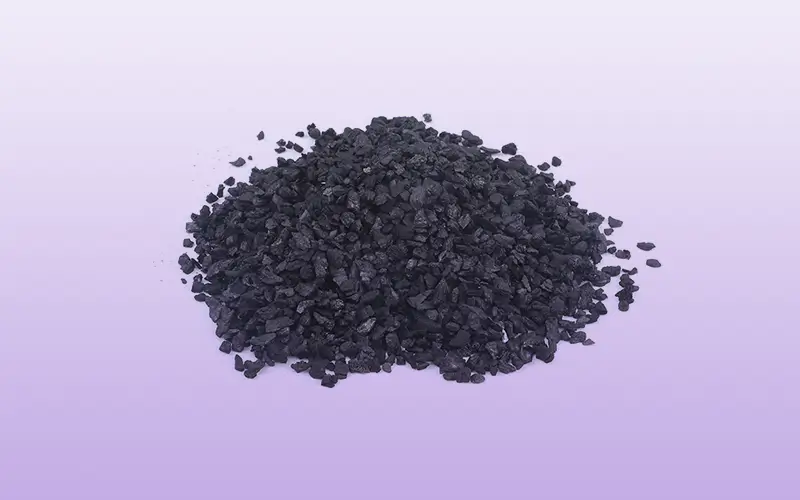
Activated carbon is the core filtration material in gas masks due to its highly developed porous structure and large surface area. It works primarily through physical adsorption and chemical reactions to capture toxic gases, harmful vapors, and airborne contaminants. It is highly effective in removing organic compounds, acid gases, and volatile chemicals such as benzene and formaldehyde. Impregnated activated carbon can further enhance removal efficiency for specific hazardous gases. By preventing these substances from entering the respiratory system, activated carbon ensures clean, breathable air and provides reliable protection in hazardous environments, making it an indispensable component of modern gas mask filtration systems.

Role of Activated Carbon

Related Product Categories

Granular Activated Carbon (GAC)

Ideal for fixed-bed filters in continuous flow systems, providing efficient chlorine removal and organic reduction for large-scale desalination plants.
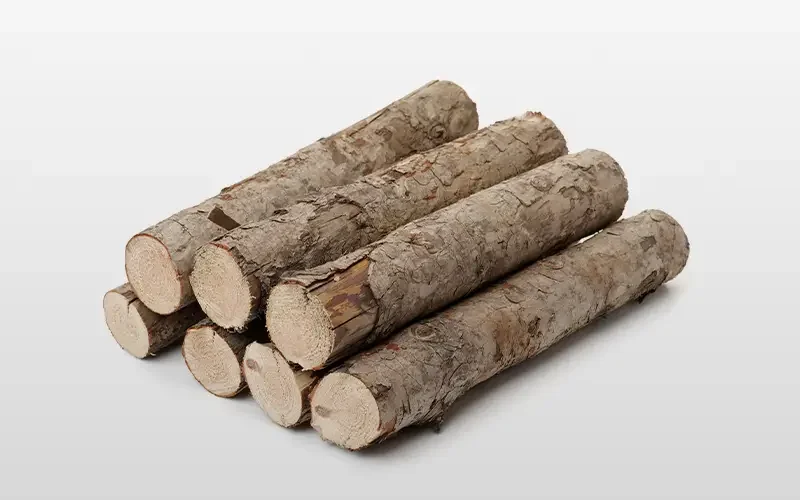
Wood Based Activated Carbon

Features a macroporous structure suitable for capturing large organic molecules and natural organic matter present in seawater.
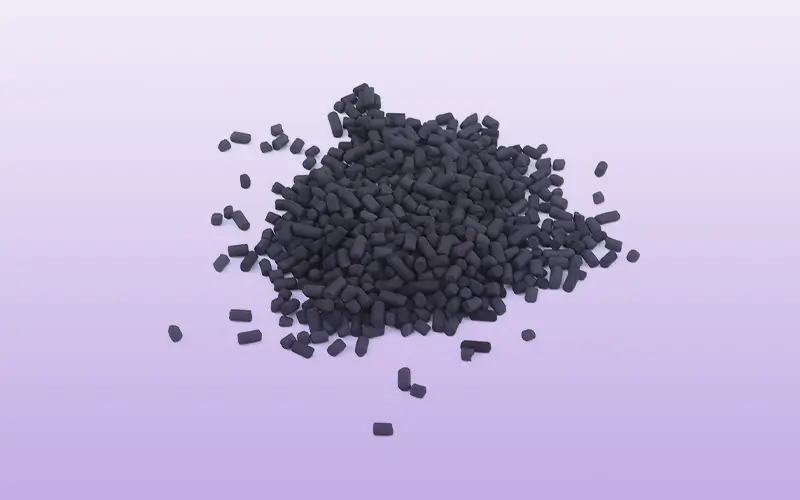
Catalytic Activated Carbon

Specifically designed for rapid dechlorination, effectively breaking down chlorine compounds to protect sensitive RO membranes.

Bituminous Coal Based GAC

Offers excellent hardness and abrasion resistance, maintaining structural integrity in challenging seawater conditions.
Specific Solutions

Complex Multi-Component Industrial Environments

Complex Multi-Component Industrial Environments

In many industrial settings, workers are exposed to a mixture of gases and vapors rather than a single contaminant. Activated carbon designed for multi-component environments is optimized with a balanced pore structure to handle both organic and inorganic pollutants. It can simultaneously adsorb volatile organic compounds (VOCs), acid gases, and other harmful substances. This makes it ideal for use in chemical processing plants, refineries, and manufacturing facilities. Stable performance under fluctuating conditions ensures consistent protection. Such solutions help companies maintain workplace safety standards while minimizing the risk of long-term health effects caused by mixed gas exposure.

Chemical Warfare Agents / Highly Toxic Gases

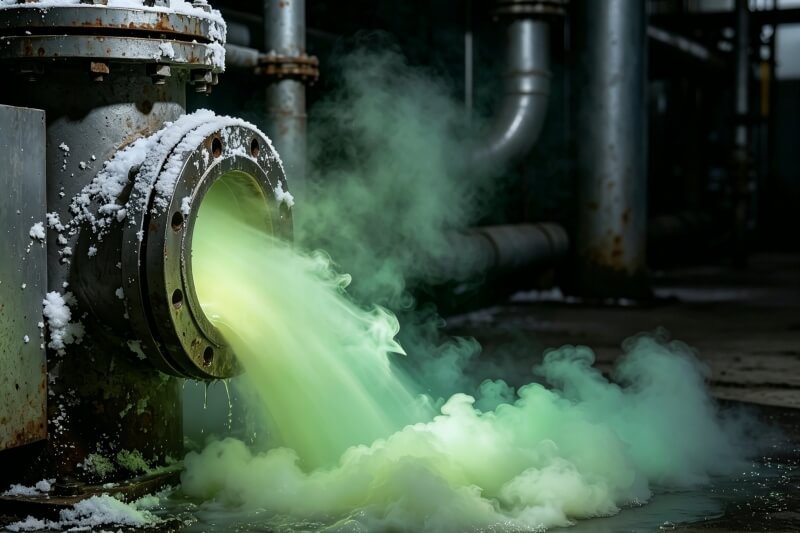
For environments involving extremely hazardous substances, such as chemical warfare agents and highly toxic industrial gases, specialized impregnated activated carbon is required. This type of carbon is engineered with chemical additives that enhance its ability to neutralize or strongly adsorb dangerous compounds. It provides rapid and efficient protection against nerve agents, choking agents, and other lethal gases. These solutions are widely used in military defense, homeland security, and emergency response scenarios, where reliable respiratory protection is critical. The high adsorption capacity and fast reaction kinetics ensure maximum safety even under sudden exposure to high concentrations of toxic gases.

Chemical Warfare Agents / Highly Toxic Gases
Complex Multi-Component Industrial Environments

Organic Solvent Vapors

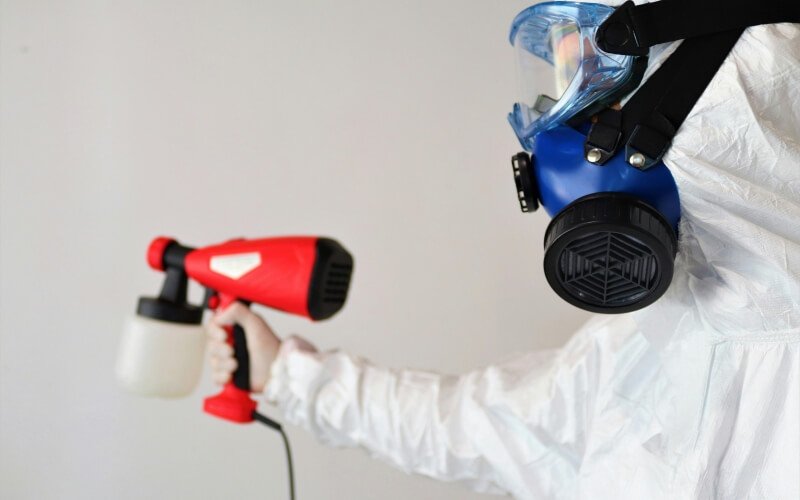
Organic solvent vapors are commonly found in industries such as painting, coating, printing, and chemical manufacturing. Activated carbon with a highly developed microporous structure is particularly effective for adsorbing these compounds, including benzene, toluene, and various VOCs. Its strong affinity for organic molecules ensures efficient removal even at relatively low concentrations. This type of carbon helps protect workers from both acute exposure and long-term health risks associated with solvent inhalation. It also contributes to improved air quality in enclosed workspaces, making it a reliable solution for industries dealing with organic chemical emissions.

High-Concentration Acid Gas Pollution

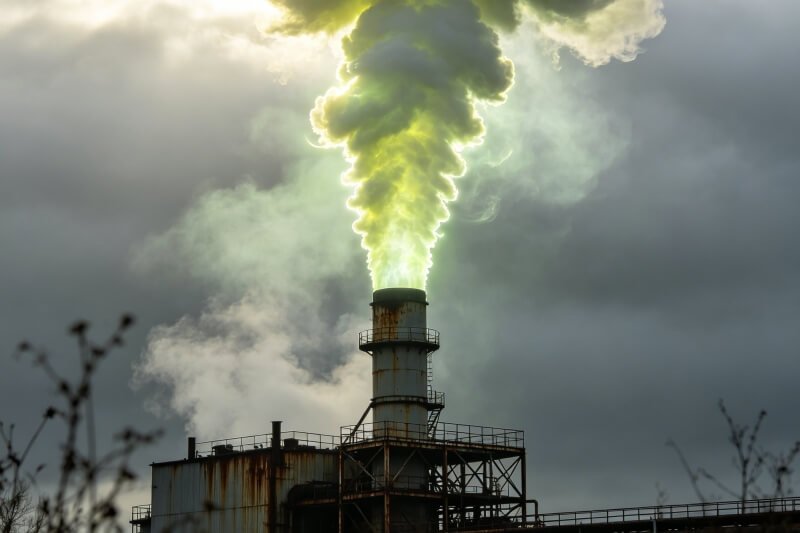
Acid gases such as hydrogen sulfide, sulfur dioxide, and hydrogen chloride pose serious risks in many industrial operations. For these environments, impregnated activated carbon is specifically developed to achieve high removal efficiency under high-concentration conditions. Chemical treatments enhance the carbon’s reactivity, allowing it to neutralize acid gases rather than relying solely on physical adsorption. This ensures longer service life and more reliable performance in harsh environments. It is particularly suitable for petrochemical plants, wastewater treatment facilities, and gas processing units, where acid gas emissions are common and effective respiratory protection is essential.
High-Concentration Acid Gas Pollution

Why Choose Us

Consistent Quality Control

Strict production standards ensure uniform pore structure and stable adsorption performance across every batch.

Proven Fouling Reduction

We offer tailored activated carbon formulations to meet specific gas mask filtration requirements.

Technical Expertise in Desalination

Our engineers understand seawater chemistry and can design optimized filtration systems for your specific intake conditions.

Global Supply Chain Reliability

With strategic manufacturing and distribution partners worldwide, we ensure timely delivery to coastal desalination plants.

Scroll to Top

Get Inquiry

Name