
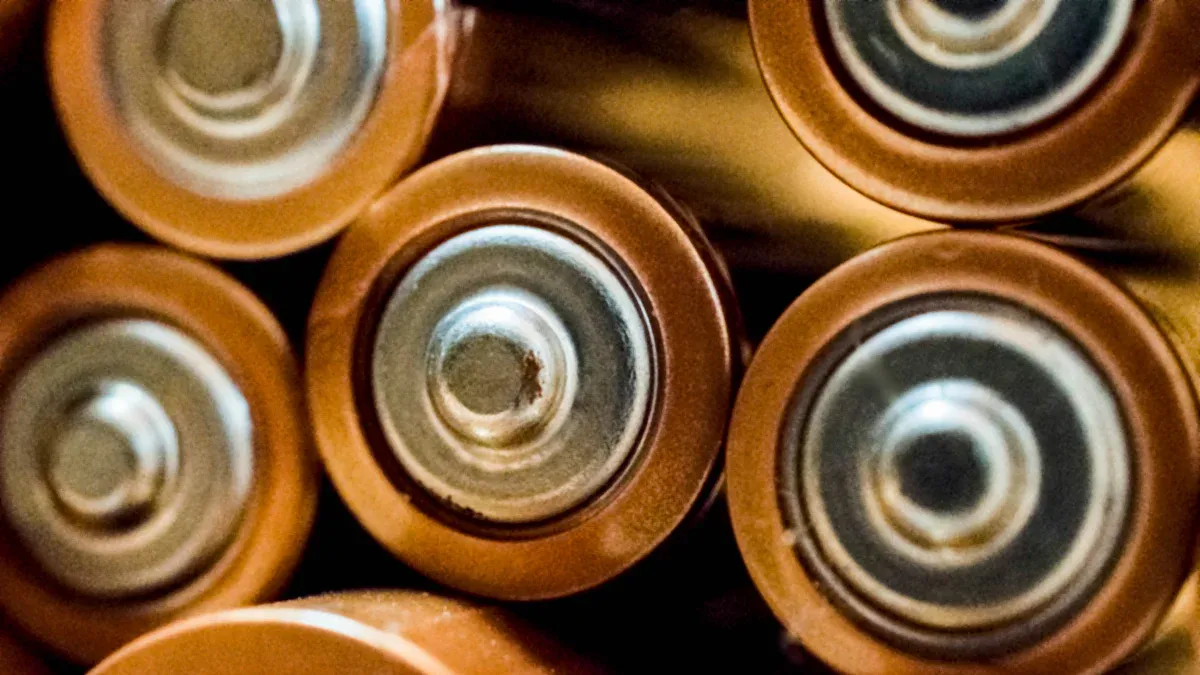
You see the world change as New Energy Activated Carbon steps into battery technology. This material boosts battery performance and makes energy storage more efficient. When you use activated carbon from biomass, you help control environmental pollution. You also support new jobs and a circular economy by choosing high-tech materials. Sodium-ion batteries with carbon anodes offer a sustainable and abundant option for large-scale energy storage. These advances shape a cleaner and more reliable energy future.
Key Takeaways
New Energy Activated Carbon enhances battery performance and energy storage efficiency, making it a key player in sustainable technology.
Activated carbon’s unique pore structure allows for rapid energy storage and release, leading to faster charging and longer battery life.
Choosing sodium-ion batteries with activated carbon supports a cleaner environment and reduces reliance on lithium, which is more expensive.
Activated carbon supercapacitors provide quick bursts of energy, making them ideal for high-drain applications like electric vehicles and portable devices.
Using biomass-derived activated carbon helps lower carbon footprints and supports a circular economy, benefiting both the planet and your wallet.
What Is Activated Carbon?
Structure and Properties
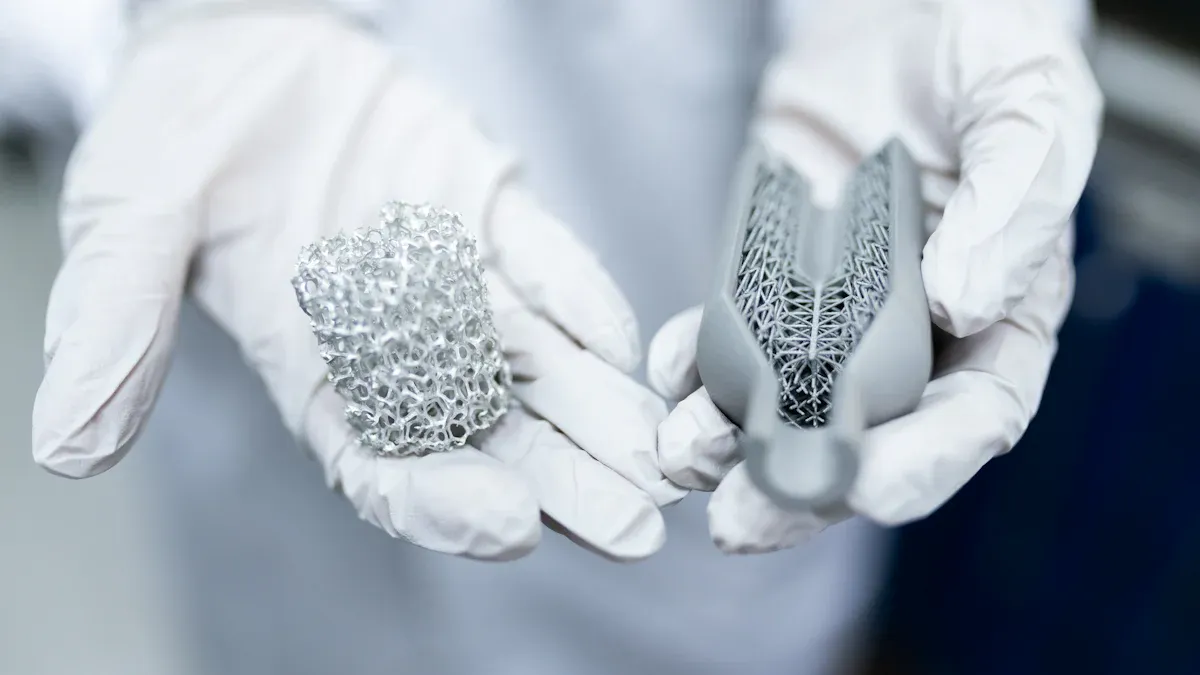
You discover activated carbon as a material with a unique structure. It contains millions of tiny pores that create a huge surface area. This surface area lets activated carbon store and release energy quickly. You see three main types of pores in activated carbon. Each type plays a special role in energy storage:
Size Range (nm) | Function | |
|---|---|---|
Macropores | >50 | Facilitate rapid movement of electrolyte ions into the electrode. |
Mesopores | 2–50 | Distribute ions to smaller pores and contribute to moderate capacitance. |
Microspores | <2 | Provide the majority of surface area for charge storage via ion adsorption. |
You notice that activated carbon has a surface area greater than 1,000 m²/g. This feature boosts ion adsorption and increases capacitance. The optimized pore size distribution allows ions to move fast and accumulate charge. You benefit from good electrical conductivity, which enables rapid charging and discharging cycles. Chemical stability keeps the material safe and extends its lifespan.
The physical and chemical properties of activated carbon significantly influence its performance in batteries. These properties include electrical conductivity, specific surface area, pore size, and chemical stability. They enhance charge acceptance, improve electrochemical processes, and increase the overall efficiency and lifespan of batteries.
Activated carbon supercapacitors can endure over 500,000 charge-discharge cycles. They retain more than 80% of their initial capacitance. You see that this performance far exceeds lithium-ion batteries, which last only 500–2,000 cycles.
Types for Energy Storage
You find several types of activated carbon used in energy storage devices. Each type offers unique advantages:
Type | Advantages | Limitations | Best For |
|---|---|---|---|
Cylindrical | High volumetric energy density, Durable, Excellent thermal stability | Less space-efficient, May require additional hardware | Automotive systems, power tools, UPS systems |
Prismatic | Space-efficient, Easy to stack, Uniform pressure distribution | Generally lower energy density, Sensitive to stress | Consumer electronics, IoT devices |
Coin Cell | Ultra-compact, Low self-discharge rate, Long operational life | Very limited energy capacity, Not suitable for high-current | Wearable devices, fitness trackers |
Toroidal | Exceptional space utilization, Low EMI, High energy density | Niche availability, Higher cost | Aerospace systems, robotics, compact power supplies |
You select the type based on your energy needs. Cylindrical types work well in cars and power tools. Prismatic types fit best in electronics and IoT devices. Coin cells suit wearable gadgets. Toroidal types power aerospace and robotics. You see that activated carbon adapts to many energy storage applications.
New Energy Activated Carbon in Batteries
Supercapacitor Electrodes
You see supercapacitors use New Energy Activated Carbon to store and release energy fast. Coconut-based activated carbon gives supercapacitors a high surface area. This feature lets you charge and discharge quickly. You benefit from rapid energy delivery in devices like power tools and electric buses.
Recent innovations in activated carbon production help supercapacitors work better. Scientists tailor pore structures and modify surfaces. These changes boost energy density and cycle life. You notice supercapacitors now last longer and deliver more power. You can rely on them for high-power applications.
Supercapacitors with New Energy Activated Carbon offer quick bursts of energy. You use them in situations where fast charging and discharging matter most.
Lithium-Ion and Sodium-Ion Anodes
You find New Energy Activated Carbon in lithium-ion batteries as part of silicon-carbon composite anodes. This combination improves battery performance. You get higher energy density and longer battery life. The carbon helps silicon expand and contract without breaking. You enjoy more reliable batteries in smartphones and laptops.
Sodium-ion batteries use low surface area activated carbon as hard carbon anodes. You choose sodium-ion batteries for large-scale energy storage. Sodium is abundant and less expensive than lithium. Hard carbon anodes make these batteries more sustainable. You support clean energy projects and grid storage with sodium-ion technology.
You see lithium-ion batteries use silicon-carbon composites for better performance.
You notice sodium-ion batteries rely on hard carbon for cost and sustainability.
Comparison with Traditional Materials
You compare New Energy Activated Carbon with traditional battery materials. You see differences in cost and environmental impact.
Material | Cost Range (per kg) |
|---|---|
Hard Carbon (Sodium-Ion) | $15-25 |
Battery-Grade Graphite | $5-15 |
You learn that biomass-derived hard carbons have lower carbon footprints than fossil-based materials. The environmental impact depends on the source and production method. Graphite production for lithium-ion batteries releases 20-30 kg CO2-eq per kg. Hard carbon production creates much less pollution.
Biomass-derived hard carbons help you reduce environmental harm.
Graphite production creates more emissions than hard carbon.
New Energy Activated Carbon shows versatility. You use it in supercapacitors, lithium-ion, and sodium-ion batteries. You see recent innovations make it more efficient and sustainable. You choose New Energy Activated Carbon to power devices, vehicles, and energy storage systems.
Benefits of Activated Carbon
Energy Density and Charge Rates
You notice that activated carbon boosts battery energy density and charge rates. The large surface area lets more charge carriers gather, which increases how much energy the battery can store. You see that pore size matters. Bigger pores help power density, while smaller pores improve energy density. Specific capacitance rises with surface area, so batteries charge faster and hold more energy.
Activated carbon increases conductivity and makes the electroactive surface larger. This helps ions move quickly in batteries.
Carbon improves the porosity of the active mass. You get faster ion movement and better access for the electrolyte.
Carbon blacks form strong electrical networks in electrodes. These networks speed up reactions and make batteries work better during high current cycles.
You benefit from batteries that charge quickly and deliver energy when you need it most.
Sustainability and Cost
You support sustainability when you use activated carbon in batteries. Biomass materials make electrode preparation easier. They offer a renewable and eco-friendly feedstock. You save money because many biomass residues are available and cost less than other materials.
Evidence Type | Description |
|---|---|
Environmental Concerns | You can control VOC releases during pyrolysis with emission systems. |
Carbon Footprint Reduction | Process optimization lowers emissions by 20-40%. |
Circular Economy | Using end-of-life biomass as feedstock improves sustainability. |
Energy Efficiency | Low-temperature carbonization cuts energy needs by up to 30%. |
You help the planet by choosing New Energy Activated Carbon made from renewable sources.
Lifespan and Safety
You rely on batteries with activated carbon electrodes for long life and safety. Studies show that commercial electrochemical capacitors lose only 20% of their capacitance after 500,000 to 1,000,000 cycles. You get batteries that last longer and stay stable.
Evidence Type | Description |
|---|---|
Aging Mechanisms | Cycling and floating tests show how activated carbon electrodes age. |
Performance Metrics | Batteries keep most of their capacitance after many cycles. |
Safety Standards | IEC 62391-1 sets rules for safe operation. You know a system fails if capacitance drops below 80% or ESR doubles. |
You trust batteries with activated carbon to deliver safe and reliable performance over time.
Applications and Innovations
Electric Vehicles
You see electric vehicles use activated carbon in many ways. Supercapacitors with activated carbon recover braking energy and supply power during acceleration. This reduces battery strain and extends vehicle range. Automakers add supercapacitors to energy recovery systems. These systems improve efficiency and lifespan, especially in city buses. Some electric buses use supercapacitors to manage frequent stops. They achieve up to 20% better energy recovery.
Application | Description |
|---|---|
Supercapacitors in EVs | Activated carbon is used in supercapacitors to recover braking energy and supply power during acceleration, reducing battery strain and extending vehicle range. |
Energy recovery systems | Automakers integrate activated carbon supercapacitors to improve energy efficiency and lifespan, particularly in urban transit systems. |
Example of use in electric buses | Some electric buses utilize supercapacitors to manage frequent stops, achieving up to 20% improvements in energy recovery efficiency. |
Grid Storage
You rely on grid storage to keep power stable. Activated carbon technology boosts supercapacitors, which stabilize power from solar and wind sources. These supercapacitors manage energy supply changes and keep the grid reliable. You use them as backup power in critical infrastructure. They deliver instant energy during outages.
Supercapacitors with activated carbon stabilize renewable energy output.
They manage supply fluctuations and ensure grid reliability.
You depend on them for rapid-response backup power.
Portable Devices
You use portable devices every day. Activated carbon supercapacitors provide instant power for high-drain functions. They enable rapid charging and reduce downtime. These supercapacitors serve as memory backup sources. They protect your data during battery changes or shutdowns. Their long cycle life and ability to deliver bursts of energy make them ideal for consumer electronics.
Instant power for high-drain functions
Rapid charging for less downtime
Memory backup during battery changes
Long cycle life for reliable performance
You benefit from New Energy Activated Carbon in electric vehicles, grid storage, and portable devices. You also see activated carbon act as a catalyst and electrode in renewable energy conversion. Biomass-derived activated carbon offers renewability, high capacitance, and cycle stability. Recent trends show more use of agricultural biomass and green synthesis methods. These methods reduce environmental hazards and improve electrochemical properties. You support sustainability by choosing eco-friendly materials for advanced energy storage.
Key Findings | Description |
|---|---|
Adoption of Biomass | Research indicates a significant trend towards using agricultural biomass for activated carbon in energy storage. |
Environmental Benefits | Biomass-derived activated carbon materials are noted for their renewability, low cost, and environmental advantages. |
Green Synthesis | Greener activating agents reduce environmental hazards and improve electrochemical properties. |
Challenges and Future Trends
Current Limitations
You may notice that activated carbon brings many benefits, but it also faces some challenges in battery and energy storage applications. These challenges can affect how well your devices perform and how long they last.
Activated carbon sodium-ion batteries have lower energy density than lithium-ion batteries. This means you cannot store as much energy in a small space. Devices that need compact power sources may not work as well with these batteries.
The cycle life of activated carbon anodes can be limited. Over time, sodium adsorption sites decrease, and a solid electrolyte interface forms. This process reduces how many times you can recharge the battery before it loses performance.
Dendrite formation can occur on the anode. Dendrites are tiny, needle-like structures that can cause short circuits. When this happens, your battery may stop working or become unsafe.
You need to understand these limitations to make informed choices about energy storage solutions.
Research and Emerging Solutions
Researchers work hard to solve these challenges and improve activated carbon technology. You benefit from their discoveries as new batteries become safer, last longer, and store more energy.
Scientists explore new materials and composite structures for activated carbon anodes in sodium-ion batteries. These efforts aim to boost energy density and cycle life.
Research focuses on making batteries more compatible with different electrolytes. This helps reduce dendrite formation and improves safety.
Many teams use agricultural biomass to create activated carbon for supercapacitor electrodes. This approach uses renewable resources, lowers costs, and makes use of abundant materials.
The conversion of agricultural waste into activated carbon depends on the activation method. The right method can enhance electrochemical performance and make batteries more efficient.
Material science continues to advance. You will see better anode materials and more supercapacitors in everyday devices, driven by the need for sustainability.
You can expect future batteries to become more powerful, safer, and environmentally friendly as research continues.
You see New Energy Activated Carbon change how batteries store and deliver energy. This material improves performance and supports cleaner energy solutions. You benefit from safer devices, longer battery life, and lower costs. You can follow new trends in activated carbon technology by watching for advances in anode material optimization, electrolyte innovation, and advanced characterization techniques. These steps help you stay informed about future breakthroughs.
FAQ
What makes activated carbon special for batteries?
You get a huge surface area with activated carbon. This helps your battery store and release energy quickly. The tiny pores in the material let ions move fast. You see better performance in supercapacitors and advanced batteries.
Is activated carbon safe for the environment?
You help the planet by choosing activated carbon from biomass. This material comes from renewable sources like coconut shells. You reduce waste and lower carbon emissions.
Tip: Look for batteries labeled as “biomass-derived” for the greenest option.
Can you recycle batteries with activated carbon?
You can recycle these batteries. Many recycling centers accept them. You should check local rules for battery disposal. Recycling helps recover valuable materials and keeps harmful waste out of landfills.
Where do you find activated carbon batteries in daily life?
You use activated carbon batteries in electric vehicles, grid storage, and portable devices. These batteries power buses, backup systems, and even your fitness tracker.
Electric cars
Solar energy storage
Wearable electronics