
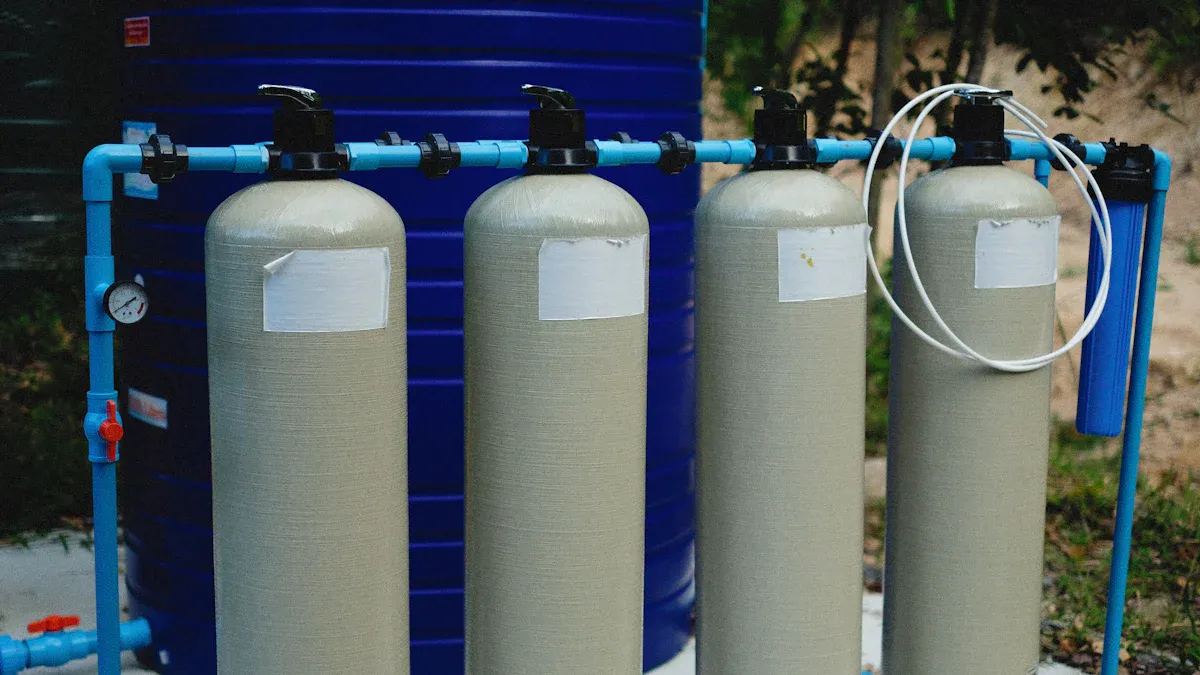
You can rely on activated carbon to clean your water by trapping harmful substances on its surface. This process removes unwanted tastes, smells, and chemicals, making your water safer and fresher. People use Water Treatment Activated Carbon in many ways. For example, you might find it in home filters or large treatment plants. The table below shows common uses in modern water treatment:
Application Type | Description |
|---|---|
Removes bad tastes, smells, chlorine, pesticides, and volatile organic compounds from water. | |
Granular Activated Carbon (GAC) | Effective for whole-house systems, removes organic compounds and chlorine, but may miss some contaminants. |
Industrial Wastewater Treatment | Cleans organic pollutants and heavy metals, meets environmental standards, and can reduce sulfate levels. |
Key Takeaways
Activated carbon effectively removes bad tastes, odors, and harmful chemicals from water, making it safer to drink.
The porous structure of activated carbon allows it to trap many contaminants, including pesticides and pharmaceuticals, improving water quality.
Regularly check and replace activated carbon filters every 6 to 12 months to ensure your water stays clean and safe.
Using activated carbon made from sustainable materials helps reduce waste and supports environmental health.
Combining activated carbon with advanced treatment technologies enhances its ability to remove tough contaminants like PFAS.
Water Treatment Activated Carbon Process
Filtration and Adsorption Mechanism
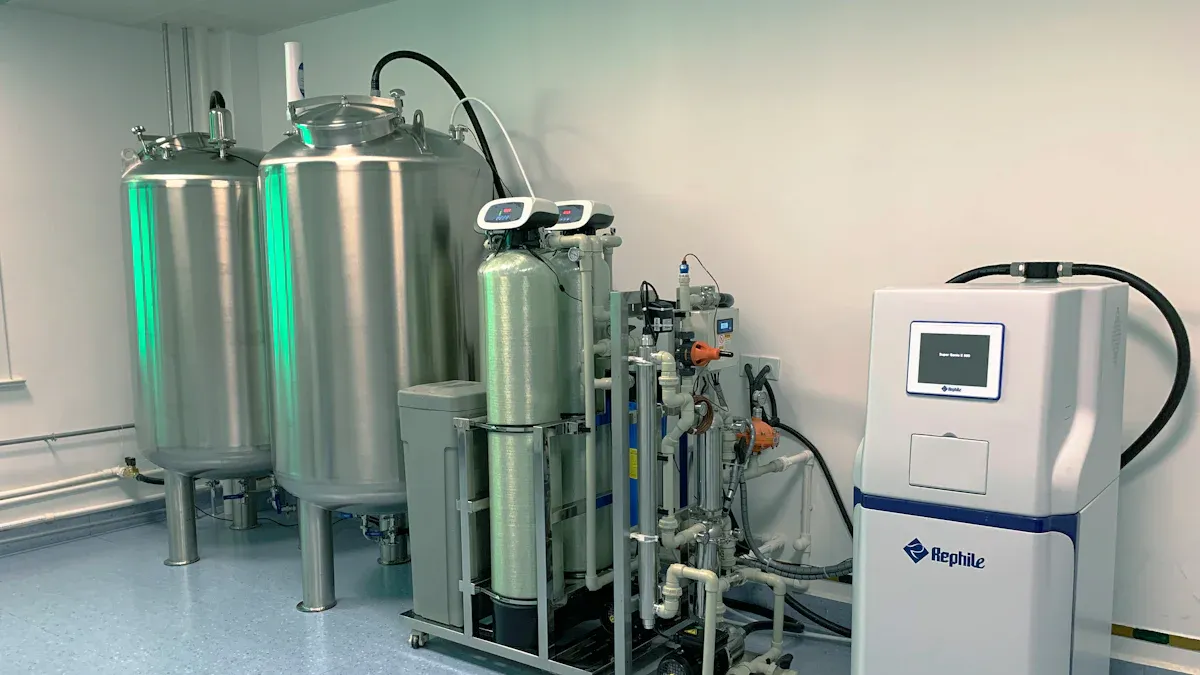
You see Water Treatment Activated Carbon at work in many water treatment plants. Operators use it for pre-treatment to remove unwanted tastes and odors before water reaches your tap. You also find it in filters that protect membranes in advanced systems. When water flows through activated carbon, the process relies on two main actions: filtration and adsorption.
Filtration catches larger particles, but adsorption is the real star. Adsorption means molecules stick to the surface of the carbon granules. The carbon has a porous structure, which gives it a huge surface area. One gram of activated carbon can have over 32,000 square feet of surface area. This allows it to trap many contaminants, including trace chemicals and PFAS-group compounds.
Tip: The more surface area and pore volume the carbon has, the more contaminants it can remove from your water.
Here is a table that shows how the properties of activated carbon help in water purification:
Property | Description |
|---|---|
Porous Structure | Activated carbon has an extremely porous structure, which contributes to its high surface area. |
High Surface Area | The surface area can exceed 1,000 m²/g, allowing for the adsorption of a wide range of contaminants. |
Adsorption Process | Activated carbon captures contaminants through adsorption, where molecules accumulate on its surface. |
You benefit from Water Treatment Activated Carbon because it removes substances like paracetamol, ibuprofen, and metaldehyde. The carbon attracts these molecules and holds them, so they do not stay in your water. The effectiveness depends on several factors:
High surface area lets the carbon trap more contaminants.
Porous structure allows water to flow through while catching pollutants.
Chemical attraction pulls certain molecules out of the water.
Regeneration ability means some types can be cleaned and reused.
Pore size, surface area, contact time, and the type of contaminants present all affect how well the carbon works.
Material Sources and Granule Structure
You might wonder where Water Treatment Activated Carbon comes from. Manufacturers use materials like coconut shells, wood, and coal. These sources give the carbon its unique structure and properties. Some plants even use municipal solid waste and organic materials to make activated carbon. This helps manage waste and creates valuable products for cleaning water.
The granule structure matters a lot. Activated carbon granules have a vast surface area and many pores. This structure is crucial for effective adsorption. You see the carbon remove trace contaminants such as pesticides, pharmaceuticals, and PFAS because of its high porosity. Specialized products can even adsorb difficult-to-remove chemicals like paracetamol and ibuprofen.
Coconut shells, wood, and coal are common sources.
Municipal solid waste and organic materials help with sustainability.
Granules with high porosity and surface area trap more contaminants.
The structure allows water to flow through while pollutants stick to the carbon.
Water Treatment Activated Carbon works best when you choose the right type for your needs. Factors like pore size, surface area, and the quality of the carbon influence how well it cleans your water. Higher-quality carbon usually lasts longer and performs better.
Note: Regulatory standards guide how plants use and dispose of activated carbon filters. These rules ensure safety and protect the environment.
You rely on Water Treatment Activated Carbon because it combines smart material choices and advanced granule structures to keep your water clean and safe.
Contaminants Removed

Taste, Odor, and Color
You notice when your water smells bad or tastes strange. Water Treatment Activated Carbon helps you fix these problems. The carbon traps molecules that cause unpleasant tastes and odors. It also removes compounds that make water look cloudy or colored. You see this technology in city water plants and home filters. It works well for removing chlorine, which often gives water a chemical taste.
Removes musty smells from algae.
Eliminates earthy flavors from decaying leaves.
Clears yellow or brown color caused by tannins.
Tip: If your water tastes or smells odd, activated carbon filtration can make it fresh and clear.
Organic Chemicals and Chlorine
You face many organic chemicals in your water. These include pesticides, herbicides, and industrial solvents. Water Treatment Activated Carbon captures these molecules on its surface. You benefit because the carbon adsorbs chemicals that can harm your health. It also removes chlorine, which cities use to disinfect water. Chlorine can cause dry skin and bad taste. Activated carbon makes your water safer and more pleasant.
Here is a table showing common organic chemicals removed by activated carbon:
Organic Chemical | Source | Effect on Water |
|---|---|---|
Pesticides | Farms | Harmful to health |
Herbicides | Gardens, agriculture | Unpleasant taste |
Industrial solvents | Factories | Toxic, bad odor |
Chlorine | Water treatment | Chemical taste, dryness |
Note: Activated carbon does not remove minerals like calcium or magnesium. It targets organic molecules and chlorine.
PFAS and Micro-Contaminants
You hear about PFAS, which are chemicals used in products like non-stick pans and firefighting foam. PFAS can stay in water for a long time and may cause health problems. Water Treatment Activated Carbon helps you remove PFAS and other micro-contaminants. The carbon’s tiny pores trap these molecules, even when they are present in very small amounts.
Removes PFAS, pharmaceuticals, and personal care products.
Captures trace contaminants like paracetamol and ibuprofen.
Helps protect you from chemicals that are hard to detect.
Callout: Activated carbon is one of the few technologies that can reduce PFAS levels in drinking water.
You rely on activated carbon to keep your water free from dangerous chemicals and micro-contaminants. It works quietly in filters and treatment plants, making your water safer every day.
Effectiveness in Modern Systems
Pre-Treatment and Membrane Protection
You see Water Treatment Activated Carbon used in modern water treatment systems to protect advanced membranes. When you use carbon as a pre-treatment step, you help remove organic compounds and chlorine before water reaches sensitive filters. This process keeps membranes from clogging and extends their lifespan. You benefit because your water stays cleaner and the system works longer.
Activated carbon has a high adsorption capacity. It removes many contaminants, including organic compounds and heavy metals.
You find that carbon filters work best when you choose the right type, size, and contact time.
Regular maintenance is important. The effectiveness of carbon filters can decrease over time.
Note: Activated carbon does not remove fluoride, nitrates, or microorganisms. You need other technologies for these contaminants.
Wastewater and Tertiary Treatment
You rely on activated carbon in wastewater treatment plants. It helps remove trace chemicals and improves water quality before discharge or reuse. In tertiary treatment, carbon adsorbs micro-contaminants that other filters miss. You see this technology used to meet strict environmental standards.
Here is a table comparing activated carbon to other purification methods:
Technology | Strengths | Limitations |
|---|---|---|
Activated Carbon | Removes organic compounds and chlorine | Limited for heavy metals and microorganisms |
Reverse Osmosis | Removes dissolved solids and PFAS | Higher cost and complexity |
Zeolites | Traps ammonia and heavy metals | Not effective for organic compounds |
Ceramic Filters | Removes bacteria and parasites | Limited for chemical contaminants |
Biochar | Cheaper alternative | Less effective overall |
You notice that activated carbon is a sustainable option. Manufacturers can produce it from renewable materials. However, high production costs and competition from natural organic materials in wastewater can reduce its effectiveness.
Tip: You should check your filters often. Replace them when needed to keep your water safe.
Advancements & Sustainability
Regeneration and Reuse
You can make water treatment more sustainable by regenerating and reusing activated carbon. Many treatment plants use thermal reactivation to recycle spent granular activated carbon. This process heats the used carbon at high temperatures, which removes trapped contaminants and restores its adsorption power. When you regenerate activated carbon, you reduce waste and improve recyclability. This makes water purification more affordable and less harmful to the environment. However, you should know that producing and regenerating high-quality activated carbon can be expensive. New methods, such as biological modification and magnetization, help improve efficiency and pollutant removal. These advancements give you more options for cleaner water and lower costs.
Tip: Regenerated activated carbon can work almost as well as new material, but you need to monitor its performance to ensure safety.
Eco-Friendly Production
You help the planet when you choose activated carbon made from waste materials. Recent advancements focus on transforming municipal solid waste and other non-biodegradable materials into valuable adsorbents. This approach not only manages waste but also creates products like electrodes, catalysts, and fertilizers. The type of waste you select matters because it affects how well the activated carbon works. Using plant-based sources instead of coal also reduces the environmental impact. Manufacturers now develop cost-effective and scalable methods to produce activated carbon from these sustainable sources.
Eco-friendly production supports waste management.
You get value-added products for environmental cleanup.
Plant-based activated carbon offers a greener alternative.
Integration in Advanced Systems
You see activated carbon working with advanced water treatment technologies for better results. Many systems combine activated carbon with UV/H₂O₂ processes or advanced oxidation. This integration boosts the removal of tough contaminants, including PFAS and trace chemicals. Biological modification adds more binding sites for heavy metals, while microbial metabolism can help regenerate spent carbon. Some filters use activated carbon as a support for microbial growth, which increases pollutant removal. Researchers also explore combining activated carbon with materials like activated alumina and nanocarbon particles for even greater cleaning power.
Note: Combining activated carbon with advanced systems helps you achieve higher water quality and supports future innovation in water treatment.
You depend on activated carbon to keep your water safe and clean. It removes chlorine, heavy metals, and pesticides, improves taste and odor, and works in both drinking water and wastewater systems. Experts highlight its high sorption capacity and adaptability to new contaminants. Companies now use plant-based materials and combine activated carbon with other substances for better results. You can see future trends in the table below:
Trend/Innovation | Description |
|---|---|
Filters target persistent contaminants like PFAS. | |
Eco-Friendly Production | Plant-based sources replace coal for sustainability. |
Combination with Other Materials | Activated alumina boosts pollutant removal. |
Nanocarbon Development | Research aims to improve efficiency with nanocarbon particles. |
You help protect the environment and support innovation when you choose sustainable activated carbon for water treatment.
FAQ
How often should you replace activated carbon filters?
You should replace activated carbon filters every 6 to 12 months. The exact time depends on your water quality and usage. Check the manufacturer’s instructions for the best results.
What contaminants does activated carbon not remove?
Activated carbon does not remove minerals, fluoride, nitrates, or most bacteria and viruses. You need other treatment methods for these contaminants.
Is activated carbon safe for drinking water?
Yes, activated carbon is safe. Water treatment plants and home filters use it to improve water quality. You can trust it to remove many harmful chemicals.
Can you reuse activated carbon at home?
You cannot easily regenerate activated carbon at home. High temperatures and special equipment are needed. For best results, replace used filters with new ones.
Why does activated carbon improve water taste and smell?
Activated carbon traps chlorine, organic compounds, and other substances that cause bad taste and odor. You get fresher, cleaner water with every use.