
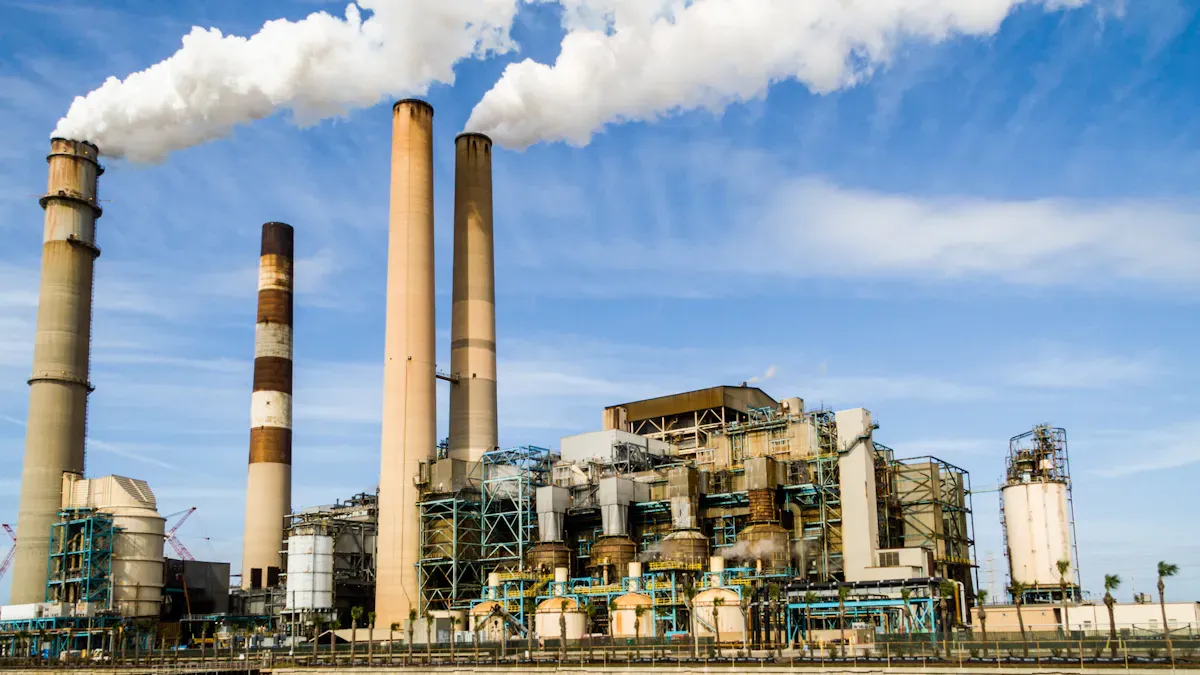
You use wood based activated carbon in many industries because it offers effective solutions for purification and filtration. Common forms include granular, pellet, and powder, with powdered activated carbon leading the market by holding over 60% share. You find its main uses in water treatment, air and gas purification, food and beverage processing, and the pharmaceutical sector. Its versatility makes it a valuable choice for improving quality and safety in these areas.
Water treatment
Air and gas purification
Food and beverage processing
Pharmaceutical applications
Key Takeaways
Wood-based activated carbon is versatile, used in water treatment, air purification, food processing, and pharmaceuticals.
Its high surface area and porous structure allow for effective removal of contaminants, improving safety and quality.
Choosing the right form of activated carbon—granular, pellet, or powdered—can enhance filtration efficiency for specific applications.
Using renewable wood sources for production supports sustainability and reduces environmental impact.
Always verify certifications and compliance with safety standards when using activated carbon in food and pharmaceutical applications.
What is Wood-Based Activated Carbon
Production and Forms
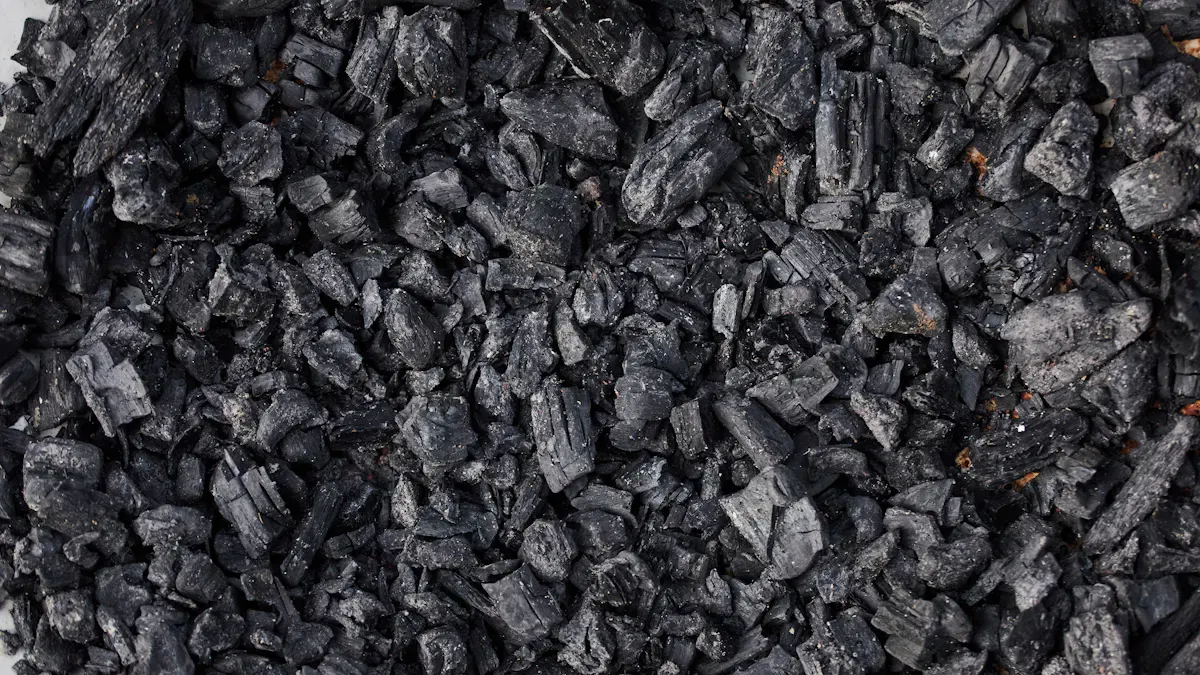
You find wood based activated carbon made from clean hardwood sawdust or untreated wood waste. Manufacturers select high-purity wood sources and avoid materials exposed to industrial pollutants or toxic preservatives. They often choose hardwoods like oak, maple, and birch because these woods have dense structures and high cellulose content. Using reclaimed wood or fast-growing species helps reduce environmental impact.
The production process involves several steps. First, you see raw wood undergo carbonization, which removes volatile components and creates a basic carbon structure. Next, activation with steam or chemicals develops micropores and macropores. Washing and purification remove impurities, and drying stabilizes the product. Each step shapes the properties and adsorption capacity of the final material.
You can use wood based activated carbon in different forms:
Granular activated carbon for packed-bed filters.
Pelletized carbon for batch processing.
Powdered carbon for rapid mixing and high adsorption efficiency.
Manufacturers face challenges such as the need for precise activation processes and significant energy input. Limited supply of high-quality wood and competition from lower-cost alternatives can affect production and pricing.
Key Properties
Wood-based activated carbon stands out because of its highly porous structure and high surface area. These properties allow you to trap impurities, chemicals, and toxins efficiently. The material offers excellent adsorption properties, making it suitable for water treatment, air purification, and food processing.
You benefit from its sustainability since it comes from renewable wood sources. The specific adsorption characteristics of wood based activated carbon include multi-scale pore architecture and controlled particle size. Low ash content reduces the risk of secondary contamination.
Characteristic | Description | Industrial Application Examples |
|---|---|---|
High Surface Area | Ranges from 1000 to 2000 m²/g, providing numerous active sites for efficient contaminant adsorption. | Municipal water treatment, industrial gas cleaning, solvent recovery. |
Advanced Pore Structure | Multi-scale pore architecture (micro, meso, macro) for broad-spectrum contaminant removal. | Air, water, and liquid-phase purification systems. |
Controlled Particle Size | Available from 0.5 mm to 5 mm, tailored for specific applications. | Packed-bed filters, batch processing, gold recovery. |
Low Ash Content | Typically below 5%, reducing risk of secondary contamination. | Food-grade, cosmetic, and pharmaceutical applications. |
The market faces challenges from alternative materials and technologies that offer similar or superior performance. You must consider the availability and cost of raw materials when choosing wood based activated carbon.
Activated Carbon Applications in Water Treatment
Potable Water Purification
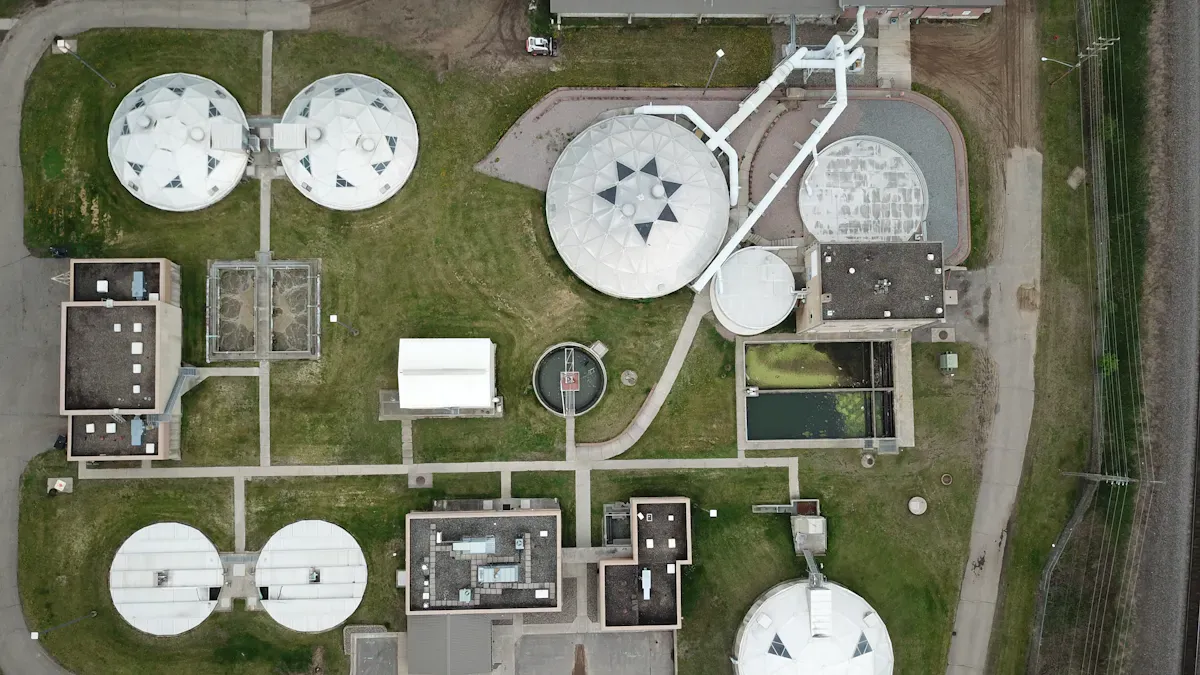
You rely on wood based activated carbon to improve the taste, color, and odor of drinking water. This material works well in municipal water plants and home filtration systems. You often see it used in granular or powdered forms, which mix easily with water and provide fast results. The unique pore structure of wood-based activated carbon helps remove larger organic molecules, such as dyes and pigments, that can affect water quality.
You notice that this type of carbon is less effective than coal or coconut shell carbon for removing very fine contaminants. The mesopores and macropores in wood-based activated carbon limit its ability to filter out the smallest particles.
You benefit from its renewable nature, as it comes from mature trees and supports sustainability goals.
You find it excels in decolorization and taste elimination, making it a good choice for certain purification applications.
Tip: If you want to target specific contaminants, you should match the pore structure of the carbon to the size of the molecules you want to remove.
Surface and Wastewater Treatment
You use wood based activated carbon in surface water and wastewater filters to remove pollutants before water returns to the environment. This material plays a key role in industrial water purification and environmental remediation. You can count on its balanced pore structure to trap both small and large organic compounds, including pesticides, herbicides, and natural organic matter.
You often see it used in granular activated carbon beds for continuous filtration.
You can add powdered activated carbon directly to water for batch treatment, which helps in emergency situations or when you need rapid results.
You support environmental goals by choosing a renewable material that reduces your carbon footprint.
Advantage | Wood-Based Activated Carbon | Coal-Based Activated Carbon | Coconut-Based Activated Carbon |
|---|---|---|---|
Pore Structure | Higher mechanical strength | Varies, generally less mesoporous | |
Efficiency in Removing Molecules | Effective for larger molecules like dyes and pigments | Less effective for larger molecules | Moderate effectiveness |
Renewable Nature | Sourced from renewable wood sources | Non-renewable | Non-renewable |
Adsorption Rate | Faster due to lower density | Slower | Moderate |
Environmental Impact | Aligns with sustainability goals | Less sustainable | Less sustainable |
Contaminant Removal
You depend on wood based activated carbon to remove a wide range of contaminants from water. This material targets organic compounds, chlorine byproducts like trihalomethanes, pesticides, and volatile organic compounds (VOCs). You find it especially useful in environmental remediation projects, where you need to clean up polluted water sources.
You benefit from its highly porous structure and large surface area, which allow for efficient adsorption of many pollutants.
You can use it in both drinking water and industrial settings to ensure safety and compliance.
You help protect workers and communities by removing harmful chemicals from water supplies.
Wood-based activated carbon is effective in targeting various contaminants in water treatment, specifically pesticides, herbicides, and natural organic matter. This type of carbon is produced from sustainably sourced hardwood and features a balanced pore structure that facilitates the removal of both small and larger organic compounds.
Note: You should always consider the specific needs of your application before choosing a filtration material. Wood based activated carbon offers fast adsorption and supports sustainability, but you may need other materials for the finest contaminants.
You see that activated carbon applications in water treatment cover a wide range of uses, from potable water purification to industrial water purification and environmental remediation. By choosing the right form and pore structure, you can achieve effective filtration and improve water quality in many settings.
Wood Based Activated Carbon in Food, Beverage, and Pharmaceuticals
Decolorization in Food and Beverage
You often need to remove unwanted color and impurities from food and drinks. Wood based activated carbon gives you a powerful tool for this job. You can use it to clarify juices, sugar syrups, and soft drinks. This material works well because it has a balanced pore structure with many mesopores. These pores help trap large molecules like tannins and pigments.
You get a higher binding capacity—two to three times more than alumina-based adsorbents.
You can use it in many conditions, as it works across a wide pH range from 2 to 11.
You do not have to worry about high temperatures. It stays effective up to 150°C.
When you use wood-based activated carbon in juice production, you can remove up to 95-98% of tannins. This makes the juice clear and keeps important nutrients like vitamin C. You also see fast filtration because the mesopores allow quick movement of liquids.
Wood-Based Activated Carbon | Coal-Based Activated Carbon | |
|---|---|---|
Pore Structure | Balanced with mesopores | Primarily micropores |
Adsorption Kinetics | Faster due to mesopores | Slower diffusion |
Application Suitability | Effective for larger molecules | Limited for larger molecules |
Tip: You can choose custom activated carbon solutions to match the needs of your specific food or beverage product.
Edible Oil Purification
You want your edible oils to look clear and taste fresh. Filtration is a key step in the purification of edible oils. Wood based activated carbon helps you remove color, odors, and unwanted chemicals from oils like soybean, sunflower, and palm oil. You can use it during the bleaching stage to trap pigments and trace metals.
You get a product that meets food safety standards.
You keep the natural flavor and nutrients in the oil.
You can use it for both small and large-scale oil processing.
You also benefit from its renewable source, which supports eco-friendly practices. You can trust the material to work well in different purification processes, making it a smart choice for oil manufacturers.
Note: Activated carbon must be made in a controlled environment to avoid contaminants. You should check for ASTM and FDA certifications before using it in food applications.
Pharmaceutical Purification
You need high purity and safety in medicines. Wood based activated carbon plays a big role in pharmaceutical purification. You use it to remove unwanted byproducts, colors, and toxins from drugs and vitamins. This ensures that the final product is safe for health.
You must follow strict rules. Each batch must meet pharmacopoeia standards like USP and EP.
You need test reports that show the purity and quality of each batch.
You must use Good Manufacturing Practice (GMP) during production.
You should check local standards to avoid problems with sales or exports.
Requirement | Impact | |
|---|---|---|
U.S. EPA | Compliance with water quality directives | Ensures safe drinking water and air quality |
EU Regulations | Food safety and product purity standards | Drives market growth in food and beverage sector |
ISO Certifications | Quality assurance for products | Ensures compliance with international standards |
Sustainable Sourcing | Eco-friendly practices | Addresses deforestation concerns |
You can trust wood based activated carbon for pharmaceutical applications because it meets high quality standards. You also help protect the environment by choosing a renewable material.
Always ask your supplier for documentation that proves compliance with GMP, USP, EP, and local regulations.
You see that wood based activated carbon offers reliable solutions for the treatment and filtration of food, beverages, and pharmaceuticals. You can improve product quality, meet safety standards, and support sustainability goals by choosing the right purification processes.
Air Purification and Industrial Uses
Workshop and Factory Air Quality
You can improve air quality in workshops and factories by using wood based activated carbon. This material helps you capture harmful air pollutants like toluene vapors and volatile organic compounds (VOCs) from paints and cleaning agents. You often find it in HVAC systems and air purifiers, where it reduces toxic fumes and odors. In industrial settings, you rely on it to trap solvents and hazardous emissions, making the workplace safer for everyone.
Pollutant | Reduction Rate |
|---|---|
Toluene Vapors | 60% |
VOCs | Significant |
You see that wood based activated carbon works well for large-scale air purification. It is more cost-effective and widely available than some alternatives, so you can use it for many industrial solutions.
Odor and Fume Removal
You can use wood based activated carbon to remove unpleasant odors and fumes in many environments. It works in factories that handle chemicals, food processing plants, and areas with musty smells. You also find it in HVAC systems in offices and hospitals, where it helps reduce VOCs and keeps the air fresh. In industrial exhaust stacks, it captures fumes before they reach the outside air. Wastewater plants use it to control odors, especially hydrogen sulfide.
You benefit from its ability to handle a wide range of odors.
You support environmental protection by choosing a non-toxic and renewable material.
Tip: Regular maintenance of your air purification systems ensures the best performance and longer service life.
Other Industrial Applications
You can use wood based activated carbon in many emerging industrial applications. Textile factories use it to treat wastewater and remove synthetic dyes. Metallurgical plants rely on it to capture heavy metal ions. Chemical and pharmaceutical industries use it to adsorb organic solvents and intermediates from wastewater. You also see it in the pharmaceutical industry, where it helps filter drugs and improve product safety.
Industry Type | Application Description |
|---|---|
Residential | Adsorbs VOCs like formaldehyde and benzene from furniture and paints, and eliminates odors from cooking and pets. |
Commercial | Used in air purifiers to improve indoor air quality in offices and public spaces. |
Industrial | Captures toxic organic emissions in printing and coating industries, protecting worker health and reducing pollution. |
You help the environment by choosing a natural and renewable material. The eco-friendly production process supports environmental protection and the circular economy. When you finish using the carbon, you can regenerate it for reuse or dispose of it safely, which reduces waste and supports sustainability.
You gain many benefits when you choose wood based activated carbon for your purification needs:
You support sustainability by using waste materials.
You help manage waste and create value-added products.
You find effective solutions for environmental remediation in air and water.
Industry | Impact on Efficiency and Safety |
|---|---|
Water Purification | You achieve cleaner water and meet safety standards. |
Air Purification | You improve indoor air quality and reduce harmful gases. |
Food and Beverage | You ensure high-purity ingredients and protect health. |
Pharmaceutical | You purify materials and support environmental regulations. |
You see new innovations like microwave activation and nano-engineered carbon materials. These advances make wood based activated carbon even more useful for your daily life and health.
FAQ
What makes wood based activated carbon different from other types?
You get a renewable material with a balanced pore structure. This helps you remove both large and small contaminants. You also support sustainability when you choose wood based activated carbon.
Can you use wood based activated carbon for drinking water?
Yes, you can. You use it to improve taste, remove odors, and filter out organic chemicals. Many municipal and home water filters use this type of carbon.
Is wood based activated carbon safe for food and medicine?
You can trust it for food and pharmaceutical use. Manufacturers follow strict standards like FDA and USP. Always check for certifications before you use it in sensitive applications.
How do you dispose of used wood based activated carbon?
You can regenerate it for reuse or dispose of it safely. Many facilities offer recycling services. You help the environment by choosing proper disposal methods.