
Activated carbon, also known as activated charcoal, represents one of the most versatile and widely used purification materials in modern industry. With its origins tracing back to ancient civilizations, this highly porous form of carbon has evolved into a critical component across numerous industrial sectors, from water treatment and air purification to food processing and pharmaceutical manufacturing. The global activated carbon market, valued at approximately $3.9 billion in 2024, continues to expand at a compound annual growth rate of 3.8%, reflecting its essential role in addressing contemporary environmental and industrial challenges [1].
The increasing global emphasis on clean water, air quality standards, and environmental protection has significantly boosted demand for activated carbon solutions. Regulatory frameworks worldwide now mandate stricter controls on industrial emissions, wastewater discharge, and product purity, creating sustained demand for advanced adsorption technologies. This comprehensive guide explores the multifaceted applications of activated carbon, providing industrial professionals with detailed insights into how this remarkable material serves diverse purification needs across multiple sectors.
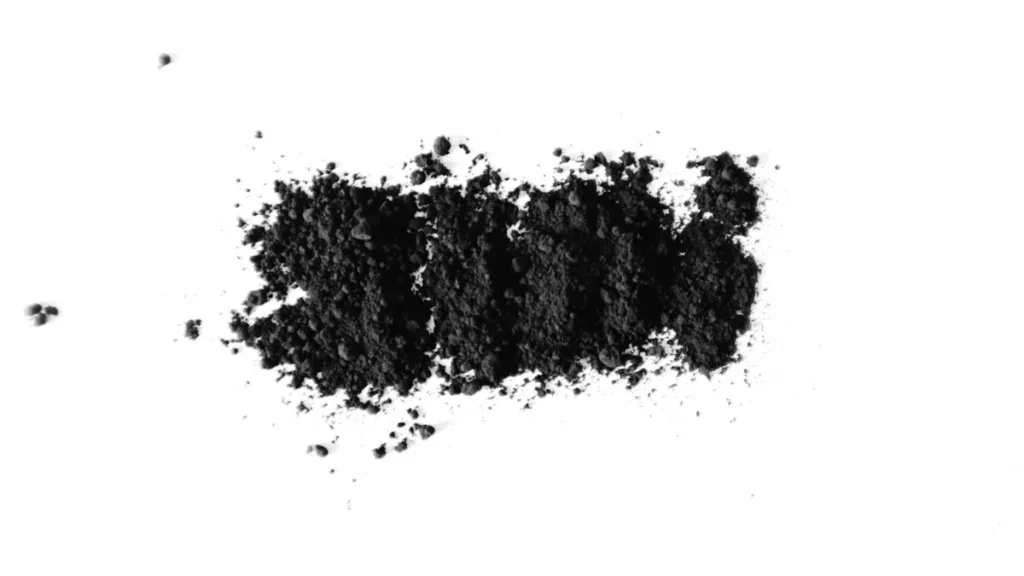
Activated carbon is a highly porous adsorbent material used primarily for purification, separation, and recovery applications across water treatment, air and gas purification, food and beverage processing, chemical manufacturing, pharmaceutical production, and environmental protection.
The versatility of activated carbon stems from its unique physical and chemical properties. Through controlled activation processes, carbon-rich raw materials develop an intricate network of pores with surface areas ranging from 500 to over 2000 square meters per gram. This extraordinary internal surface area provides countless adsorption sites for contaminants, making activated carbon exceptionally effective at removing organic compounds, odors, colors, and specific inorganic pollutants from liquids and gases [2][5].
This article provides a comprehensive examination of activated carbon applications, organized by industry sector and application type. We will explore the technical principles behind its effectiveness, examine specific use cases with detailed examples, and provide practical guidance for selecting appropriate activated carbon formulations for different industrial needs. Whether you are involved in water treatment plant operations, industrial manufacturing, food processing, or environmental compliance, understanding activated carbon applications will help optimize your purification processes and meet regulatory requirements.
Table of Contents
- Activated Carbon in Water Treatment Applications
- Air and Gas Purification with Activated Carbon
- Food and Beverage Processing Applications
- Chemical and Pharmaceutical Manufacturing
- Environmental Protection and Industrial Manufacturing
- Activated Carbon Forms and Selection Criteria
- Market Trends and Future Applications
- Conclusion and Key Takeaways
Activated Carbon in Water Treatment Applications
Activated carbon is extensively used in water treatment for removing organic contaminants, chlorine, chloramine, taste and odor compounds, pesticides, pharmaceuticals, and various micropollutants from drinking water, industrial process water, and wastewater.
Water treatment represents the largest application segment for activated carbon, accounting for approximately 40% of global consumption. The material’s exceptional adsorption capacity makes it indispensable for achieving water quality standards across multiple sectors. Municipal water treatment facilities, industrial plants, and residential filtration systems all rely on activated carbon to remove contaminants that conventional treatment methods cannot effectively eliminate [8][9].

In drinking water applications, granular activated carbon (GAC) filters serve as polishing units following conventional clarification and filtration processes. These systems effectively reduce concentrations of natural organic matter, disinfection by-products such as trihalomethanes (THMs), synthetic organic chemicals including pesticides and herbicides, and taste-and-odor compounds like geosmin and 2-methylisoborneol. The U.S. Environmental Protection Agency recognizes activated carbon treatment as a Best Available Technology for removing specific contaminants under the Safe Drinking Water Act, highlighting its regulatory acceptance and proven effectiveness [9][10].
Key Statistics: Water Treatment Applications
- Drinking water treatment accounts for approximately 25% of total activated carbon consumption
- Industrial process water treatment represents 15% of market share
- Activated carbon typically removes 90 to 99% of free chlorine from treated water
- GAC filters commonly achieve 80 to 95% reduction in total organic carbon (TOC)
Industrial water treatment applications are equally significant. In power generation, electronics manufacturing, and pharmaceutical production, activated carbon protects reverse osmosis membranes and ion exchange resins by removing chlorine and chloramines upstream. These oxidizing agents would otherwise degrade membrane materials, reduce system performance, and increase maintenance costs. For ultrapure water systems used in semiconductor fabrication and pharmaceutical manufacturing, activated carbon helps achieve parts-per-billion or parts-per-trillion organic carbon levels required for sensitive manufacturing processes [6][10].
Wastewater treatment represents a rapidly growing application area, particularly for removing emerging contaminants. Advanced treatment plants employ powdered or granular activated carbon to adsorb residual pharmaceuticals, personal care products, endocrine disruptors, and other organic micropollutants that survive biological treatment. This tertiary treatment step significantly improves effluent quality before discharge or water reuse, helping municipalities meet increasingly stringent environmental regulations concerning micropollutant discharge [11][9].
Specific Water Treatment Applications
| Application | Activated Carbon Type | Target Contaminants | Typical Removal Efficiency |
|---|---|---|---|
| Municipal Drinking Water | Granular (GAC) | Chlorine, THMs, pesticides, taste and odor | 85 to 99% |
| Industrial Process Water | Powdered (PAC) or GAC | Chlorine, organics, color | 90 to 99% |
| Wastewater Polishing | Powdered (PAC) | Pharmaceuticals, micropollutants | 70 to 95% |
| Groundwater Remediation | Granular (GAC) | VOCs, solvents, petroleum hydrocarbons | 85 to 99% |
| Aquarium and Pond Filtration | Granular or Pelletized | Medications, organics, discoloration | 80 to 95% |
Air and Gas Purification with Activated Carbon
Activated carbon is widely employed in air and gas purification systems to remove volatile organic compounds (VOCs), odors, acid gases, sulfur compounds, and other harmful or undesirable components from industrial emissions, indoor air, and process gases.
Air purification represents the second largest application segment for activated carbon, driven by increasingly stringent air quality regulations and growing awareness of indoor air quality issues. Industrial facilities, commercial buildings, laboratories, vehicles, and even residential spaces utilize activated carbon filters to capture gaseous contaminants that particulate filters cannot remove. The material’s effectiveness stems from its ability to adsorb molecules through physical forces and, in some cases, chemical interactions with impregnated additives [12][13].
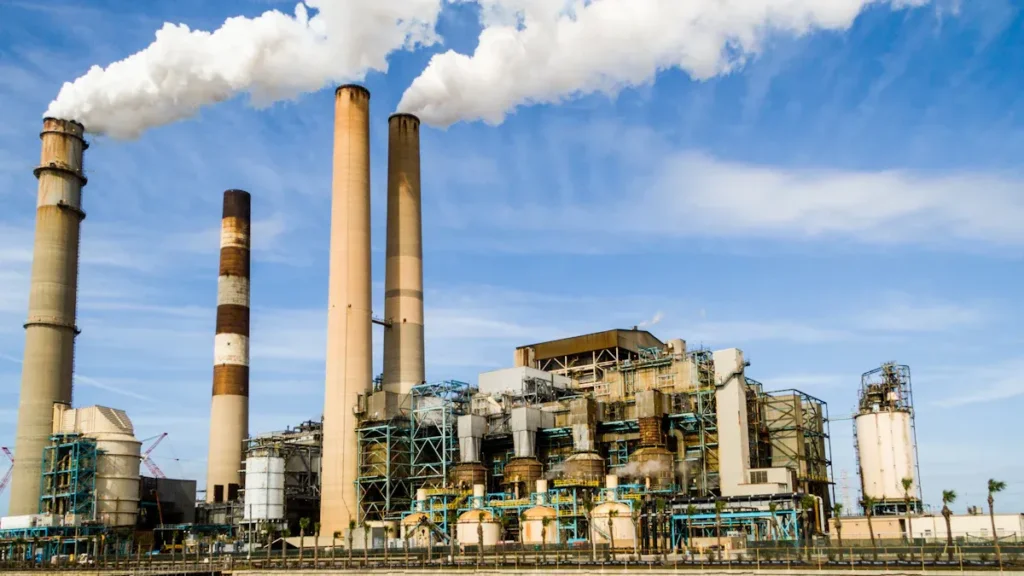
In industrial settings, activated carbon systems treat exhaust streams containing solvents, volatile organic compounds, and odorous emissions from manufacturing processes. Chemical plants, printing facilities, paint shops, and semiconductor manufacturers all employ activated carbon to meet emission limits and protect worker health. The adsorption process occurs as contaminated air passes through beds or canisters filled with activated carbon, with the material selectively capturing target compounds based on molecular size, polarity, and concentration [13][5].
Key Statistics: Air Purification Applications
- Industrial air treatment accounts for approximately 20% of total activated carbon use
- Indoor air purification represents 15% of market share
- Activated carbon removes 85 to 99% of common volatile organic compounds
- Gas processing applications consume 10% of production
Indoor air quality applications have expanded significantly with growing recognition of sick building syndrome and the health impacts of indoor pollutants. Commercial buildings, hospitals, schools, and residential properties incorporate activated carbon filters into HVAC systems to remove formaldehyde, ozone, nitrogen oxides, and other indoor contaminants. Personal protective equipment, including respirators and masks, also utilizes activated carbon layers to protect workers from hazardous gases and vapors in industrial environments [12].
Gas processing represents another critical application area. Natural gas treatment facilities use activated carbon to remove hydrogen sulfide, mercaptans, and other sulfur compounds that would otherwise corrode pipelines and equipment. Biogas purification systems employ activated carbon to upgrade raw biogas to pipeline-quality methane by removing contaminants including hydrogen sulfide and siloxanes. In compressed air systems, activated carbon filters remove oil vapors, hydrocarbons, and odors to protect sensitive equipment and ensure product quality in manufacturing processes [1][4].
Specific Air and Gas Purification Applications
| Application | Activated Carbon Type | Target Contaminants | Typical Configuration |
|---|---|---|---|
| Industrial VOC Control | Pelletized or Beaded | Solvents, hydrocarbons | Fixed beds, canisters |
| Indoor Air Quality | Granular or Impregnated | Formaldehyde, ozone, odors | HVAC filters, air purifiers |
| Natural Gas Processing | Impregnated GAC | Hydrogen sulfide, mercaptans | Tower systems, pressure vessels |
| Automotive Evaporative Control | Pelletized or Beaded | Fuel vapors, cabin odors | Canisters, cabin filters |
| Laboratory Safety | Specialty Formulations | Chemical fumes, radioisotopes | Fume hood filters, glove boxes |
Food and Beverage Processing Applications
Activated carbon is used in food and beverage processing for decolorization, deodorization, purification, and removal of undesirable flavors, odors, and contaminants, ensuring product quality and safety across sugar refining, beverage production, edible oil processing, and ingredient purification.
The food and beverage industry relies extensively on activated carbon to achieve the high purity standards required for consumer products. From sugar refining to beverage production, activated carbon serves as an essential processing aid that removes impurities without introducing harmful chemicals or affecting the nutritional properties of the final product. The material’s compliance with food-grade standards and its ability to be tailored for specific applications make it invaluable across diverse food processing operations [3][7].
In sugar refining, powdered activated carbon is added to sugar solutions to adsorb color bodies, organic acids, and other impurities that would otherwise produce off-quality refined sugar. This decolorization step is critical for producing white sugar grades that meet consumer expectations and industrial specifications. The activated carbon is subsequently removed through filtration, leaving clear, purified sugar liquor for crystallization. Similar processes apply to corn syrup, glucose, and other sweetener manufacturing [7][3].

Beverage production represents another major application area. Breweries use activated carbon to remove chlorine and chloramines from brewing water, which would otherwise react with phenolic compounds to produce off-flavors. The wine industry employs activated carbon to correct color defects and remove undesirable flavors, while spirits producers use it for final polishing of vodka and other clear spirits. Fruit juice manufacturers utilize activated carbon for decolorization and removal of patulin, a naturally occurring mycotoxin found in apple products [3].
Edible oil processing also benefits significantly from activated carbon treatment. Vegetable oils undergo bleaching processes where activated carbon, often in combination with bleaching clays, removes chlorophyll, carotenoids, polycyclic aromatic hydrocarbons, and other contaminants. This purification step improves oil stability, shelf life, and sensory characteristics while meeting increasingly stringent regulatory limits on contaminants [7].
Food and Beverage Processing Applications Overview
| Industry Sector | Application | Key Benefits | Activated Carbon Form |
|---|---|---|---|
| Sugar Refining | Decolorization of sugar solutions | White sugar production, impurity removal | Powdered (PAC) |
| Brewing | Brewing water dechlorination | Off-flavor prevention, consistent product quality | Granular (GAC) |
| Wine Production | Color correction, off-flavor removal | Product consistency, defect remediation | Powdered (PAC) |
| Spirits Production | Final polishing, methanol reduction | Clarity, purity, smooth taste | Granular (GAC) |
| Edible Oil Processing | Bleaching, contaminant removal | Improved stability, reduced PAHs | Powdered (PAC) |
Chemical and Pharmaceutical Manufacturing
Activated carbon is utilized in chemical and pharmaceutical manufacturing for purifying intermediates and solvents, removing impurities from active pharmaceutical ingredients, recovering valuable chemicals from process streams, and treating pharmaceutical wastewater.
The chemical and pharmaceutical industries demand exceptionally high purity levels, and activated carbon provides a reliable solution for achieving these standards. In chemical synthesis, activated carbon removes colored impurities, catalyst residues, and organic contaminants from reaction products and solvents. This purification step is often critical for meeting product specifications and ensuring the quality of downstream formulations [6][4].
Pharmaceutical manufacturing relies on activated carbon for multiple purification functions. During active pharmaceutical ingredient (API) production, activated carbon removes impurities that could affect drug safety or efficacy. The material also treats pharmaceutical wastewater to remove residual drugs and organic solvents before discharge, helping manufacturers comply with environmental regulations and prevent the release of antibiotics and other bioactive compounds into the environment [11][1].
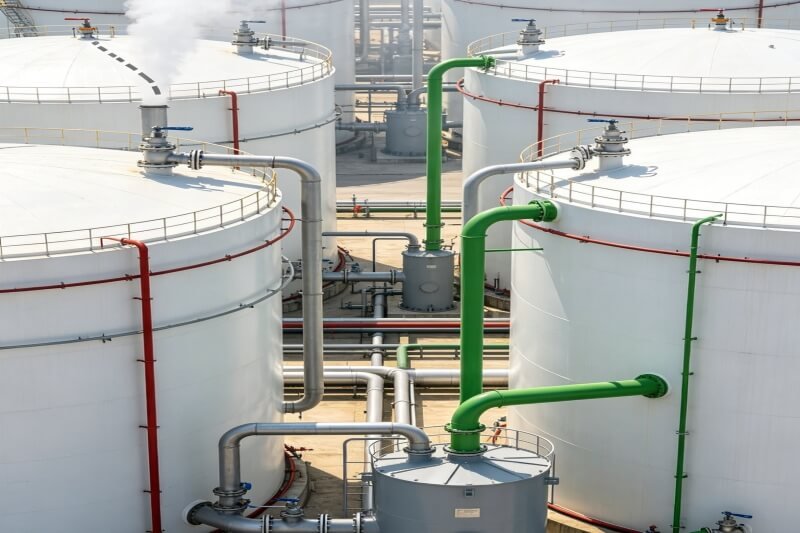
Emergency medicine represents a specialized but critical application of activated carbon. Medical-grade activated charcoal is administered orally or via nasogastric tube to treat certain types of poisoning and drug overdoses. The material adsorbs toxic substances in the gastrointestinal tract, preventing their absorption into the bloodstream. This application requires the highest purity grades of activated carbon, manufactured under strict quality controls to ensure patient safety. It is included in the World Health Organization’s Model List of Essential Medicines [1][3].
In fine chemical manufacturing, activated carbon enables the recovery of precious metal catalysts and high-value solvents through selective adsorption and desorption processes. This recovery capability not only reduces raw material costs but also minimizes hazardous waste generation. Gold mining operations use activated carbon in carbon-in-pulp and carbon-in-leach processes to recover dissolved gold from cyanide solutions, with modern operations achieving recovery rates exceeding 95% through optimized activated carbon systems [6][7].
Environmental Protection and Industrial Manufacturing
Activated carbon supports environmental protection through flue gas treatment, mercury capture from power plant emissions, vapor recovery systems, soil and groundwater remediation, and numerous industrial manufacturing pollution control applications.
Environmental protection applications represent one of the fastest-growing segments for activated carbon, driven by regulatory mandates and corporate sustainability commitments. Power plants and industrial boilers inject powdered activated carbon into flue gas streams to capture mercury emissions, a requirement under regulations such as the Mercury and Air Toxics Standards in the United States. This application alone consumes substantial volumes of activated carbon and has become a critical component of coal-fired power plant emission control strategies [1][5].
Vapor recovery systems employ activated carbon to capture volatile organic compounds from industrial process vents, storage tank breathing losses, and loading operations. By adsorbing these vapors and subsequently recovering them through desorption, these systems reduce air pollution while recovering valuable products that would otherwise be lost. Gasoline terminals, chemical storage facilities, and solvent-intensive industries rely on activated carbon vapor recovery to meet emission limits and improve operational economics [4][7].
Soil and groundwater remediation represents another significant environmental application. Activated carbon is used both in-situ and ex-situ to treat contaminated sites, removing petroleum hydrocarbons, chlorinated solvents, pesticides, and other organic pollutants. Pump-and-treat systems pass extracted groundwater through activated carbon vessels, while permeable reactive barriers containing activated carbon treat contaminated groundwater plumes in place. These remediation approaches have proven effective at numerous Superfund sites and industrial brownfield locations [9][1].
Environmental Application Comparison
| Application | Pollutant Type | Typical Removal | Regulatory Driver |
|---|---|---|---|
| Mercury Capture | Elemental and oxidized mercury | 70 to 95% | MATS, IED, GB 13223 |
| Vapor Recovery | VOCs, gasoline vapors | 90 to 99% | Clean Air Act, VOC directives |
| Groundwater Remediation | Solvents, fuels, pesticides | 85 to 99% | CERCLA, local regulations |
| Dioxin and Furan Control | Dioxins, furans | 95 to 99% | Stockholm Convention |
Activated Carbon Forms and Selection Criteria
Activated carbon is available in multiple forms including powdered, granular, pelletized, extruded, and impregnated varieties, each optimized for specific applications based on particle size, pore structure, raw material source, and surface chemistry modifications.
Selecting the appropriate activated carbon form is critical for achieving optimal performance and cost-effectiveness in any application. The choice depends on multiple factors including the target contaminants, process configuration, flow rates, contact time requirements, and regeneration or disposal considerations. Understanding the characteristics and advantages of each form enables informed procurement decisions that balance performance, operational costs, and environmental compliance [2][6].
Powdered activated carbon (PAC) consists of fine particles typically smaller than 0.18 mm, providing rapid adsorption kinetics due to its high external surface area. PAC is commonly used in batch processes, such as sugar decolorization and pharmaceutical purification, where it is added to the liquid, mixed, and subsequently removed by filtration. It also sees increasing use in water treatment plants for seasonal taste and odor control, where it can be dosed as needed without requiring permanent infrastructure modifications [6][10].
Granular activated carbon (GAC) features larger particle sizes that make it suitable for continuous flow operations in fixed-bed columns. GAC is the predominant form for municipal water treatment, industrial process water purification, and groundwater remediation. The larger particle size allows lower pressure drops and easier handling compared to PAC, and saturated GAC can often be thermally reactivated multiple times, reducing long-term costs and waste generation [9][10].
Activated Carbon Form Selection Guide
| Form | Particle Size | Primary Applications | Regeneration | Key Advantage |
|---|---|---|---|---|
| Powdered (PAC) | Less than 0.18 mm | Batch processing, seasonal treatment | Typically single use | Fast kinetics, low infrastructure cost |
| Granular (GAC) | 0.2 to 5 mm | Fixed-bed columns, continuous flow | Thermal reactivation | Low pressure drop, reusable |
| Pelletized | 0.5 to 5 mm | Gas phase, vapor recovery | Thermal or steam | High crush strength, low dust |
| Extruded | 0.8 to 5 mm diameter | Gas treatment, catalyst support | Thermal reactivation | Uniform shape, low pressure drop |
| Impregnated | Varies by base material | Specialty gas removal, chemical defense | Limited | Enhanced selectivity for specific gases |
Raw material selection significantly influences activated carbon performance. Coconut shell-based activated carbon typically provides a high proportion of micropores, making it excellent for small molecule adsorption and gas-phase applications. Coal-based activated carbon offers a broader pore size distribution suitable for a wide range of liquid-phase applications. Wood-based and lignite-based carbons provide a high proportion of mesopores and macropores, beneficial for decolorization applications involving larger molecules. Understanding these raw material characteristics helps match the right activated carbon to specific purification challenges [5][2].
Market Trends and Future Applications
The global activated carbon market is projected to grow from approximately $3.9 billion in 2024 to $5.5 billion by 2033, driven by increasing water treatment requirements, stricter air quality regulations, growing pharmaceutical manufacturing, and expanding environmental remediation needs.
The activated carbon market continues to evolve in response to emerging environmental challenges and industrial requirements. Several significant trends are shaping future demand and application development. The Asia Pacific region currently leads global consumption, driven by rapid industrialization, urbanization, and increasing environmental regulation enforcement in countries such as China and India. North America and Europe maintain substantial market shares, with continued investment in drinking water infrastructure upgrades and environmental remediation programs [1].
Emerging applications are creating new growth opportunities for activated carbon technologies. Energy storage represents one such frontier, where activated carbon serves as electrode material in supercapacitors due to its high surface area and conductivity. Carbon capture and sequestration research explores activated carbon as a cost-effective adsorbent for post-combustion carbon dioxide capture. Advanced oxidation processes combining activated carbon with ultraviolet light, ozone, or hydrogen peroxide are gaining attention for treating recalcitrant organic pollutants that resist conventional treatment [1][6].
The trend toward circular economy principles is also influencing activated carbon usage patterns. Thermal reactivation of spent activated carbon has become increasingly sophisticated, with modern reactivation facilities achieving performance comparable to virgin material while reducing carbon footprint and disposal costs. This approach aligns with corporate sustainability goals and regulatory preferences for waste minimization. Additionally, research into producing activated carbon from agricultural waste materials and other renewable sources continues to advance, offering potential for more sustainable supply chains [2][5].
Conclusion and Key Takeaways
Activated carbon stands as one of the most versatile and indispensable purification materials in modern industrial practice. Its applications span the entire spectrum of human activity, from ensuring safe drinking water and clean air to enabling advanced pharmaceutical manufacturing and environmental protection. The global market trajectory, projected to reach $5.5 billion by 2033, reflects the enduring and growing importance of activated carbon technologies across diverse sectors.
For industrial professionals and procurement specialists, understanding the specific requirements of each application is essential for selecting the optimal activated carbon solution. Factors including raw material source, activation method, pore structure, particle size, and the availability of reactivation services all influence both performance and total cost of ownership. Engaging with experienced suppliers who can provide technical guidance and application-specific testing ensures that the selected activated carbon delivers maximum value.
As environmental regulations continue to tighten and industrial processes demand ever-higher purity levels, activated carbon will remain at the forefront of purification technology. Ongoing research into novel activation methods, sustainable raw materials, and advanced reactivation techniques promises to further enhance the performance and sustainability profile of activated carbon products. Organizations that invest in understanding and optimizing their activated carbon applications position themselves for improved operational efficiency, regulatory compliance, and environmental stewardship.