
Introduction
Background
Water quality has become one of the most pressing concerns for municipalities, industrial operators, and households around the world. Even treated municipal water can carry residual disinfectants, trace organic chemicals, disinfection byproducts, and compounds that affect taste and odor. Among the many filtration technologies available, activated carbon stands out as one of the oldest, most studied, and most versatile media for water purification. Originally developed for gas masks and industrial chemical processing, activated carbon filtration has become a cornerstone technology in point-of-use and point-of-entry water treatment systems globally.
The global activated carbon market for water treatment was valued at over USD 2.7 billion in 2023 and continues to grow as regulatory standards tighten and consumers become more aware of water quality issues. Understanding what this technology can and cannot remove is essential for engineers, procurement managers, and anyone responsible for specifying a water treatment solution.

Direct Answer
Activated carbon effectively removes chlorine, chloramines, volatile organic compounds (VOCs), disinfection byproducts such as trihalomethanes (THMs), pesticides, herbicides, many pharmaceutical residues, taste and odor compounds, and certain heavy metals including lead and mercury when the filter is specifically certified for those contaminants. The U.S. Environmental Protection Agency (EPA) classifies granular activated carbon as a proven treatment technology with removal efficiencies reaching up to 99.9% for many volatile organic compounds. However, activated carbon does not remove dissolved minerals such as calcium and magnesium, fluoride, nitrates, sodium, total dissolved solids (TDS), or most bacteria and viruses.
What This Article Covers
This article provides a comprehensive technical overview of activated carbon filtration for water treatment. It explains the adsorption mechanisms that make activated carbon effective, catalogs the specific contaminants removed with supporting data, identifies the limitations of the technology, and compares different carbon types and form factors so that readers can make informed decisions when specifying or purchasing filtration equipment.
Whether you are evaluating a water treatment system for a municipal plant, designing a commercial filtration solution, or selecting a point-of-use filter for residential applications, understanding the capabilities and boundaries of activated carbon is the first step toward an effective investment.
Table of Contents
- How Does Activated Carbon Work in Water Filtration
- What Organic Chemicals and VOCs Does Activated Carbon Remove
- Does Activated Carbon Remove Chlorine and Disinfection Byproducts
- Can Activated Carbon Filters Remove Heavy Metals
- What About PFAS and Emerging Contaminants
- What Does Activated Carbon NOT Remove from Water
- Types of Activated Carbon and Their Performance Differences
- Granular vs. Powdered vs. Carbon Block: Which Form Factor Is Best
- Filter Lifespan, Breakthrough, and Replacement Considerations
- How to Select the Right Activated Carbon Filter for Your Application
How Does Activated Carbon Work in Water Filtration
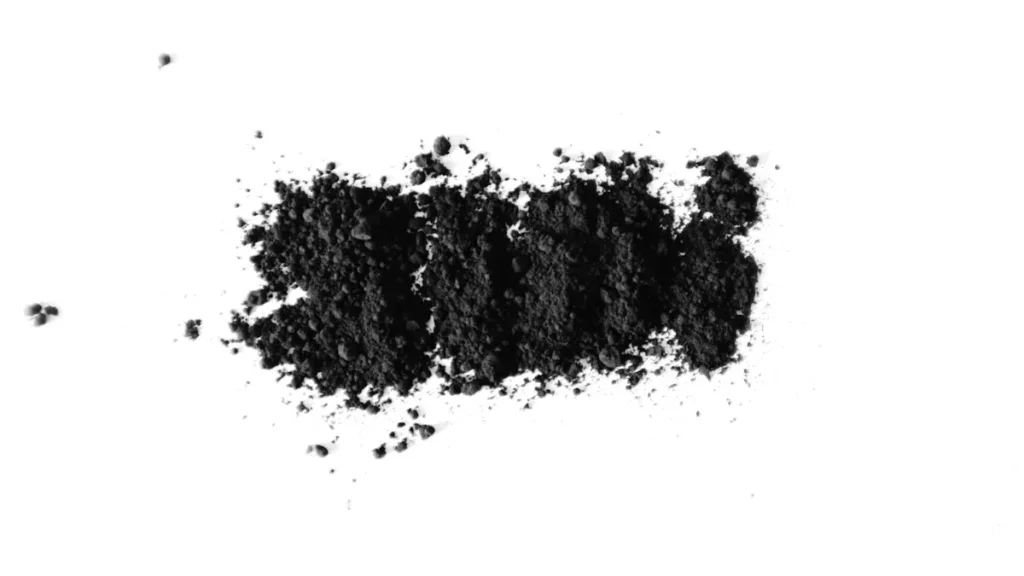
Activated carbon removes contaminants through adsorption, a process in which dissolved molecules physically attach to the enormous internal surface area of the carbon material. A single gram of high-quality activated carbon can possess a surface area ranging from 500 to over 1,500 square meters, roughly equivalent to three tennis courts. This massive surface area is created during the activation process, where raw carbonaceous materials are treated with high-temperature steam or chemicals to develop millions of microscopic pores.
The Adsorption Mechanism in Detail
Adsorption occurs through two primary mechanisms that often operate simultaneously. Physical adsorption, also called physisorption, relies on van der Waals forces, which are weak intermolecular attractions that pull contaminant molecules into the carbon pores and hold them against the pore walls. This process is reversible under certain conditions, which is why spent carbon can sometimes be thermally reactivated. Chemical adsorption, or chemisorption, involves stronger bonds where the contaminant undergoes an actual chemical reaction with functional groups on the carbon surface. For example, when free chlorine contacts activated carbon, it is catalytically reduced to chloride ions, a chemical transformation rather than a purely physical trapping process.
The pore structure of activated carbon is hierarchical and directly determines what the filter can capture. Micropores, typically less than 2 nanometers in diameter, are responsible for trapping the smallest organic molecules, including many VOCs and disinfection byproducts. Mesopores, ranging from 2 to 50 nanometers, accommodate larger molecules such as some pesticides and natural organic matter. Macropores, exceeding 50 nanometers, primarily serve as transport channels that funnel contaminants deeper into the carbon particle where the micro and mesopores do the actual adsorption work. This hierarchical structure explains why carbon source material and activation method matter significantly: they determine the distribution of pore sizes.
Key Performance Indicators
Several metrics quantify the effectiveness of activated carbon for water treatment applications. The following table summarizes the most important indicators used by engineers and specifiers.
| Performance Metric | Description | Typical Range for Water Treatment |
|---|---|---|
| Iodine Number | Measures micropore content; correlates with capacity for small organic molecules | 900 to 1,200 mg/g |
| Molasses Number | Measures mesopore and macropore content; indicates capacity for larger molecules | 200 to 400 |
| Surface Area (BET) | Total available surface area measured by nitrogen adsorption | 500 to 1,500 square meters per gram |
| Abrasion Number | Mechanical durability; important for backwashable systems | Minimum 75 for GAC |
| Apparent Density | Mass per unit volume; affects filter bed design and contact time | 0.40 to 0.55 g per cubic centimeter |
What Organic Chemicals and VOCs Does Activated Carbon Remove
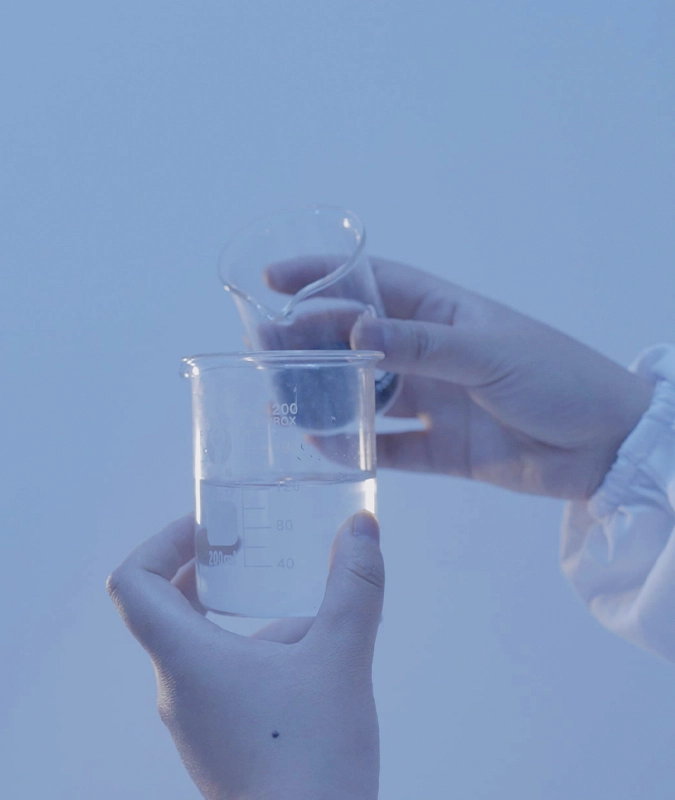
Activated carbon is most effective against organic chemicals, particularly volatile organic compounds (VOCs). The EPA has identified granular activated carbon as a Best Available Technology for many regulated VOCs, with removal efficiencies commonly exceeding 95% and reaching up to 99.9% for compounds such as trichloroethylene, tetrachloroethylene, benzene, and carbon tetrachloride when the system is properly designed with adequate contact time.
VOCs and Industrial Solvents
Volatile organic compounds enter water supplies through industrial discharge, leaking underground storage tanks, improper solvent disposal, and agricultural runoff. These chemicals pose both acute and chronic health risks: benzene is a known human carcinogen, trichloroethylene has been linked to liver and kidney damage, and tetrachloroethylene affects the central nervous system. Activated carbon’s strong affinity for these compounds stems from their carbon-based molecular structures, which interact favorably with the carbon surface through hydrophobic and van der Waals interactions.
Laboratory and field studies consistently demonstrate high removal rates. The following table presents representative removal data for common VOCs treated with granular activated carbon in properly designed systems.
| Contaminant | Typical Source | Removal Efficiency | EPA Classification |
|---|---|---|---|
| Benzene | Industrial solvents, gasoline | Greater than 99% | BAT (Best Available Technology) |
| Trichloroethylene (TCE) | Degreasing operations | Greater than 99% | BAT |
| Tetrachloroethylene (PCE) | Dry cleaning, metal degreasing | Greater than 99% | BAT |
| Carbon Tetrachloride | Chemical manufacturing | Greater than 98% | BAT |
| Vinyl Chloride | PVC production, degradation of TCE | 95% to 99% | BAT |
| 1,2-Dichloroethane | Chemical intermediates | Greater than 95% | BAT |
Pesticides and Herbicides
Agricultural chemicals represent another class of organic contaminants where activated carbon demonstrates strong performance. Many commonly used pesticides including atrazine, glyphosate, alachlor, lindane, and 2,4-D are effectively adsorbed by activated carbon. The removal efficiency varies with the specific chemical’s molecular weight, solubility, and polarity. Generally, pesticides with higher molecular weights and lower water solubility are removed more effectively because they have a stronger tendency to partition from water onto the carbon surface.
In municipal water treatment plants that draw from agricultural watersheds, powdered activated carbon is frequently used as a seasonal or emergency dosing strategy to handle pesticide spikes during planting and runoff seasons. This approach allows treatment plants to maintain compliance with maximum contaminant levels without investing in permanently installed granular activated carbon beds if pesticides are only a seasonal concern.
Pharmaceutical Residues and Endocrine Disruptors
Pharmaceuticals and personal care products in water supplies have emerged as a growing concern over the past two decades. Activated carbon has been shown to effectively remove many of these compounds, including common drugs such as ibuprofen, diclofenac, carbamazepine, and certain antibiotics. Removal rates vary by compound: carbamazepine consistently shows greater than 90% removal in GAC systems, while more hydrophilic pharmaceuticals like metformin may see lower removal rates. The wide range of molecular sizes and chemical properties among pharmaceuticals means that carbon type selection and contact time design are critical for achieving reliable performance across the full spectrum of potential contaminants.
Does Activated Carbon Remove Chlorine and Disinfection Byproducts
Activated carbon removes chlorine from water with virtually 100% efficiency through a catalytic reduction reaction. Free chlorine (hypochlorous acid and hypochlorite ion) is chemically converted to chloride ions upon contact with the carbon surface. Chloramines, used as an alternative secondary disinfectant by many water utilities, are also effectively removed, though at a somewhat slower reaction rate that requires longer contact time. This chlorine removal capability is the primary reason filtered water tastes fresher and lacks the swimming pool odor associated with untreated tap water.
Chlorine Removal Mechanism
The chlorine removal process on activated carbon differs fundamentally from the physical adsorption of organic contaminants. When chlorine contacts the carbon surface, it undergoes a catalytic reduction reaction. The carbon acts as a reducing agent and is itself oxidized in the process. The reaction can be represented as follows: hypochlorous acid reacts with the carbon surface, producing chloride ions, carbon dioxide, and water. Because this is a chemical reaction rather than physical adsorption, the chlorine removal capacity of activated carbon is a function of the carbon mass available, not of the surface area in the same way that VOC removal is.
One important practical consequence of this mechanism is that activated carbon filters removing chlorine are being consumed through a chemical reaction. The effective lifespan for chlorine removal depends on the chlorine concentration in the incoming water, the flow rate, and the mass of carbon in the filter. A typical point-of-use carbon filter can handle municipal chlorine levels for several months to a year under normal household usage before chlorine breakthrough occurs.
Disinfection Byproducts: THMs and HAAs
Trihalomethanes (THMs) and haloacetic acids (HAAs) form when free chlorine reacts with naturally occurring organic matter in source water. These disinfection byproducts are regulated because of their association with increased cancer risk and reproductive effects. Activated carbon removes THMs primarily through physical adsorption, with removal efficiencies of approximately 70% to greater than 95% depending on the specific compound, contact time, and carbon condition. Chloroform, the most common THM, is generally removed at the higher end of this range as long as the carbon has not reached saturation.
The following table presents typical removal ranges for the four regulated THMs under optimal conditions.
| Disinfection Byproduct | Abbreviation | Typical Removal Range (GAC) |
|---|---|---|
| Chloroform | TCM | 80% to 99% |
| Bromodichloromethane | BDCM | 75% to 95% |
| Dibromochloromethane | DBCM | 70% to 90% |
| Bromoform | TBM | 65% to 85% |
Can Activated Carbon Filters Remove Heavy Metals
Standard activated carbon has limited inherent capacity for heavy metal removal. However, activated carbon filters that are specifically engineered and certified for heavy metals can effectively reduce lead and mercury. Carbon block filters certified under NSF/ANSI Standard 53 for lead reduction have demonstrated removal of lead to below the EPA action level of 15 parts per billion, even when challenged with water containing lead concentrations above 150 parts per billion. The removal mechanism for lead in certified carbon block filters combines physical straining of particulate lead within the dense block structure with chemical adsorption of dissolved lead species.
Lead Removal: The Flint, Michigan Validation
The water crisis in Flint, Michigan provided one of the most rigorous real-world validations of carbon block filter performance for lead removal. During the crisis, properly installed and certified carbon block filters demonstrated effective lead reduction in residential settings. A field study published by researchers documented that point-of-use carbon block filters reduced lead concentrations to below detectable levels in most homes, including those with lead service lines where water lead levels exceeded 150 micrograms per liter. This real-world performance confirmed laboratory certification testing under far more extreme conditions than the filters are typically challenged with.

It is critical to emphasize that this performance is specific to filters certified under NSF/ANSI 53 for lead reduction. A generic granular activated carbon filter without this certification should not be relied upon for lead removal. The carbon block format provides an advantage because its dense, compressed structure creates very small effective pore sizes that can physically intercept particulate lead, which is the dominant form of lead in many contamination scenarios from corroded pipes and solder.
Mercury and Other Heavy Metals
Mercury removal by activated carbon depends on the form of mercury present. Elemental mercury and inorganic mercury compounds are generally well adsorbed by activated carbon, particularly when sulfur-impregnated carbon is used. Organic mercury compounds such as methylmercury are more challenging and may require specially treated carbon or alternative treatment technologies. For other heavy metals including arsenic, chromium, cadmium, and copper, standard activated carbon alone provides limited and unreliable removal. These contaminants typically require dedicated media, ion exchange resins, or reverse osmosis for effective treatment.
What About PFAS and Emerging Contaminants
Activated carbon, particularly granular activated carbon, is the most extensively studied and widely deployed treatment technology for PFAS removal from drinking water. Research from the EPA and independent laboratories demonstrates that GAC can effectively remove long-chain PFAS compounds including perfluorooctanoic acid (PFOA) and perfluorooctanesulfonic acid (PFOS) with removal rates typically ranging from 76% to greater than 95%, depending on contact time, carbon type, and filter age. However, short-chain PFAS compounds present a more significant challenge and may break through carbon filters considerably sooner.
Long-Chain vs. Short-Chain PFAS Removal
PFAS compounds are a family of thousands of synthetic chemicals characterized by carbon-fluorine bonds, which are among the strongest bonds in organic chemistry. This bond strength makes PFAS extremely persistent in the environment, hence the term forever chemicals. Long-chain PFAS compounds, defined as those with six or more perfluorinated carbons, tend to be more hydrophobic and have a stronger affinity for the activated carbon surface. This makes them amenable to removal by GAC systems. Shorter-chain PFAS, developed as replacements for their longer-chain predecessors, are more hydrophilic and have weaker adsorption to carbon, resulting in earlier breakthrough and lower overall removal efficiency.
EPA research on full-scale water treatment plants has documented an important phenomenon: temperature-dependent desorption of short-chain PFAS. During warm periods when water temperatures exceed 20 degrees Celsius, short-chain PFAS that were previously adsorbed can partially release back into the treated water, causing effluent concentrations to temporarily exceed influent concentrations. This reversal does not occur with long-chain PFAS as long as the carbon is replaced before breakthrough. This finding has significant implications for treatment plant operators in warmer climates and underscores the importance of monitoring at the system level rather than relying solely on laboratory certification data.
Replacement Frequency for PFAS Applications
For facilities treating PFAS-contaminated water, carbon replacement frequency is the most critical operational parameter. Research indicates that GAC filters used for PFAS removal for over one year without replacement showed substantially degraded performance, with some short-chain PFAS breaking through after only two to three months of operation. Facilities targeting PFAS removal should budget for regular carbon change-outs and conduct routine effluent monitoring for the specific PFAS compounds of concern rather than relying on surrogate parameters. Carbon reactivation is possible for PFAS-laden carbon, with thermal reactivation at temperatures above 1,000 degrees Celsius being necessary to destroy the PFAS compounds rather than merely transferring them to another medium.
What Does Activated Carbon NOT Remove from Water
Activated carbon does not remove dissolved minerals such as calcium and magnesium that cause water hardness, nor does it remove fluoride, nitrates, nitrites, sodium, chlorides, sulfates, or total dissolved solids (TDS). Standard activated carbon is also not an effective technology for removing bacteria, viruses, protozoan cysts, or other microbiological contaminants. If your water source is microbiologically unsafe, activated carbon filtration must be paired with a disinfection technology such as ultraviolet (UV) treatment, chlorination, or ozonation.
Dissolved Minerals and TDS
The inability of activated carbon to remove dissolved minerals is a fundamental consequence of the adsorption mechanism. Ionic species such as sodium, calcium, magnesium, potassium, chloride, and sulfate are fully dissolved and surrounded by water molecules, making them too hydrophilic to adsorb onto the carbon surface in any meaningful quantity. Water that passes through a carbon filter will have essentially the same mineral content and TDS level as it did before filtration. If hardness reduction or TDS reduction is required, reverse osmosis, nanofiltration, ion exchange, or distillation are the appropriate technologies. Many multi-stage treatment systems pair activated carbon with these technologies to achieve comprehensive contaminant removal.
Microbiological Contaminants
While a very dense carbon block filter with an effective pore size below 1 micron may physically intercept some larger bacteria and protozoan cysts through mechanical straining, activated carbon filtration is not classified as a microbiological purification method. In fact, carbon filters that are not properly maintained can become breeding grounds for bacteria because they remove the residual disinfectant that would otherwise suppress microbial growth. The dark, wet, organic-rich environment inside a carbon filter bed can support bacterial colonization under certain conditions. This is why NSF/ANSI certification standards for carbon filters include testing for extractable contaminants and why manufacturers recommend regular filter replacement intervals.
Fluoride and Nitrates
Fluoride, whether naturally occurring or intentionally added for dental health, passes through standard activated carbon essentially unchanged. Specialized activated carbon products such as bone char carbon or alumina-impregnated carbon can provide partial fluoride removal, but these are niche products not representative of the majority of carbon filters on the market. Similarly, nitrates and nitrites, which are regulated due to their association with methemoglobinemia or blue baby syndrome, are ionic species that show negligible adsorption onto activated carbon. Ion exchange and reverse osmosis are the established Best Available Technologies for nitrate removal.
Types of Activated Carbon and Their Performance Differences
The source material used to manufacture activated carbon fundamentally determines its pore structure and performance characteristics. The three primary raw materials are coconut shell, bituminous coal, and wood, with each offering distinct advantages for specific water treatment applications. Coconut shell carbon excels at removing small organic molecules due to its high micropore content, coal-based carbon provides a broader pore size distribution suitable for diverse contaminant profiles, and wood-based carbon offers the largest median pore size for capturing high-molecular-weight compounds.
Coconut Shell Activated Carbon
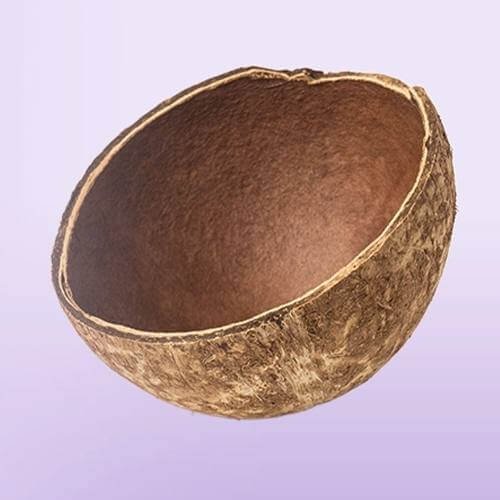
Coconut shell is the preferred raw material for many point-of-use and point-of-entry water filters because of its exceptional microporosity. Coconut shell carbon typically contains approximately 50% more micropores (pores below 2 nanometers) than coal-based carbon. This micropore dominance translates directly into higher adsorption capacity for small organic molecules, which constitute the majority of regulated organic contaminants in drinking water. In standardized testing with benzene, coconut shell carbon demonstrated an adsorption capacity of 11 milligrams per gram, compared to approximately 6 milligrams per gram for a typical coal-based carbon, nearly double the capacity for this representative VOC. For applications targeting VOCs, THMs, and chlorine taste and odor, coconut shell carbon is generally considered the highest-performing option on a per-gram basis. The longer service life possible with coconut shell carbon can partially offset its typically higher unit cost.
Coal-Based Activated Carbon
Bituminous coal-based carbon features a more balanced pore size distribution with a higher proportion of mesopores and macropores compared to coconut shell carbon. This broader distribution makes coal-based carbon effective across a wider range of contaminant molecular sizes, including larger pesticide molecules, natural organic matter that imparts color to water, and some higher-molecular-weight industrial chemicals. Coal-based carbon also tends to exhibit higher mechanical strength as measured by abrasion number, making it more suitable for large-scale municipal treatment plants where carbon beds are frequently backwashed and hydraulic forces can cause particle attrition. The combination of versatility, mechanical durability, and lower raw material cost has made coal-based GAC the dominant choice for municipal drinking water treatment applications in North America and Europe.
Wood-Based Activated Carbon
Wood-based carbon, typically produced from hardwoods, features the largest median pore size among the three categories. This open pore structure provides rapid adsorption kinetics because contaminants can quickly migrate into the carbon particle through large transport pores. Wood carbon is particularly effective for decolorization applications and for removing large organic molecules such as humic and fulvic acids that contribute to natural organic matter. However, wood-based carbon generally has lower overall surface area than coconut or coal carbon, and its lower mechanical strength limits its use in applications requiring frequent backwashing. Wood-based carbon is most commonly found in powdered form for batch treatment applications rather than in granular form for fixed-bed adsorbers.
The following table compares the key properties of the three primary activated carbon types used in water treatment.
| Property | Coconut Shell | Bituminous Coal | Wood |
|---|---|---|---|
| Micropore Content | High (greater than 90%) | Moderate (60% to 75%) | Low (40% to 55%) |
| Mesopore/Macropore Content | Low | Moderate to High | High |
| Iodine Number (mg/g) | 1,000 to 1,200 | 900 to 1,100 | 800 to 1,000 |
| Best Application | VOCs, THMs, chlorine, taste and odor | Broad-spectrum organic removal, municipal treatment | Decolorization, large molecules, PAC dosing |
| Mechanical Strength | High | Very High | Low to Moderate |
| Relative Cost | Higher | Moderate | Lower |
Granular vs. Powdered vs. Carbon Block: Which Form Factor Is Best
The physical form of activated carbon significantly affects its performance, application range, and suitability for different treatment configurations. Granular activated carbon (GAC) is the most versatile and widely used form in both residential and municipal systems. Powdered activated carbon (PAC) is primarily used for intermittent or seasonal dosing in municipal plants. Carbon block filters compress powdered carbon into a dense solid cylinder that adds particulate filtration capability, making them the preferred choice for point-of-use drinking water systems targeting both chemical and particulate contaminants.
Granular Activated Carbon (GAC)
GAC consists of irregularly shaped particles typically 0.5 to 4 millimeters in diameter, packed into a filter bed through which water flows. The interstitial spaces between granules allow relatively low pressure drop even at high flow rates, making GAC suitable for whole-house and municipal-scale applications. The depth of the filter bed provides a long contact path, often measured as empty bed contact time in minutes, which is essential for achieving high removal efficiency for contaminants with slower adsorption kinetics. GAC can be thermally reactivated after exhaustion, a major economic advantage for large-scale operations: reactivated carbon typically regains 90% to 95% of its original adsorption capacity at a fraction of the cost of virgin material.
Powdered Activated Carbon (PAC)
PAC is essentially the same material as GAC but ground to a much finer particle size, typically with more than 95% passing through a 325-mesh sieve, corresponding to particles smaller than 44 microns. The small particle size provides rapid adsorption kinetics because the diffusion path into the carbon particle is much shorter. However, PAC cannot be used in a flow-through filter because the fine particles would compact into an impermeable mass. Instead, PAC is mixed directly into the water as a slurry, allowed a contact period for adsorption, and then removed along with other particulates during sedimentation and filtration. This batch-style application makes PAC ideal for handling seasonal contaminant spikes in surface water treatment plants but generally less effective for contaminants like PFAS that require sustained contact. Even at high PAC doses, researchers have found that PAC is unlikely to achieve the same PFAS removal rates that GAC beds can deliver.
Carbon Block Filters
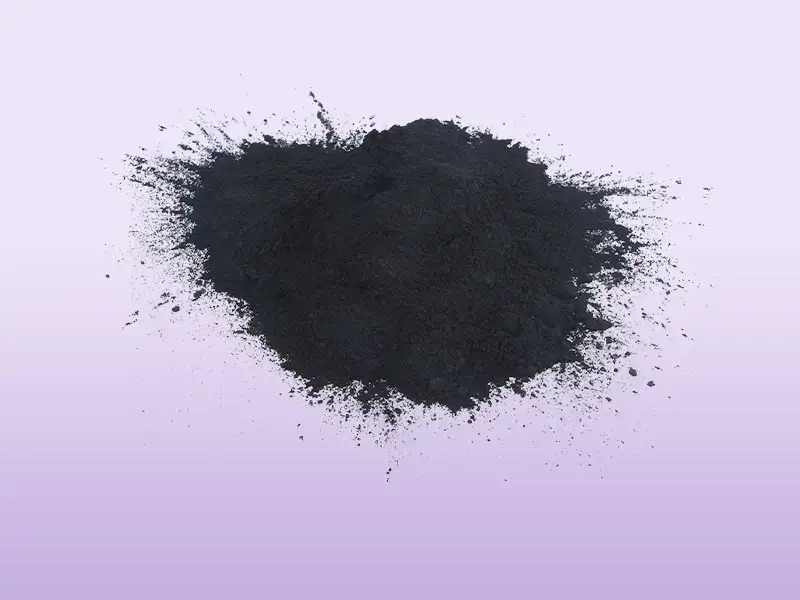
Carbon block filters are manufactured by compressing powdered activated carbon mixed with a thermoplastic binder into a solid cylindrical form under heat and pressure. The resulting structure has a very high density with effective pore sizes typically in the 0.5 to 5 micron range. This dense structure provides a dual filtration mechanism: chemical adsorption on the carbon surface and physical straining of particulates. The particulate straining capability is what gives certified carbon block filters their lead removal performance; lead particles released from corroded plumbing are physically trapped within the tight pore network. Carbon block filters are the dominant format for under-sink and countertop residential drinking water systems. Their main limitation is flow rate: the dense structure creates higher pressure drop than loose GAC, which restricts their use to point-of-use applications rather than whole-house installations.
Filter Lifespan, Breakthrough, and Replacement Considerations
Every activated carbon filter has a finite service life. As contaminants progressively occupy the available adsorption sites, the filter’s removal efficiency gradually declines until contaminants begin passing through at detectable concentrations, a point known as breakthrough. The time to breakthrough depends on the contaminant concentration in the feed water, the type and mass of carbon, the flow rate, and the specific contaminant’s affinity for carbon. For typical residential point-of-use filters treating municipally chlorinated water, replacement is recommended every three to six months, though PFAS or industrial VOC applications may require more frequent changes.
Understanding Breakthrough
Breakthrough is not a sudden event but a gradual transition. Engineers describe breakthrough curves that plot effluent contaminant concentration against either time or volume of water treated. The shape of this curve varies by contaminant: small, weakly adsorbed molecules produce a more gradual breakthrough, while larger, strongly adsorbed molecules can produce a relatively sharp front. The practical consequence is that monitoring a single surrogate parameter, such as chlorine, may not accurately predict breakthrough for other contaminants of concern. Facilities targeting multiple contaminants should conduct contaminant-specific monitoring or base replacement schedules on the most rapidly breaking through compound.
Chlorine breakthrough in residential filters often serves as a convenient indicator because chlorine can be detected by taste and odor, providing a sensory cue that the filter needs replacement. However, other contaminants may have broken through earlier. For this reason, the NSF/ANSI certification standards for carbon filters specify a rated capacity in gallons and require that performance claims be met across the full rated service life under standardized challenge conditions.
Factors Affecting Filter Life
Several operational factors influence how long a carbon filter will remain effective. Higher water temperature generally increases diffusion rates and can improve short-term adsorption kinetics, but it also increases the risk of biological growth within the filter. Higher contaminant concentrations consume capacity proportionally faster. Intermittent flow patterns, common in residential use, can allow some desorption of weakly bound contaminants during stagnation periods, slightly reducing net removal efficiency compared to continuous-flow laboratory testing. Water pH affects the speciation of some contaminants, which in turn affects their adsorbability; for example, the adsorption of some heavy metals is pH-dependent because the metal’s ionic form changes with pH. Finally, the presence of natural organic matter can compete with target contaminants for adsorption sites, a phenomenon known as competitive adsorption or NOM fouling, which can reduce the effective capacity for trace organics.
How to Select the Right Activated Carbon Filter for Your Application
Selecting the right activated carbon filter requires a systematic approach that begins with water quality testing to identify the specific contaminants that need to be removed. Once the contaminant profile is known, the selection criteria should include the carbon type best matched to those contaminants, the appropriate form factor for the intended flow rate and installation configuration, NSF/ANSI certification for performance claims, and a clear plan for monitoring and replacement. There is no single best activated carbon filter for all situations; the optimal choice is always application-specific.
Step-by-Step Selection Process
- Test your water. Conduct laboratory analysis to identify the specific contaminants present and their concentrations. Municipal water quality reports provide baseline information but may not capture point-of-use conditions or contaminants introduced by building plumbing.
- Match carbon type to contaminants. For VOCs, THMs, and chlorine taste and odor, coconut shell carbon with a high iodine number is generally optimal. For broader organic contaminant profiles including larger pesticide molecules, coal-based carbon provides more balanced performance. For PFAS removal, select a carbon type validated for PFAS with documented field performance data.
- Choose the form factor. For point-of-use drinking water with potential particulate lead, a certified carbon block filter provides both chemical and particulate removal. For whole-house treatment or commercial applications requiring higher flow rates, GAC systems are the practical choice. For seasonal or emergency treatment at a municipal scale, PAC dosing may be the most cost-effective approach.
- Verify certifications. Look for NSF/ANSI certification relevant to your contaminants of concern. NSF/ANSI 42 covers aesthetic effects including chlorine taste and odor. NSF/ANSI 53 covers health effects including lead, VOCs, and many other contaminants. NSF/ANSI 401 covers emerging contaminants including some pharmaceuticals. Certification ensures the filter has been tested by an independent laboratory to perform as claimed.
- Plan for maintenance. Establish a replacement schedule based on rated capacity, expected usage volume, and the contaminant most likely to break through first. Budget for replacement costs over the equipment’s expected lifespan.
Integration with Complementary Technologies
Activated carbon is frequently deployed as part of a multi-barrier treatment approach. A common residential configuration pairs a sediment pre-filter to protect the carbon from particulate loading, followed by the carbon stage for chemical removal, and optionally a reverse osmosis membrane for TDS and dissolved mineral reduction, with a final carbon polishing stage to remove any taste from the storage tank. UV disinfection may be added downstream of carbon filtration to address microbiological concerns. In industrial and municipal settings, activated carbon may be preceded by coagulation, flocculation, and sedimentation to reduce the organic load and extend carbon bed life. The key design principle is that activated carbon performs best when protected from excessive particulate loading and when deployed for the contaminant classes for which it is demonstrably effective.
Conclusion
Activated carbon remains one of the most important and versatile technologies available for water treatment. Its effectiveness against chlorine, VOCs, disinfection byproducts, pesticides, taste and odor compounds, and select heavy metals and PFAS is supported by decades of research and field validation. The EPA’s recognition of GAC as a Best Available Technology for numerous regulated organic contaminants underscores its standing in the water treatment industry. At the same time, a clear-eyed understanding of what activated carbon does not remove, including dissolved minerals, fluoride, nitrates, and microorganisms, is essential for making sound engineering decisions and avoiding misapplication.
The selection of carbon type, form factor, and system configuration should be guided by application-specific water quality data and performance requirements. Coconut shell carbon offers the highest capacity for small organic molecules, coal-based carbon provides versatility and mechanical durability, and carbon block filters add particulate removal capability. Regular monitoring and timely replacement are critical to maintaining performance and avoiding breakthrough, particularly for health-sensitive contaminants such as lead and PFAS.
For water treatment professionals and end users alike, activated carbon is not a universal solution but a powerful, targeted tool. When properly specified, installed, and maintained, it delivers reliable, cost-effective contaminant removal that protects public health and improves water quality across residential, commercial, and municipal applications.