
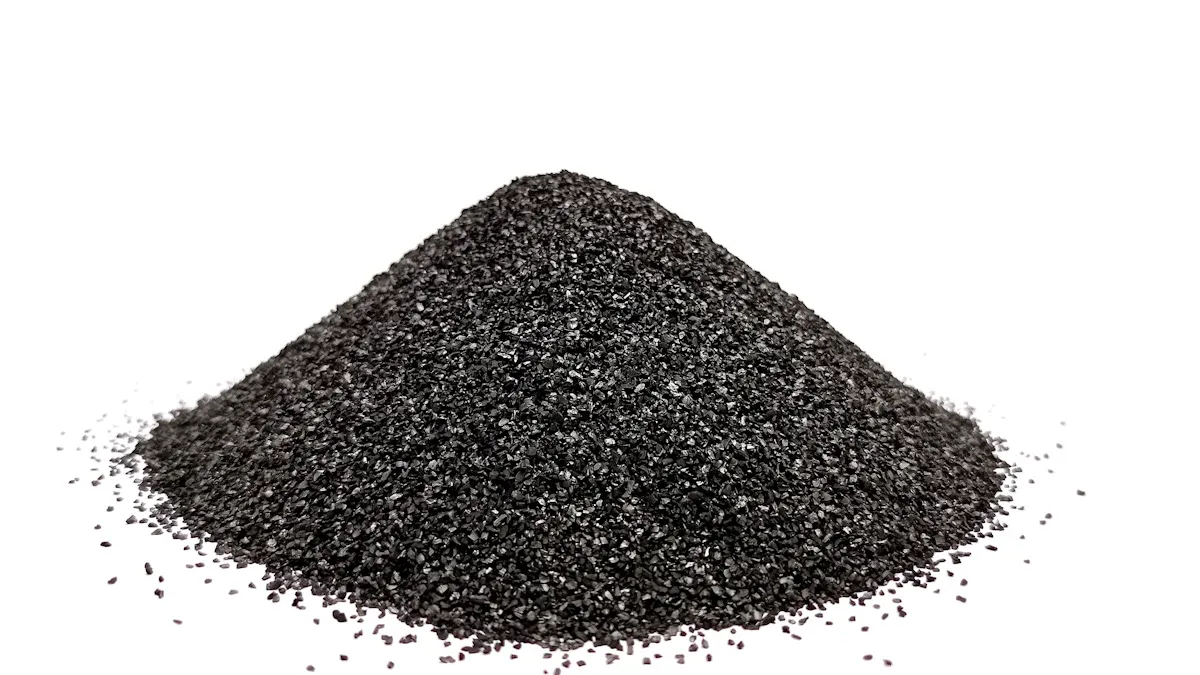
You find pelletized activated carbon in the shape of small cylinders. Typical sizes range from 0.9 mm to 8 mm, as shown in the table below:
Size (mm) |
|---|
0.9 |
1.5 |
2 |
3 |
4 |
5 |
6 |
8 |
You use this material for many purposes because it offers a high surface area, usually between 500 and 1,500 m² per gram. This feature helps you trap and remove impurities. You often see it used for:
Air purification
Water purification
Solvent recovery
Odor control
Catalysis
Removal of corrosive gases
Key Takeaways
Pelletized activated carbon is effective for air and water purification due to its high surface area, which helps trap impurities.
The uniform cylindrical shape of the pellets allows for better flow dynamics, reducing pressure drop in filtration systems.
You can regenerate pelletized activated carbon, restoring up to 90% of its adsorption capacity, which saves money and supports sustainability.
Choosing the right raw materials, like coconut shells or high-grade coal, is crucial for creating strong and effective activated carbon.
Pelletized activated carbon meets safety standards for drinking water, making it a reliable choice for various filtration applications.
Pelletized Activated Carbon: Definition
Unique Shape And Size
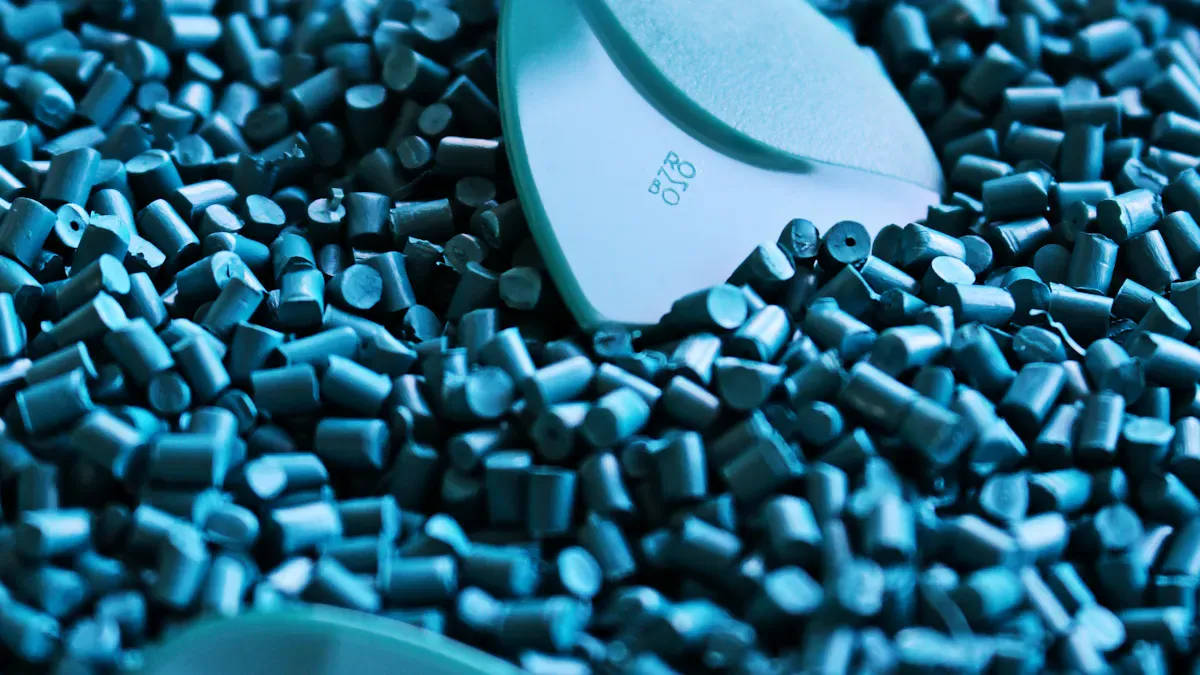
You notice that pelletized activated carbon stands out because of its uniform cylindrical shape. Each pellet usually measures between 0.8 and 5 mm in diameter. This shape gives you several advantages when you use it for filtration or purification. The pellets fit together neatly, which allows air or water to flow smoothly through a filter bed. You do not see large gaps or uneven spaces, so you get excellent flow dynamics and a low pressure drop. This means your system does not need to work as hard to move air or water through the carbon bed.
The table below highlights the main characteristics that make pelletized activated carbon unique:
Characteristic | Description |
|---|---|
Formation | Compressed into cylindrical pellets with diameters ranging from 0.8 to 5 mm. |
Flow Dynamics | Excellent flow dynamics due to uniform shape, ideal for low-pressure drop applications. |
Dust Content | Low dust content, which minimizes contamination in applications. |
Mechanical Strength | High mechanical strength, ensuring durability and longevity in use. |
Adsorptive Capacity | Effective in removing a variety of contaminants from air and gas streams. |
Reactivation | Environmentally responsible, can be reactivated through thermal oxidation for multiple uses. |
You benefit from the high mechanical strength of these pellets. They resist breakage, so you can use them for a long time without worrying about dust or loss of material. The developed pore structure inside each pellet gives you a large surface area. This structure helps you trap gases, odors, and organic compounds. You can also use pelletized activated carbon in harsh conditions because it stays stable under chemical and thermal stress.
Tip: You can regenerate pelletized activated carbon after it becomes saturated. This process restores up to 90% of its original adsorption capacity, which saves you money and supports sustainable practices.
Comparison With Other Activated Carbon Forms
You may wonder how pelletized activated carbon compares to other types, such as granular activated carbon (GAC) and powdered activated carbon (PAC). Each type has its own strengths and best uses.
Powdered activated carbon has a faster adsorption rate because it offers a larger surface area. You might choose PAC when you need quick removal of contaminants.
Granular activated carbon can hold more contaminants over time. Its internal pore structure is more developed, so it works well for long-term filtration.
Pelletized activated carbon gives you a balance between these two forms. It provides enhanced durability and reduced dust compared to granular forms. You get a high flow rate and minimal pressure drop, which is ideal for air and water treatment systems.
You also find that pelletized activated carbon excels in gas phase adsorption. It removes volatile organic compounds, odors, and harmful gases like ozone and nitrogen dioxide. Mechanical filters cannot capture these pollutants, but the porous structure of the pellets traps them effectively.
You can use pelletized activated carbon for multiple cycles because you can regenerate it using methods like thermal regeneration, steam stripping, or chemical washing. This feature reduces your operational costs and helps protect the environment.
Production Process
Raw Materials
You start with the right raw materials to make pelletized activated carbon. The quality of your final product depends on this first step. You can choose from a variety of sources, such as:
Lignite
Coconut husk
Bamboo
Wood
Peat
Petroleum pitch
By-products from the wood and food industry, like hardwood tars or corn syrup
You often see manufacturers use coconut shells or high-grade coal. These materials give you a strong structure and high adsorption capacity. You can also use plant-based substances, such as cellulose or starch, for specialty applications. The choice of raw material affects the pore structure and performance of your pelletized activated carbon.
Carbonization
You need to turn your raw material into a carbon-rich base. This step is called carbonization. You heat the material in an environment without oxygen. This process removes water, volatile compounds, and other impurities. You usually use temperatures between 800°C and 1,500°C. For most pelletized activated carbon, 800°C works well.
Here are the main steps you follow during carbonization:
Prepare your raw material by drying and grinding it into a fine powder.
Mix the powder with a binder to help form pellets later.
Heat the mixture in a furnace with an inert gas, such as nitrogen or argon.
Hold the temperature steady for about 30 minutes to ensure complete carbonization.
Note: The right temperature and holding time help you create a strong, porous structure. This structure is important for the next step—activation.
Activation
You need to activate the carbonized pellets to develop their pore structure. This step increases the surface area and makes the material highly adsorptive. You can choose between two main activation methods:
Activation Method | Key Characteristics | Best Applications |
|---|---|---|
Chemical Activation | Uses agents like phosphoric acid (H₃PO₄), zinc chloride (ZnCl₂), or potassium hydroxide (KOH). Carbonization happens at 400–800°C. This method gives you a high yield and a microporous structure. It works well for water treatment and food-grade uses. | Water treatment, food-grade applications |
Physical Activation | Follows carbonization with high-temperature steam (800–1000°C). You do not use chemicals, so there are no residues. This method creates a balanced mix of pore sizes and is better for air purification. | Air purification, flue gas treatment |
You select the activation method based on your application. Chemical activation gives you a higher surface area, sometimes up to 2,800 m²/g. Physical activation is cleaner and better for ultra-pure needs.
Pellet Formation
You form the pellets before or after activation, depending on the process. Here is how you make uniform pellets:
Grind the carbonized material into a fine powder.
Add a binder, such as coal tar pitch, lignosulfonates, or starch-based polymers. This helps the powder stick together.
Mix the powder and binder until you get a consistent blend.
Feed the mixture into an extruder. The extruder pushes the material through a die to create long, cylindrical shapes.
Cut the extruded material into short pellets, usually 1–5 mm in diameter.
Control moisture and binder content to prevent cracks during drying and activation.
You may use extra steps, such as spheronization, to round the pellets if needed. Uniform size and shape help you get even flow and consistent performance in your filters.
Tip: Consistent pellet size means your system works better and lasts longer. You avoid problems like uneven flow or pressure drops.
Pelletized activated carbon made with these steps gives you a strong, low-dust product with high adsorption capacity. You can use it for air and water purification, solvent recovery, and many other applications.
Properties
Surface Area And Activity
You rely on pelletized activated carbon for its impressive surface area and high activity. Each pellet contains a network of pores—micropores, mesopores, and macropores. These pores give you a large area for trapping contaminants. The surface also has special chemical groups, such as carboxyl (–COOH), that help attract and hold different pollutants. This makes the material very effective for air and water filtration. You can measure the surface area and activity using several methods. The table below shows common testing methods:
Testing Method | Description |
|---|---|
ASTM D4607 — 2014 | Measures the iodine number, which indicates adsorption capacity. |
Characterizes pore size distribution in all forms of activated carbon. | |
Brunauer, Emmett and Teller (BET) | Measures surface area by analyzing adsorbed inert gas. |
A high surface area means you can remove more impurities before needing to replace or regenerate the carbon.
Mechanical Strength
You want your activated carbon to last through many cycles of use. Mechanical strength plays a key role in this. Strong pellets resist breaking and crushing during handling, transport, and operation. This keeps the filter bed uniform and prevents blockages. You can test mechanical strength using the Ball-Pan Hardness Test. In this test, you drop pellets with steel balls from a set height and count how many survive without breaking. High scores mean better durability.
Strong pellets keep their shape and size.
They resist wear and tear during use.
You avoid the creation of fine particles that can clog your system.
Consistent pellet shape ensures steady flow and reliable performance.
A table below highlights why mechanical strength matters:
Aspect | Description |
|---|---|
Mechanical Strength | Stronger particles resist crushing and last longer. |
Attrition Resistance | Prevents breakdown under stress, keeping performance steady. |
Economic Implications | Fewer replacements lower costs and reduce waste. |
Handling And Use
You need to handle pelletized activated carbon with care to keep it working well. Always store it in a dry, sealed place. This prevents it from picking up moisture or unwanted chemicals from the air. Before you choose a carbon type, define the contaminants you want to remove and the level of purity you need. Work with trusted suppliers who provide detailed technical data and test results. Monitor your system often to know when the carbon needs changing. Consider the full lifecycle, including how often you will replace or regenerate the carbon.
Tip: Regular checks and proper storage help you get the best performance and longest life from your activated carbon.
Pelletized Activated Carbon: Applications
Vapor Phase Uses
You often use pelletized activated carbon to clean gases in the air. Its high surface area and strong adsorption help you remove harmful substances. You can see how it works in different vapor phase applications in the table below:
Application Type | Description |
|---|---|
Traps gaseous pollutants, removes VOCs, adsorbs odors, and is used in HVAC systems and cleanrooms. | |
Industrial Processes | Removes VOCs and heavy metals from exhaust and wastewater, reducing environmental impact. |
Solvent Recovery | Recovers solvents from air streams and prevents VOC release, saving money and protecting the air. |
You can measure how well the carbon works by looking at performance metrics. These include apparent density, total pore volume, and how well it removes chemicals like benzene and phenol. You also check how much butane it can hold and how it performs at high temperatures. These features make pelletized activated carbon a top choice for air cleaning systems.
Tip: You get better results when you match the pellet size and pore structure to the type of gas you want to remove.
Water Treatment
You use pelletized activated carbon to clean water in homes, factories, and cities. It removes chemicals, bad tastes, and odors. You must follow strict rules to keep water safe. The table below shows some important standards:
Regulatory Standard | Description |
|---|---|
EPA | Sets safety and performance rules for water treatment. |
NSF | Certifies products for public health and safety. |
EU | Controls water quality for the environment. |
ASTM D4607 | Gives test methods for activated carbon. |
NSF/ANSI 61 | Makes sure materials in drinking water are safe. |
You can trust pelletized activated carbon because it meets these standards. It works well in filters for drinking water, wastewater, and even swimming pools.
Industrial Applications
You find pelletized activated carbon in many industries. It helps you clean air and water, recover solvents, and protect the environment. The table below lists common uses and what you need for each one:
Application Area | Typical Performance Requirements |
|---|---|
Water Treatment | High adsorption, removes many contaminants, stays stable in different conditions. |
Air Purification | Targets certain pollutants, strong enough to handle tough jobs. |
Industrial Processes | Works with many chemicals, lasts through many cleaning cycles. |
You choose pelletized activated carbon because it has a large surface area and strong adsorption. It removes VOCs, heavy metals, and other pollutants. You also like that it can be used again after cleaning, which saves money and helps the planet.
Note: You can use pelletized activated carbon in many ways because it is strong, effective, and meets safety rules.
You see how pelletized activated carbon serves many industries. You use it for cleaning water, purifying air, and even in food and medicine. Its strong structure and high surface area make it reliable and effective. You find it in:
Water treatment plants
Air purification systems
Food and beverage processing
Pharmaceutical production
Automotive emission control
You can trust pelletized activated carbon for your filtration and purification needs. Its unique shape and manufacturing process give you strong performance every time.
FAQ
What makes pelletized activated carbon different from granular or powdered forms?
You get uniform pellets with low dust and high strength. These features help you handle and use the carbon easily. Pelletized carbon also gives you better flow and less pressure drop in filters.
Can you reuse pelletized activated carbon?
Yes, you can. You regenerate it by heating or washing. This process restores most of its adsorption power. You save money and reduce waste by reusing the pellets.
How do you store pelletized activated carbon?
Store your pellets in a dry, sealed container. Keep them away from strong odors and chemicals. Moisture and contaminants can lower their performance.
Is pelletized activated carbon safe for drinking water?
Yes, it is safe. You find it meets standards like NSF/ANSI 61 and EPA rules. You can use it in home and city water filters.
What industries use pelletized activated carbon the most?
Industry | Common Use |
|---|---|
Water Treatment | Removes chemicals, odors |
Air Purification | Traps gases, VOCs, odors |
Food & Beverage | Cleans liquids and gases |
Pharmaceuticals | Purifies ingredients |
You see it in many industries because it works well and lasts long.