
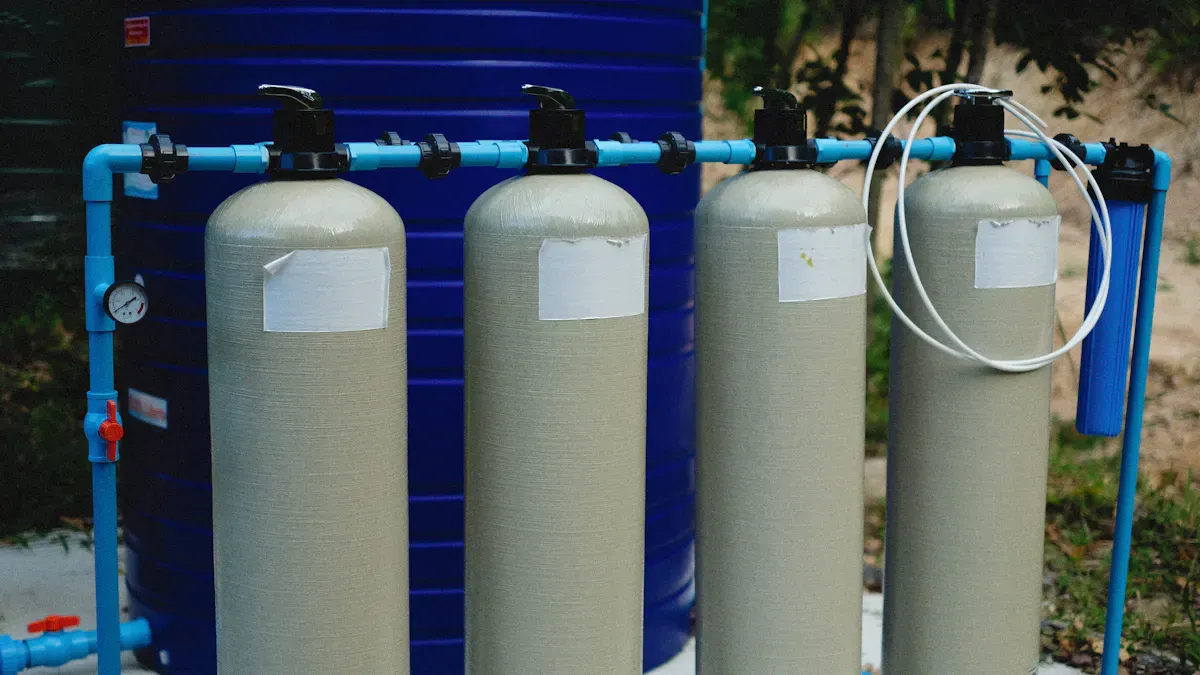
You use coconut shell based activated carbon for a wide range of applications because it offers high hardness, low dust, and comes from a sustainable source of activated carbon. This material stands out due to its high microporosity, durability, and exceptional adsorption capacity, making it especially effective in removing small molecules and organic pollutants.
Common uses include:
Air filtration
Industrial processes
Coconut shell based activated carbon also finds its way into food and beverage processing, precious metal recovery, catalyst support, and personal care. You often choose coconut shell activated charcoal over coal or wood types since it provides a purer product with low ash content and minimizes waste.
Application Area | Description |
|---|---|
Gas-phase adsorption | Used in refrigerators and deodorizers to adsorb harmful gases. |
Air purification | Removes odors and impurities from enclosed spaces. |
Emission control | Adsorbs harmful gases from industrial emissions and pollution sources. |
When you seek the benefits of activated carbon in your daily life, such as clean water or fresh air, coconut shell based activated carbon delivers reliable results. Its widespread use and growing market value reflect its trusted role as an effective and environmentally responsible solution. Many industries now rely on coconut shell activated charcoal because it supports both performance and sustainability.
Key Takeaways
Coconut shell activated carbon is a sustainable choice for water purification, effectively removing contaminants like chlorine and pesticides.
This material excels in air filtration, capturing harmful gases and odors, making it ideal for homes and industries.
Coconut shell activated carbon enhances food and beverage safety by removing unwanted flavors and impurities, meeting strict health standards.
Using coconut shell activated carbon supports environmental sustainability by reducing waste and energy consumption compared to coal-based options.
In personal care, coconut shell activated carbon detoxifies skin and improves oral health, but should be used carefully to protect enamel.
Water Purification with Coconut Shell Activated Carbon
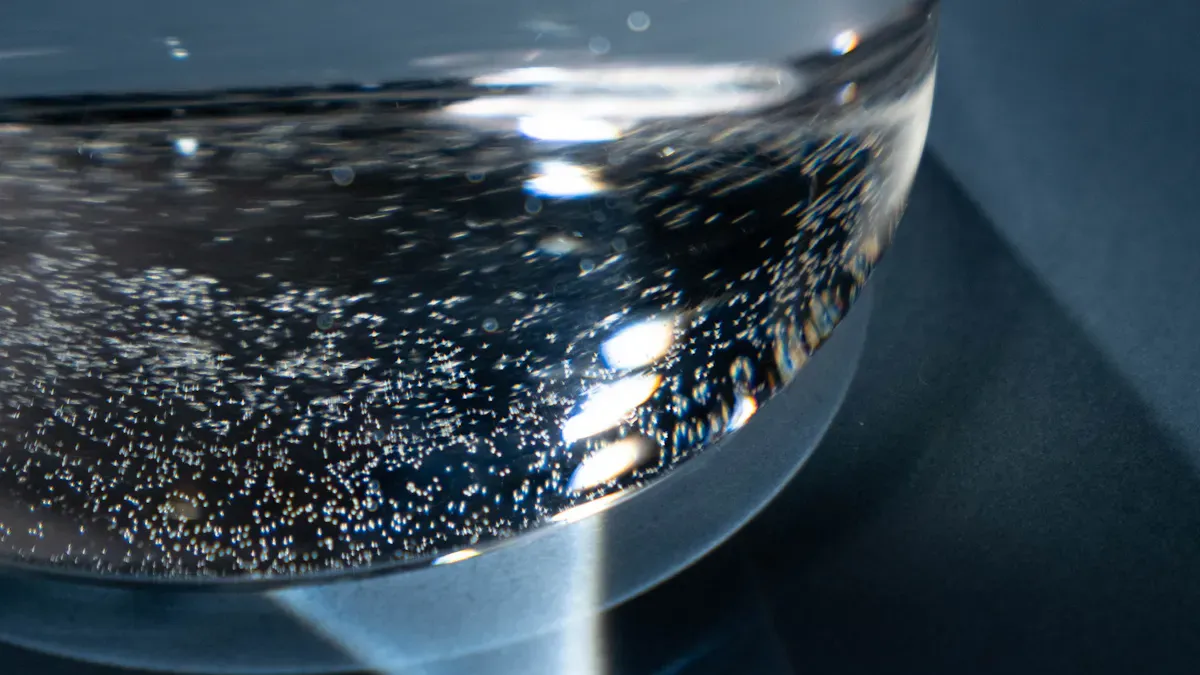
Coconut shell activated charcoal plays a vital role in water purification. You can find it in many water filtration systems because it offers high hardness, low dust, and strong adsorption power. This material helps you achieve the purity of water needed for safe drinking, clean wastewater, and high-quality food and beverage products. Its unique structure allows it to trap a wide range of contaminants, making it an effective filtering method for many industries and homes.
Drinking Water Treatment
You rely on coconut shell activated charcoal to make your drinking water safe and pleasant. It removes harmful contaminants and improves taste and odor. Many homes and businesses use this material in point-of-use and point-of-entry water filtration systems. Municipal water treatment plants and bottled water companies also depend on it for purifying drinking water.
Application | Contaminants Removed | Common Use Cases |
|---|---|---|
Water Filtration | Chlorine, chloramines, pesticides, herbicides, VOCs, sediment, trihalomethanes | Residential water filters, reverse osmosis pre-treatment, bottled water production |
Removes unpleasant tastes and odors, making water more enjoyable to drink
Used in both home and commercial water filtration systems
Preferred over sand filtration for higher efficiency and lower environmental impact
Common in municipal water treatment and bottled water production
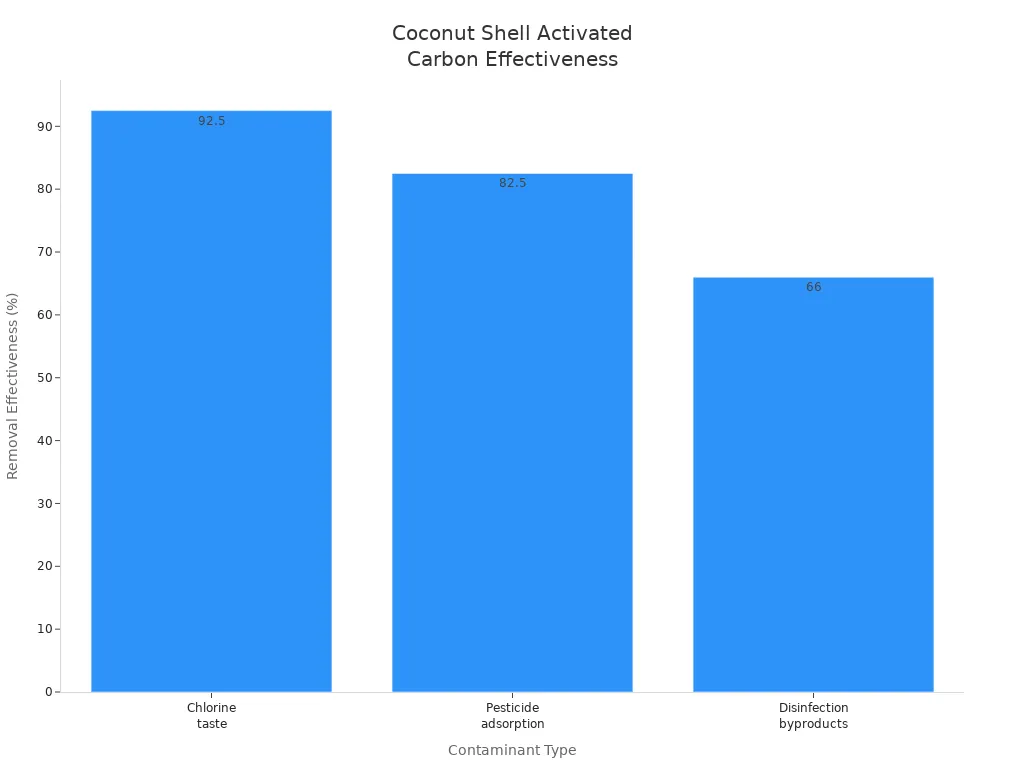
You benefit from its high effectiveness in removing chlorine, pesticides, and other contaminants. Studies show that coconut shell activated carbon can reduce chlorine taste by up to 95% and remove up to 85% of pesticides from water. It also helps lower the amount of disinfection byproducts, which can be harmful if left untreated.
Study Focus | Effectiveness | Source |
|---|---|---|
Removal of chlorine, VOCs, and odor-causing molecules | High efficacy due to uniform pore distribution | |
Reduction of chlorine taste in household filters | 90-95% reduction reported by users | |
Pesticide adsorption from agricultural runoff | 80-85% effectiveness as per a WHO-funded pilot | |
Removal of heavy metals (lead, mercury, etc.) | Strong interactions through ion exchange and complexation | Inside Coconut Shell Carbon Activated: Technical Details, Quality Standards, and Applications |
Reduction of disinfection byproducts | Nearly two-thirds reduction in a Florida town’s water system |
You can trust coconut shell activated charcoal for purifying drinking water because it delivers high purity and safety. Its low ash content means fewer unwanted chemicals in your water.
Wastewater Purification
Coconut shell activated charcoal is also important for cleaning wastewater. You can use it to remove heavy metals and organic pollutants from industrial and municipal wastewater. This process protects the environment and helps you meet strict water quality standards.
Removes about 94% to 97% of heavy metals like lead, copper, and cadmium from wastewater
Offers strong performance in acidic waste streams due to low ash content (below 3%)
Reduces the risk of chemical leaching back into treated water
You get better results with coconut shell activated carbon compared to other types. Its high adsorption capacity and low ash content make it more effective and safer for wastewater purification. This means cleaner water leaves factories and treatment plants, helping you protect rivers and lakes.
Food and Beverage Applications
You find coconut shell activated charcoal in many food and beverage processing plants. It helps you achieve the purity and quality needed for products like sugar, edible oils, juices, and alcoholic drinks. This material removes unwanted colors, flavors, and contaminants, making your products safer and more appealing.
Description | |
|---|---|
Decolourization | Removes unwanted pigments and impurities from sugar syrups, edible oils, and juices. |
Contaminant Removal | Eliminates residual solvents, pesticides, and off-flavours from alcoholic beverages like vodka, rum, and wine. |
Decaffeination | Used in the decaffeination of coffee and in the production of soft drinks and bottled water. |
Compliance | Meets food-grade standards such as FCC and EU regulations. |
Quality Enhancement | Improves taste, aroma, and shelf life while preserving the natural profile of food products. |
Coconut shell activated carbon used in food and beverage industries must meet strict food-grade standards, such as the Food Chemicals Codex (FCC) and European Union regulations. You can feel confident in the safety and quality of your products because this material is processed to meet high health and safety standards. Certifications from authorities like the FDA and EFSA ensure that you use only the best materials for water purification in food production.
Tip: When you choose coconut shell activated charcoal for water purification, you support both product quality and environmental sustainability.
Air Filtration and Industrial Uses

Coconut shell activated charcoal stands out as a top choice for filtering air and treating industrial gases. You benefit from its high hardness, low dust, and renewable origin. These features make it a reliable material for many air purification systems and industrial processes. You will see how this material works in air and gas purification, emission control, and as a catalyst support.
Air and Gas Purification
You use coconut shell activated charcoal in many air purification applications. It captures harmful gases and odors from homes, factories, and medical facilities. The high surface area and fine pore structure allow it to trap pollutants through gas-phase adsorption. This means you get cleaner air and a safer environment.
Mechanism | Description |
|---|---|
Adsorption | Coconut shell activated charcoal captures various air pollutants through adsorption due to its high surface area and porosity. |
Pore Structure | The fine pore structure enables selective adsorption, enhancing its effectiveness in removing specific pollutants. |
Applications | It is widely used in residential, industrial, and medical-grade filtration systems for air purification. |
You can rely on coconut shell activated charcoal to remove volatile organic compounds (VOCs), hydrogen sulfide, sulfur dioxide, nitrogen oxides, and odor compounds from air streams. Many biogas plants, HVAC units, and industrial exhaust systems use this material for gas-phase adsorption. In a recent study, face masks with coconut shell activated charcoal showed strong results in removing carbon monoxide and hydrocarbons from exhaust gases. The powdered form gave the highest chemical adsorption efficiency.
Removes VOCs, H₂S, SO₂, NOx, and odors from air
Used in biogas treatment, industrial exhaust, and HVAC filters
You get an effective solution for air purification that also supports sustainability. The high hardness and low dust mean you spend less time on maintenance and replacement.
Industrial Emission Control
You face strict rules for controlling emissions in many industries. Coconut shell activated charcoal helps you meet these standards by removing harmful gases and chemicals from exhaust streams. Its durability and strong adsorption power make it a smart choice for emission control.
Application | Benefit |
|---|---|
Air purification | Removes volatile organic compounds (VOCs), odors, and harmful gases from exhaust streams. |
Heavy metal removal | Excels in removing toxic heavy metals from water, ensuring regulatory compliance. |
Hydrogen sulfide elimination | Prevents engine corrosion and enhances energy production efficiency. |
Solvent recovery | Adsorbs residual organics from vapor streams, reducing emissions and enabling recycling. |
Longevity and durability | Outperforms other activated carbons, reducing replacement frequency and operational costs. |
You can see why coconut shell activated charcoal is preferred over coal or wood-based options. It offers high efficiency in gas-phase adsorption, especially for small molecules. The renewable nature of coconut shells also makes it a more sustainable choice.
Advantage | Coconut Shell Activated Carbon | Coal-Based Activated Carbon | Wood-Based Activated Carbon |
|---|---|---|---|
Renewability | Yes | No | No |
Efficiency in Adsorbing Small Molecules | High | Moderate | Moderate |
Long-term Performance and Durability | High | Low | Moderate |
You get longer-lasting filters and lower operational costs. This means you protect the environment and save money at the same time.
Tip: Choose coconut shell activated charcoal for emission control if you want a solution that is both effective and environmentally friendly.
Catalyst Support Applications
You find coconut shell activated charcoal used as a support for catalysts in chemical manufacturing. Its high surface area and microporous structure give you a stable base for metals like nickel and platinum. This helps you achieve better results in reactions such as hydrotreating.
High surface area
Microporous structure
Low oxygen content
Suppresses metal sintering on a carbon support
Coconut shell-based activated carbon (CSAC) has been recognized as a promising support material for catalysts, particularly in hydrotreating processes. The study highlights that CSAC exhibits a low oxygen content, which is beneficial in suppressing metal sintering, a common issue when using carbon supports. This characteristic enhances the stability and dispersion of metals like Ni and Pt when used in catalytic applications.
You get a reliable and effective material for catalyst support. The low dust and high durability mean you can use it in demanding industrial processes without frequent replacement. This makes coconut shell activated charcoal a smart choice for many chemical plants.
Medical and Personal Care Applications
Respirators and Pharmaceutical Uses
You see coconut shell activated charcoal in many medical products. It plays a key role in respirators, helping you filter out harmful gases and particles. You use it in emergency poison treatments, where it binds toxins in your stomach and stops them from entering your blood. This method works well for poisons like paracetamol and aspirin. You also find coconut shell activated charcoal in medical-grade water filtration systems. These systems give you safe water for dialysis and pharmaceutical manufacturing. In pharmaceutical production, you rely on activated carbon to purify antibiotics and other medicines by removing pyrogens and solvents.
Emergency poison treatment
Medical-grade water purification
Purification of antibiotics and medicines
Detoxification and Skincare
You use coconut shell activated charcoal in many skincare products. It helps you remove dirt, oil, and environmental pollutants from your skin. You find it in detoxifying tablets and cleaning agents. This material adsorbs impurities, unclogs pores, and prevents acne. You also see it in deodorants, where it controls odors and keeps your skin fresh. Coconut shell activated charcoal promotes detoxification and digestive health by removing toxins from your skin and body.
Benefit | Application in Skincare and Detoxification |
|---|---|
Removes pollutants, dirt, and oil, unclogs pores, prevents acne | |
Odor Control | Adsorbs odor-causing substances in deodorants |
Detoxification | Removes toxins, promotes skin health |
You should know that while coconut shell activated charcoal is popular in cosmetics, clinical studies show limited evidence for its safety and effectiveness in treating skin conditions. More research is needed to confirm these claims.
Oral Care Products
You use coconut shell activated charcoal in toothpaste and mouthwash. It binds toxins and removes tartar and stains from your teeth. This material helps you combat bad breath. A study in 2011 showed that activated carbon reduced odor in people with trimethylaminuria. You find coconut shell activated charcoal in dental care since ancient times, with Greeks and Romans using it for cleaning teeth. Research in the Journal of Applied Oral Science (2019) found charcoal toothpaste effective for whitening. However, you should use it carefully. Its abrasiveness can wear down enamel and cause sensitivity.
Benefit | Evidence |
|---|---|
Absorbing Toxins | Activated carbon binds and removes toxins, which cause tooth decay and bad breath |
Combatting Bad Breath | Activated carbon reduces odor in individuals with trimethylaminuria |
Teeth Whitening | Charcoal toothpaste is effective for whitening, but may not whiten below the enamel |
You get many benefits from coconut shell activated charcoal in oral care, but you should use it in moderation to protect your enamel.
Precious Metal Recovery and Other Uses
Gold Absorption
You can use coconut shell activated carbon to recover gold from ore. Many miners choose this material because it offers durability and high adsorption efficiency. The process involves several steps:
Leaching Stage: You treat gold ore with sodium cyanide in an oxygenated alkaline environment. This forms a soluble gold-cyanide complex.
Adsorption Stage: You add activated carbon to the leaching tank in the Carbon in Pulp (CIP) method. The carbon adsorbs the gold-cyanide complex. In the Carbon in Leach (CIL) method, leaching and adsorption happen at the same time.
Desorption and Regeneration: You wash the gold-loaded carbon with acid. Then, you use high temperature and pressure with a NaOH and NaCN solution to release the gold. Electrolytic deposition produces pure gold, and you recycle the activated carbon.
Coconut shell activated carbon achieves a maximum gold adsorption rate of about 87.11% under optimal conditions. You get better results in CIP and CIL processes because the unique pore structure enhances gold recovery.
Organic Impurity Removal
You rely on coconut shell activated carbon for purification to remove impurities in many industries. Its high surface area and microporous structure help you capture harmful organic molecules. You find this material in filtration systems for drinking water and gas streams. It removes organic compounds, chlorine, odors, and volatile organic compounds (VOCs). You use it in industrial exhaust treatment and air purification. The extensive adsorptive surface area allows you to trap VOCs and odor-causing molecules. You benefit from its unique properties, which provide many sites for adsorption and chemical reactions.
Environmental Benefits
You support the environment by choosing coconut shell activated carbon. This material comes from agricultural waste, making it renewable. You reduce landfill waste and minimize ecological disturbance. The production process uses less energy and creates fewer emissions than coal-based alternatives.
Coconut shell activated carbon saves up to 78% energy compared to coal-based carbon.
It cuts carbon emissions by 75% when compared to coal-based options.
You contribute to a circular economy by using coconut shells.
A life cycle assessment shows that coconut shell activated carbon production uses less energy and natural resources. Using renewable energy sources can further reduce human toxicity and global warming impacts.
You make a sustainable choice that benefits both industry and the planet.
You can see how coconut shell based activated carbon works in many industries. It cleans water, purifies air, and helps make food, medicine, and electronics safer. The table below shows its value in different areas:
Application Area | Key Benefits |
|---|---|
Water Treatment | Removes pollutants with high porosity |
Air Purification | Captures VOCs and odors efficiently |
Food Processing | Improves taste and safety of products |
Pharmaceuticals | Filters out impurities in drug manufacturing |
Electronics | Purifies process water |
You choose coconut shell carbon because it comes from renewable resources, uses less energy, and keeps working after many uses. For best results, match the carbon’s size to your needs, rinse before use, and store it in a dry place. If you want to learn more, try sample testing or ask your supplier for advice.
FAQ
What makes coconut shell activated carbon better than coal-based carbon?
You get higher purity and lower ash content with coconut shell activated carbon. It comes from a renewable source and offers strong adsorption for small molecules. You also help the environment by choosing a sustainable material.
Can you use coconut shell activated carbon for drinking water?
Yes, you can use it for drinking water. It removes chlorine, pesticides, and bad odors. Many home and municipal water filters use coconut shell activated carbon because it is safe and effective.
Is coconut shell activated carbon safe for food and personal care?
You can trust coconut shell activated carbon in food and personal care products. It meets strict safety standards. You find it in toothpaste, skincare, and food processing because it is non-toxic and food-grade.
How do you store coconut shell activated carbon?
You should keep it in a dry, cool place. Use an airtight container to prevent moisture and odors from affecting its performance. Proper storage helps you maintain its effectiveness.
Can you reuse coconut shell activated carbon?
You can sometimes reuse it after cleaning or reactivating it. However, its adsorption power drops after each use. For best results, you should replace it when you notice reduced performance.