
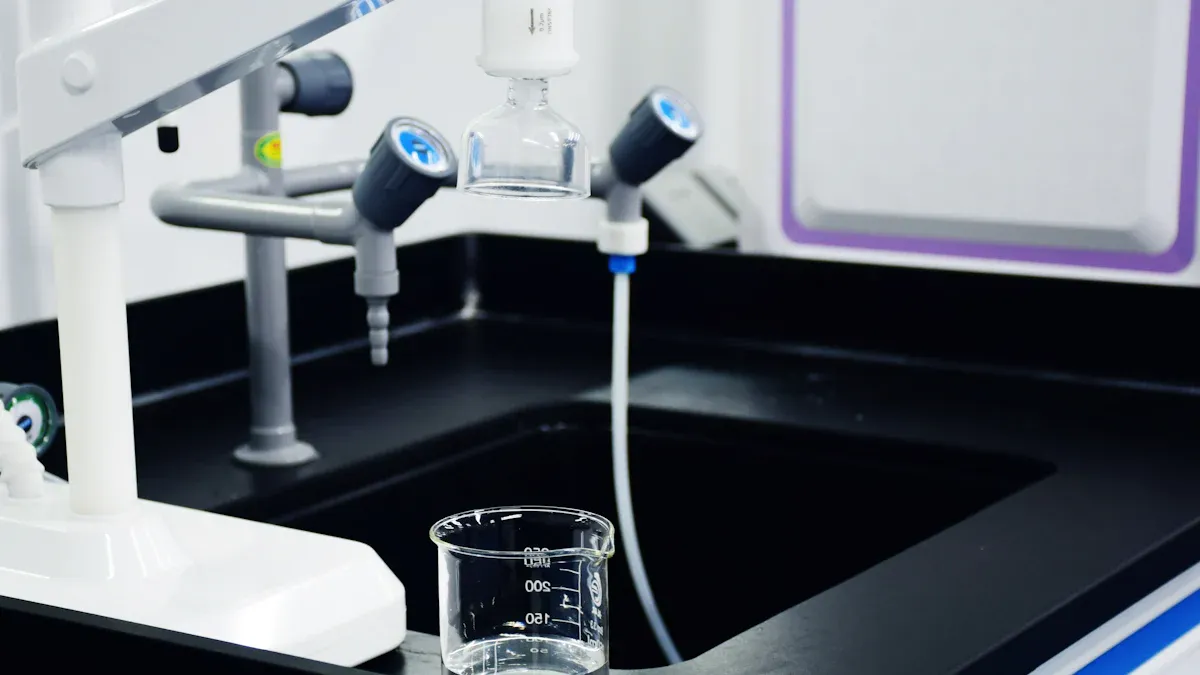
You want your drinks to taste great and stay safe. Beverage Activated Carbon helps you reach that goal. This special material cleans drinks by removing unwanted colors, odors, and impurities. When you choose a drink, you care about taste, health, and quality. Recent studies show that 88% of people pick drinks for their taste. Many also look for healthy and sustainable options.
Consumer Focus | Details |
|---|---|
Taste | 88% of people say taste is most important when buying a drink. |
Health and Personalization | More people want drinks that fit their health needs and personal choices. |
Sustainability | People often pay more for drinks with high-quality ingredients and eco-friendly packaging. |
Key Takeaways
Beverage Activated Carbon cleans drinks by removing unwanted colors, odors, and impurities, enhancing taste and safety.
Activated carbon can remove over 99.9% of harmful substances, ensuring your drinks are not only tasty but also safe to consume.
Different types of activated carbon, like Granular and Coconut Shell, offer unique benefits for various beverages, improving quality and sustainability.
Using activated carbon in drinks helps meet health standards and consumer demands for high-quality, eco-friendly options.
You can trust that beverages filtered with activated carbon provide a consistent taste and fresh aroma, making your drinking experience enjoyable.
Beverage Activated Carbon Overview
Definition and Properties
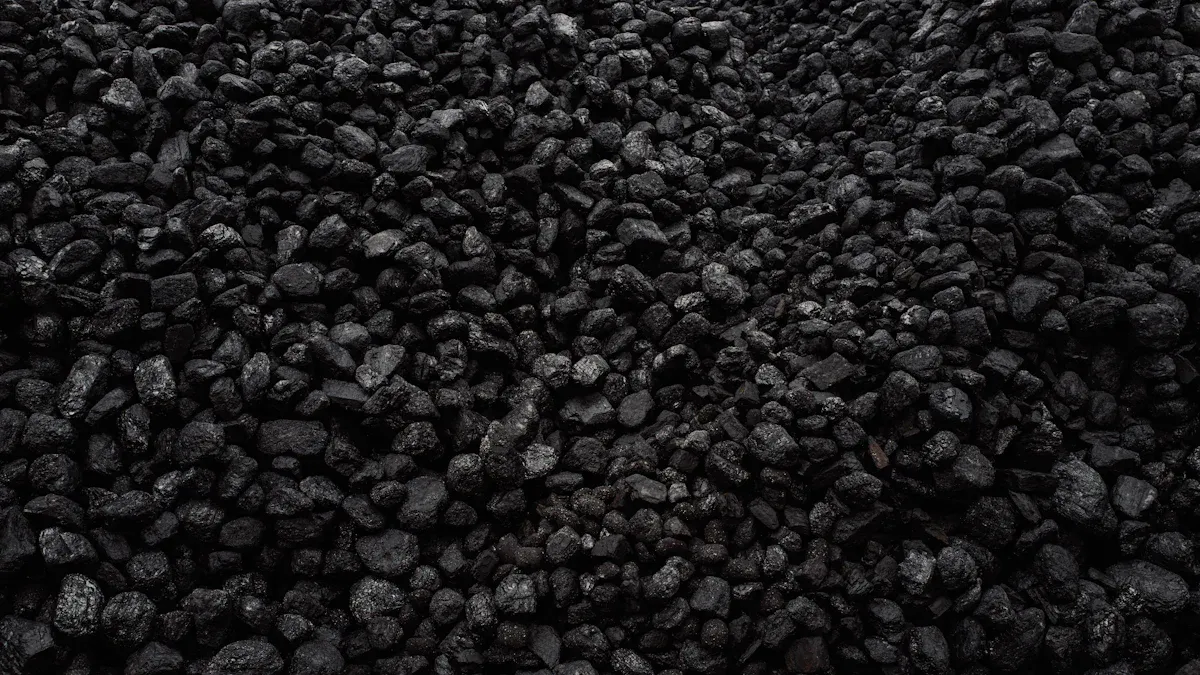
You encounter Beverage Activated Carbon in many drinks you enjoy. This material acts as a powerful filter, helping remove unwanted colors, odors, and impurities. You can find it in fruit juices, soft drinks, and alcoholic beverages. Its unique structure gives it a large surface area and many tiny pores. These features allow it to trap pollutants and improve drink quality.
Did you know? Filters using Beverage Activated Carbon can remove over 99.9% of residual chlorine and organic matter from liquids.
Here is a table showing the main properties that set Beverage Activated Carbon apart from other filtration materials:
Property/Characteristic | Description |
|---|---|
Impurity Removal | Removes color and odor, ideal for juices, alcoholic drinks, and soft drinks. |
Structural Features | Large surface area and tortuous pores hold pollutants effectively. |
Efficiency | Achieves over 99.9% removal of chlorine and organic matter. |
You see Beverage Activated Carbon used in processing fruit juices, purifying vodka and whiskey, and removing impurities that affect taste and odor. The global market for activated carbon reached USD 7.45 billion in 2024. Health consciousness and environmental regulations drive its growth.
Types Used in Beverages
You can choose from several types of activated carbon for beverage production. Each type offers unique benefits:
Type of Activated Carbon | Key Characteristics |
|---|---|
Granular Activated Carbon (GAC) | Versatile, strong, reusable, and cost-effective. |
Powdered Activated Carbon (PAC) | Fast adsorption, flexible dosing, lower investment, and high utilization rate. |
Coconut Shell Activated Carbon | Abundant microporosity, ideal for removing small molecule contaminants. |
Granular Activated Carbon works well in both liquid and gas treatments.
Powdered Activated Carbon lets you adjust the amount based on contaminant levels.
Coconut Shell Activated Carbon targets trace contaminants and small molecules.
You notice that Beverage Activated Carbon cannot remove all contaminants, such as sodium, microbes, fluoride, or nitrates. Heavy metals like lead need special treatment. Producers must invest in filtration systems and maintain them to keep drinks safe and tasty.
How Beverage Activated Carbon Works
Adsorption Mechanism
You can see how Beverage Activated Carbon cleans drinks by looking at the adsorption process. Adsorption means that unwanted molecules stick to the surface of the carbon instead of staying in your drink. The structure of activated carbon gives it many tiny pores and a huge surface area. This makes it very good at trapping impurities.
The adsorption process happens in four main steps:
Molecules from your drink move toward the surface of activated carbon because of convection in water.
These molecules pass through a thin liquid film and enter the large pores of the carbon.
Surface diffusion carries the molecules deeper into the micropores.
The molecules finally attach to the surface inside the pores of the activated carbon.
Tip: The more surface area and pores the activated carbon has, the more impurities it can trap.
Scientists have tested different types of activated carbon to see how well they remove contaminants. Here is a summary of one study:
Study Title | Findings | Contaminants Removed |
|---|---|---|
Synthesis and Application of Activated Carbon from Pecan Nutshells | Showed strong removal of inorganic contaminants like copper and nitrate, and organic contaminants such as atrazine and metolachlor. | Copper, Nitrate, Atrazine, Metolachlor |
You benefit from this process because it helps make your drinks safer and tastier.
Impurity and Odor Removal
You want your drinks to smell fresh and taste clean. Beverage Activated Carbon removes many impurities and odors that can spoil your drink. It targets both organic and inorganic contaminants. Some impurities cause bad smells or poor taste. Others can affect the color of your beverage.
Here are some common impurities and odors removed during beverage processing:
Impurity/Odor | Source/Description |
|---|---|
Responsible for a rotten egg smell | |
Organic impurities | Contribute to poor taste and odor in beverages |
Impurity/Odor | Source/Description |
|---|---|
Sulfur compounds | Cause unpleasant odors in wine production |
You notice that Beverage Activated Carbon works well in removing these unwanted compounds. It helps make fruit juices, soft drinks, and alcoholic beverages clearer and more appealing. You get drinks with better taste, improved aroma, and safer quality.
When you choose a drink, you can trust that Beverage Activated Carbon has played a key role in making it enjoyable.
Benefits in Beverages
Color and Clarity Improvement
You want your drinks to look bright and clear. Beverage Activated Carbon helps you achieve this by removing substances that cause cloudiness and unwanted colors. When you drink juice or a soft drink, you expect a fresh appearance. This material removes tannins and polyphenols that make drinks brown or dull. It also plays a key role in wine and spirit production by taking out off-colors while keeping the flavor the same.
Removes tannins and polyphenols that cause browning in juices.
Improves clarity in wines and spirits without changing taste.
Delivers clear, bright drinks and syrups that attract you as a consumer.
Tip: Clear drinks often signal freshness and high quality.
Taste and Odor Refinement
You care about how your drink smells and tastes. Activated carbon removes odors and flavors that do not belong in your beverage. It traps molecules that cause bad smells, leaving your drink with a clean aroma. You get a consistent taste every time you buy your favorite juice or soda.
Removes sulfur compounds and other odor-causing substances.
Keeps the natural flavor of the beverage.
Ensures every bottle tastes the same.
Safety and Quality Assurance
You want your drinks to be safe. Activated carbon helps remove harmful substances like pesticides, heavy metals, and aflatoxins. It also helps producers meet strict safety standards. You can see how different rules protect you:
Description | |
|---|---|
NSF/ANSI Standard 61 | Makes sure carbon does not add harmful substances to your drink. |
FDA 21 CFR §177.1555 | Approves carbon for direct contact with food and drinks. |
EU Regulation (EC) No 1935/2004 | Confirms safety for food contact in Europe. |
Laboratory tests show that activated carbon removes many dangerous contaminants:
Contaminant Type | Examples Removed |
|---|---|
Pesticides | Chlordecone, Chlordane, Heptachlor, Lindane, Glyphosate |
Heavy Metals | Lead, mercury, and other metals |
Aflatoxins | Harmful toxins found in some foods and drinks |
You can trust that your beverage is not only tasty and clear but also safe to drink.
Applications in the Industry
Water Purification
You want your water to taste fresh and smell clean. Many people care about these qualities. Over 75% of consumers say taste and odor matter most when they choose tap water. You see more homes using water filters and cities upgrading their treatment plants. Beverage Activated Carbon plays a big role in these changes. It removes chemicals and odors that make water unpleasant. You get water that is pure and safe to drink. This process also helps companies meet strict safety rules.
Note: When you use water treated with activated carbon, you notice a big difference in taste and smell.
Use in Juices and Soft Drinks
You enjoy juices and soft drinks that look bright and taste sweet. Producers use activated carbon to remove colors and flavors that do not belong. This step makes your drink clear and tasty. You find that coconut shell-based activated carbon is becoming more popular. It is better for the environment and works well for premium drinks. Companies want to offer you safe and high-quality options. You see more brands using clean-label methods that avoid harsh chemicals.
Removes unwanted colors and off-flavors
Supports eco-friendly and premium beverage trends
Role in Alcoholic Beverages
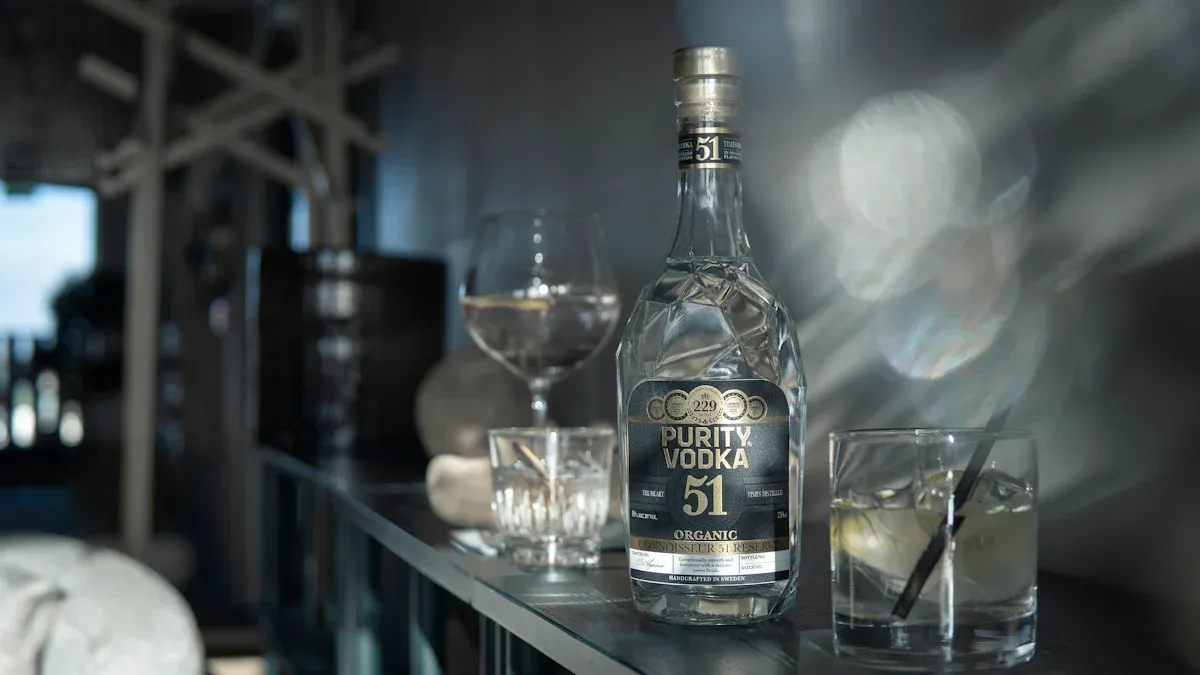
You expect your wine, beer, or spirits to taste smooth and pure. Activated carbon helps producers reach this goal. It removes toxins and harsh compounds that can spoil the flavor. You get a drink that is safe and easy to enjoy. Many brands use this method to support organic and clean-label products. You can see the main benefits in the table below:
Benefit | Description |
|---|---|
Improves purity and safety in beverage production. | |
Detoxifying Spirits | Removes toxins and makes drinks smoother. |
Supporting Clean-Label Trends | Offers a chemical-free way to purify, fitting organic and clean-label needs. |
You notice that the market is changing. More companies use coconut shell-based carbon for its green benefits. Premium drinks use high-performance carbon to meet your demand for purity and safety.
You see how beverage activated carbon makes your drinks safer, clearer, and tastier. It removes unwanted colors, odors, and impurities. You benefit from high-efficiency decolorization, odor removal, and improved stability. The table below shows key uses in the beverage industry:
Practical Use | Description |
|---|---|
High-efficiency decolorization | Improves color and clarity of syrups and beverages. |
Odor removal | Enhances flavor purity in mineral water and fruit juices. |
Stability improvement | Reduces turbidity and adsorbs colloids for better beverage stability. |
Impurity removal | Adsorbs pesticide residues and heavy metals for safer drinks. |
You can explore more about beverage technology to understand how your favorite drinks stay fresh and safe.
FAQ
Is beverage activated carbon safe for you to consume?
Yes, you can trust beverage activated carbon. Food safety agencies like the FDA and NSF approve it for use in drinks. It does not dissolve or add harmful substances to your beverage.
Does activated carbon change the taste of your drink?
You will not notice any unwanted flavors from activated carbon. It removes bad tastes and odors but keeps the natural flavor of your drink. You get a cleaner, fresher taste.
Can you use activated carbon at home to filter drinks?
You can use activated carbon filters in water pitchers or home filtration systems. These filters help remove chlorine, odors, and some impurities. Always follow the manufacturer’s instructions for best results.
Is beverage activated carbon environmentally friendly?
Many producers use coconut shell-based activated carbon.
This type comes from renewable resources.
You help reduce waste and support eco-friendly choices when you pick drinks filtered with this material.