
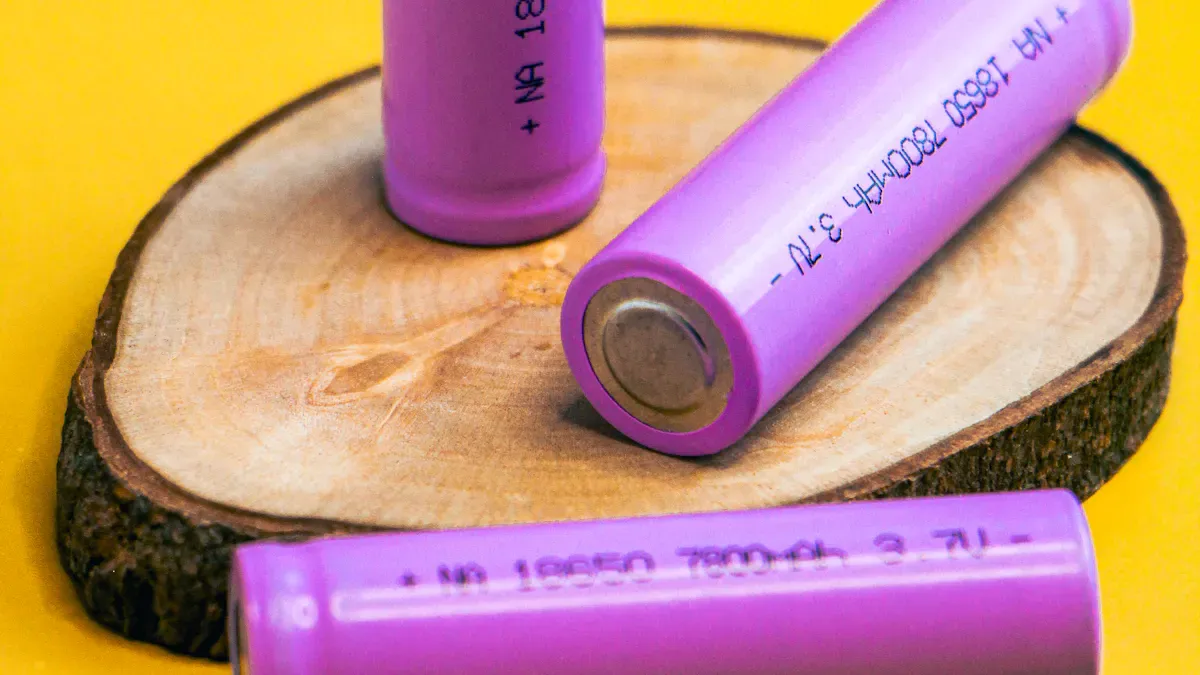
When you use an activated carbon lithium battery, you get more power and longer life for your devices. Activated carbon contains a large number of tiny pores and a big surface area, so it helps the battery store more energy and last longer. You also benefit from better safety and stronger battery parts. Many scientists now focus on making batteries with eco-friendly materials, like recycled metals and renewable energy. These changes help protect the environment and reduce waste from old batteries.
Key Takeaways
Activated carbon lithium batteries provide more power and longer life for your devices due to their large surface area and tiny pores.
Using activated carbon improves battery performance by increasing energy density and allowing faster charging, making your devices more efficient.
Choosing batteries made from biomass-derived activated carbon, like coconut shells, supports sustainability and reduces environmental impact.
Activated carbon enhances the stability and capacity of rechargeable lithium-sulfur batteries, leading to longer battery life and better performance.
These batteries are ideal for consumer electronics and electric vehicles, offering high discharge rates and strong capacity retention.
Activated Carbon in Lithium-Ion Batteries
Role and Function
You can find activated carbon used as an anode material in lithium-ion batteries. This material has a special structure with many tiny pores and a large surface area. These features help the battery store more lithium ions, which means you get more energy for your devices. When you use activated carbon in the anode, you also improve the movement of lithium ions. This makes the battery charge faster and last longer.
Activated carbon increases the diffusion rate of lithium ions.
It boosts the storage capacity for lithium ions, so your battery holds more energy.
The material gives high conductivity and stability, which helps your battery work better and last longer.
If you compare different types of carbon materials, you can see how activated carbon stands out. The table below shows how various carbon sources perform in lithium-ion batteries:
Type of Carbon | Capacity (mAh.g−1) | Efficiency (%) | Cycling Stability (Cycles) |
|---|---|---|---|
Graphite (LFP/OAG) | 71 | 53 | 1000 |
Alumina (LFP/OAA) | 79 | 90 | 1000 |
Morgan HT (LFP/OAMB) | 97 | 85 | 500-1000 |
Orange Peel-derived Carbon | 82 | N/A | 1000 |
Tip: When you choose batteries with activated carbon, you get better performance and longer life for your devices.
Performance Benefits
You will notice several benefits when you use activated carbon in lithium-ion batteries. The material increases the energy density and cycle life, so your battery can last through many charge and discharge cycles. The high surface area and pore structure give more space for lithium ions to move and react, which means your battery charges faster and works more efficiently.
You get higher energy density and longer cycle life.
The battery has more reactive sites for lithium ions, which improves storage and performance.
Coconut shell activated carbon helps lithium ions move faster and store more energy in the anode.
When you add activated carbon to lithium iron phosphate electrodes, you double the specific capacity compared to electrodes without it. This means your battery can deliver more power in a shorter time. The improved structure also helps with faster charging and discharging, so you spend less time waiting for your device to power up.
The electrodes conduct electricity better, which makes your battery more efficient.
You get higher discharge capacity and faster charge/discharge speeds.
The battery performs much better at high rates, giving you more power when you need it.
Biomass-Derived Materials
You can help the environment by choosing lithium-ion batteries that use biomass-derived activated carbon. Manufacturers often use coconut shells and orange peels to make this material. These sources are renewable and cost-effective, so they reduce waste and lower the cost of battery production.
Coconut shells are a main source for making activated carbon.
Orange peels can also be used to create high-performance carbon materials.
Using these materials supports sustainability and reduces the impact on the environment.
When you pick batteries made with biomass-derived activated carbon, you support a cleaner planet and get reliable energy for your devices. This approach combines high performance with eco-friendly practices, making it a smart choice for the future.
Rechargeable Lithium-Sulfur Batteries
Activated Carbon as Cathode Material
You can improve rechargeable lithium-sulfur batteries by using activated carbon as the cathode for li-s batteries. This material has a microporous structure that helps trap sulfur and stops it from leaking during battery use. The high-surface-area activated carbon gives more space for chemical reactions. You get better initial discharge capacity and stronger stability in your battery. When you use activated carbon as the cathode for li-s batteries, you also boost the electrochemical performance. The microporous structure holds sulfur well and keeps the battery working for many cycles.
Enhanced Capacity and Efficiency
You will notice that rechargeable lithium-sulfur batteries offer high energy density and high-energy storage. The high-surface-area activated carbon lets more lithium ions move in and out of the cathode. This means you get a higher initial discharge capacity and better stability over time. The microporous structure helps the battery keep its power after many charges. You can see improved electrochemical performance and longer battery life. Many users choose these batteries for devices that need strong and steady power.
Note: You can get more power and longer use from your battery when you pick one with high-surface-area activated carbon.
Recent Research Trends
You can find a lot of research on rechargeable lithium-sulfur batteries today. Scientists study how to make the initial discharge capacity even higher. They test new ways to pressurize activated carbon and create better microporous structure. This helps the battery keep its stability and work well for many cycles. Research also looks at how to use less expensive materials and make batteries safer. You will see more advances in rechargeable lithium-sulfur batteries as research continues.
Feature | Benefit for You |
|---|---|
High initial discharge capacity | More power at the start |
Strong stability | Longer battery life |
Microporous structure | Better sulfur retention |
You can expect rechargeable lithium-sulfur batteries to become even more popular as research brings new improvements.
Lithium Battery Comparison
Performance vs. Other Types
When you compare an activated carbon lithium battery to standard lithium-ion and lithium-polymer batteries, you see clear differences. Activated carbon gives your battery a much higher density. This means you get more energy in a smaller space. You also notice better performance in devices that need high capacity and fast charging. The high surface area of activated carbon helps the battery store more energy. You get a longer cycle life and more stable density over time.
Battery Type | Energy Density | High Capacity | Cycle Life | Performance |
|---|---|---|---|---|
Activated Carbon Lithium | Very High | Yes | Long | Excellent |
Standard Lithium-Ion | High | Yes | Medium | Good |
Lithium-Polymer | Medium | No | Medium | Fair |
You can choose an activated carbon lithium battery for devices that need high capacity and strong density. This battery type gives you the best performance for demanding applications.
Cost and Scalability
You will find that the cost of an activated carbon lithium battery can be lower if you use biomass-derived materials. These materials, like coconut shells, help reduce the price. You also get better scalability because you can make activated carbon from many natural sources. This means you can produce more batteries without raising the cost. The high density and high capacity of these batteries make them a smart choice for large projects, such as electric vehicles and grid storage.
Lower cost with renewable materials
Easy to scale up production
High density and high capacity for many uses
Environmental Impact
You help the environment when you pick an activated carbon lithium battery. These batteries use renewable sources and reduce waste. The high density means you need fewer batteries for the same amount of energy. This lowers the impact on the planet. You also support recycling and less mining for metals. The high capacity and strong performance make these batteries a green choice for the future.
Choosing a lithium battery with activated carbon supports a cleaner world and gives you reliable, high-density energy.
Applications and Future Outlook
Consumer Electronics and Vehicles
You can find activated carbon lithium batteries in many devices you use every day. These batteries power cameras, helping you get fast autofocus and bright digital displays. You also use them in remote controls and wearable technology. When you choose these batteries, you get high-rate discharge capability and strong capacity retention. Electric vehicles use these batteries for their high specific capacity and long battery life. You will notice that your devices last longer and charge faster because of the high discharge rate and excellent retention.
Cameras: Fast autofocus and clear digital displays
Remote controls: Reliable power and long life
Wearable technology: Lightweight and efficient
Electric vehicles: High discharge performance and strong capacity retention
You get better performance and longer use from your devices when you pick batteries with high discharge and capacity retention.
Grid Storage and Emerging Uses
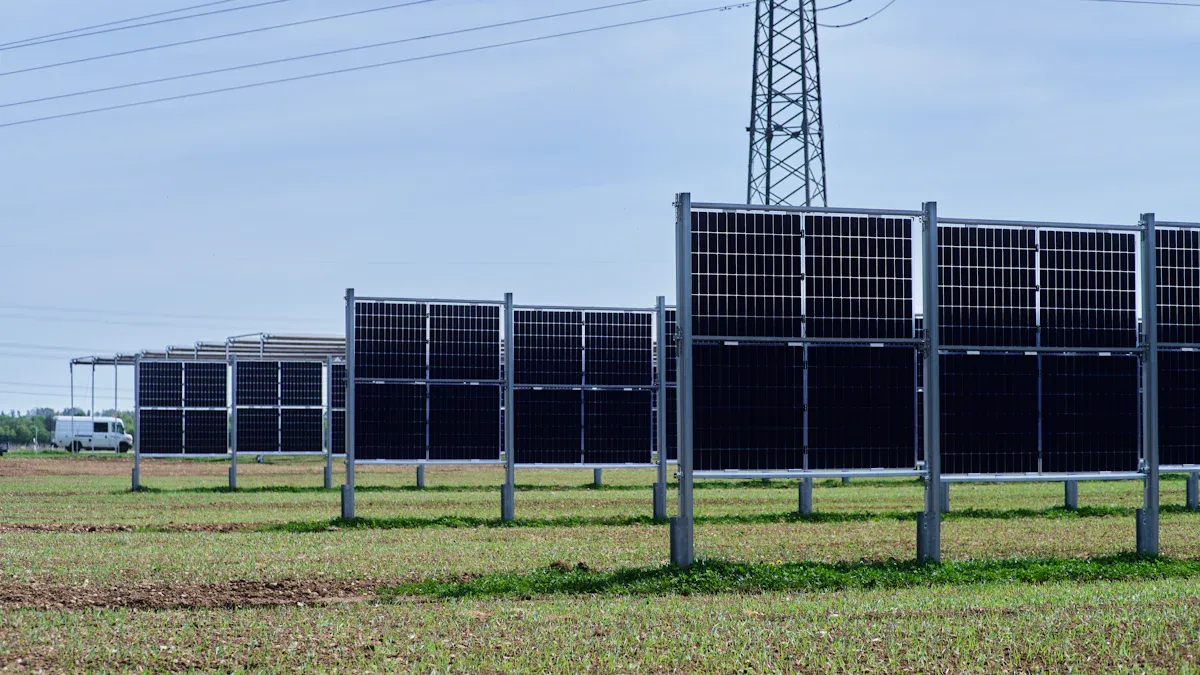
You see activated carbon materials becoming important in energy storage applications. These batteries use natural and cost-effective materials, making them a smart choice for sustainable lithium-ion batteries. The customizable pore structure and the ability to add other atoms help improve battery discharge and capacity retention. You can use these batteries for grid storage, where they help store energy from solar and wind power. This means you get reliable energy even when the sun does not shine or the wind does not blow. You also see these batteries in new energy storage applications, such as backup power for homes and businesses. The high discharge rate and strong retention make them perfect for these uses.
Market and Research Directions
You will notice more companies and scientists working on sustainable lithium-ion batteries. They focus on improving battery discharge, capacity retention, and energy storage. You see research on making batteries with better retention and longer life. The market for these batteries grows as more people want clean energy and better storage. You can expect new designs that offer higher discharge rates and improved retention. These batteries will help you power more devices and support a cleaner planet.
Application Area | Benefit for You |
|---|---|
Consumer Electronics | Longer battery life, fast charge |
Electric Vehicles | High discharge, strong retention |
Grid Storage | Reliable energy, good retention |
Emerging Uses | Backup power, high capacity |
You can look forward to more advances in battery technology, with better discharge, capacity retention, and energy for all your needs.
You gain many benefits from activated carbon lithium batteries, such as high energy density, long cycle life, and strong electrochemical stability. You may face challenges with cost and large-scale production. These batteries show great value for the future because they improve electrochemical performance and support green energy. Stay curious about new battery materials. You can help shape a cleaner world by following the latest advances in sustainable technology.
FAQ
What makes activated carbon lithium batteries different from regular batteries?
You get more energy storage and longer life with activated carbon lithium batteries. The material has a large surface area. This helps your battery hold more charge and work better in many devices.
Can you recycle activated carbon lithium batteries?
You can recycle these batteries. Many parts, including activated carbon, come from renewable sources. Recycling helps reduce waste and supports a cleaner environment.
Where can you use activated carbon lithium batteries?
You can use these batteries in cameras, electric vehicles, remote controls, and grid storage. They work well in devices that need high energy and fast charging.
Are activated carbon lithium batteries safe?
You get improved safety with these batteries. The structure of activated carbon helps prevent overheating. This makes your devices safer to use every day.
How do activated carbon lithium batteries help the environment?
You support the planet by choosing these batteries. Manufacturers use renewable materials like coconut shells and orange peels. This reduces waste and lowers the need for mining metals.