
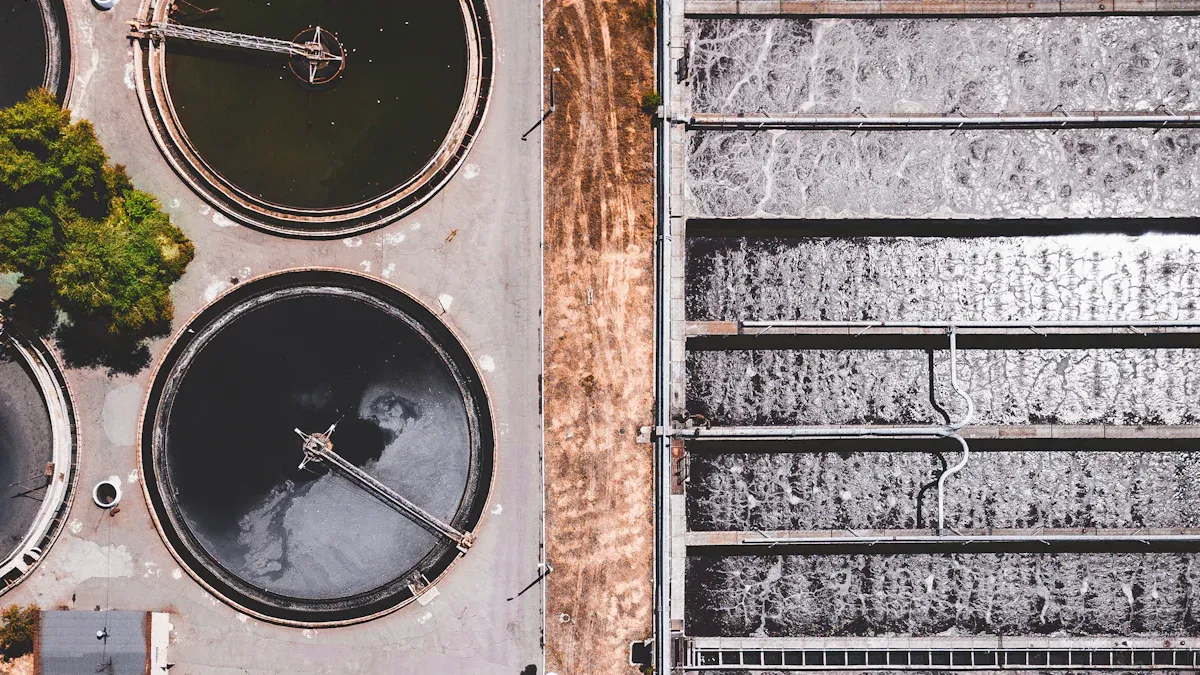
You often see activated carbon used to clean dirty water. This material has a large surface area that traps unwanted substances. In wastewater treatment, activated carbon helps remove organic compounds that can harm plants, animals, and people. You protect rivers and lakes when you use activated carbon to capture these pollutants. This process works quickly and gives you cleaner water.
Key Takeaways
Activated carbon effectively removes harmful pollutants from wastewater, protecting ecosystems and public health.
The adsorption process allows activated carbon to trap a wide range of contaminants, including organic compounds and heavy metals.
Choosing the right type of activated carbon, like Granular or Powdered, is crucial for effective treatment based on specific water quality needs.
Activated carbon can be integrated into existing treatment systems, enhancing their ability to handle new pollutants without major changes.
Regular replacement or regeneration of activated carbon is necessary to maintain its effectiveness and ensure clean water.
Activated Carbon Process
Adsorption Mechanism
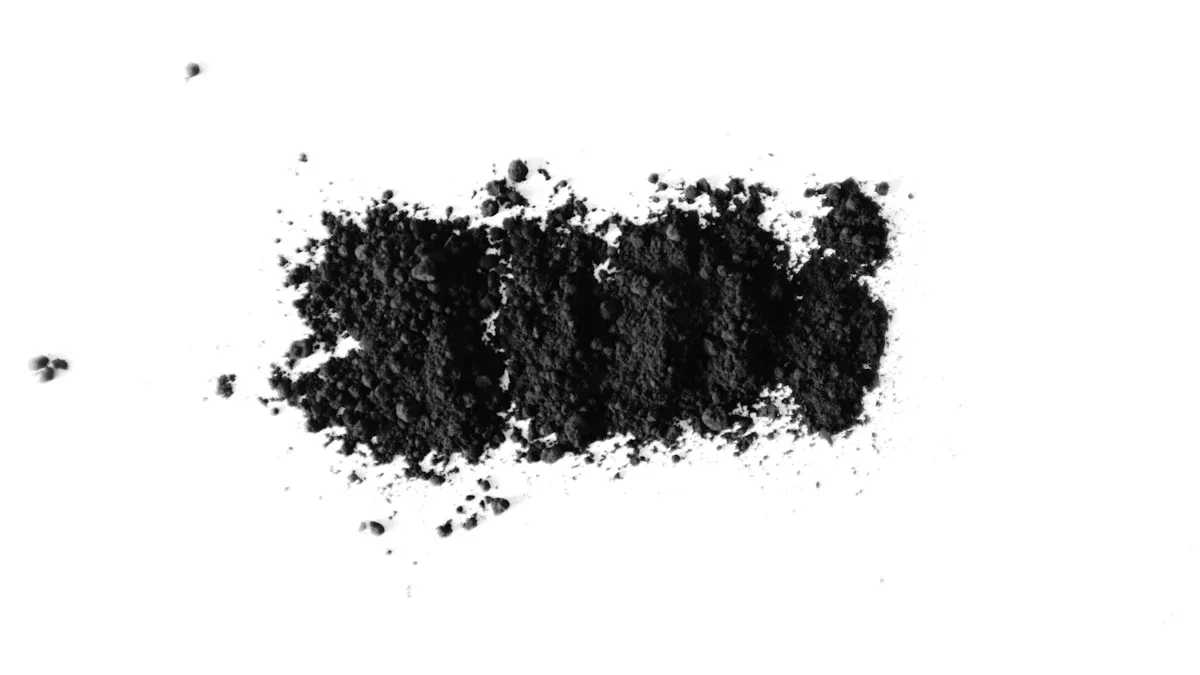
You use activated carbon in wastewater treatment because it can trap many pollutants. The adsorption process is the main way activated carbon works. When you add activated carbon to water, pollutants stick to its surface. This happens because of both physical and chemical forces.
Physical adsorption uses Van der Waals forces. These weak forces pull pollutants onto the large surface area and into the many tiny pores of activated carbon.
Chemical adsorption, or chemisorption, forms strong chemical bonds between the activated carbon and the pollutants. You can improve this by changing the surface of the activated carbon with special chemicals.
Sometimes, activated carbon helps start reactions that break down or change harmful chemicals.
Functional groups on the surface of activated carbon can swap ions with pollutants, which helps capture certain types of molecules.
You will find that pollutants with high molecular weight and strong polarity stick better to activated carbon. When you use activated carbon with a high surface area, you get better results in the adsorption process.
Why It’s Effective
You choose activated carbon for wastewater treatment because it removes a wide range of pollutants. It works well for organic compounds, heavy metals, and even new types of chemicals that other methods cannot handle. The adsorption process gives you water that meets strict safety standards.
Tip: Activated carbon can fit into most treatment systems, making it easy to upgrade your current setup.
Many factors affect how well activated carbon works. You can see these factors in the table below:
Factor | Description |
|---|---|
Surface area | More surface area means more places for pollutants to stick. |
Porosity | More pores give extra space for molecules to enter. |
Functional groups | Special groups on the surface help catch certain pollutants. |
Molecular size | Smaller molecules fit into the pores more easily. |
Polarity | Polar molecules stick better to polar surfaces. |
Concentration | More pollutants in the water means more get trapped, up to a point. |
Temperature | Higher temperatures can help, but the effect can change. |
pH | The pH changes how well pollutants stick to the surface. |
Scientific studies show that activated carbon can remove up to 95% of pharmaceuticals and other hard-to-remove chemicals from water. You can rely on activated carbon to handle many pollutants that other treatment process methods miss. However, you should know that activated carbon can cost more and may need to be replaced or cleaned when it gets full.
Types of Activated Carbon
You can choose from several types of activated carbon for your wastewater treatment needs. Each type works best in different situations. Understanding the types of activated carbon helps you pick the right one for removing contaminants and organic compounds.
Granular Activated Carbon (GAC)
Granular activated carbon comes in small grains. You often use this type in long-term systems. GAC works well for filtering water over time. You can find it in both home and industrial filters. It is easy to handle and produces little dust.
Note: GAC is popular in the final stage of wastewater treatment. You use it to remove leftover pollutants before releasing water back into the environment.
Here is a table that shows how GAC compares to powdered activated carbon:
Property | Granular Activated Carbon (GAC) | Powdered Activated Carbon (PAC) |
|---|---|---|
Particle Size | 1–6 mm diameter | < 0.188 mm |
Surface Area | 500–1500 m²/g | High |
Appearance | Black, porous, grain shape | Black, fine powder |
Uses | Long-term treatment systems | Short-term or emergency needs |
Regeneration | Possible | Not possible |
Handling | Easy to load, minimal dust | Requires special handling |
You will see GAC used in these places:
Polishing water before reuse or discharge
Removing micropollutants and endocrine disruptors
Powdered Activated Carbon (PAC)
Powdered activated carbon has a fine texture. You use it when you need fast results. PAC works best for short-term or emergency treatment. It can quickly remove contaminants from water.
You can see the typical uses and sizes in this table:
Particle Size | Application Scenarios |
|---|---|
200 mesh | Water plants, printing and dyeing wastewater, chemical wastewater, industrial sewage, food decolorization |
325 mesh | Water plants, printing and dyeing wastewater, chemical wastewater, industrial sewage, food decolorization |
PAC acts fast because of its small size. It is perfect for:
Seasonal spikes in pollution
Quick fixes in factories
Treating water in food and chemical plants
Specialty Carbons
Specialty carbons are made for special jobs. You can find them made from wood, coal, coconut shells, or peat. These types of activated carbon have unique features. Some can remove heavy metals, while others target certain chemicals. Specialty carbons use physical adsorption, chemical adsorption, catalytic reactions, and ion exchange to trap pollutants.
You can use specialty carbons when you need to remove specific contaminants. They help you solve tough water problems that regular activated carbon cannot handle.
Tip: Always match the type of activated carbon to your water problem for the best results.
Benefits of Activated Carbon in Wastewater Treatment
Removal of Organic Compounds
You can rely on activated carbon to remove many organic compounds from water. These compounds often come from homes, farms, and factories. Some of the most common organic compounds you will find in wastewater include:
Pesticides
Herbicides
Phenols
Pharmaceuticals
Personal care products (PPCPs)
Dyes
Volatile organic compounds (VOCs)
Activated carbon traps these substances through its large surface area and tiny pores. You can see high removal rates in studies. For example, some types of activated carbon can remove up to 99.81% of dyes and almost all phenols from water. This high efficiency means you get cleaner water that is safer for people and animals.
Versatility and Efficiency
You will find that activated carbon works well for many types of contaminants. Its high adsorption capacity and well-developed porosity let it treat a wide range of pollutants. You can use it to remove organic compounds, dyes, and heavy metals. In one study, activated carbon removed more than 90% of dyes and heavy metals in just 12 minutes.
Pollutant Type | Removal Efficiency | Time of Exposure |
|---|---|---|
Dyes and Heavy Metals | >90% | 12 minutes |
This versatility makes activated carbon a top choice for water treatment solutions in both homes and industries. You can use it in different treatment systems to handle changing water quality.
Environmental Impact
When you use activated carbon in wastewater treatment, you help protect rivers, lakes, and oceans. Cleaner effluents mean fewer harmful chemicals reach aquatic life. This helps keep fish and plants healthy. You also protect public health by reducing the risk of waterborne diseases.
You should know that producing activated carbon can create a carbon footprint. If you choose activated carbon made from coal, you add more CO2 to the air than if you use wood-based carbon. Also, spent activated carbon can become hazardous waste and needs special disposal. Still, the benefits for purification and ecosystem safety often outweigh these concerns.
Using activated carbon supports pollution control and helps you meet strict environmental standards.
Applications and Limitations
Industrial and Municipal Uses
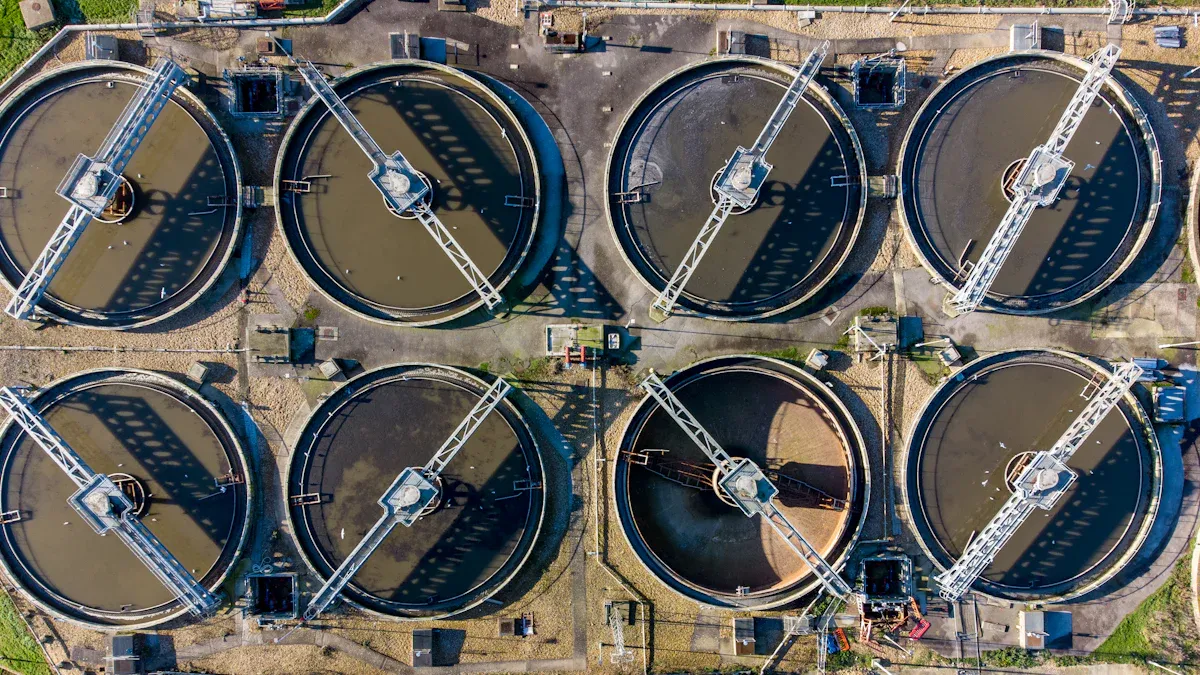
You see activated carbon used in many industries and city water plants. Textile factories use it to remove dyes and chemicals from their wastewater. Hospitals and healthcare centers use it to capture pharmaceuticals and personal care products. You also find activated carbon in municipal wastewater treatment plants. These plants use it to clean water before releasing effluents into rivers and lakes. Activated carbon helps remove pesticides, fuels, and solvents from both industrial and municipal wastewater. Typical doses of powdered activated carbon, around 10-20 mg/L, can remove 60-80% of most organic compounds. In some cases, you can achieve over 92% removal of certain pharmaceuticals.
Activated carbon plays a key role in pollution control by making water safer for people and the environment.
What Activated Carbon Can’t Remove
You should know that activated carbon does not remove everything. It cannot trap microbial contaminants like bacteria and viruses. Hard water minerals such as calcium and magnesium also pass through. Fluoride and nitrate are other substances that activated carbon cannot remove well. Some heavy metals may need special treatment methods for best results. You may also face limits due to the way activated carbon is made, its selectivity, and how well it can be recycled.
Not Removed by Activated Carbon |
|---|
Bacteria and viruses |
Calcium and magnesium (hardness) |
Fluoride |
Nitrate |
Some heavy metals |
Regeneration and Cost
You need to replace or regenerate activated carbon when it gets full. Common regeneration methods include heat and acid treatments. Thermal regeneration is the most popular. You can also use microwave or biological methods, but these are less common. Heat and acid together work best to restore the surface area. Microwave heating at 600 °C for two hours in a CO2 atmosphere can improve performance. The cost of activated carbon can be high, especially for large-scale use. You pay for the material, the regeneration process, and safe disposal of spent carbon. If the used carbon is hazardous, disposal costs rise. You must consider these costs when planning industrial wastewater treatment or municipal wastewater treatment.
Selection and Implementation Tips
Choosing the Right Type
You need to pick the right activated carbon for your wastewater treatment project. Start by looking at the contaminants in your water. Activated carbon works well because it removes many chemicals, including organic compounds. You should match the type of activated carbon to the treatment process and the pollutants you want to remove.
Here is a table to help you compare the main types:
Type of Activated Carbon | Characteristics | Suitable Applications |
|---|---|---|
Powdered Activated Carbon (PAC) | Fine, high surface area | Rapid adsorption applications |
Granular Activated Carbon (GAC) | Larger particle sizes | Filtration, longer contact time |
You should also think about the physical properties of the carbon, like surface area and pore size. The chemical makeup of the carbon and the water conditions, such as pH and temperature, matter too. If your water has many pollutants, some will be removed faster than others. This is called competitive adsorption, and it can change how well the activated carbon works.
High treatment degree
Exceptional adsorption properties
Removes a wide range of contaminants
Tip: Always test a small amount of activated carbon with your water before choosing a large batch.
Integration in Treatment Systems
You can add activated carbon to most water treatment solutions without making big changes. It fits well into existing systems and helps remove new pollutants, like pharmaceuticals and other chemicals. Granular activated carbon can be reused after cleaning, which saves money over time.
Here is a table with best practices for using activated carbon:
Evidence Type | Description |
|---|---|
Compatibility | You can add activated carbon to your system easily. |
Effectiveness | It removes tough pollutants, like pharmaceuticals and endocrine disruptors. |
Cost Efficiency | You can regenerate granular activated carbon to lower costs. |
Hybrid Systems | You get better results when you combine activated carbon with other methods. |
You should check the contact time between the water and the activated carbon. Longer contact times help the adsorption process work better. If you use hybrid systems, you can boost purification and meet strict water quality goals.
You gain many benefits when you use activated carbon for wastewater treatment. It removes a wide range of pollutants and fits easily into most systems. You help protect fish, plants, and people by reducing harmful chemicals in water. However, you face high costs and must replace or regenerate the material. Review the table below for a quick summary:
Advantages | Limitations |
|---|---|
High adsorption capacity | |
Versatile for many contaminants | Not effective for all pollutants |
Improves water safety and ecosystem health | Needs regular replacement or regeneration |
For best results, assess your needs and talk with water treatment experts before choosing activated carbon.
FAQ
What is activated carbon made from?
You usually find activated carbon made from coconut shells, wood, coal, or peat. Manufacturers heat these materials to create a porous structure. This process gives activated carbon its large surface area for trapping pollutants.
How often should you replace activated carbon?
You should replace activated carbon when it becomes saturated with pollutants. The timing depends on water quality and usage. Most systems need replacement every few months. Always check the manufacturer’s guidelines for best results.
Can you regenerate used activated carbon at home?
You cannot regenerate activated carbon at home safely. Regeneration needs high temperatures and special equipment. You should send used carbon to a professional facility for proper treatment.
Does activated carbon remove all contaminants?
Activated carbon removes many organic compounds and some heavy metals. It does not remove bacteria, viruses, fluoride, or nitrate. You may need other treatment methods for complete purification.
Is activated carbon safe for the environment?
Yes, activated carbon is safe when you use and dispose of it properly. You help protect water and wildlife by removing harmful chemicals. Always follow local rules for disposal to avoid environmental harm.