

You see activated carbon used in many food products today. This special material has a porous structure that traps unwanted colors and impurities. Removing color is important because it helps you meet strict safety rules and create products that look appealing.
Color is the first thing you notice in food. It shapes your idea of taste and quality.
Activated carbon plays a key role in sugar refining and helps you meet tough ICUMSA color standards.
It also reduces impurities, which is necessary for strict regulations and consumer safety.
You find activated carbon in many factories around the world. New technology now makes it even better at removing specific impurities.
Key Takeaways
Activated carbon effectively removes unwanted colors and impurities from food, enhancing product appeal and safety.
Using the right type of activated carbon, such as powdered for batch operations and granular for continuous processes, maximizes efficiency and cost-effectiveness.
Regenerating and reusing activated carbon can save up to 90% of material costs and support environmental sustainability.
Monitoring factors like particle size and concentration is crucial for achieving optimal decolorization results in food processing.
Activated carbon meets strict safety standards, ensuring that food products maintain their quality and consumer trust.
What Is Activated Carbon
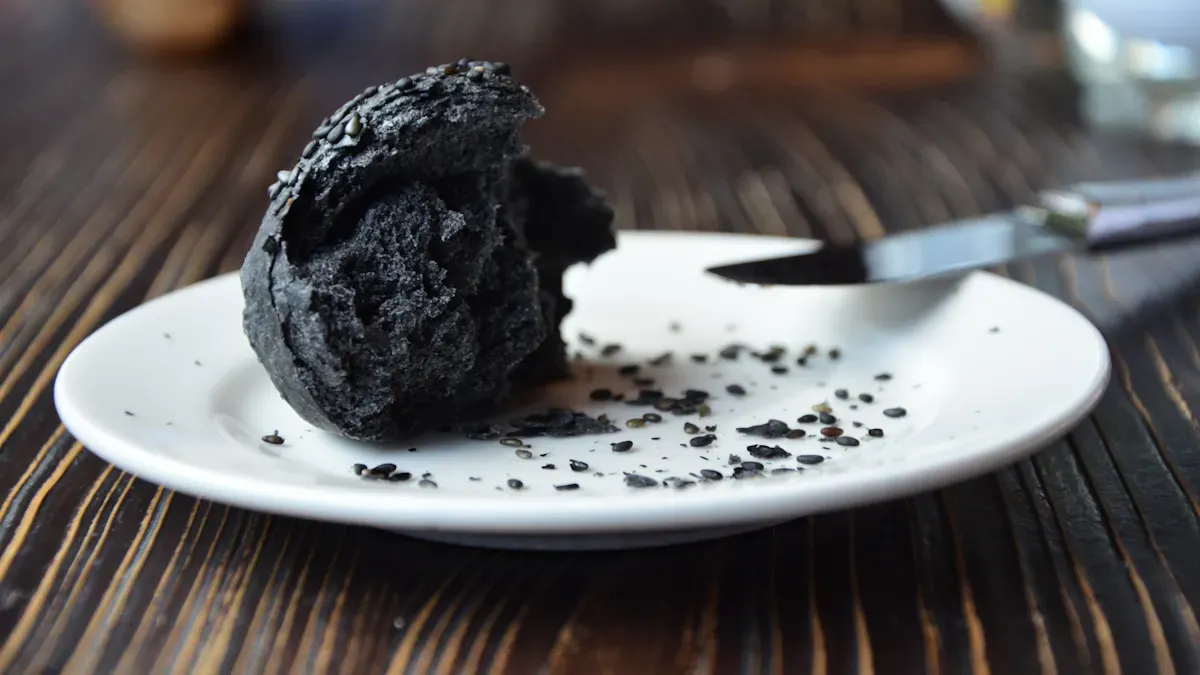
Definition And Features
You may wonder what makes activated carbon so special. Scientists define activated carbon as a highly porous material made from carbon-rich sources. Manufacturers treat these sources to create a huge surface area. Under an electron microscope, you can see a maze of tiny pores. These include micropores, which let activated carbon trap many different molecules at once. The surface area can reach over 500 square meters per gram. This means that just a small amount can hold a lot of unwanted substances.
You find activated carbon in many forms. Some types come from wood, especially hardwood, which gives a structure perfect for catching mid-sized color molecules. Coconut shells create a balance of micropores and mesopores, making them great for both decolorizing and general purification. Lignite or bituminous coal works well for heavy-duty decolorizing, but these may need extra washing to lower ash content.
Tip: The more porous the activated carbon, the better it works for removing colors and impurities.
Why It’s Used In Food
You choose activated carbon for food processing because of its strong adsorption power. This material acts like a sponge, pulling in pigments, odors, and even some chemicals. When you use decolorizing activated carbon, you can make products look clearer and taste better. You often see powdered activated carbon used in sugar refining, syrup production, and even in some beverages.
Regulatory bodies like the FDA and EFSA set strict rules for using activated carbon in food. The FDA, for example, limits contaminants to 0.1 parts per million and requires independent checks for effectiveness. Facilities that follow HACCP and ISO 22000 standards have seen fewer recalls due to contamination. Here’s a quick look at the main standards:
Regulatory Body | Standards/Guidelines | Key Requirements |
|---|---|---|
FDA | Food Additives | Limits on contaminants, independent verification |
EFSA | Food Safety | Compliance with safety and quality standards |
HACCP | Risk Management | Systematic approach to managing food safety risks |
ISO 22000 | Food Safety Management | Ensures effective food safety management systems |
You rely on activated carbon because it meets these high standards and helps you deliver safe, high-quality products.
Decolorization In Food Processing
How Adsorption Works
You see decolorizing activated carbon work like a sponge in food processing. The material has a maze of tiny pores, some as small as 1 to 2 nanometers. These pores trap pigment molecules and remove colors from your products. You rely on decolorizing activated carbon because it uses both physical and chemical mechanisms to clean up food. The surface of activated carbon contains functional groups that can react with certain pigments. This reaction boosts the decolorizing process and helps you achieve clearer results.
You also notice that activated carbon has a highly developed pore structure. Micropores, mesopores, and macropores create a large surface area. This structure allows decolorizing activated carbon to adsorb pigment molecules quickly and efficiently. You can see the difference in sugar, syrups, and juices after treatment. The color fades, and the product looks more appealing.
Note: Activated carbon does more than just remove color. It also pulls out unwanted flavors and odors. You use it in edible oil production to adsorb free fatty acids and impurities that cause rancid or bitter tastes. In fruit juice processing, activated carbon removes phenolic compounds that make the juice bitter. You get a smoother and sweeter taste.
You find that activated carbon is selective in its adsorption. It targets larger, non-polar molecules responsible for off-flavors and odors. You improve taste and quality, but you must watch for the risk of losing some beneficial compounds in small amounts.
Factors Affecting Efficiency
You want to maximize the efficiency of decolorizing activated carbon. Several factors play a role in how well it works:
Particle Size: You see that smaller particle sizes lead to better decolorizing results. When you use activated carbon below 200 mesh, the decolorization rate increases. The specific surface area grows, and adsorption capacity improves. If you go above 250 mesh, the rate starts to drop. You need to balance particle size for optimal performance.
Concentration: You usually add decolorizing activated carbon at concentrations between 0.1% and 3% w/v. The right concentration depends on the level of color and impurities in your food product. Too little activated carbon will not remove enough color. Too much can lead to waste and higher costs.
Reusability: You can regenerate spent activated carbon and reuse it. Regeneration systems restore 85 to 90% of the material. You save money by reducing annual media procurement costs by 40 to 60%. This practice also supports ISO 14001 environmental management protocols and boosts sustainability.
Factor | Effect on Decolorizing Efficiency | Practical Tip |
|---|---|---|
Particle Size | Smaller size increases adsorption | Use below 200 mesh for best results |
Concentration | Higher concentration improves removal | Adjust between 0.1%-3% w/v |
Reusability | Regeneration saves cost and supports green | Restore up to 90% for reuse |
Tip: You should monitor these factors closely. Adjusting particle size, concentration, and reusability helps you get the most out of decolorizing activated carbon.
You see that decolorizing activated carbon gives you control over product quality. You can remove pigments, tastes, and odors efficiently. You also support sustainability and cost savings by reusing activated carbon. You make your food products safer, clearer, and more appealing.
Activated Carbon Types And Sources
Granular Vs. Powdered
You will find two main forms of activated carbon for sugar decolorization: granular activated carbon and powdered activated carbon. Each form works best in different sugar solution processes.
Powdered activated carbon is ideal for batch operations. You use it when you want to quickly remove color from a sugar solution. It works fast because it has a high surface area. This makes it perfect for producing clear and transparent sugar solutions in small batches.
Granular activated carbon is better for continuous systems. You use it in large-scale sugar decolorization because you can regenerate it and use it again. This reduces your costs and lowers your environmental impact. In fact, you will use less than 30% of the amount compared to powdered forms, which means less waste and fewer emissions.
Here is a quick comparison:
Type of Activated Carbon | Advantages | Disadvantages |
|---|---|---|
Powdered | Fast color removal, great for thick sugar solutions | Can waste material if overused, not reusable |
Granular | Reusable, cost-effective, stable for big operations | Slower color removal, not for small batches |
You often choose powdered activated carbon for quick fixes or small batches. You pick granular activated carbon for ongoing, large-scale sugar decolorization.
Raw Materials Used
You can make sugar decolorization activated carbon from several raw materials. The most common sources are coconut shell, wood, and coal. Each source gives the activated carbon unique properties that affect how well it cleans your sugar solution.
Raw Material | Characteristics | Applications |
|---|---|---|
Coconut Shell | High adsorption, renewable, clean profile | Sugar decolorization, food |
Wood | Large surface area, good for color removal | Sugar solution, water purification |
Coal | Cost-effective, balanced porosity | Industrial, sugar decolorization |
Coconut shell activated carbon has many micropores. You use it when you want to remove small color molecules from a sugar solution. Wood-based activated carbon has more mesopores, which makes it strong for sugar decolorization in food processing. Coal-based activated carbon is tough and cost-effective, so you use it for large batches of sugar solution.
Choosing The Right Type
You need to match the right sugar decolorization activated carbon to your process. Look at these criteria:
Criteria | Description |
|---|---|
Physical Characteristics | Raw material, hardness, porosity |
Chemical Characteristics | Adsorption capacity for color and impurities |
Performance Indicators | Iodine Value, Methylene Blue Adsorption for sugar solution |
Physical Form | Granular or powdered, based on your sugar decolorization process |
Application Needs | Type of color or impurity in your sugar solution |
You should also think about the environment. Using coconut shells or wood helps reduce waste and supports sustainability. If you use agricultural waste, you lower your carbon footprint and help the planet.
Tip: Always test a small batch of sugar solution with your chosen sugar decolorization activated carbon before scaling up. This helps you find the best fit for your needs.
Applications In Food Industry
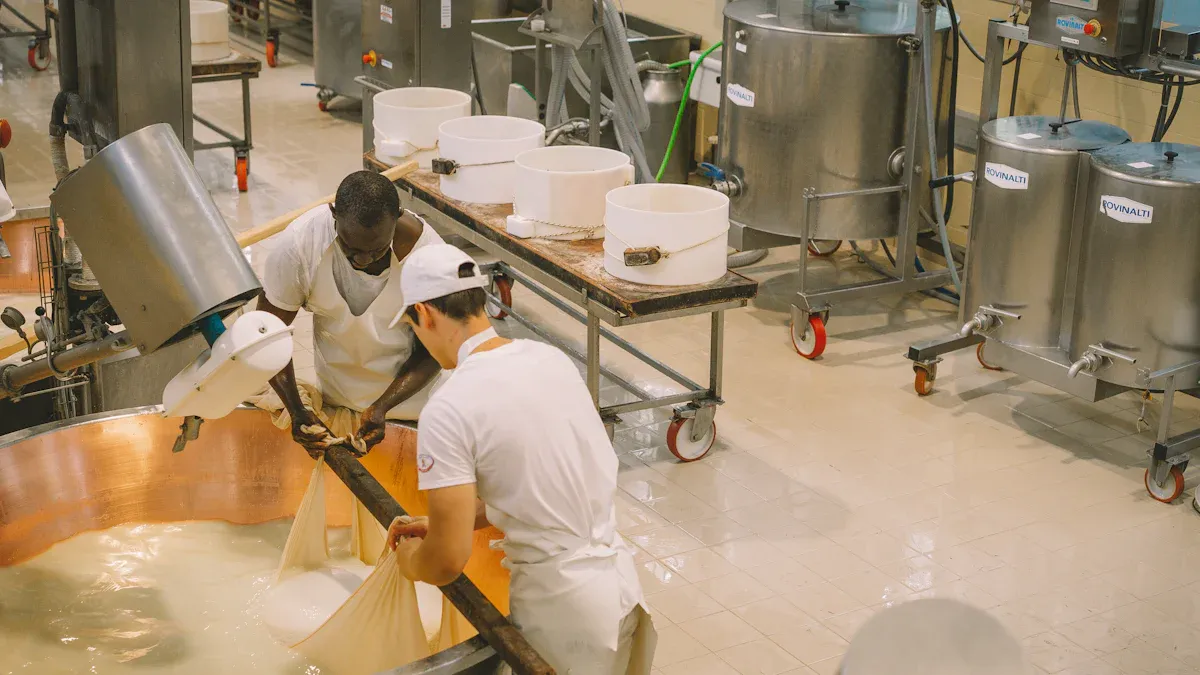
Sugar And Syrup Refining
You use sugar decolorization activated carbon in many sugar solution processes. When you refine glucose syrup, you rely on activated carbon to remove color, protein, and iron. This step makes your sugar solution clear and pure. You also use shell-based sugar decolorization activated carbon before you crystallize sucrose into white sugar. It adsorbs plant pigments and unwanted color from the sugar solution. In syrup production, you add powdered or granular activated carbon to achieve high-quality, transparent syrups for soft drinks and pharmaceutical products.
Here is a table showing common applications:
Application Area | Specific Uses |
|---|---|
Sugar and Sweeteners | Decolorization and purification of sugar syrups |
Liquid Sugars | |
Sucrose Refining | Removal of plant pigments and color from sugar solution |
Starch-based Sweeteners | Polishing syrups for soft drinks |
You see that granular activated carbon works well for continuous sugar decolorization. You can regenerate and reuse it, which saves money and reduces waste.
Vegetable Oils And Whey
You apply activated carbon to vegetable oil processing for color removal and purification. It helps you remove odors and toxic compounds from edible oils. You also use sugar decolorization activated carbon to purify natural glycerin, which improves food texture. In cheese whey processing, you use granular activated carbon to remove off-flavors and contaminants. This step ensures your whey products taste clean and meet food safety standards.
You can reuse granular activated carbon after regeneration.
Many companies source activated carbon from sustainable coconut shells or wood, which lowers the carbon footprint.
Beverage Processing
You use food decolorization activated carbon in beverage production to keep taste and quality consistent. It removes unwanted flavors, odors, and color from both alcoholic and non-alcoholic drinks. You also use sugar decolorization activated carbon to treat fruit juices and syrups, making them clear and appealing. Granular activated carbon helps you maintain high standards in beverage purification.
Tip: Regenerating and reusing activated carbon supports sustainability. Many sugar refineries report a 35-50% reduction in new carbon needs, which benefits both your budget and the environment.
You see that sugar decolorization activated carbon is essential in many food and beverage applications. It gives you control over sugar solution quality, supports eco-friendly practices, and helps you deliver safe, attractive products.
Benefits And Considerations
Advantages Of Activated Carbon
You gain many advantages when you use activated carbon in food processing. This material works quickly and gently for color removal and purification. You can use it in sugars, oils, beverages, and even pharmaceutical products. Activated carbon helps you keep the natural taste of your food while removing unwanted colors and impurities. You also lower your costs because you can regenerate and reuse it many times. This makes your process more efficient and supports sustainability goals.
You see that activated carbon is very versatile. You can use it in many applications across the food industry. It works well for adsorbing different pigments, flavors, and contaminants. You also help the environment when you choose activated carbon made from coconut shells or bagasse. These sources use renewable materials and reduce waste. Many companies now use food decolorization activated carbon to meet strict safety rules and answer consumer demand for eco-friendly products.
Tip: Activated carbon supports a circular economy by using waste from the food industry as a raw material.
Selection Tips
You need to think about several factors before you choose activated carbon for your process. The right choice helps you get the best results in color removal and purification. Here is a table to help you compare important factors:
Factor | Description |
|---|---|
Types and properties | Each type has different pore sizes and surface features. These affect how well it works for adsorbing pigments. |
Dosage | The amount you use matters. Too little may not clean enough. Too much can change the taste. |
Decolorization time and temperature | You need the right time and temperature for good results. |
Ingredients of food and beverages | Some ingredients may compete with activated carbon, which can affect the outcome. |
You can follow these tips for better results:
Use powdered activated carbon for thick liquids like cooking oils. It works fast because of its small size.
Choose granular activated carbon for sugar refining. It helps your filtration system run smoothly.
Keep the pH between 4.5 and 6.5 to help pigment molecules stick to the carbon.
Set the temperature between 35 and 45 degrees Celsius. This range keeps your process efficient and protects sensitive ingredients.
Allow enough contact time, about 90 minutes, for the best pigment removal.
You should always test a small batch before using a new type of activated carbon in your process. This step helps you avoid problems and ensures high-quality results in all your applications.
You see activated carbon as a vital tool for food decolorization. It removes pigments and impurities, making sugar, oils, and beverages clearer and tastier. You improve product quality and meet strict safety standards. Careful selection and accurate dosage help you achieve the best results. Using wood-based activated carbon supports sustainability and reduces your carbon footprint.
Activated carbon keeps nutritional value and flavor intact.
It boosts consumer satisfaction by ensuring clean, appealing products.
You can choose the right type for your needs:
Type | Best Use | Benefit |
|---|---|---|
Granular | Continuous processes | Reusable, cost-effective |
Powdered | Batch operations | Fast, flexible dosing |
Tip: Always match activated carbon to your process for efficient and high-quality results.
FAQ
What is activated carbon made from?
You find activated carbon made from coconut shells, wood, or coal. These materials get heated and treated to create many tiny pores. This process gives activated carbon its strong adsorption power.
Is activated carbon safe for food?
You can safely use activated carbon in food processing. Food-grade activated carbon meets strict safety standards set by groups like the FDA and EFSA. Always check for certification before use.
How do you use activated carbon in sugar refining?
You add activated carbon to the sugar solution. It traps color and impurities. After mixing, you filter out the carbon. This step makes your sugar clear and pure.
Can you reuse activated carbon?
You can reuse activated carbon after regeneration. Special systems clean and restore most of its adsorption ability. This practice saves money and supports sustainability.
Does activated carbon change the taste of food?
You usually notice that activated carbon removes unwanted tastes and odors. It does not add any flavor. Your food keeps its natural taste and becomes more appealing.