
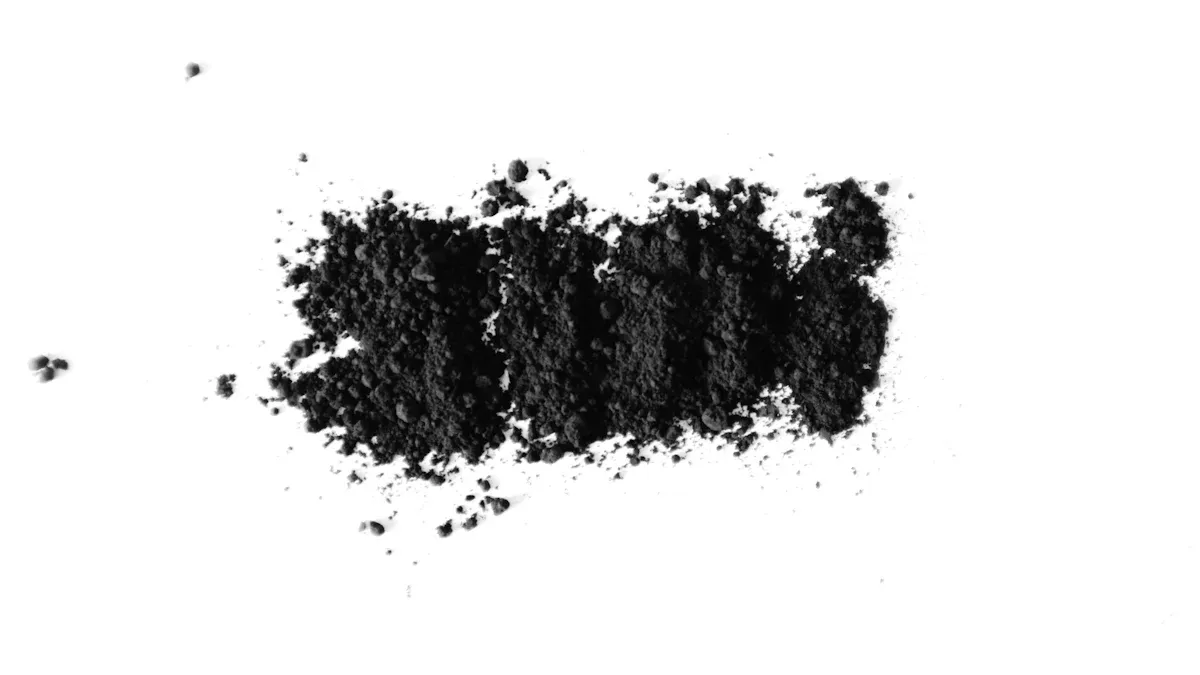
Activated carbon helps you clean the air in your home by trapping harmful substances. This material has a highly porous structure with a large surface area, which makes it excellent for adsorbing pollutants. When you use activated carbon, you target many common indoor air problems. You can remove gases like carbon monoxide and nitrogen oxides, as well as unpleasant odors and volatile organic compounds (VOCs). These VOCs come from products such as paints, cleaning agents, and solvents, and they often reach higher levels indoors than outside. By using activated carbon, you create a safer and fresher environment for yourself and your family.
Key Takeaways
Activated carbon effectively traps harmful substances in the air, improving indoor air quality.
Regularly replace activated carbon filters, ideally every 6 to 12 months, to maintain their effectiveness.
Combining activated carbon filters with HEPA filters provides the best air purification by targeting both gases and solid particles.
Choose the right type of activated carbon filter based on your needs: granular for large areas and block for specific contaminants.
Handle used filters carefully and follow disposal guidelines to protect the environment and ensure safety.
Activated carbon basics
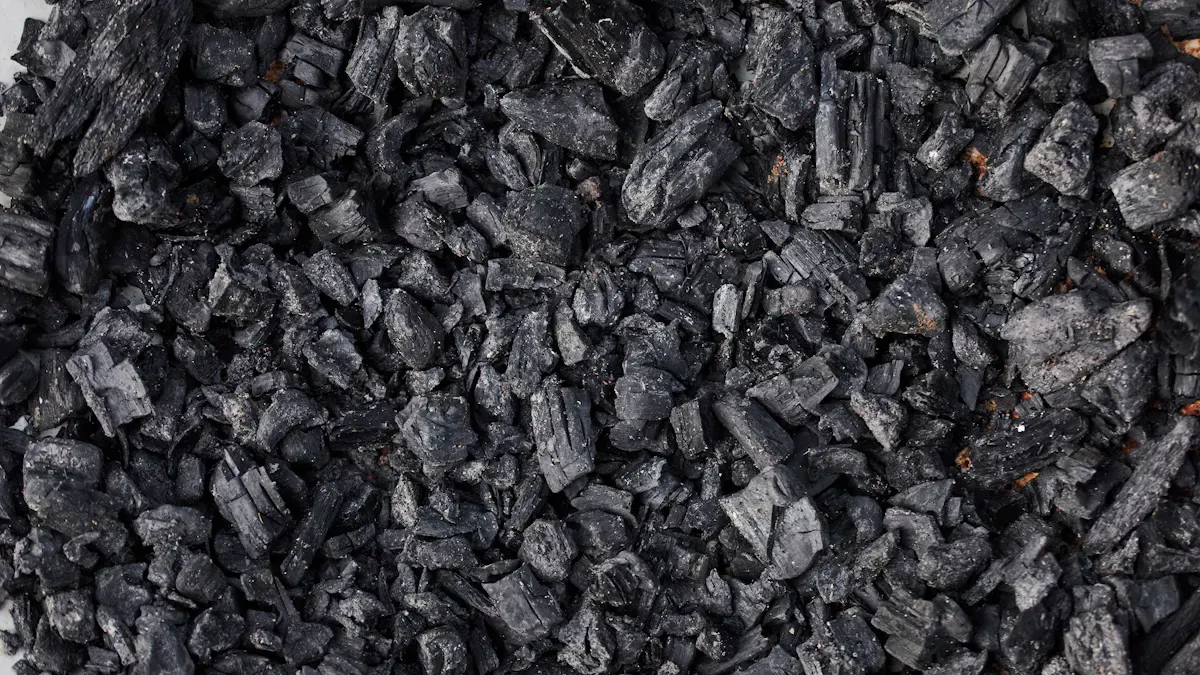
Structure and properties
You can think of activated carbon as a sponge with millions of tiny holes. These holes, called pores, give it a huge surface area. This means you get more space for trapping pollutants. The surface area of activated carbon can go over 872.77 square meters per gram. That is much higher than other filter materials like zeolites or ceramic filters. The high surface area helps you remove more gases and chemicals from the air.
Here is a table that shows the different pore sizes in activated carbon and what they do:
Pore Size | Description | Adsorption Capability |
|---|---|---|
Micropores | Less than 2 nm | Effective for small molecules like gases and dissolved organic compounds |
Mesopores | 2 to 50 nm | Better suited for larger molecules like organic contaminants and heavy metals |
Macropores | Greater than 50 nm | Facilitate transport of molecules into deeper micropores |
The surface of activated carbon also contains special groups, such as carboxyl, hydroxyl, and phenolic groups. These groups help attract and hold different types of molecules. For example, polar molecules stick better to these groups, while non-polar molecules prefer a surface that does not attract water.
Adsorption explained
When you use activated carbon for air purification, you rely on a process called adsorption. This means that gases and odors stick to the surface of the carbon instead of passing through. The carbon does not change the chemicals; it just holds them on its surface. The activation process creates many pores, which increases the surface area and makes the carbon better at trapping pollutants.
Heat treatment creates a porous structure, which gives you more space for adsorption.
Physical activation uses heat in low oxygen to make pores.
Chemical activation adds special groups to the surface, which helps trap polar substances.
The random movement of air molecules causes them to bump into the carbon and stick because of weak forces called van der Waals forces.
You will find that activated carbon works best when the air has higher levels of pollutants. In homes, VOC levels are usually low, so the filter may fill up slowly. Still, it remains a strong choice for removing unwanted gases and odors from your indoor air.
Activated carbon air purification

Filtration mechanism
You can use activated carbon filters to clean the air in your home. These filters work by trapping pollutants on their surface. This process is called adsorption. When air passes through the filter, harmful particles and gases stick to the surface of the carbon. The filter does not change the chemicals. It just holds them in place so they do not return to the air.
The way activated carbon works depends on its structure. The activation process creates many tiny pores. These pores give the carbon a large surface area. The more surface area, the more pollutants the filter can trap. You can see the main filtration mechanisms in the table below:
Mechanism | Description |
|---|---|
Adsorption | Pollutant particles are attracted to and stick to the surface of activated carbon molecules. |
Activation Process | Treating organic materials creates a network of small pores, maximizing surface area. |
Surface Phenomenon | Adsorption happens on the surface, so pollutants do not become part of the carbon itself. |
The size of the pores also matters. Coconut shells make activated carbon with very small pores, less than 2 nanometers. These small pores are best for trapping gases and tiny chemicals. Wood-based carbon has larger pores, which help move bigger molecules into the filter. For most air cleaning, pores between 1 and 2 nanometers work best. They help you remove many types of air pollutants.
Tip: Choose a filter made from coconut shells if you want the best performance for removing gases and odors.
Effectiveness for pollutants
You can trust activated carbon filters to remove many harmful substances from the air. They work well for odors, gases, and volatile organic compounds (VOCs). These filters can even remove ozone, which is a harmful gas that sometimes enters homes from outside.
Here is what laboratory tests show about their effectiveness:
VOC removal efficiency with one filter: about 65%
VOC removal efficiency for indoor air: about 62%
Ozone removal efficiency: 100%
You will notice that activated carbon filters do not remove dust or pollen. For this reason, many air purifiers use both activated carbon and HEPA filters together. The HEPA filter catches dust, pet dander, and other particles. The activated carbon filter traps gases and odors. When you use both, you get cleaner air because you remove both solid particles and harmful gases.
Activated carbon filters target gases and odors.
HEPA filters trap dust and other particles.
Using both gives you the best air quality for your home.
Note: If you want the cleanest air, look for an air purifier that combines both filter types.
Types of activated carbon filters
Granular activated carbon
You will find granular activated carbon, or GAC, in many air and water filters. This type uses loose carbon granules that look like small black grains. Air or water flows easily through these granules. Because of the open structure, you get a high flow rate. This makes GAC a good choice for large systems, like whole-house filters.
GAC lets air move quickly through the filter.
You can use it for treating large amounts of air or water.
The loose granules give you flexibility in different filter designs.
GAC works well for removing many odors and gases. It may not trap every tiny pollutant, but it does a great job with common smells and chemicals in your home.
Carbon block filters
Carbon block filters use compressed activated carbon particles. The tight structure slows down the flow of air or water. This gives more contact time between the air and the carbon. You get better removal of certain contaminants because of this longer contact.
The dense block increases the time pollutants touch the carbon.
You can remove more chlorine, VOCs, and bad tastes or odors.
These filters work best in smaller devices, like air purifiers or water pitchers.
Tip: If you want to target specific chemicals or strong odors, choose a carbon block filter for better results.
Here is a table to help you compare GAC and carbon block filters:
Feature | Granular Activated Carbon (GAC) | Carbon Block Filter |
|---|---|---|
Structure | Loose granules | Compressed block |
Flow Rate | High | Lower |
Contact Time | Short | Long |
Best Use | Whole-house systems | Point-of-use devices |
Contaminant Removal | Good for general odors/gases | Better for VOCs, chlorine |
Specialty filters
Specialty activated carbon filters help you target specific pollutants. These filters use special treatments or blends to capture gases and volatile organic compounds (VOCs) that standard filters might miss. You will see these filters in places where air quality matters most, such as hospitals and laboratories.
Specialty filters focus on invisible pollutants that cause odors or irritation.
They use adsorption to trap harmful chemicals on the carbon surface.
You can use them in sensitive environments for extra protection.
Note: Choose a specialty filter if you need to remove tough odors or chemicals that regular filters cannot handle.
Activated carbon filter care
Maintenance tips
You should keep your air purifier working well by taking care of the filter. Most manufacturers recommend that you replace the activated carbon filter once per year. This helps your air purifier stay effective and keeps your indoor air clean. If you notice strong odors or the filter looks dirty, you may need to change it sooner.
Regular maintenance is important. When you check and replace the filter on time, you make sure it keeps removing harmful gases and smells. If you forget to do this, the filter can stop working and let pollutants back into your air.
Tip: Mark your calendar for a yearly filter change to help you remember.
Environmental impact
When you throw away used filters, you need to think about the environment. Used activated carbon can hold dangerous chemicals. If you do not handle it the right way, it can harm the environment.
Reusing spent activated carbon can cause pollution if it contains hazardous substances.
The process of cleaning and reusing filters uses a lot of energy, which can reduce the environmental benefits.
You should handle used filters as hazardous waste if they trapped toxic chemicals.
For household filters, you can wrap them in plastic and put them in the regular trash, unless they removed dangerous chemicals.
Always follow local and federal rules for disposal. The EPA has guidelines for handling used filters.
Note: Proper disposal protects both people and nature.
Safety advice
You need to stay safe when you handle or replace activated carbon filters. Here are some important steps:
Wear gloves and a dust mask to avoid touching or breathing in carbon dust.
Use eye protection to keep dust out of your eyes.
Wrap used filters in plastic before throwing them away.
If your filter removed toxic chemicals, use special disposal methods as required by your local rules.
Handle used filters as hazardous waste if you are not sure what they contain.
Health Risk Description |
|---|
Reduced adsorption capacity leading to insufficient removal of harmful substances. |
Release of previously adsorbed contaminants back into the air, posing health risks. |
Microbial growth on spent activated carbon, leading to possible exposure to germs. |
Problems with following safety rules if you do not dispose of filters correctly. |
Tip: Always follow the instructions from your air purifier’s manual for the safest results.
Activated carbon helps you create a healthier indoor environment by removing VOCs, odors, and toxic gases. You can choose filters based on adsorption capacity, particle size, and maintenance needs. Regular replacement keeps your air purifier working well. Consider your home or office needs before selecting a filter. Try these steps to improve air quality:
Replace filters as recommended.
Use filters with high efficiency ratings.
Combine with HEPA filters for best results.
Benefit | Action Step |
|---|---|
Odor elimination | Use in kitchens and pet areas |
VOC removal | Place near sources of chemicals |
Allergy relief | Choose for bedrooms and offices |
Tip: Activated carbon filters work in homes, offices, and industrial spaces to keep air clean.
FAQ
How often should you replace an activated carbon filter?
You should replace your activated carbon filter every 6 to 12 months. If you notice strong odors or reduced air quality, change it sooner. Always check your air purifier’s manual for specific recommendations.
Can activated carbon filters remove all types of air pollutants?
Activated carbon filters remove gases, odors, and VOCs. They do not capture dust, pollen, or pet dander. You need a HEPA filter for those particles. Combining both gives you the best air purification.
Is activated carbon safe to use in your home?
Activated carbon is safe for home use. You should handle used filters carefully. Wear gloves and wrap them before disposal. Follow local guidelines for hazardous waste if the filter trapped toxic chemicals.
What is the difference between granular and block activated carbon filters?
Feature | Granular Carbon | Carbon Block |
|---|---|---|
Structure | Loose grains | Compressed |
Flow Rate | High | Lower |
Contact Time | Short | Long |
Granular filters work well for large spaces. Carbon block filters remove more chemicals.
Can you clean and reuse activated carbon filters?
You cannot clean and reuse activated carbon filters at home. Washing removes surface dust but does not restore adsorption capacity. Always replace the filter for best performance.