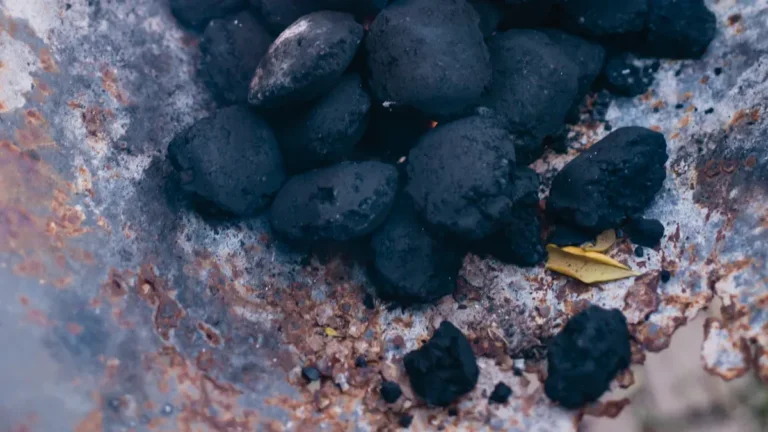
Pelletized Activated Carbon Manufacturer

Pelletized Activated Carbon Summary

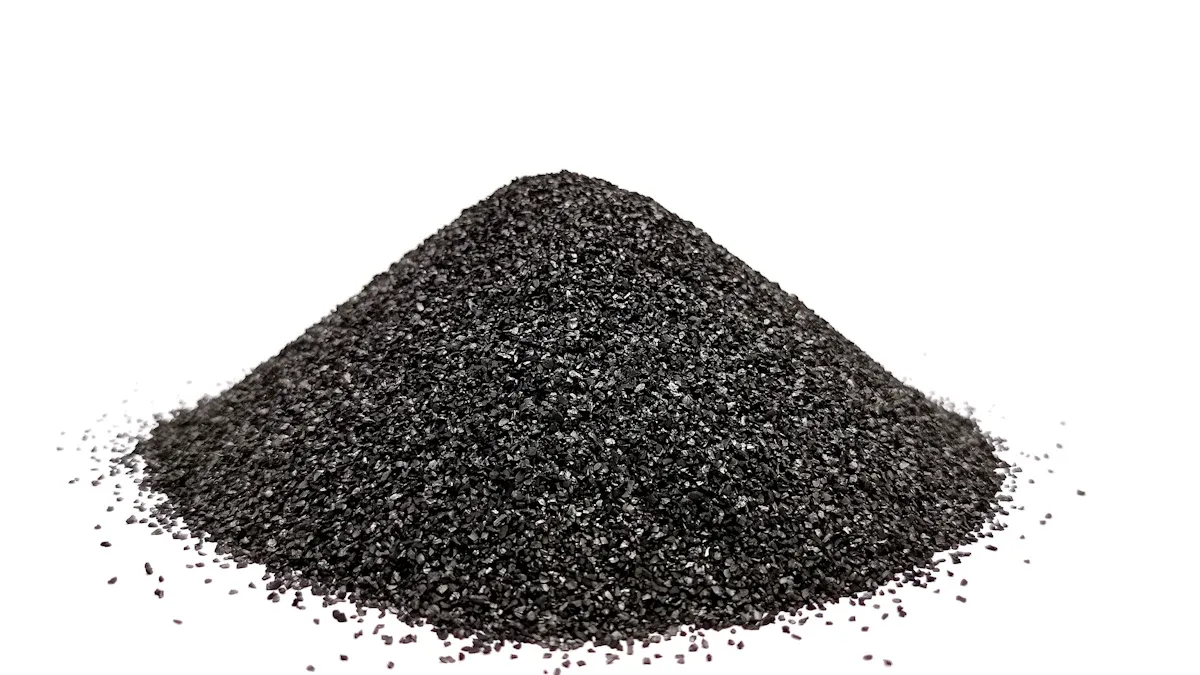
Activated Carbon For Soil Additive

Pelletized Activated Carbon is an extruded, cylindrical carbon media made from powdered activated carbon and binders. Its high density, strength, and attrition resistance make it ideal for continuous-flow vapor-phase applications, including VOC removal, acid gas treatment, and airborne contaminant control. 
Appearance & FormCylindrical Pellets (ϕ1.5−8.0 mm)
比表面積 (m²/g)750−1300
Iodine Adsorption Value (mg/g)700−1250
Carbon Tetrachloride Adsorption (CTC, %)40−90
Methylene Blue Adsorption (mg/g)100−180
Apparent / Bulk Density (g/L)420−550
Mechanical / Compressive StrengthHardness ≥ 92−98%
Pressure Drop / Fluid ResistanceLow air resistance / Suitable for fixed bed
Typical Application FieldsIndustrial VOCs abatement, solvent recovery

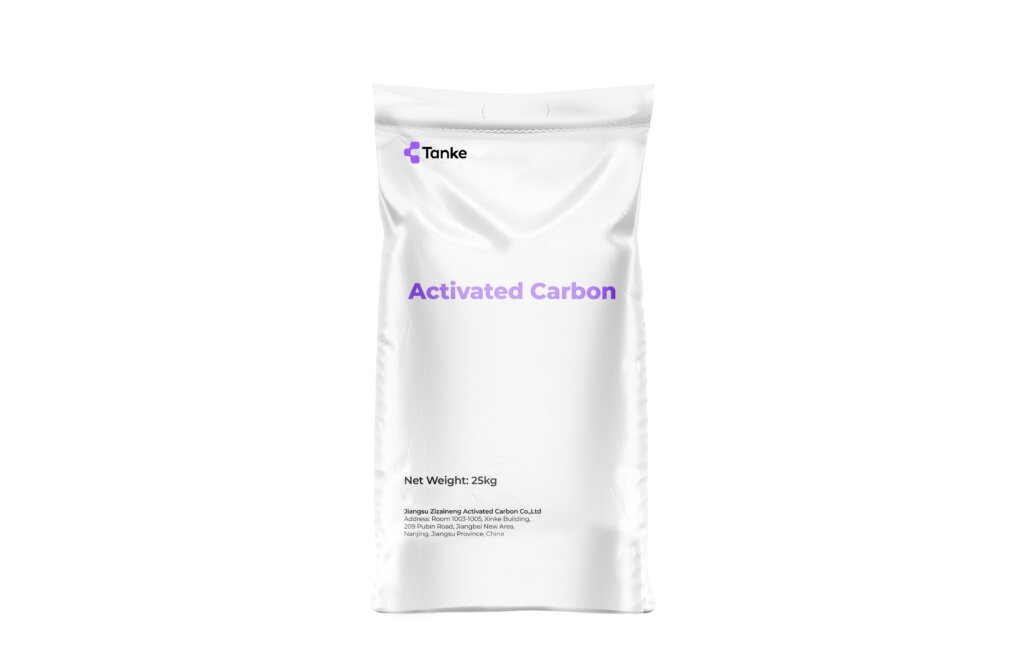
Activated Carbon Packaging and Shipping

  • 25kg/bag
  • 500kg/jumbo bag
  • Package and lable can be customized on clients’ request
  • Provide sea, air and truck delivery
  • Sample delivery method: FedEx
activated-carbon-packaging-bag-scaled

Why Choose Us

製造

We control extrusion and activation variables to provide pellets of consistent density and high purity with superior adsorption properties, batch-to-batch.

Sales

We sell worldwide and can produce bulk volume sales of our pelletized carbon products at competitive prices. In addition to standard products, we are happy to respond to customer requirements for special properties.

Service

We can assist customers with technical support from system design through product selection to troubleshooting on site, if required.
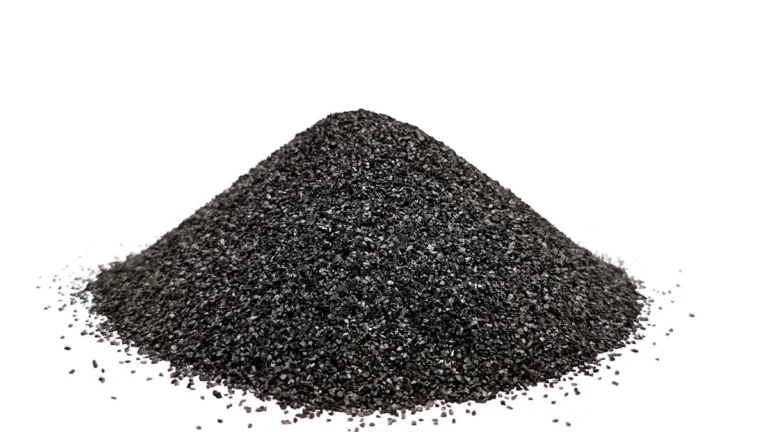
Relevant Application Scenarios

Air/Gas Treatment

Description: PAC is exceptionally effective in gas-phase applications due to its low pressure drop and high mechanical strength, removing contaminants from industrial air streams.

産業廃棄物ガス処理

Used to capture VOCs, solvents, and hazardous air pollutants from manufacturing and chemical process exhausts.

Air purifying

Purifies indoor air in commercial and industrial buildings by removing odors, chemicals, and gaseous impurities.

バイオ消臭

Effectively controls strong, complex odors from wastewater treatment plants, rendering facilities, and composting sites.

バイオガス

Purifies raw biogas by adsorbing contaminants like hydrogen sulfide and siloxanes, upgrading it to renewable natural gas (RNG) standards.

ケミカル

Description: PAC serves as a robust adsorbent and catalyst support in chemical manufacturing and synthesis, handling aggressive process conditions.

Desulfurization

Removes sulfur compounds from various gas streams, including natural gas and syngas, to prevent catalyst poisoning and corrosion.

DeNOx

Used in processes to reduce nitrogen oxides (NOx) from flue gases, often as a component in catalytic systems.

Mercury Removal

Specially impregnated PAC pellets are highly effective at capturing vapor-phase mercury from coal-fired power plant flue gases.

触媒

Acts as a durable support material for catalysts in various chemical reactions due to its high surface area and stability.

Food & Beverage

Description: PAC is used to decolorize and purify ingredients and process streams, ensuring product quality and clarity in food production.

Food Decolorization

It adsorbs unwanted colors and contaminants from syrups and oils, ensuring product clarity.

パーソナル・プロテクション

Description: PAC is integrated into gas masks and respirator cartridges for its efficient adsorption of toxic gases and vapors in hazardous environments.

マスク

Used in industrial and military-grade respirators to protect users from a wide spectrum of chemical warfare agents and toxic industrial chemicals.

FAQs

Which activated carbon is suitable for my application?

The right activated carbon depends on the contaminants to be removed, the treatment process, operating conditions, and the required adsorption performance. Different applications may require different carbon types, particle sizes, iodine values, hardness, ash content, or other specifications.

For example, powdered activated carbon is commonly considered for liquid-phase treatment where rapid adsorption and easy dosing are important. Granular activated carbon is often selected for fixed-bed filtration systems, while pelletized carbon can be suitable for gas-phase treatment and applications where controlled airflow and lower pressure drop are important.

If you share your application, target contaminant, treatment process, and operating conditions, we can recommend a suitable activated carbon grade and specification.

Can you provide customized iodine value, CTC, hardness and particle size?

Yes. Activated carbon can be supplied in different grades according to application requirements. Depending on the product type and production conditions, specifications such as iodine value, CTC activity, hardness, particle size, ash content, moisture, and bulk density can be discussed for a specific application.

For particle size, we can provide different mesh ranges or pellet diameters depending on the intended use.

If you already have a technical specification or target parameters, you can send them to us for evaluation. We can then confirm the available grade and provide the corresponding technical data.

Do you provide samples before bulk orders?

Yes. Samples can be provided for customers who need to evaluate activated carbon before placing a larger order.

Sample testing can help you assess important characteristics such as adsorption performance, particle size, moisture, hardness, or compatibility with your existing treatment process.

For application-specific projects, we recommend testing the sample under conditions as close as possible to your actual operating environment. This provides a more meaningful basis for selecting the appropriate grade than comparing specifications alone.

Please contact us with your application details and required specification so we can discuss the appropriate sample.

What packaging options are available for export?

Activated carbon can be packed according to the product type, order quantity, transportation method, and customer's requirements.

Common export packaging options include 20kg、25kg and 500kg bags. Smaller quantities can also be arranged in smaller inner packages when required for sampling or specific applications.

For international shipments, packaging should provide adequate protection against moisture, contamination, and physical damage during handling and transportation.

If you have specific packaging, labeling, or shipping requirements, please provide them when requesting a quotation so we can recommend a suitable packing solution.

How do I compare coconut shell, coal-based and wood-based activated carbon?

Coconut shell activated carbon is widely associated with high microporosity and is often considered for applications requiring adsorption of smaller molecules, including certain water treatment and gold recovery applications.

Coal-based activated carbon offers a broader pore structure and can be produced in different forms and grades. It is commonly used across water treatment, industrial purification, and other adsorption processes.

Wood-based activated carbon is often characterized by a relatively developed mesoporous structure and is frequently considered for applications such as color removal, decolorization, and adsorption of larger organic molecules.

When comparing activated carbons, it is better to evaluate the complete specification—including pore structure, iodine value, CTC, hardness, ash, particle size, and application-specific adsorption performance—rather than selecting a raw material based on its name alone.

関連ブログ

What Is Pelletized Activated Carbon and How Is It Made
続きを読む
What Is Pelletized Activated Carbon and How Is It Produced
続きを読む
A Simple Guide to Pelletized Activated Carbon
続きを読む
上部へスクロール

お問い合わせ

名称