Silver-Loaded Activated Carbon

Silver-Loaded Activated Carbon Summary

Activated Carbon For Soil Additive

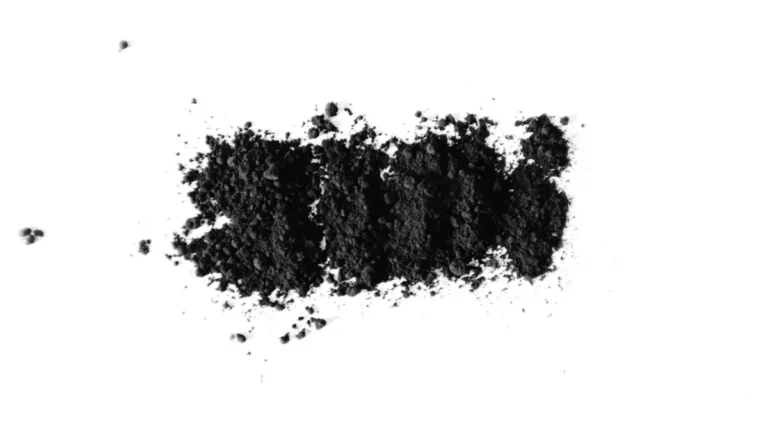
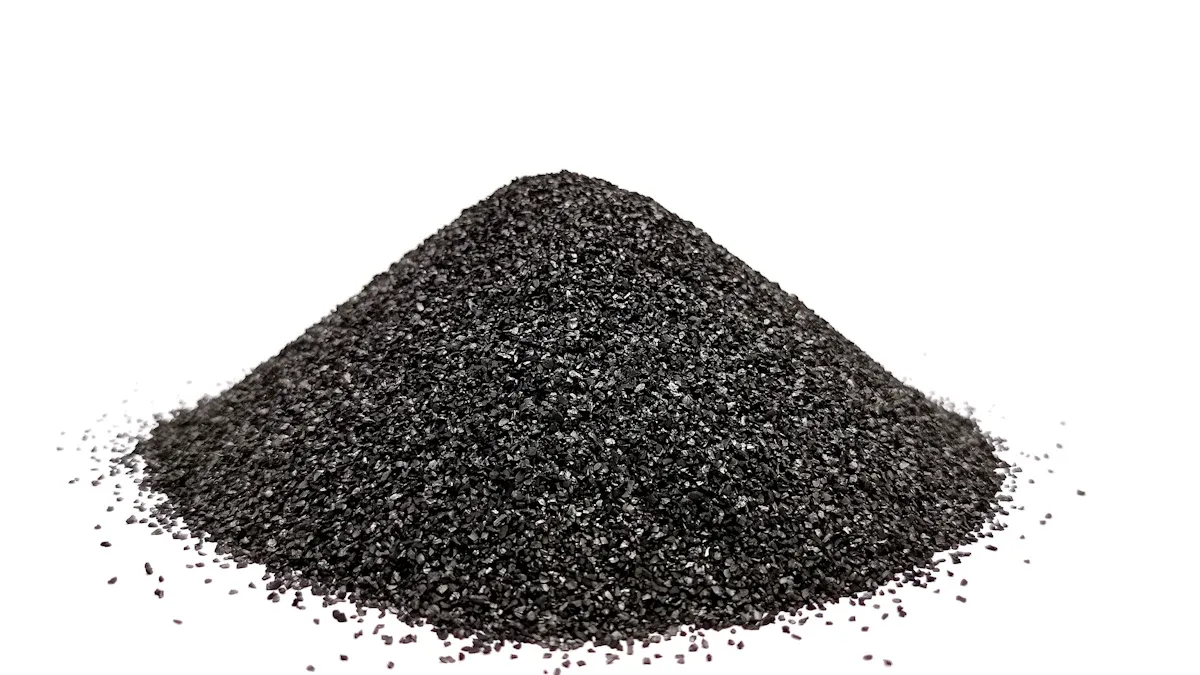
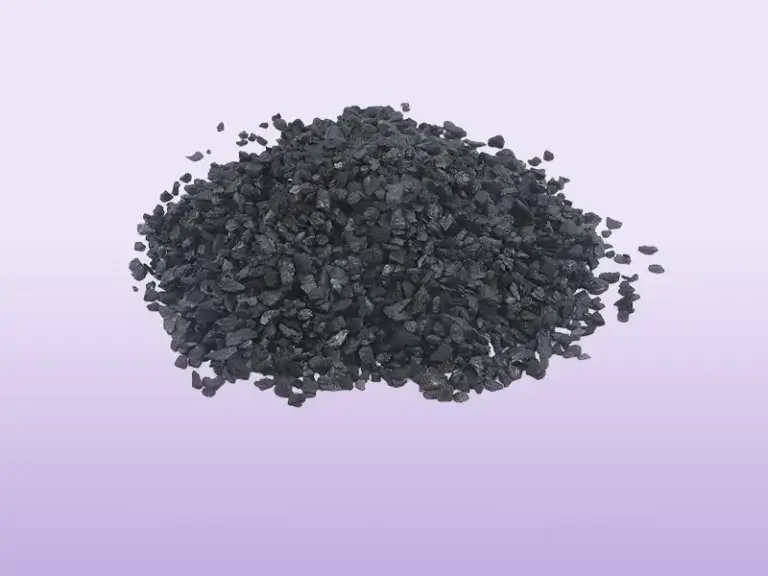
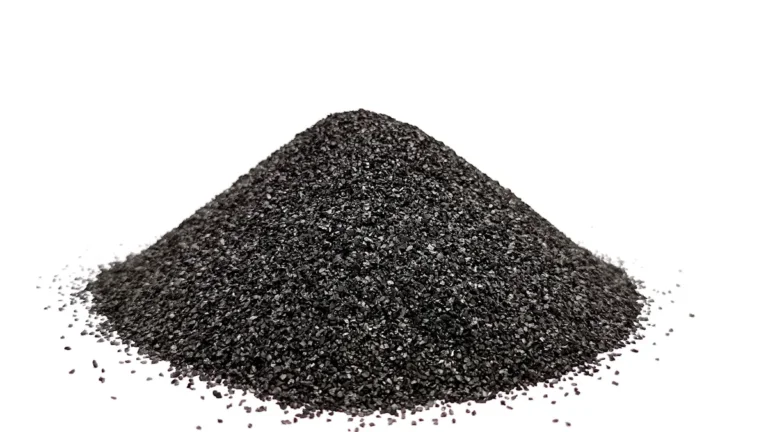
Silver-Loaded Activated Carbon combines activated carbon’s adsorption capacity with silver’s antimicrobial properties. It helps control selected microorganisms while removing organic compounds, odors, and impurities, making it suitable for water purification, drinking water treatment, air filtration, and specialized purification systems.
Main Impregnants / ChemicalsSilver Nitrate (AgNO₃)
Target Contaminants / Application FieldsDisinfection, antibacterial control, & anti-algae growth in drinking water
Adsorption & Reaction MechanismSlow release of silver ions disrupting bacterial proteins
Common Base Carbon SelectionHigh-quality coconut shell granular carbon
Loading Amount / Technical SpecificationsSilver loading 0.05−0.3%; Dissolved silver in effluent meets WHO standards

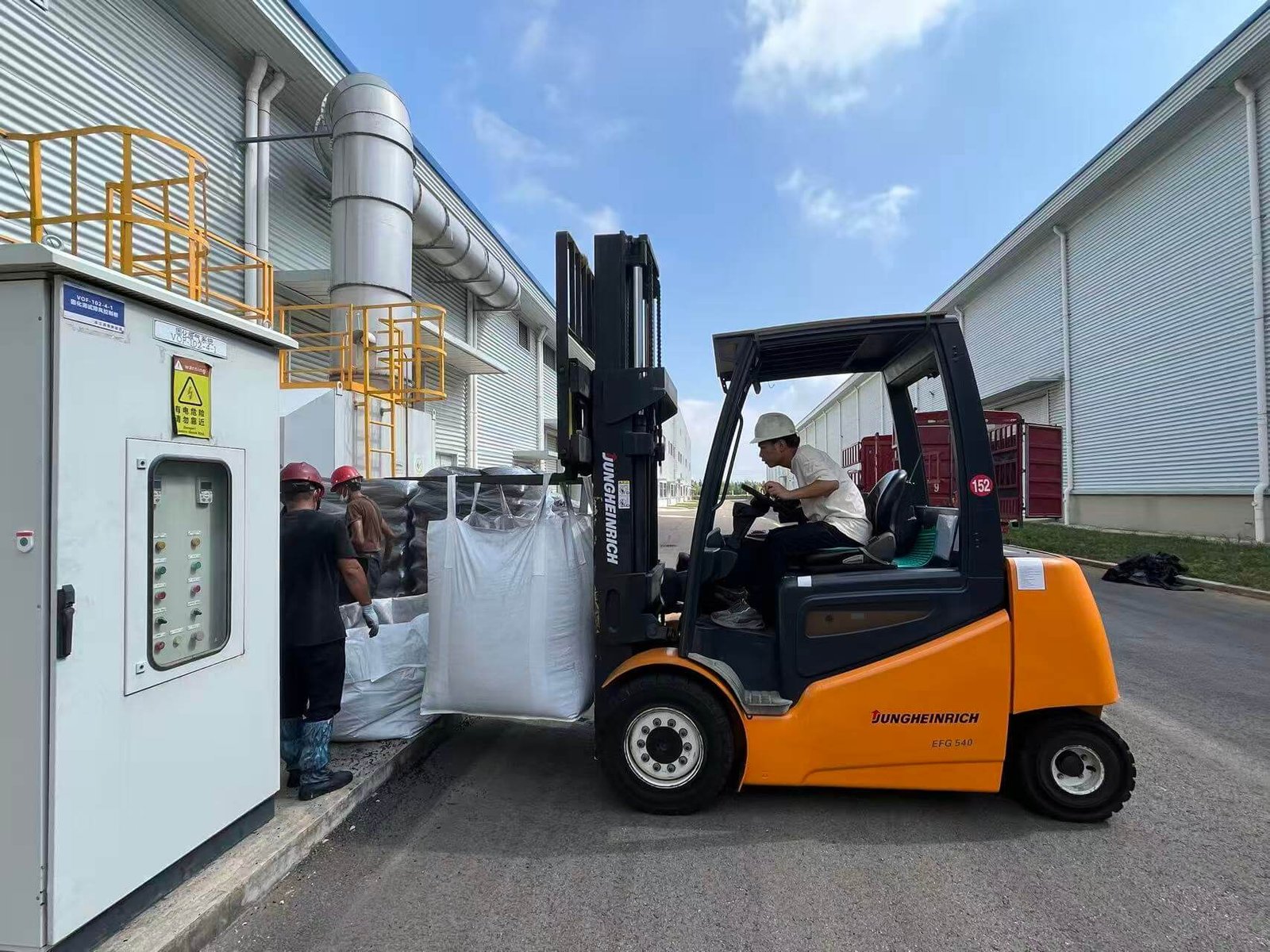
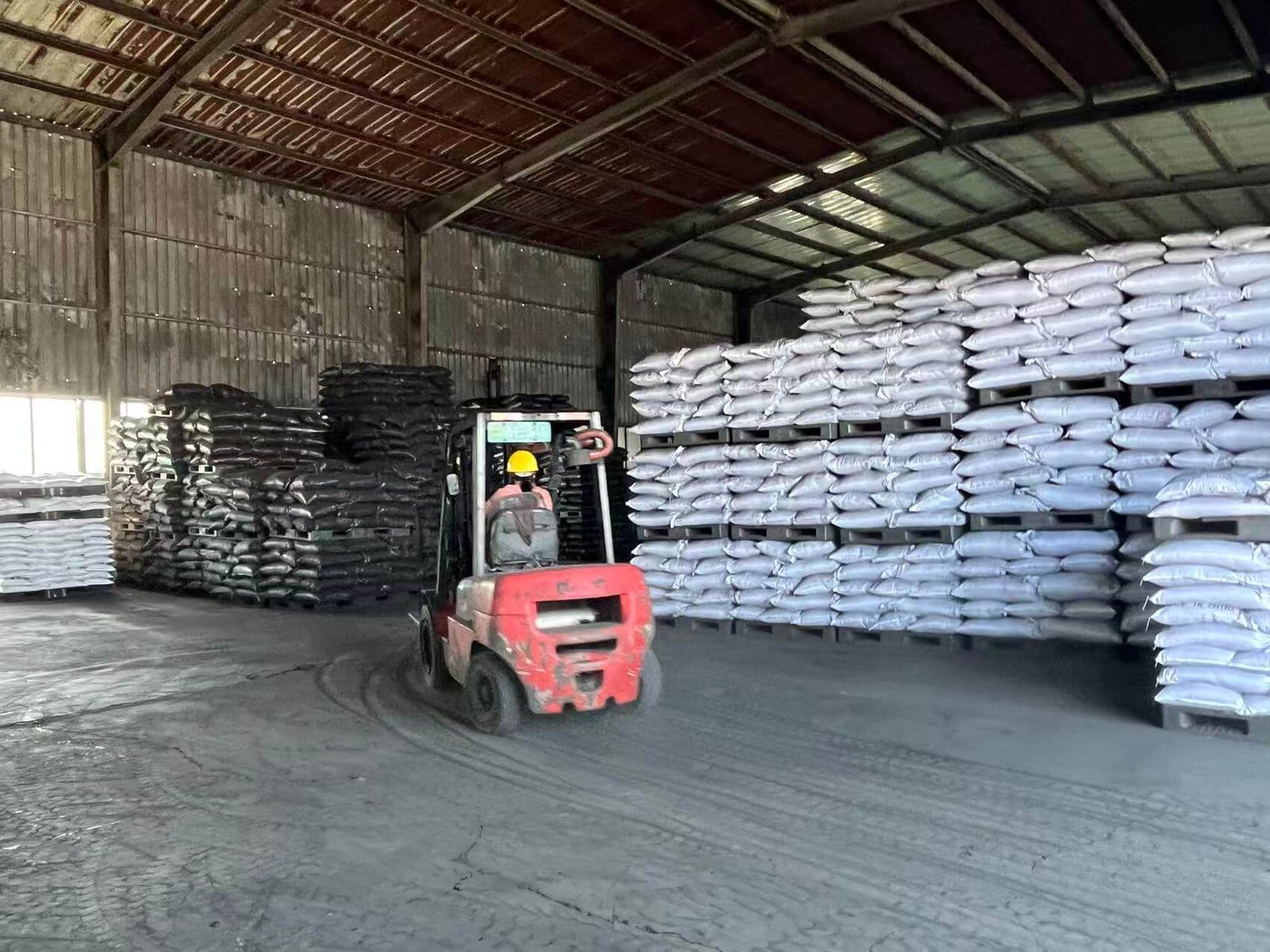
Activated Carbon Packaging and Shipping

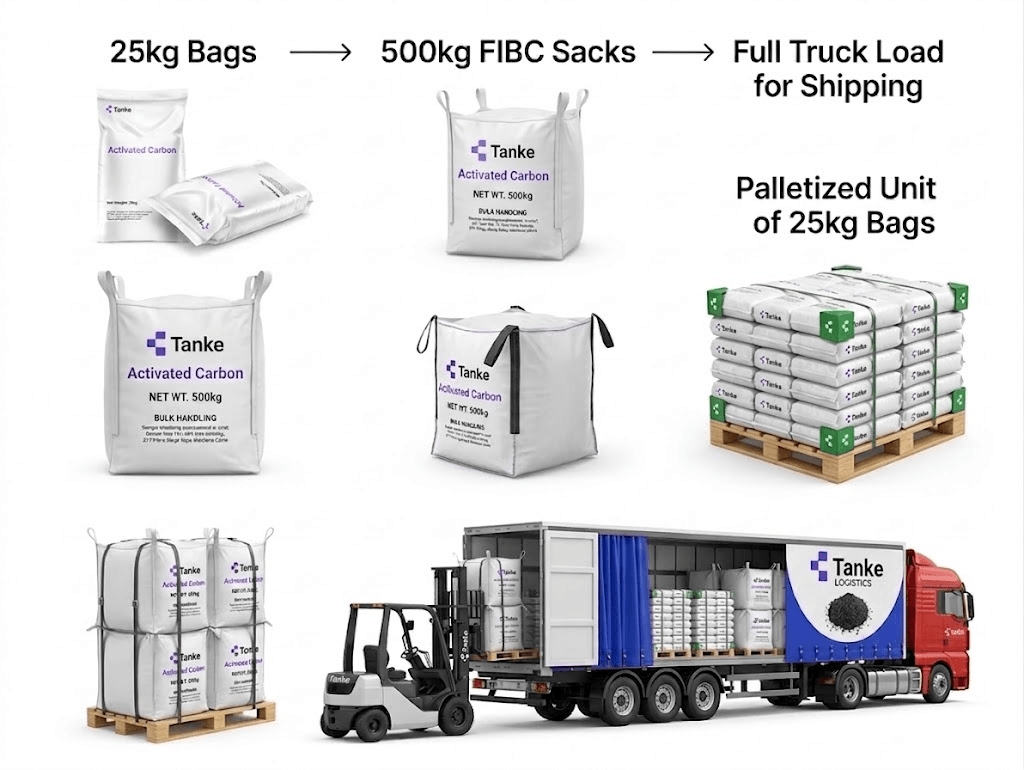
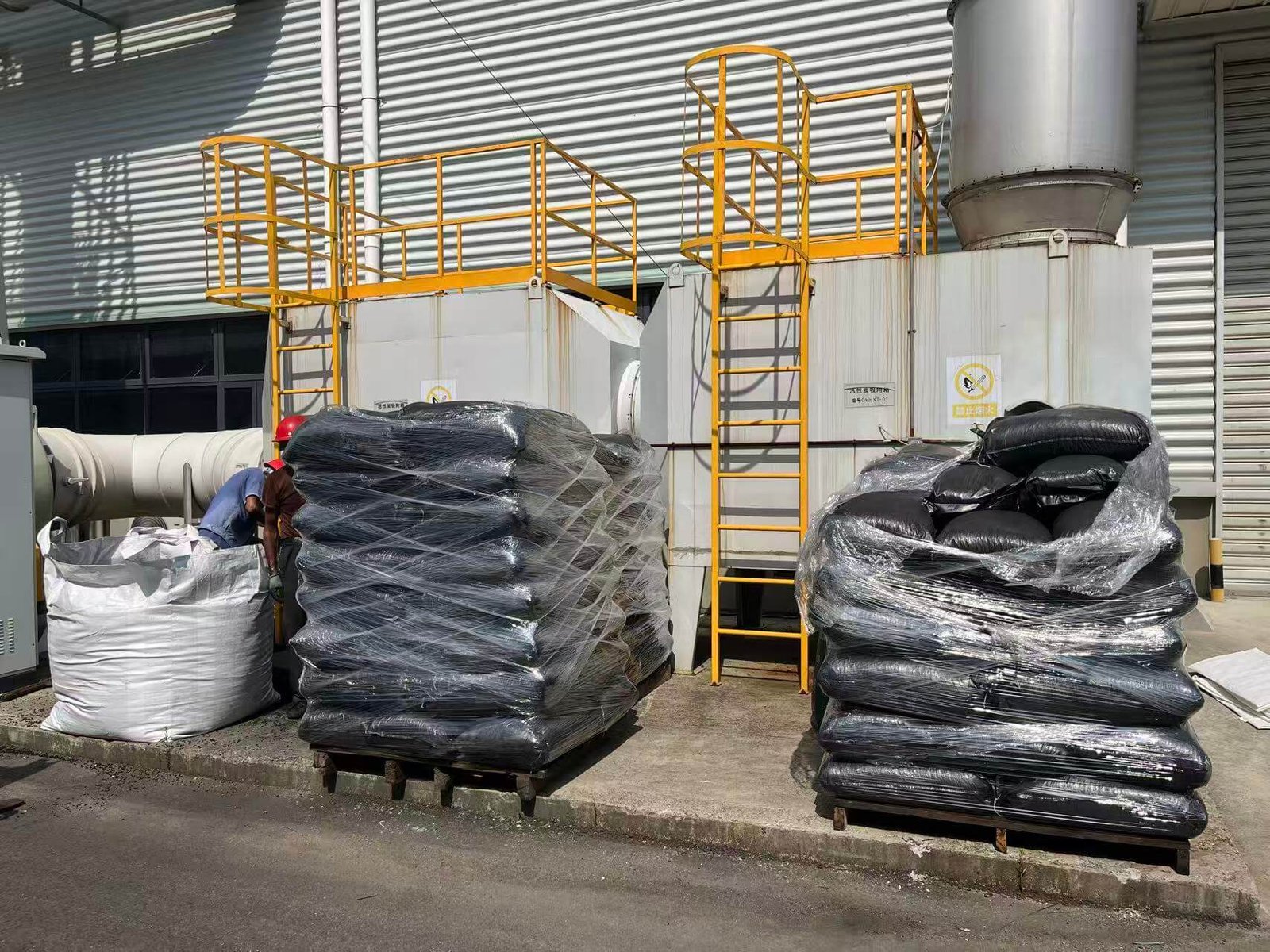
  • 25kg/bag
  • 500kg/jumbo bag
  • Package and lable can be customized on clients’ request
  • Provide sea, air and truck delivery
  • Sample delivery method: FedEx

Our Activated Carbon Plant

Why Choose Us

Production

Precisely controlled silver-loading processes ensure uniform silver distribution, consistent activated carbon quality, stable pore structure, reliable adsorption performance, and consistent product quality across production batches.

Sales

We offer flexible silver-loaded activated carbon specifications, competitive pricing, and customized purification solutions for diverse industrial applications, contaminant removal requirements, and specialized gas and water treatment processes.

Service

Our technical team provides professional silver-loaded activated carbon selection, application matching, packaging, and delivery support tailored to customer requirements, treatment conditions, and specific industrial purification applications.
Relevant Application Scenarios

Traitement de l'eau

Description:
Silver-loaded activated carbon is particularly suitable for water purification applications where adsorption of dissolved contaminants needs to be combined with microbial control. It can be used in selected drinking water and filtration systems, subject to applicable regulatory and material requirements.

Drinking Water Treatment

Supports contaminant adsorption and microbial control in drinking water filtration systems using high-performance silver-loaded activated carbon.

Wastewater Treatment

Provides effective adsorption of selected organic contaminants while supporting microbial control in wastewater treatment systems using silver-loaded activated carbon.

Ultrapure Water

Supports ultrapure water purification using carefully selected silver-loaded activated carbon with low contaminant levels for specialized treatment systems requiring high media purity.

Food & Beverage

Description:

Silver-loaded activated carbon can be considered for selected food and beverage water purification processes where adsorption performance and microbial control are required. Application suitability depends on regulatory compliance and material specifications.

Food Decolorization

Supports selected purification processes requiring adsorption and microbial control around food production systems.

Drinking Water Treatment

Helps purify process water by reducing selected organic contaminants and microorganisms.

Traitement des gaz et de l'air

Description:
Silver-loaded activated carbon can be used in specialized air filtration where odor and selected gaseous contaminants need adsorption alongside microbial control. Product selection depends on the target contaminants and operating conditions.

Air Filtration

Adsorbs selected gaseous contaminants and odors while supporting microbial control in filtration systems.

Bio Odor Control

Helps reduce selected odors while supporting microbial control in controlled treatment environments.

Médical

Description:
Silver-loaded activated carbon can be incorporated into selected specialized purification materials where adsorption and antimicrobial functionality are required. Medical applications require appropriate grades, testing, and regulatory compliance.

Médecine

Used in selected specialized purification applications requiring controlled adsorption and antimicrobial functionality.

FAQs

Which activated carbon is suitable for my application?

The right activated carbon depends on the contaminants to be removed, the treatment process, operating conditions, and the required adsorption performance. Different applications may require different carbon types, particle sizes, iodine values, hardness, ash content, or other specifications.

For example, powdered activated carbon is commonly considered for liquid-phase treatment where rapid adsorption and easy dosing are important. Granular activated carbon is often selected for fixed-bed filtration systems, while pelletized carbon can be suitable for gas-phase treatment and applications where controlled airflow and lower pressure drop are important.

If you share your application, target contaminant, treatment process, and operating conditions, we can recommend a suitable activated carbon grade and specification.

Can you provide customized iodine value, CTC, hardness and particle size?

Yes. Activated carbon can be supplied in different grades according to application requirements. Depending on the product type and production conditions, specifications such as iodine value, CTC activity, hardness, particle size, ash content, moisture, and bulk density can be discussed for a specific application.

For particle size, we can provide different mesh ranges or pellet diameters depending on the intended use.

If you already have a technical specification or target parameters, you can send them to us for evaluation. We can then confirm the available grade and provide the corresponding technical data.

Do you provide samples before bulk orders?

Yes. Samples can be provided for customers who need to evaluate activated carbon before placing a larger order.

Sample testing can help you assess important characteristics such as adsorption performance, particle size, moisture, hardness, or compatibility with your existing treatment process.

For application-specific projects, we recommend testing the sample under conditions as close as possible to your actual operating environment. This provides a more meaningful basis for selecting the appropriate grade than comparing specifications alone.

Please contact us with your application details and required specification so we can discuss the appropriate sample.

What packaging options are available for export?

Activated carbon can be packed according to the product type, order quantity, transportation method, and customer's requirements.

Common export packaging options include 20kg、25kg and 500kg bags. Smaller quantities can also be arranged in smaller inner packages when required for sampling or specific applications.

For international shipments, packaging should provide adequate protection against moisture, contamination, and physical damage during handling and transportation.

If you have specific packaging, labeling, or shipping requirements, please provide them when requesting a quotation so we can recommend a suitable packing solution.

How do I compare coconut shell, coal-based and wood-based activated carbon?

Charbon actif en coquille de noix de coco is widely associated with high microporosity and is often considered for applications requiring adsorption of smaller molecules, including certain water treatment and gold recovery applications.

Charbon actif à base de charbon offers a broader pore structure and can be produced in different forms and grades. It is commonly used across water treatment, industrial purification, and other adsorption processes.

Charbon actif à base de bois is often characterized by a relatively developed mesoporous structure and is frequently considered for applications such as color removal, decolorization, and adsorption of larger organic molecules.

When comparing activated carbons, it is better to evaluate the complete specification—including pore structure, iodine value, CTC, hardness, ash, particle size, and application-specific adsorption performance—rather than selecting a raw material based on its name alone.

Blog connexe

Granular Activated Carbon
Lire la suite
Activated Carbon For Soil Additive
Lire la suite
What Is Granular Activated Carbon and How Is It Used
Lire la suite
Retour en haut

Obtenir une demande de renseignements

Nom