
Food Preservation Activated Carbon keeps your food fresh longer
Food Preservation Activated Carbon traps spoilage agents, keeping food fresh and extending shelf life safely for home and commercial storage.

Food Preservation Activated Carbon traps spoilage agents, keeping food fresh and extending shelf life safely for home and commercial storage.
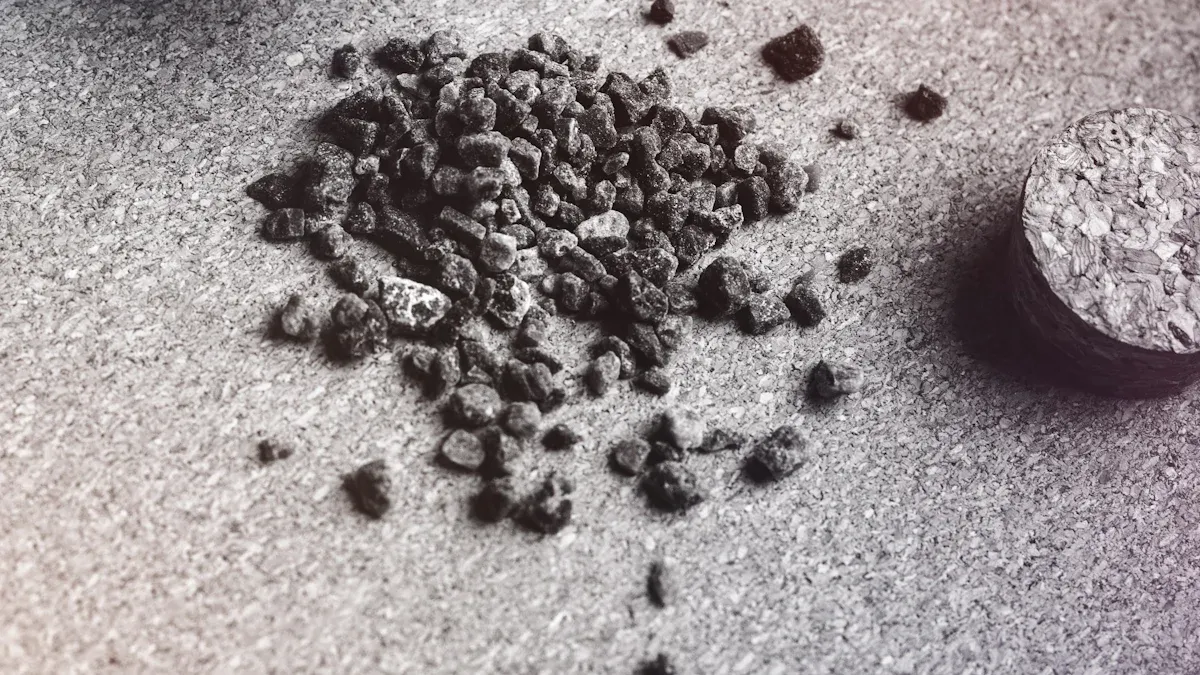
Food Decolorization Activated Carbon types include powdered, granular, coconut shell-based, and high-purity options for safe, effective color removal in foods.
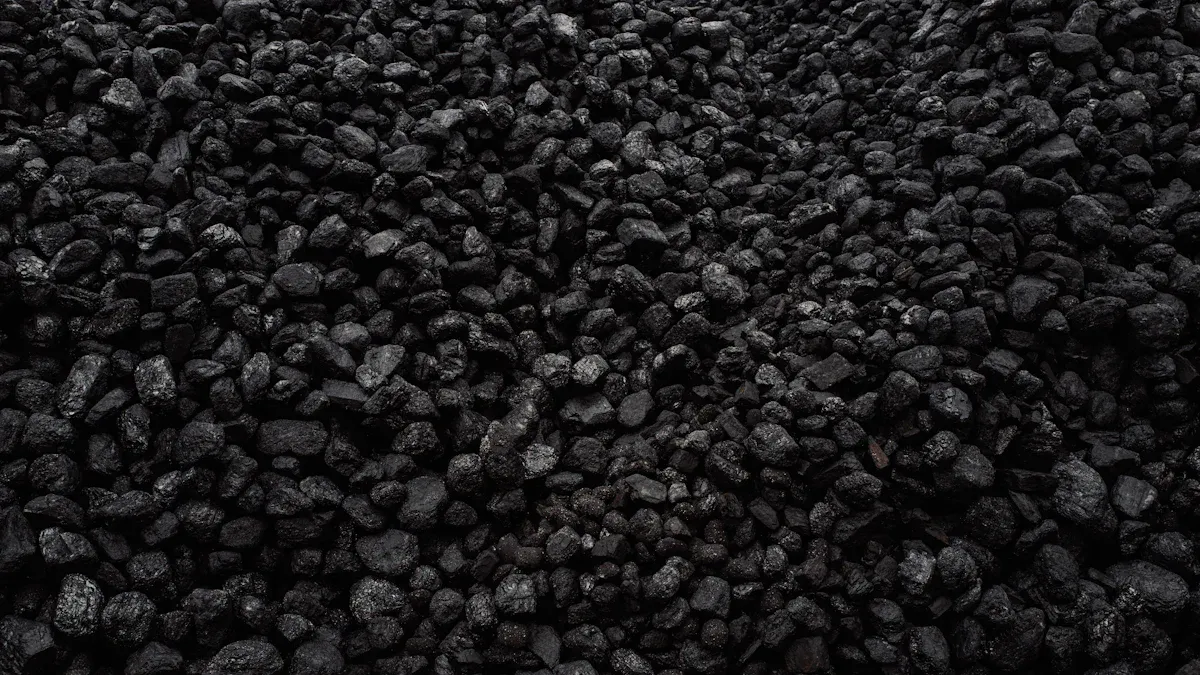
Beverage Activated Carbon removes impurities, enhances taste, and ensures safer drinks by adsorbing unwanted compounds without affecting nutrients.

Food Activated Carbon purifies foods and treats poisonings by adsorbing toxins, but long-term use may cause nutrient loss and medication interference.

Mask Activated Carbon in face masks traps gases, odors, and particles with its porous structure, offering enhanced protection and cleaner air.

Personal Protection Activated Carbon traps harmful gases and particles in masks and clothing, offering effective air and skin protection for safer environments.
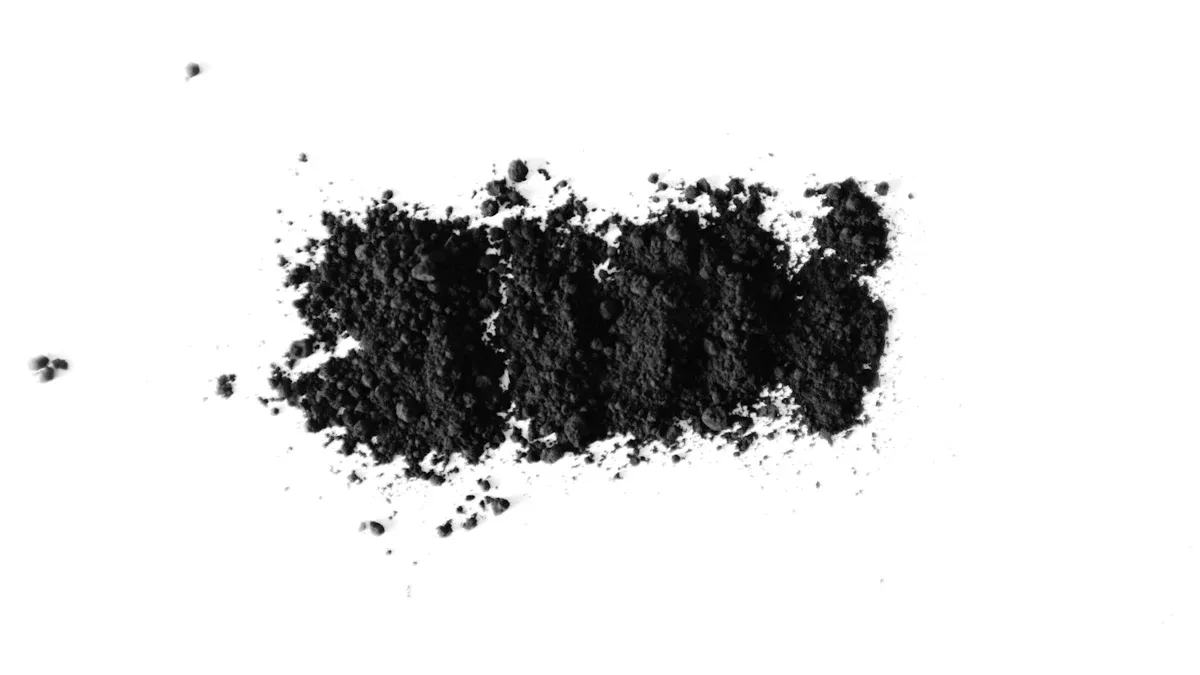
Lithium Battery Activated Carbon increases power, charging speed, and battery life by enhancing conductivity, energy density, and structural stability.

Super Capacitor Activated Carbon boosts fast charging by maximizing ion storage and conductivity in supercapacitor electrodes for efficient energy use.
New Energy Activated Carbon boosts energy density, cycle life, and eco-friendly storage in batteries and supercapacitors for sustainable power solutions.