What Is Pelletized Activated Carbon and How Is It Produced
Pelletized activated carbon consists of strong, uniform pellets made from carbon-rich materials and produced through carbonization and activation.


Pelletized activated carbon consists of strong, uniform pellets made from carbon-rich materials and produced through carbonization and activation.
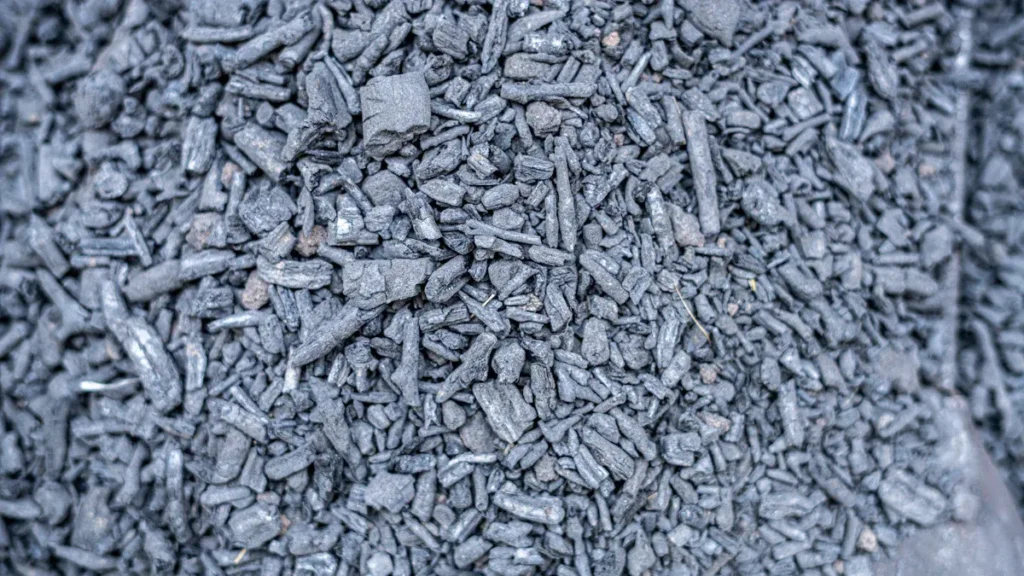
Granular activated carbon traps chemicals and odors in tiny pores, providing efficient filtration for cleaner water and air.
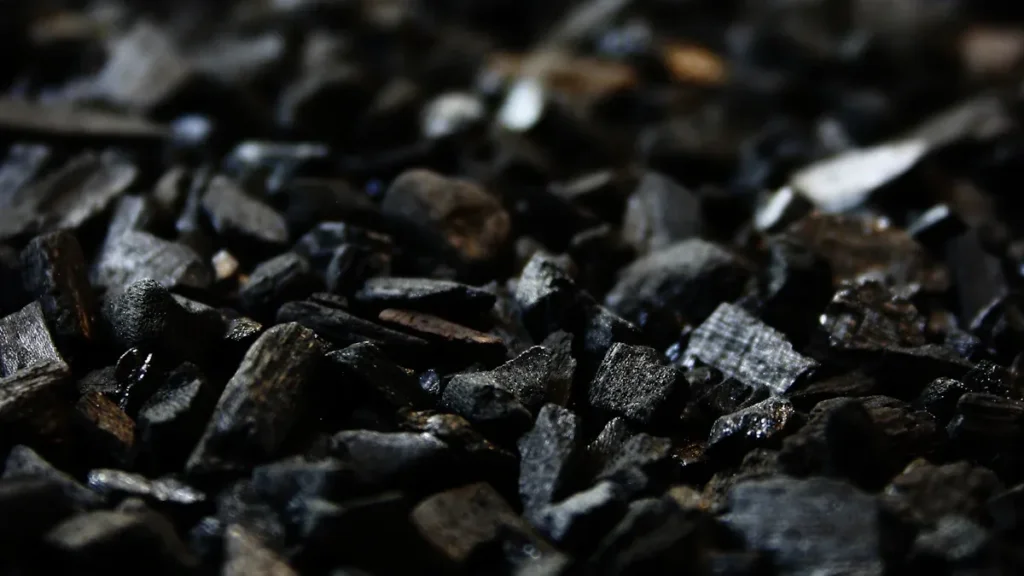
Impregnated activated carbon uses added chemicals to adsorb and neutralize tough contaminants, offering targeted purification for air, water, and gas.
Catalytic activated carbon removes tough water contaminants by adsorbing and breaking down chloramines and hydrogen sulfide for cleaner, better-tasting water.
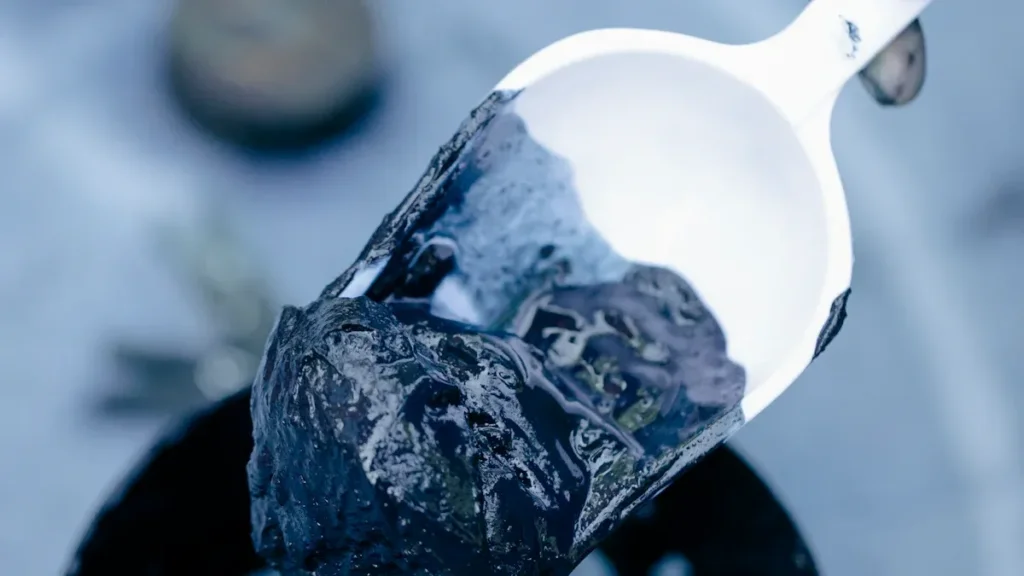
Mercury Removal Activated Carbon traps mercury from water and air through adsorption, helping you meet safety standards and protect health effectively.
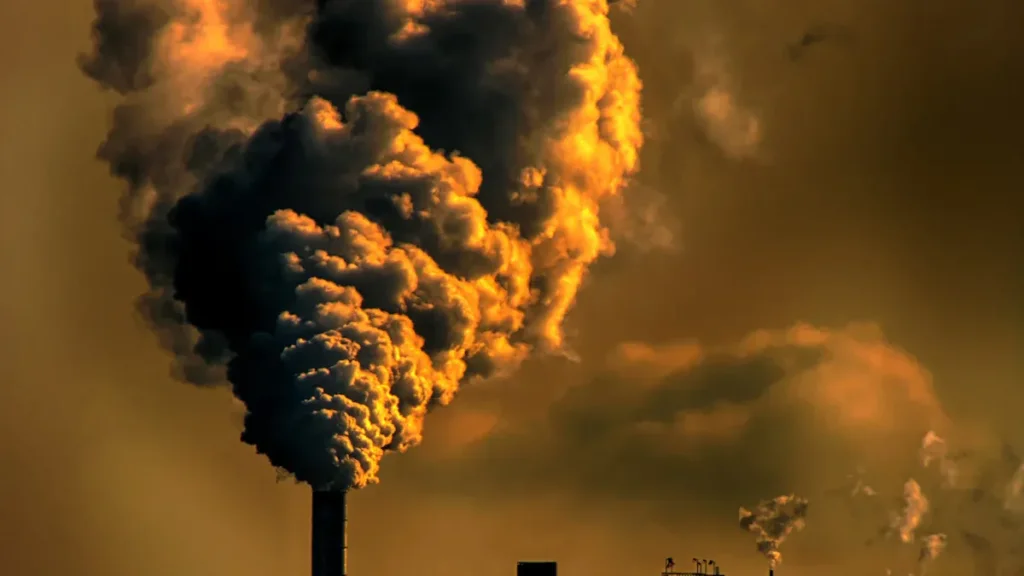
DeNOx Activated Carbon removes NOx from industrial emissions by adsorbing and converting gases, ensuring high efficiency and no harmful byproducts.
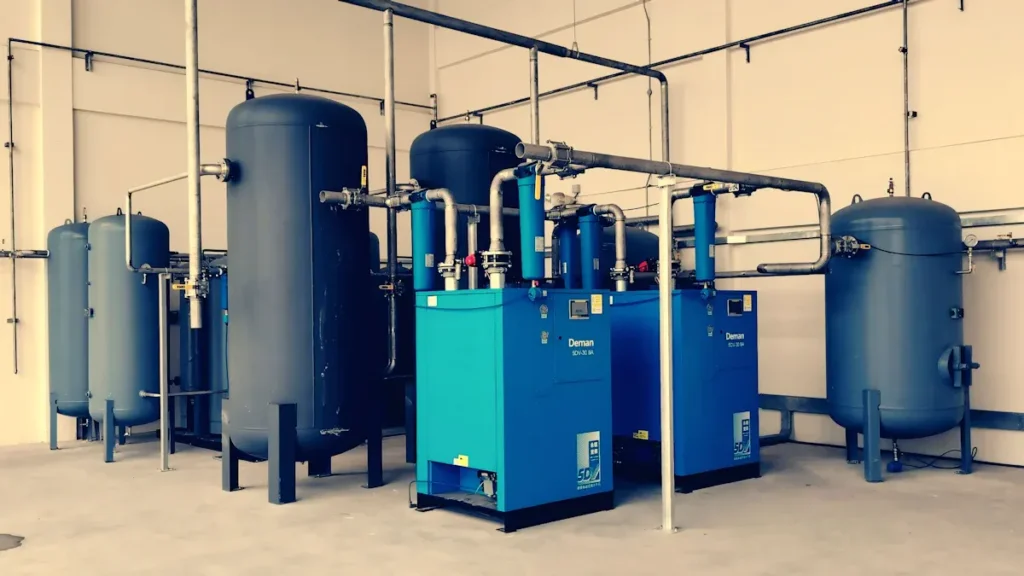
Desulfurization Activated Carbon rapidly removes sulfur compounds from industrial air, ensuring efficient, cost-effective, and sustainable emission control.
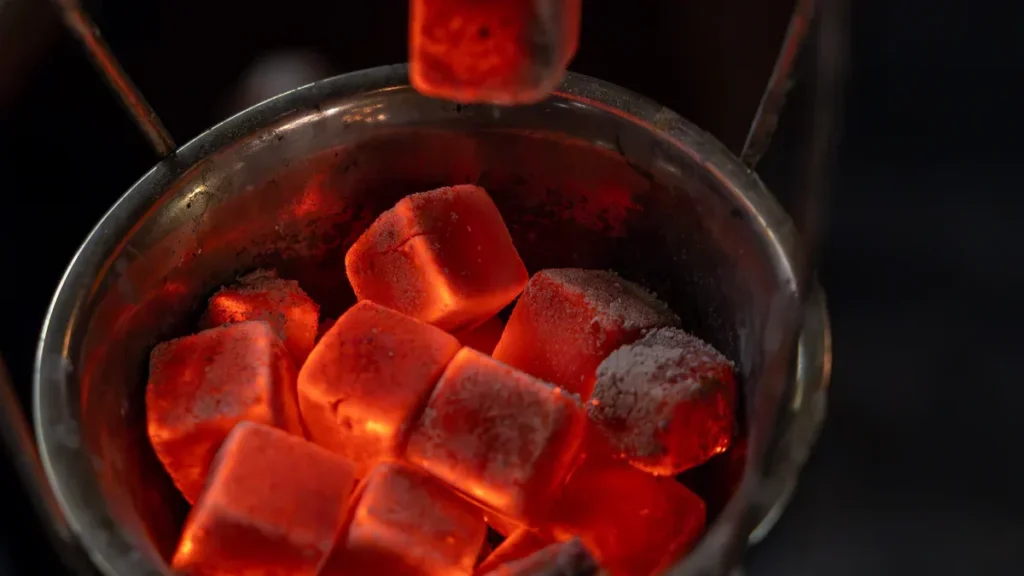
Chemical activated carbon is a porous material that removes contaminants from air and water by adsorbing pollutants onto its large surface area.
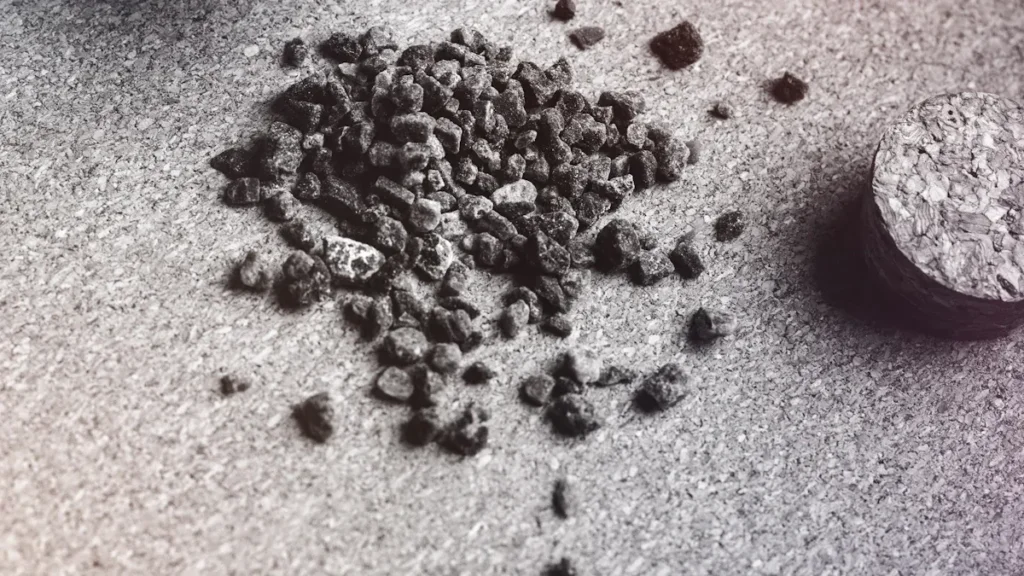
Blood Purification Activated Carbon removes toxins during hemoperfusion, offering effective and safe treatment for poisoning and kidney failure.