
Industrial gas treatment is a cornerstone of modern environmental compliance, process safety, and product quality across sectors ranging from natural gas processing to indoor air management. Among the technologies available for removing gaseous contaminants, activated carbon stands out as one of the most versatile and widely deployed adsorbents. Its exceptionally high internal surface area, tunable pore structure, and ability to be chemically modified for targeted pollutant capture make it a preferred choice for engineers and plant operators worldwide.
Activated carbon removes gaseous contaminants through physical adsorption, where pollutant molecules are trapped within its extensive micropore and mesopore network, and through chemisorption when the carbon is impregnated with reactive compounds for specific gases such as hydrogen sulfide, ammonia, or mercury vapor.
The growing stringency of environmental regulations on industrial emissions, coupled with rising demand for high-purity gases in manufacturing and energy production, has driven sustained innovation in activated carbon technology. From the removal of volatile organic compounds (VOCs) in paint booths to mercury capture in liquefied natural gas (LNG) facilities, activated carbon serves as a critical unit operation. This article provides a comprehensive technical overview of how activated carbon works in gas treatment, the different types available, key selection criteria, major industrial applications, and the role of regeneration in achieving cost effective and sustainable operations.
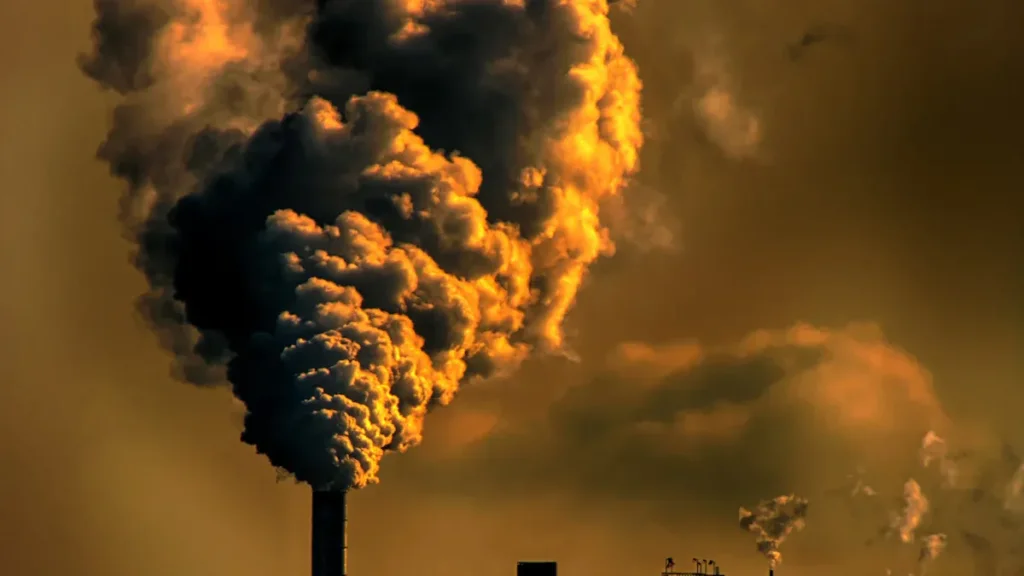
How Does Activated Carbon Remove Contaminants from Gas Streams?
Activated carbon removes gaseous contaminants primarily through physical adsorption, a surface phenomenon in which gas molecules are attracted to and retained on the internal surfaces of the carbon’s pore structure via van der Waals forces. For certain target compounds, chemisorption also plays a role when the carbon surface has been chemically modified to react with specific pollutants.
The mechanism begins with the unique physical architecture of activated carbon. Through controlled thermal or chemical activation of carbonaceous precursors such as coconut shells, coal, or wood, manufacturers create a material with an internal surface area typically ranging from 700 to 1,800 square meters per gram. This vast surface area is housed within a hierarchical pore network comprising micropores (under 2 nm in diameter), mesopores (2 to 50 nm), and macropores (over 50 nm). Micropores are responsible for the majority of adsorption capacity for small molecule contaminants because their dimensions are comparable to the kinetic diameters of common gas phase pollutants such as toluene, benzene, hydrogen sulfide, and sulfur dioxide.
When a contaminated gas stream passes through a bed of activated carbon, the pollutant molecules diffuse from the bulk gas phase to the external surface of the carbon granules or pellets, then migrate through the macropore and mesopore network to reach the micropores where adsorption primarily occurs. The effectiveness of this process depends on several factors: the concentration of the contaminant, the gas flow rate and resulting contact time, temperature, humidity, and the affinity between the contaminant molecule and the carbon surface. Higher molecular weight organic compounds generally adsorb more readily than lighter ones, while elevated temperatures tend to reduce adsorption capacity because adsorption is an exothermic process.
In addition to physical adsorption, impregnated activated carbons introduce a chemisorption pathway. By loading the carbon surface with metal oxides, alkaline compounds, or other reactive agents, specific pollutants undergo chemical reactions upon contact. For example, carbons impregnated with potassium hydroxide or sodium hydroxide can neutralize acidic gases such as hydrogen chloride and sulfur dioxide, while those treated with metal salts can capture hydrogen sulfide through catalytic oxidation to elemental sulfur. This dual mechanism of physisorption and chemisorption is what gives activated carbon its remarkable versatility across diverse gas treatment scenarios. Research published on the removal of flue gas pollutants has confirmed that activated coke and activated carbon can simultaneously address multiple pollutants including SO2, NOx, elemental mercury (Hg0), and VOCs through a combination of these mechanisms.
What Types of Activated Carbon Are Used in Gas Phase Applications?
The principal types of activated carbon used in gas treatment include granular activated carbon (GAC), pelletized or extruded carbon, powdered activated carbon (PAC), and impregnated or chemically modified carbon. Each form is designed for specific operating conditions, pressure drop constraints, and contaminant profiles.
Granular activated carbon is the most commonly used form in fixed bed gas phase adsorbers. Produced from coconut shell, coal, or lignite precursors, GAC particles are irregularly shaped and sized, typically ranging from 4 to 12 mesh (approximately 1.7 to 4.7 mm). The irregular shape creates a tortuous flow path through the bed, which increases contact time between the gas and the carbon surface. Coconut shell based GAC is particularly valued in gas treatment because its predominantly microporous structure yields high adsorption capacity for low molecular weight VOCs and odors. Coal based GAC offers a broader pore size distribution with more mesopores, making it suitable for applications where larger organic molecules need to be captured.
Pelletized or extruded carbon is manufactured by mixing powdered activated carbon with a binder and forming it into cylindrical pellets, typically 2 to 4 mm in diameter. This format offers several advantages for gas phase systems: lower pressure drop across the bed compared to granular carbon, higher mechanical strength with less dust generation, and more uniform packing characteristics. Pelletized carbons are frequently specified in biogas desulfurization, natural gas processing, and compressed air purification where consistent flow distribution and minimal particle attrition are critical. For hydrogen sulfide removal from biogas streams originating from landfills and anaerobic digesters, pelletized carbon beds provide reliable performance with predictable breakthrough characteristics.
Impregnated activated carbon represents a specialized category where standard carbon is treated with chemical agents to enhance removal of gases that are poorly adsorbed by untreated carbon alone. Common impregnants include potassium hydroxide for acidic gases, sodium hydroxide for hydrogen sulfide, phosphoric acid for ammonia and amines, and sulfur or metal oxides for mercury vapor capture. According to ISO 10121, which provides standardized test methods for gas phase air cleaning media, impregnated carbons should be selected based on the specific target compound rather than treated as a universal solution. The choice of impregnant and loading level directly determines the chemisorption capacity and the service life of the carbon bed.
How to Select the Right Activated Carbon for Gas Treatment
Selecting the right activated carbon requires a systematic evaluation of the target contaminant identity and concentration, the gas stream conditions including temperature and humidity, the required removal efficiency, and the operational constraints of the treatment system such as allowable pressure drop and bed depth. Quality indicators including iodine number, BET surface area, and pore size distribution must be considered together rather than in isolation.
The first and most critical step is identifying exactly what needs to be removed. A general request for odor control is insufficient for proper carbon selection. Facility engineers should characterize the gas stream by identifying the specific chemical compounds present, their approximate concentrations, whether the emission is continuous or intermittent, and the presence of any interfering species that may compete for adsorption sites or degrade carbon performance. For example, an air stream containing both toluene and high humidity will require greater carbon mass than one with toluene alone because water vapor competes for micropore adsorption sites.
Once the contaminant profile is understood, the engineering parameters of the treatment system must be evaluated. These include the gas flow rate, which determines the cross sectional area and bed depth needed to achieve adequate contact time. A common guideline is to target a contact time of 0.5 to 2.0 seconds for typical VOC applications, though specific requirements vary by contaminant. Pressure drop across the carbon bed is an important cost consideration because higher pressure drops increase fan or blower energy consumption. The table below summarizes key selection parameters and their typical ranges:
| Parameter | Typical Range | Significance |
| Iodine Number | 800 to 1,200 mg/g | Indicates micropore capacity for small molecules |
| BET Surface Area | 700 to 1,800 m2/g | Measures total internal surface area across all pore sizes |
| Carbon Bed Depth | 300 to 1,500 mm | Determines contact time and working capacity |
| Contact Time | 0.5 to 2.0 seconds | Required for adequate mass transfer |
| Operating Temperature | 10 to 50 degrees C | Higher temperatures reduce adsorption capacity |
| Relative Humidity | Below 70 percent recommended | High humidity competes for adsorption sites |
| Face Velocity | 0.2 to 1.0 m/s | Balances pressure drop and mass transfer |
Quality evaluation of activated carbon should use both the iodine number test per ASTM D4607 and the BET surface area measurement. The iodine number is a rapid, field accessible method that primarily quantifies micropore adsorption capacity, which is most relevant for low molecular weight contaminants such as chlorine, chloramines, and many small organic solvents. The BET surface area, measured via nitrogen adsorption at cryogenic temperatures using the Brunauer Emmett Teller method, provides a complete pore structure profile including mesopores and macropores. For gas phase applications where the target contaminants include larger organic molecules such as paint solvents or diesel range hydrocarbons, BET surface area and mesopore volume are as important as the iodine number. Neither measurement alone provides a sufficient basis for specification, and the two should be used together for critical gas treatment applications.
What Are the Key Industrial Gas Treatment Applications?
Activated carbon is deployed across a wide range of industrial gas treatment applications, including VOC and odor control in manufacturing and commercial HVAC systems, mercury removal from natural gas in LNG production, hydrogen sulfide removal from biogas and landfill gas, flue gas purification in power generation, amine solution purification in gas sweetening, and ethylene and carbon dioxide control in fruit storage atmospheres.
Natural gas processing represents one of the most technically demanding applications. A significant proportion of global natural gas reserves contain trace concentrations of elemental mercury, which poses a serious risk to aluminum heat exchangers used in LNG liquefaction trains. Mercury can cause liquid metal embrittlement, leading to catastrophic equipment failure. Activated carbon impregnated with sulfur or metal sulfides is the leading technology for mercury removal from natural gas, converting the mercury to stable mercury sulfide that remains immobilized within the carbon pore structure. The global activated carbon market was valued at approximately USD 5.70 billion in 2024, with the air and gas purification segment representing a significant share. The market is projected to grow at a compound annual growth rate of 8.7 percent to reach USD 10.04 billion by 2032, driven by tightening environmental regulations and expanding industrial gas treatment requirements.
Biogas and landfill gas purification is another growing application. Raw biogas from anaerobic digesters and landfill gas recovery systems typically contains 100 to 3,000 parts per million of hydrogen sulfide, which is corrosive to engines, turbines, and pipeline infrastructure. Activated carbon, particularly pelletized grades and impregnated variants, is widely used for hydrogen sulfide removal. Untreated carbon removes H2S through catalytic oxidation to elemental sulfur in the presence of oxygen, while caustic impregnated carbon provides a chemisorption pathway that can handle higher concentrations and variable inlet conditions. Beyond H2S, activated carbon also removes siloxanes and volatile organic compounds that can damage downstream equipment.
In industrial manufacturing, activated carbon systems are essential for VOC abatement in paint booths, printing facilities, pharmaceutical production, and chemical processing. The carbon adsorbers capture solvents such as toluene, xylene, methyl ethyl ketone, and acetone before they can be released to the atmosphere. In many cases, the captured solvents can be recovered through steam regeneration, creating both an environmental solution and a cost recovery opportunity. For commercial and institutional buildings, activated carbon filters integrated into HVAC systems address outdoor air pollution, traffic related odors, and internally generated VOCs from cleaning products, furnishings, and office equipment. The combination of a particulate prefilter, an activated carbon stage, and a final particle filter provides a staged filtration architecture that protects the carbon media from dust loading while delivering comprehensive air quality improvement.
Flue gas treatment in coal fired power plants, waste incineration, and metallurgical processes presents the challenge of simultaneous multi pollutant capture. Activated coke, a form of activated carbon with catalytic properties, has been demonstrated to remove SO2, NOx, elemental mercury, and dioxins in integrated dry flue gas purification systems. The technology has been deployed in full scale engineering applications, particularly in regions with stringent multi pollutant emission standards.
How Is Spent Activated Carbon Regenerated in Gas Treatment Systems?
Spent activated carbon from gas treatment applications can be regenerated through thermal reactivation, which restores a significant portion of the original adsorption capacity by volatilizing and decomposing adsorbed contaminants at elevated temperatures in a controlled atmosphere. The choice between regeneration and replacement depends on the nature of the adsorbates, the carbon type, logistics, and economic considerations.
Thermal reactivation is the most established regeneration method for spent activated carbon. The process involves heating the carbon to temperatures between 600 and 900 degrees Celsius in an atmosphere of steam, carbon dioxide, or inert gas. At these temperatures, adsorbed organic compounds are volatilized and decomposed, restoring access to the internal pore structure. Research has shown that regeneration under a carbon dioxide atmosphere in microwave assisted reactors can be particularly effective, with studies reporting restoration of approximately 83 percent of the original micropore adsorption capacity and around 90 percent of the mesopore capacity in optimized conditions. The presence of carbon dioxide promotes partial gasification of the carbon surface, which helps remove adsorbates from active sites and enhances porosity restoration compared to inert atmosphere regeneration, where pyrolyzed residues can block pores.
For large scale industrial gas treatment operations, off site reactivation services provide a practical pathway to sustainability. Spent carbon is removed from the adsorber vessels, transported to a dedicated reactivation facility, processed through high temperature rotary kilns or multiple hearth furnaces, and returned to the customer. This approach avoids the capital investment and permitting complexity of on site reactivation while still offering significant cost savings compared to purchasing virgin carbon for each replacement cycle. The reactivation process typically achieves 80 to 95 percent of virgin carbon activity, and the carbon can be recycled through multiple reactivation cycles before structural degradation necessitates final replacement.
The economic and environmental case for regeneration is compelling. The global activated carbon market’s growth trajectory to over USD 10 billion by 2032 underscores the increasing demand for this material, making resource conservation through regeneration an important sustainability strategy. Regeneration reduces the carbon footprint associated with manufacturing new activated carbon from virgin precursors, diverts spent material from landfill disposal, and lowers the total cost of ownership for gas treatment systems. The decision to regenerate versus replace should factor in the adsorbate composition: some contaminants such as mercury and certain inorganic compounds may not be effectively removed through thermal reactivation, and carbon loaded with hazardous materials may require specialized handling and disposal pathways.
Summary
Activated carbon is a mature yet continuously evolving technology that remains central to industrial gas treatment across an impressive range of applications. Its effectiveness derives from the fundamental principles of physical adsorption within a high surface area pore network, augmented by chemisorption when the carbon is chemically impregnated for targeted pollutant capture.
The selection of the appropriate carbon type, whether granular, pelletized, or impregnated, must be driven by a thorough understanding of the target contaminant chemistry and the operating conditions of the treatment system. Quality indicators such as iodine number and BET surface area provide complementary information that should be evaluated together when specifying carbon for critical applications. The breadth of industrial deployment, spanning natural gas mercury removal, biogas desulfurization, VOC abatement in manufacturing, flue gas purification, and commercial HVAC odor control, demonstrates the unmatched versatility of this adsorbent material.
As environmental regulations continue to tighten globally and the activated carbon market expands toward the projected USD 10 billion mark, the integration of thermal reactivation into the carbon lifecycle offers a pathway to both economic efficiency and environmental sustainability. Engineers and facility managers who invest in a systematic approach to carbon selection, system design, and spent carbon management will be well positioned to meet increasingly demanding gas treatment requirements with confidence.
For further technical guidance on gas phase filtration media selection, the ISO 10121 standard provides standardized test methods and reporting approaches. Detailed information on pore structure characterization can be found in resources discussing the ASTM D4607 iodine number test method and BET surface area analysis for activated carbon quality evaluation. An overview of industrial gas purification applications using activated carbon covers natural gas, biogas, and compressed air treatment. Guidance on activated carbon filter selection for odor and VOC control addresses HVAC and commercial building applications. The latest data on the global activated carbon market size and growth forecast through 2032 contextualizes the expanding role of this technology.