
Modern industrial manufacturing and processing operations generate diverse contaminants in liquid and gas streams, ranging from volatile organic compounds (VOCs) and harmful odors to residual organic matter and trace heavy metals. These impurities not only compromise product quality but also lead to non-compliance with environmental emission standards and accelerate equipment wear and tear. Industrial filtration has therefore become an indispensable process in chemical, pharmaceutical, food and beverage, wastewater treatment, and manufacturing industries. Among all filtration media available for industrial use, activated carbon stands out for its exceptional purification performance, versatile adaptability, and cost-effective long-term operation.
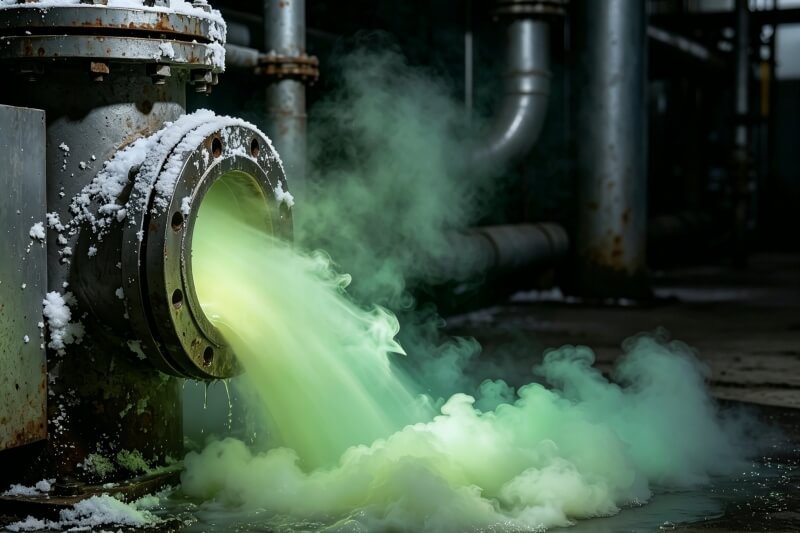
Unlike traditional mechanical filters that only trap large particulate matter, activated carbon targets microscopic, dissolved, and gaseous pollutants that conventional filtration methods cannot remove. Its unique structural and chemical properties make it a core medium for advanced industrial purification systems worldwide.
Activated carbon works for industrial filtration through three core mechanisms: physical adsorption relying on porous microstructure and van der Waals forces, chemical adsorption via surface functional group bonding, and catalytic decomposition of specific pollutants, effectively removing organic contaminants, VOCs, odors, trace heavy metals, and residual oxidants from industrial liquid and gas streams.
The widespread adoption of activated carbon in industrial filtration stems from its unmatched surface area and customizable adsorption performance tailored to different industrial scenarios. Every industrial filtration system, whether for wastewater purification, flue gas treatment, or process fluid refining, can leverage activated carbon’s properties to achieve precise impurity removal. However, many industrial operators lack in-depth understanding of its working principles, applicable scenarios, performance influencing factors, and operational best practices, leading to inefficient filtration, premature carbon saturation, and increased operational costs.
This article comprehensively explores the working mechanism of activated carbon for industrial filtration, classifies common industrial-grade activated carbon types and their use cases, analyzes key performance influencing factors, summarizes core advantages and limitations, and provides practical operational guidelines. It aims to help industrial enterprises optimize filtration system design, improve purification efficiency, and reduce long-term operational expenditures.
Table of Contents
- 1. What Is Industrial-Grade Activated Carbon and Its Core Structural Characteristics
- 2. Three Core Working Mechanisms of Activated Carbon in Industrial Filtration
- 3. Common Types of Industrial Activated Carbon and Their Filtration Application Scenarios
- 4. Main Industrial Filtration Applications of Activated Carbon
- 5. Key Factors Affecting Industrial Activated Carbon Filtration Efficiency
- 6. Advantages and Limitations of Activated Carbon for Industrial Filtration
- 7. Best Practices for Industrial Activated Carbon Filtration System Operation
1. What Is Industrial-Grade Activated Carbon and Its Core Structural Characteristics
Industrial-grade activated carbon is a highly porous carbon-based filter medium processed through high-temperature activation or chemical activation, featuring ultra-large specific surface area, hierarchical pore structure, and reactive surface functional groups, which lays the foundation for its powerful industrial filtration and pollutant removal capabilities.
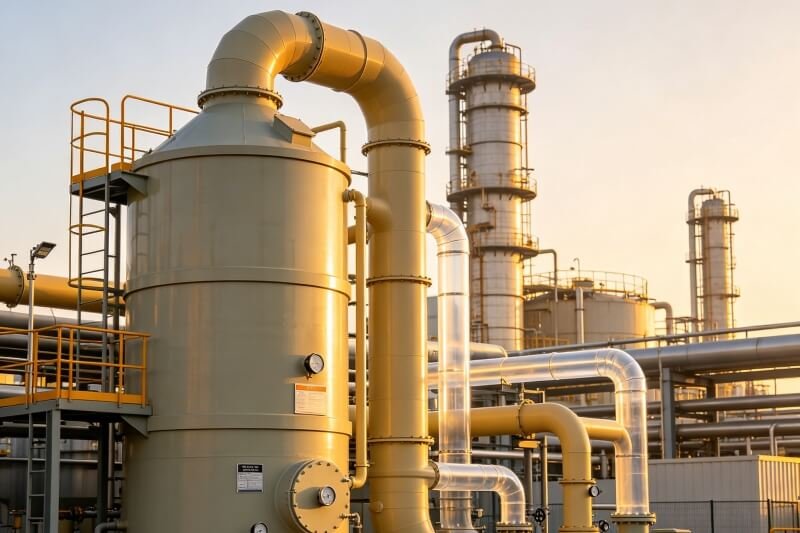
Activated carbon is produced from carbon-rich raw materials including coal, wood, coconut shell, and fruit shell. The activation process is the key step that differentiates industrial activated carbon from ordinary carbon materials. During production, raw carbon materials are treated with high-temperature steam (physical activation) or chemical agents such as phosphoric acid and zinc chloride (chemical activation) under oxygen-isolated conditions. This process burns off internal impurities and creates a dense network of micro, meso, and macro pores inside the carbon structure .
The most prominent structural feature of industrial activated carbon is its ultra-high specific surface area. Qualified industrial activated carbon has a specific surface area ranging from 800 to 1500 square meters per gram, meaning a single gram of activated carbon can provide a purification area equivalent to multiple tennis courts . This huge surface area offers countless adsorption sites for capturing microscopic pollutants in industrial fluids and gases, which is the fundamental reason for its superior filtration performance compared with quartz sand, filter cotton, and other traditional filter media.
Industrial activated carbon has a hierarchical pore structure divided into three categories, each with unique filtration functions for different pollutants. Micropores with a diameter of 20–50 angstroms are the main functional pores for adsorbing small-molecule organic pollutants and VOCs, contributing over 90% of the total specific surface area . Mesopores serve as channels for pollutant diffusion and can adsorb medium-molecular organic compounds, while macropores are responsible for intercepting tiny particulate impurities and supporting the overall pore structure.
In addition to physical pore structure advantages, industrial activated carbon has abundant oxygen-containing functional groups such as carboxyl groups and hydroxyl groups on its surface. These active groups enable chemical reactions with specific ionic pollutants, realizing selective removal of heavy metals and inorganic pollutants that physical adsorption cannot handle . Industrial-grade products are strictly tested by core performance indicators including iodine number (≥900 mg/g) and methylene blue value (≥200 mg/g), which directly reflect microporosity and organic adsorption capacity .
2. Three Core Working Mechanisms of Activated Carbon in Industrial Filtration
Activated carbon completes industrial filtration and pollutant removal through three synergistic mechanisms: physical adsorption for most organic and gaseous pollutants, chemical adsorption for ionic and heavy metal contaminants, and catalytic decomposition for oxidizable harmful substances, covering almost all common industrial purification demands.
2.1 Physical Adsorption (Dominant Mechanism)
Physical adsorption is the most widely used and basic working principle of activated carbon industrial filtration, relying on van der Waals intermolecular forces to capture pollutants without chemical bond formation. When industrial wastewater, process liquid, or flue gas flows through the activated carbon filter bed, pollutant molecules diffuse into the carbon pores and are tightly adsorbed on the pore surface due to molecular attraction. This mechanism is reversible and mainly applicable to non-polar and weakly polar small-molecule pollutants such as benzene, toluene, formaldehyde, and various odor-causing organic compounds .
The efficiency of physical adsorption depends on the matching degree between pollutant molecular size and carbon pore diameter. Micropores can precisely trap tiny VOC molecules, while mesopores adapt to medium-sized organic particles in industrial wastewater. A key feature of physical adsorption is that it does not change the chemical properties of pollutants, making carbon regeneration and reuse feasible after saturation, which greatly reduces industrial operating costs .
2.2 Chemical Adsorption (Selective Purification)
Chemical adsorption, or chemisorption, relies on chemical bonding reactions between surface active functional groups of activated carbon and pollutant molecules to achieve stable removal . Different from weak physical intermolecular forces, chemical adsorption forms firm covalent bonds or coordination bonds, which can permanently fix ionic pollutants that are difficult to remove physically, such as mercury ions, lead ions, hydrogen sulfide, and chlorinated solvents .
Industrial activated carbon can be customized through chemical impregnation to enhance chemical adsorption performance. Impregnated carbon with modified surface functional groups can target specific industrial pollutants, such as removing hydrogen sulfide from biogas and flue gas or capturing heavy metal ions from electroplating wastewater . This mechanism is irreversible in most cases and is widely used in high-precision industrial purification scenarios with strict pollutant emission standards.
2.3 Catalytic Decomposition (Deep Purification)
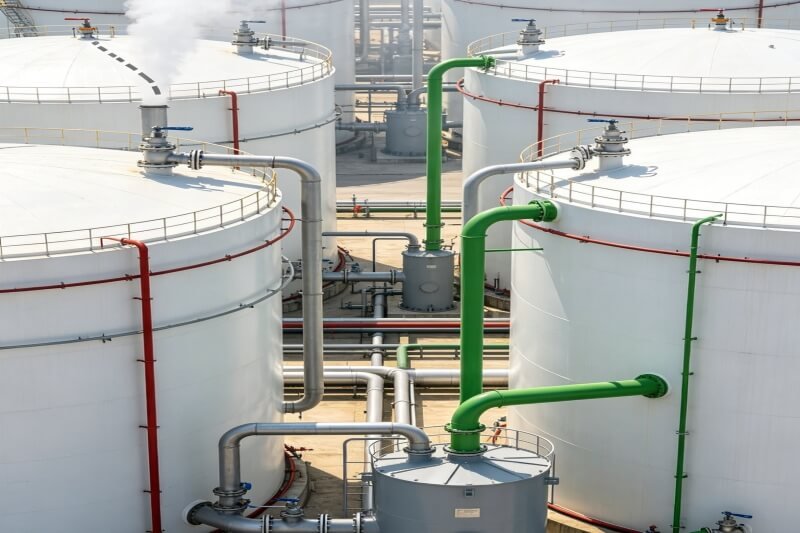
Activated carbon also has excellent catalytic properties, which can promote the decomposition and transformation of harmful substances in industrial fluids without being consumed itself . In industrial filtration systems, activated carbon can catalyze the reduction reaction of residual chlorine, ozone, and other oxidants in water, decomposing them into harmless inorganic substances. It can also catalyze the oxidation of some volatile organic gases, converting harmful pollutants into carbon dioxide and water.
This catalytic mechanism plays an important role in advanced industrial water treatment and flue gas purification. For example, in pharmaceutical process water filtration, activated carbon catalytic decomposition can completely remove residual disinfectants to ensure product safety; in industrial waste gas treatment, it assists in degrading low-concentration organic exhaust gas, improving overall purification efficiency .
3. Common Types of Industrial Activated Carbon and Their Filtration Application Scenarios
Industrial activated carbon is mainly divided into three mainstream types: granular activated carbon, powdered activated carbon, and extruded columnar activated carbon, each with unique structural advantages and targeted industrial filtration application scenarios to adapt to different process requirements.
Different industrial filtration scenarios have distinct requirements for carbon particle size, pore structure, and flow resistance. Selecting the correct activated carbon type is the premise of efficient filtration. The following table summarizes the structural characteristics, advantages, and typical industrial applications of mainstream industrial activated carbon products:
| Activated Carbon Type | Core Structural Features | Key Advantages for Filtration | Typical Industrial Applications |
|---|---|---|---|
| Granular Activated Carbon (GAC) | Uniform granular shape, developed mesopores and micropores, stable structure | Low flow resistance, easy backwashing and regeneration, long service life | Industrial circulating water filtration, wastewater advanced treatment, drinking water purification, fixed-bed exhaust gas filtration |
| Powdered Activated Carbon (PAC) | Fine particle size, large instantaneous adsorption area, fast adsorption speed | Rapid removal of sudden pollutants, flexible dosing, low initial cost | Emergency industrial wastewater treatment, decolorization of food and beverage processing liquid, temporary odor removal |
| Columnar Activated Carbon | Cylindrical extrusion molding, dense structure, uniform pore distribution | High compression resistance, not easy to pulverize, stable filtration effect | Industrial flue gas VOC removal, chemical process gas purification, high-flow fluid filtration |
Granular activated carbon is the most widely used type in continuous industrial filtration systems. Its stable particle structure can withstand long-term fluid scouring, and it can be regenerated multiple times through high-temperature desorption, greatly reducing long-term industrial operation costs . Powdered activated carbon is suitable for intermittent and emergency treatment scenarios due to its fast adsorption speed, though it cannot be reused and is mostly used for short-term pollutant removal.
Columnar activated carbon is specially optimized for high-flow gas filtration environments. Its high mechanical strength avoids powder leakage and pressure drop increase caused by carbon pulverization, ensuring stable and continuous operation of industrial exhaust gas treatment systems . Enterprises can select matching carbon types according to fluid properties, flow rate, pollutant types, and operation cycles to maximize filtration efficiency.
4. Main Industrial Filtration Applications of Activated Carbon
Activated carbon is widely applied in four core industrial filtration fields: industrial wastewater purification, industrial waste gas treatment, food and pharmaceutical process fluid refining, and petrochemical product purification, solving various microscopic pollutant removal problems that traditional filtration cannot handle.
4.1 Industrial Wastewater Advanced Purification
Most industrial wastewater after primary sedimentation and biochemical treatment still contains residual trace organic matter, chroma, odor, and heavy metal ions, which fail to meet discharge standards. Activated carbon filtration is the core advanced treatment process for industrial wastewater . Physical adsorption removes residual organic pollutants and chroma, while chemical adsorption fixes heavy metal ions such as mercury, lead, and chromium. Industrial data shows that activated carbon filtration can achieve more than 95% removal rate of trace organic compounds in wastewater .
It is widely used in wastewater treatment of electroplating, printing and dyeing, chemical, and pharmaceutical industries, effectively reducing COD and BOD indicators to help enterprises meet environmental discharge requirements.
4.2 Industrial Waste Gas and VOC Treatment
Industrial production processes such as spraying, printing, chemical synthesis, and baking produce a large number of VOCs, malodorous gases, and harmful volatile substances. Activated carbon filtration systems capture these gaseous pollutants through physical adsorption . The dense micropore structure can efficiently trap low-concentration organic exhaust gas, and the catalytic function can assist in degrading partial harmful gases, achieving industrial waste gas deodorization and purification.
This technology is the most cost-effective conventional solution for industrial low-concentration VOC treatment and is widely used in factory exhaust gas purification workshops.
4.3 Food and Pharmaceutical Process Fluid Filtration
In food processing, beverage production, and pharmaceutical manufacturing, process liquids require high-precision purification to remove impurities, odors, and pigment residues. Food-grade activated carbon is used for liquid decolorization, deodorization, and impurity removal in sugar making, wine brewing, and beverage production . In the pharmaceutical industry, it removes residual solvents and impurities in medicinal solutions, improving product purity and meeting pharmaceutical grade production standards.
4.4 Petrochemical and Fine Chemical Purification
Petrochemical products such as gasoline, diesel, and industrial lubricating oil contain trace impurities and odorous substances. Activated carbon filtration can adsorb residual colloids, organic impurities, and odor molecules in oil products, improving product clarity and quality. In fine chemical production, it is used for purification of reaction solvents and intermediate fluids to ensure the stability of chemical reaction processes .
5. Key Factors Affecting Industrial Activated Carbon Filtration Efficiency
The filtration efficiency of industrial activated carbon is mainly affected by five core factors: carbon pore structure and grade, fluid temperature and flow rate, pollutant molecular properties, filter bed thickness, and operating time, all of which need precise control in industrial system operation.
- Activated Carbon Grade and Pore Structure: High-quality industrial carbon with high iodine number and methylene blue value has richer micropores and larger specific surface area, providing more adsorption sites. Low-grade carbon with incomplete activation has fewer pores and poor pollutant capture capacity, directly reducing filtration efficiency . Matching pore size with pollutant molecular size is critical—microporous carbon for small molecules and mesoporous carbon for medium and large organic molecules.
- Fluid Temperature: Low temperature is conducive to physical adsorption, as high temperature will accelerate molecular thermal movement, reduce van der Waals force binding effect, and cause desorption of adsorbed pollutants. In industrial production, excessively high wastewater or exhaust gas temperature will significantly reduce carbon filtration efficiency .
- Fluid Flow Rate: Too fast flow rate leads to insufficient contact time between pollutants and carbon pores, resulting in incomplete adsorption and poor filtration effect. Too slow flow rate reduces industrial production efficiency. Enterprises need to set the optimal flow rate according to carbon bed volume and pollutant concentration .
- Filter Bed Thickness: A thicker activated carbon filter bed provides longer contact time and more adsorption layers, improving purification accuracy. However, excessive thickness will increase system resistance and energy consumption. Industrial systems usually set the bed thickness based on pollutant concentration and purification standards .
- Carbon Saturation Degree: With the extension of operating time, carbon pores are gradually occupied by pollutants, leading to saturation and reduced adsorption capacity. Timely regeneration or replacement is the key to maintaining stable filtration efficiency .
In actual industrial operation, these factors interact with each other. Only by comprehensively adjusting parameters according to production conditions can the optimal filtration performance of activated carbon be exerted.
6. Advantages and Limitations of Activated Carbon for Industrial Filtration
Activated carbon has the advantages of high purification precision, wide pollutant adaptability, and low operation cost for industrial filtration, while its main limitations are limited adsorption capacity, poor removal effect on inorganic small-molecule pollutants, and easy saturation under high-concentration pollution conditions.
6.1 Core Advantages
First, activated carbon achieves ultra-precise filtration of microscopic pollutants that traditional mechanical filters cannot remove. It can capture trace organic matter, VOCs, and odor molecules at ppm level, meeting high-standard industrial purification and environmental emission requirements. Second, it has wide adaptability, suitable for liquid and gas phase filtration of multiple industries, with customizable types and modified products for targeted pollutant removal .
Third, the operation cost is low. Most granular industrial activated carbon can be regenerated and reused for 3–5 cycles, greatly reducing material replacement costs. In addition, activated carbon filtration systems have simple structure, low energy consumption, and convenient operation and maintenance, suitable for long-term continuous industrial production .
6.2 Main Limitations
Activated carbon has limited adsorption capacity and is prone to saturation when treating high-concentration pollutants, requiring frequent regeneration or replacement to avoid purification failure . Meanwhile, it has a poor removal effect on inorganic small-molecule pollutants such as ammonia nitrogen and nitrates, which cannot be removed by conventional activated carbon and need to be matched with other purification processes.
In addition, powdered activated carbon cannot be regenerated and has secondary solid waste disposal costs. Impregnated modified carbon has higher procurement costs, increasing the initial investment of special industrial filtration projects.
7. Best Practices for Industrial Activated Carbon Filtration System Operation
Scientific operation and maintenance of industrial activated carbon filtration systems can maximize filtration efficiency, extend carbon service life, and reduce overall industrial operation costs, mainly including standardized selection, parameter control, regular regeneration, and daily maintenance.
First, select activated carbon scientifically according to industrial scenarios. For conventional wastewater and exhaust gas treatment, high-quality granular coal-based activated carbon is preferred; for food and pharmaceutical high-purity filtration, food-grade coconut shell activated carbon is required; for special heavy metal and malodorous gas treatment, modified impregnated carbon should be selected . Blind selection will lead to low filtration efficiency and wasted cost.
Second, control operating parameters stably. Strictly control the temperature and flow rate of filtered fluid to avoid high temperature and excessive flow rate causing performance attenuation. Set a reasonable filter bed thickness according to pollutant concentration to balance purification effect and operating energy consumption . Regularly detect the outlet water or gas quality to judge the working state of activated carbon.
Third, carry out regular regeneration and replacement. When the filtration efficiency drops significantly and the outlet pollutant concentration exceeds the standard, perform high-temperature desorption regeneration for reusable granular carbon to restore pore adsorption capacity. For saturated powdered carbon and failed modified carbon, replace them in a timely manner to avoid unqualified purification .
Fourth, strengthen daily system maintenance. Regularly backwash the filter bed to remove surface intercepted particulate impurities and prevent pore blockage. Keep the system sealed to avoid external impurities entering and affecting filtration accuracy. Establish operation logs to record carbon service time and purification effect, forming standardized management procedures .
Conclusion
Activated carbon relies on its unique porous microstructure and three synergistic working mechanisms of physical adsorption, chemical adsorption, and catalytic decomposition to become an irreplaceable core medium in industrial filtration. It fills the gap of traditional filtration technology in microscopic pollutant removal, providing efficient and cost-effective purification solutions for industrial wastewater treatment, waste gas purification, and high-precision fluid refining.
Understanding its working principle, applicable scenarios, performance influencing factors, and operational specifications is essential for industrial enterprises to optimize filtration systems. Although activated carbon has limitations such as limited adsorption capacity and targeted purification range, its performance can be maximized through scientific model selection, parameter adjustment, and standardized maintenance. With the continuous improvement of industrial environmental protection standards and product quality requirements, activated carbon industrial filtration technology will continue to be widely popularized and optimized in various industrial fields.