
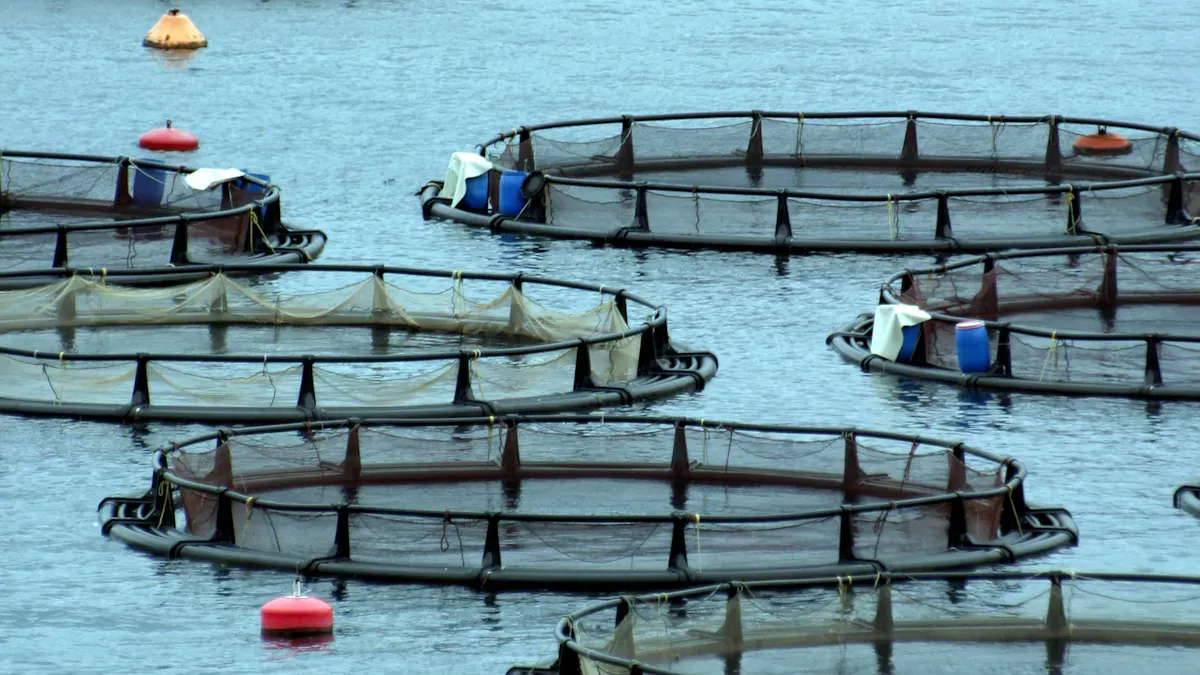
You need clean water for successful aquaculture. Activated carbon acts as a powerful filter that traps pollutants and unwanted chemicals. When fish waste and excess feed build up, water quality drops fast. This can cause low oxygen, poor bacterial balance, and even disease outbreaks. You can use activated carbon to help create healthy living water where your fish and shrimp thrive.
Key Takeaways
Activated carbon filters out harmful impurities, improving water quality for fish and shrimp.
Choose the right type of activated carbon based on your aquaculture system’s needs.
Regularly replace activated carbon every 3 to 4 weeks to maintain its effectiveness.
Use activated carbon to control odors and colors, keeping your water clear and inviting.
Monitor water quality and adjust carbon usage to support a healthy aquatic environment.
What Is Activated Carbon?
Definition And Properties
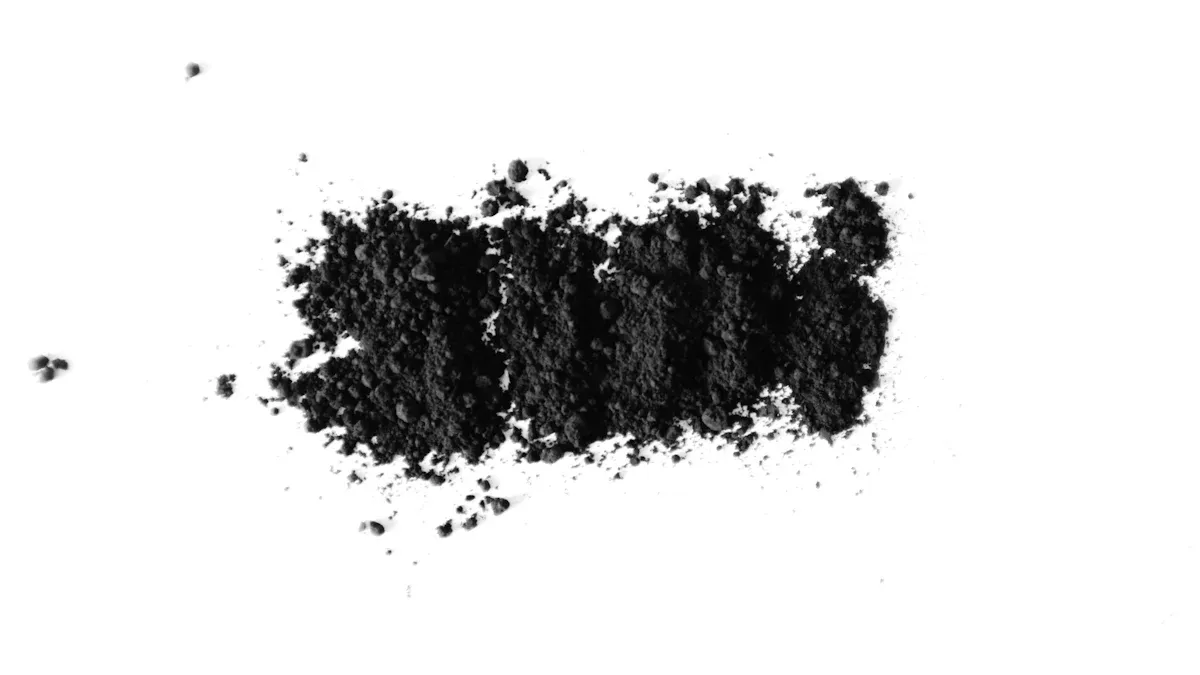
You can think of activated carbon as a special form of carbon that has been treated to create millions of tiny pores. These pores give it a huge surface area, which makes it excellent for trapping unwanted substances from water. When you look at activated carbon under a microscope, you see a sponge-like structure. This structure comes from heating organic materials, like coconut shells or wood, at high temperatures. The process, called activation, creates a network of pores that can hold many different molecules.
Activated carbon works through a process called adsorption. This means that impurities stick to the surface of the carbon instead of dissolving in the water. The forces that hold these impurities can be physical, like weak van der Waals forces, or chemical, where stronger bonds form between the carbon and the pollutants. The non-polar surface of activated carbon attracts non-polar chemicals, making it very good at removing organic pollutants from water.
Tip: You can use activated carbon to remove not only visible dirt but also invisible chemicals that can harm your fish.
The high surface area and complex pore structure make activated carbon an effective filtration tool. These properties help you keep your aquaculture system clean and safe for aquatic life.
Types Used In Aquaculture
You will find several types of activated carbon used in aquaculture. The most common forms include:
Granular Activated Carbon (GAC): These are small, hard granules. You can use them in filter beds or cartridges. They work well for continuous filtration and last a long time.
Powdered Activated Carbon (PAC): This type comes as a fine powder. You can add it directly to water for quick treatment. It works fast but needs to be removed after use.
Pelletized Activated Carbon: These are shaped into small cylinders. You can use them in systems where you need low dust and easy handling.
Each type has its own advantages. Granular activated carbon is best for long-term use in filters. Powdered activated carbon is good for treating sudden problems, like chemical spills. Pelletized forms are easy to handle and create less mess.
When you choose a type, think about your system size, the kind of impurities you want to remove, and how often you plan to change the carbon. Using the right type helps you get the best results from your filtration system.
Activated Carbon Mechanism
Adsorption Process
When you use activated carbon in your system, you rely on its unique adsorption process. This process works because the carbon has a huge surface area filled with tiny pores. These pores act like magnets for unwanted substances. When water passes through the carbon, dissolved organic compounds and other impurities stick to the surface. You do not see this happening, but it makes a big difference in your water quality.
Activated carbon can absorb chemicals that would otherwise harm your fish or shrimp. It does not just trap visible dirt. It also removes dissolved organic compounds, including those from leftover fish medications. For example, substances like Malachite Green, used to treat fish diseases, can stay in the water and cause problems. Activated carbon helps you remove these compounds, so you keep your water safe and clean. This process also helps you remove tannins, which can turn your water yellow or brown.
Note: The adsorption process does not harm beneficial bacteria in your filter. These bacteria help break down waste and keep your system balanced.
Toxin And Impurity Removal
You want to remove impurities from your water to protect your aquatic life. Activated carbon targets many common toxins and impurities, including:
Heavy metals, such as copper and lead, which can harm fish and shrimp.
Residual medications left after treatments, which may stress or injure sensitive species.
Dissolved organic compounds, which cause yellowing and reduce clarity.
Tannins, which come from driftwood or decaying plants and stain the water.
Chlorine, which can enter your system from tap water and damage gills.
Activated carbon works well to remove tannins and other impurities, giving you crystal clear water. It also helps with chlorine removal, making your water safer for your animals. While activated carbon is very effective at lowering ammonia levels, it may not remove nitrite or heavy metals as efficiently. Still, it plays a key role in protecting aquatic life by reducing the most harmful substances.
Impact On Water Quality
You will notice a big improvement in water quality when you use activated carbon. The water becomes clearer, and you see less color and odor. This clarity helps you spot problems early and keeps your fish less stressed. Clean water also supports beneficial bacteria, which are important for breaking down waste.
Activated carbon helps you maintain crystal clear water by removing dissolved organic compounds and tannins. It also helps you remove impurities that can cloud the water or cause bad smells. When you keep your water clean, you reduce the risk of disease and create a better environment for your fish and shrimp.
Tip: Regular use of activated carbon in your filtration system helps you maintain stable water conditions and supports the health of your entire aquaculture setup.
Activated carbon gives you a simple and effective way to absorb chemicals, remove impurities, and keep your water safe. You can trust it to help you achieve the best results in your aquaculture system.
Benefits Of Activated Carbon
Water Quality Improvement
You want your aquaculture system to have clean and safe water. Activated carbon helps you reach this goal by removing impurities that can harm your fish and shrimp. When you add activated carbon, you filter out unwanted substances like tannins, leftover chemicals, and other pollutants. Research shows that adding carbon sources in aquaculture systems leads to better water quality. This improvement supports the growth and immune status of shrimp and fish. You can see clearer water and healthier animals when you use activated carbon in your filtration system. Cleaner water helps you promote overall pond health and reduces the risk of disease.
Odor And Color Control
You may notice that your water sometimes smells bad or looks yellow or brown. These problems often come from tannins, decaying plants, or leftover food. Activated carbon works well to remove these odors and colors. It traps the molecules that cause smells and stains, leaving your water fresh and clear. You can use activated carbon to keep your pond or tank looking attractive and inviting. When you control odor and color, you make it easier to spot problems early.
Tip: Regular use of activated carbon helps you prevent the buildup of tannins and other substances that cause water discoloration.
Stress Reduction For Aquatic Life
Fish and shrimp feel less stress in clean, clear water. Activated carbon removes harmful chemicals and tannins that can make your animals uncomfortable. When you reduce stress, you help your aquatic life grow better and stay healthy. Less stress means your fish and shrimp eat more, move more, and show brighter colors. You also lower the chance of disease outbreaks. By using activated carbon, you create a stable environment that supports the health of your entire system.
Using Activated Carbon
Application Methods
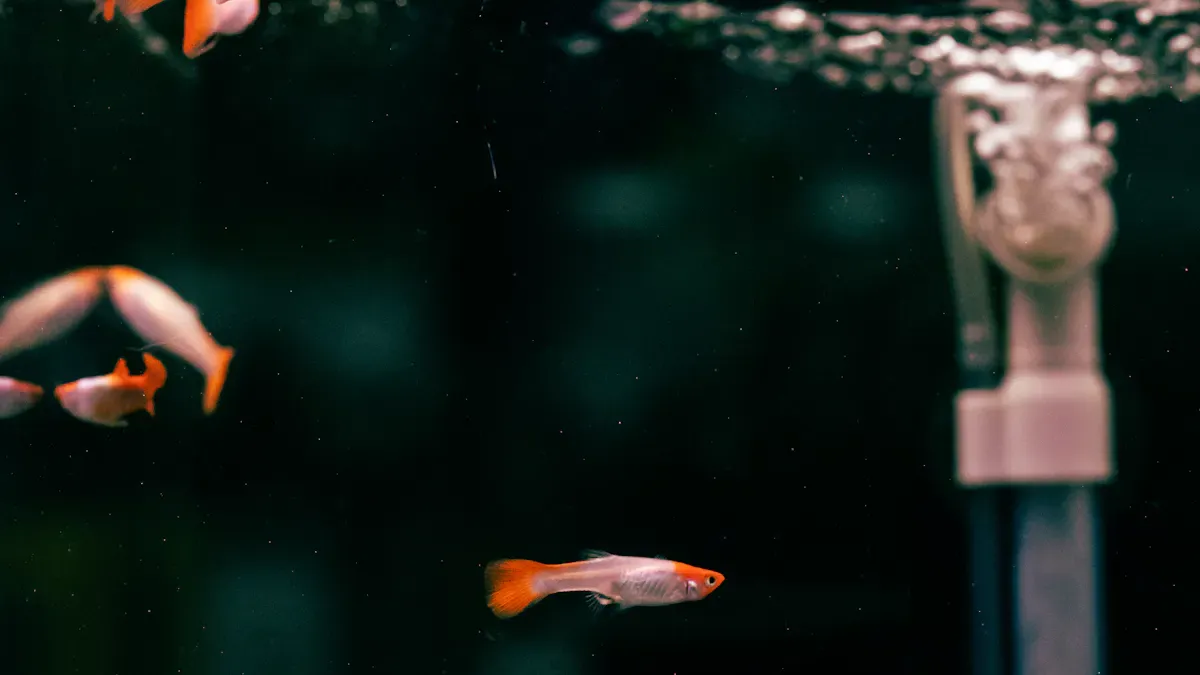
You can use activated carbon in several ways, depending on your aquaculture setup. Most people place it in filter cartridges, mesh bags, or dedicated chambers inside the filtration system. This allows water to flow through the carbon, so it can trap impurities and improve water quality. Some systems use powdered activated carbon for quick treatments, but you must remove it after a short time.
Here is a table showing common application methods and their benefits:
Application Method | Benefits |
|---|---|
Dechlorination | Protects aquatic life and equipment, maintains stable biological filtration systems, enhances overall water quality. |
Fish Farming and Hatcheries | Vital for survival and growth, prevents fish stress and mortality, supports healthy microbial activity in biofilters, improves water consistency in recirculating systems. |
Tip: Always rinse new activated carbon with clean water before adding it to your system. This removes dust and prevents cloudiness.
Dosage And Replacement
You need to use the right amount of activated carbon for your tank or pond. Most manufacturers recommend about 1 cup (200 grams) for every 50 gallons of water. Check the instructions on the packaging for the best results. Replace the carbon every 3 to 4 weeks, or sooner if you notice water clarity dropping or odors returning. Used carbon cannot absorb more impurities, so regular replacement is important.
Maintenance Tips
Keep your filtration system working well by checking the carbon regularly. Remove and replace it on schedule. Rinse the filter housing when you change the carbon to prevent buildup. If you run a recirculating system, monitor water quality often. Adjust the amount of carbon if you see changes in water color or smell. For hatcheries and fish farms, keep extra carbon on hand for emergencies.
Note: Never use activated carbon treated with chemicals, as this can harm your aquatic life.
Choosing And Precautions
Selecting The Right Carbon
You need to choose the right type of activated carbon for your aquaculture system. Not all activated carbon works the same way. Some types come from coconut shells, while others use wood or coal. Coconut shell carbon often has a higher surface area. This means it can trap more impurities. You should look for products labeled as “aquarium safe” or “food grade.” These types do not contain harmful chemicals.
Tip: Always check the packaging for information about the source and activation method.
You can use this table to compare common types:
Type | Best Use | Surface Area | Dust Level |
|---|---|---|---|
Coconut Shell | Freshwater/Saltwater | High | Low |
Wood-Based | Quick Treatments | Medium | Medium |
Coal-Based | General Filtration | Medium | High |
Common Mistakes
Many people make mistakes when using activated carbon. You can avoid these problems by following a few simple rules:
Do not use too much carbon. This can remove helpful trace elements.
Do not forget to rinse new carbon before use. Dust can cloud your water.
Do not use carbon treated with chemicals or perfumes.
Do not leave carbon in your filter for too long. Old carbon stops working and may release trapped substances.
Alert: If you treat your tank with medicine, remove the carbon first. Carbon can absorb the medicine and make it less effective.
Limitations And Risks
Activated carbon helps you keep water clean, but it does not solve every problem. You should know its limits:
It does not remove ammonia or nitrite well.
It cannot filter out all heavy metals.
It may remove some vitamins or trace elements that your fish need.
Overuse can lead to water that is too “sterile” for healthy bacteria.
You should always monitor your water quality with test kits. Replace carbon on schedule and use it as part of a balanced filtration system. This way, you protect your aquatic life and keep your system healthy.
Activated carbon gives you a powerful tool for clean and healthy aquaculture water. You improve water quality, control odor and color, and reduce stress for your fish and shrimp.
Choose the right type for your system.
Use the correct amount.
Replace it on schedule.
Tip: Regular checks and good maintenance help you get the best results. Make activated carbon part of your routine for a thriving aquaculture setup.
FAQ
How often should you replace activated carbon in your pond?
You should replace activated carbon in your pond every 3 to 4 weeks. Old carbon stops working and may release trapped substances. Regular replacement keeps your pond water clean and safe for fish and shrimp.
Can you use activated carbon in a natural pond?
Yes, you can use activated carbon in a natural pond. It helps remove odors, colors, and harmful chemicals. You improve water quality and create a healthier environment for plants and animals in your pond.
Will activated carbon remove algae from your pond?
Activated carbon does not remove algae directly from your pond. It removes organic compounds that feed algae. You may see less algae growth in your pond when you use activated carbon as part of your filtration system.
Is activated carbon safe for all pond fish and plants?
Activated carbon is safe for most pond fish and plants. You should avoid using carbon treated with chemicals. Always rinse new carbon before adding it to your pond to prevent dust and protect your pond life.
What is the best way to add activated carbon to your pond filter?
You can place activated carbon in a mesh bag or filter cartridge. Put it where water flows through the filter in your pond. This setup helps you trap impurities and keeps your pond water clear and healthy.