
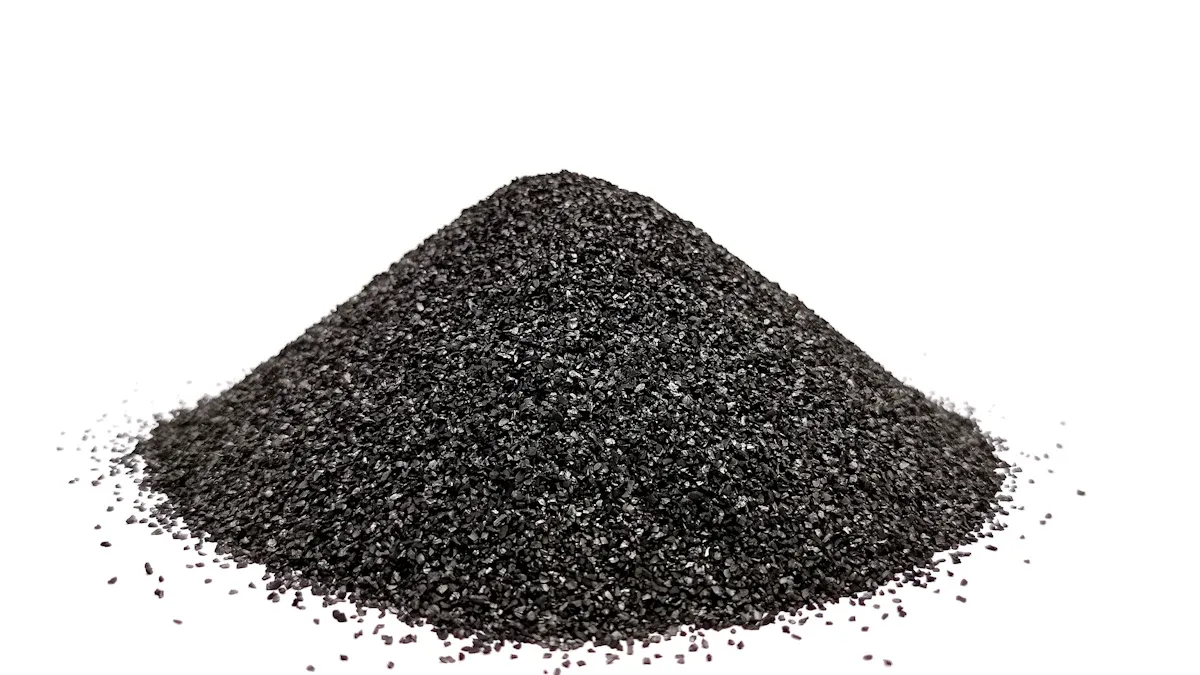
You might wonder if activated carbon works well as a soil additive. Many gardeners and farmers see real benefits when they add it to soil. Activated carbon enhances microbial growth, which helps soil stay healthy and productive. It also improves water holding capacity, boosts cation exchange, and supports soil aggregation. These effects lead to better plant-soil communication and stronger soil structure. Most types remain pH neutral, but you should avoid overusing them, especially for sensitive plants.
Key Takeaways
Activated carbon boosts plant growth and soil health by improving nutrient retention and microbial activity.
Use activated carbon in moderation; too much can harm plant growth and soil structure.
Activated carbon effectively removes contaminants like heavy metals and pesticides, protecting groundwater.
Monitor soil pH and nutrient levels after adding activated carbon to ensure optimal plant health.
Choose the right type of activated carbon based on your soil needs and application goals.
Activated Carbon Benefits In Soil
Plant Growth And Soil Health
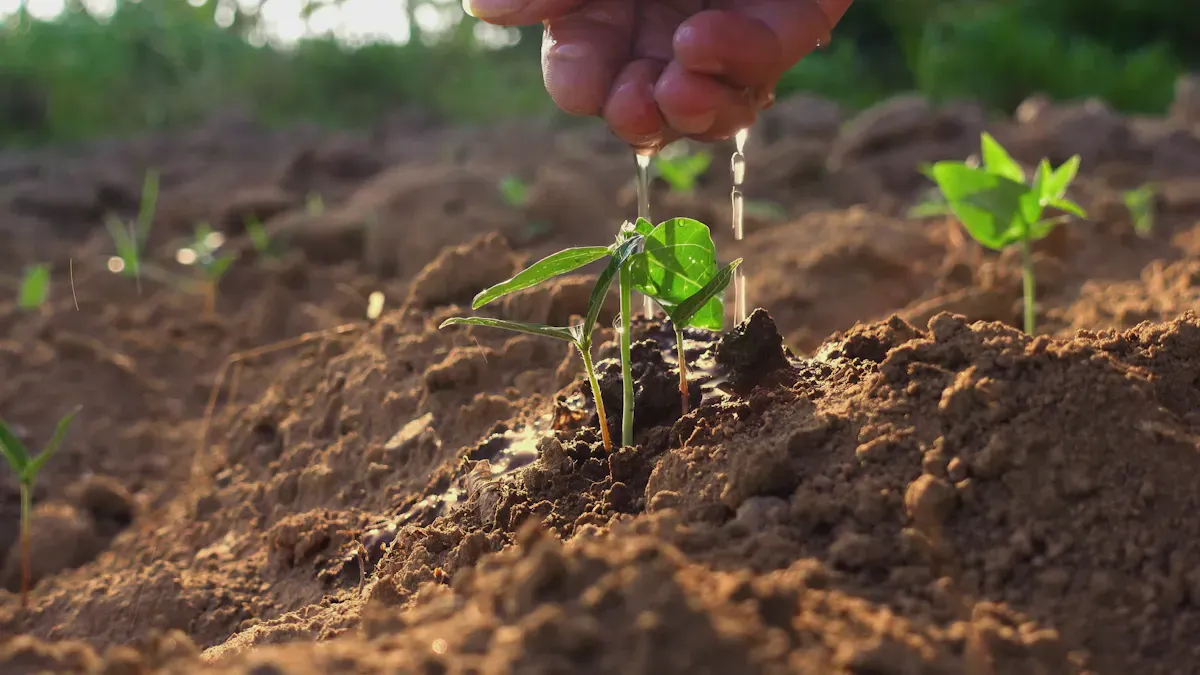
You can boost plant growth and soil health by adding activated carbon to your soil. This material acts as a restoration tool and helps control invasive plants in abandoned fields. Activated carbon has a surface with many negative electrical charges. These charges attract and hold mineral elements, which improves the soil’s cation exchange capacity. Plants receive a steady supply of nutrients, leading to stronger growth.
Tip: Use activated carbon in moderation. Too much can reduce plant height and biomass.
Here is a table showing how different proportions of activated carbon affect plant growth:
Activated Carbon Proportion | Average Plant Height | Aboveground Biomass | Underground Biomass |
|---|---|---|---|
0% | Baseline | Baseline | Baseline |
2% | Increased | Increased | Increased |
>2% | Decreased | Decreased | Decreased |
You can see that a 2% addition improves plant height and biomass. Higher amounts may cause declines, so careful dosing is important.
Contaminant Removal And Remediation
Activated carbon helps remove harmful substances from soil. You can use it to adsorb heavy metals, pesticides, and other toxins. This process prevents these contaminants from leaching into groundwater and lowers exposure risks. Activated carbon also supports microbial degradation, making it valuable for bioremediation.
Activated carbon adsorbs heavy metals and pesticides.
It immobilizes toxins, keeping them from spreading.
Microbes break down contaminants more easily with activated carbon present.
A study showed that adding 2% activated carbon to floodplain soils reduced bioaccumulated DDT and its metabolites in earthworms by up to 92.94%. This means you can lower the bioavailability of harmful pesticides in contaminated soils.
Here is a table showing removal rates for common soil contaminants:
Contaminant Type | Removal Rate (%) |
|---|---|
Petroleum hydrocarbons | 78–91 |
Polychlorinated biphenyls (PCBs) | 48 |
You can see that activated carbon is effective for petroleum hydrocarbons and PCBs. Field trials also show that mixing activated carbon into soil decreases toxicity for earthworms and reduces phytotoxicity in PCB-contaminated soils.
Soil Structure And Water Management
You can improve soil structure and water management by using activated carbon. This material reduces soil density and increases porosity. Water holding capacity rises, and nutrient retention improves. Activated carbon changes the way soil particles connect, making the soil less compact and easier for roots to grow.
Soil density decreases.
Porosity and permeability increase.
Water holding capacity improves.
Nutrient retention ability rises.
Here is a table showing how activated carbon affects soil water retention and drainage:
Mechanism | Effect on Soil Water Retention and Drainage |
|---|---|
Pore Filling | Calcium carbonate fills soil pores, increasing suction and water retention. |
Bonding | Strengthens soil particle connections, improving drainage. |
Adsorption | Adsorbs sodium ions, enhancing soil structure and water retention. |
Activated carbon also alters pore size distribution, leading to higher water retention for a given water content. Case studies show that activated carbon mixed into soil increases field water capacity and fertility. You can expect better plant growth and healthier soil when you use this additive.
How Activated Carbon Works
Adsorption And Nutrient Cycling
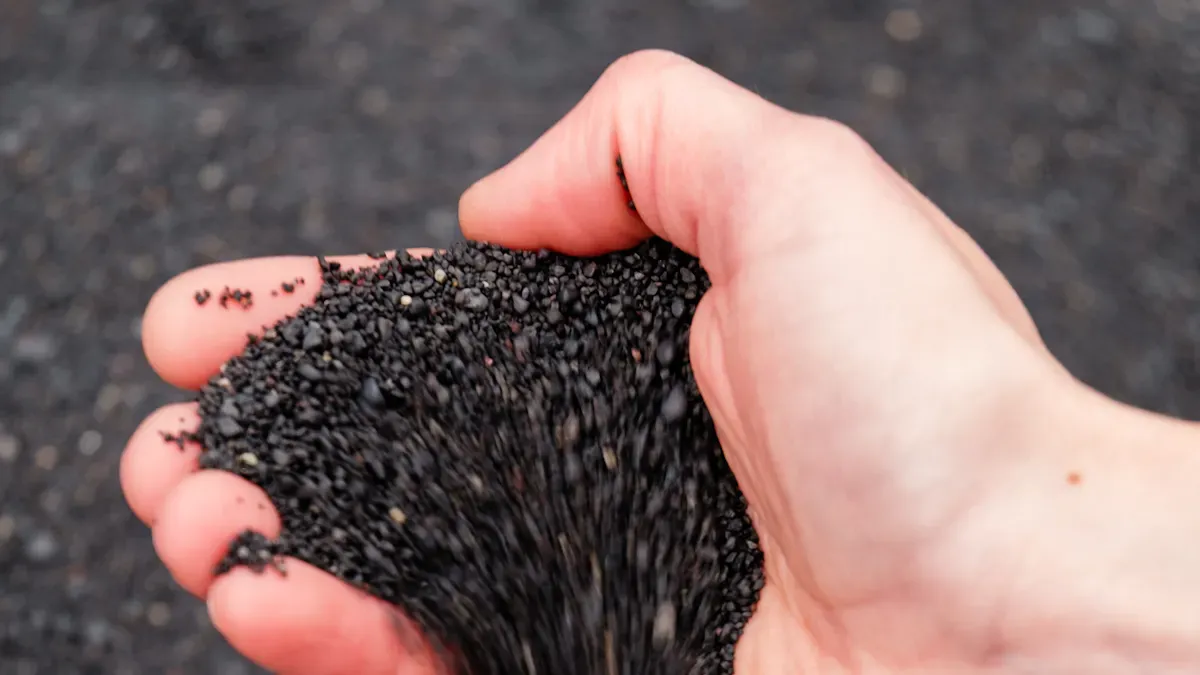
You can use activated carbon to trap and hold many substances in soil. Its surface has many tiny pores that act like magnets for nutrients and contaminants. This process is called adsorption. When you add activated carbon, you help soil keep more nitrogen and support microbes that fix nitrogen, such as Azotobacter and Sporolactobacillus. These microbes help plants get the nutrients they need.
Here is a table showing how activated carbon affects nutrient cycling:
Effect | Description |
|---|---|
Total Nitrogen | Increased total nitrogen contents across different land use types |
Nitrogen-Fixing Microbes | Enhanced abundance of nitrogen-fixing microbes |
Nitrogen Transformation | Regulated nitrogen transformation rates |
Nif Genes | Highest relative abundance of nif genes with higher glucose application |
Nitrate Nitrogen | Decreased nitrate nitrogen content in all soils after carbon addition |
Impact On Soil Organisms And pH
You help soil organisms thrive when you add activated carbon. The micropores give bacteria and fungi a safe place to live. These microbes break down organic matter and release nutrients for plants. However, using too much can lower the number of helpful microbes, which may hurt soil health.
Activated carbon can also change soil pH. In some soils, it lowers pH by releasing acids, especially if the carbon contains sulfuric acid. You may see a drop in pH by about 3–5%. At the same time, you can boost important nutrients like phosphorus, zinc, boron, and iron. This helps plants grow stronger.
Limitations And Risks
You should know that activated carbon has some risks. If you use too much, soil can lose strength and hold less water. This may lead to erosion. Large-scale use can be expensive because making activated carbon uses a lot of energy. You may also face rules about how to use and dispose of it. Sometimes, the process can release new pollutants into the environment.
Note: Always use activated carbon in moderation. Watch for changes in soil structure and health, and adjust your use as needed.
Activated Carbon Types For Soil
Granular Vs. Powdered
You can choose between granular and powdered forms when you add activated carbon to soil. Granular activated carbon (GAC) has larger particles and works well for long-term use. Powdered activated carbon (PAC) has smaller particles and acts quickly. You may find GAC easier to handle in big projects. PAC gives you faster adsorption, but you usually use it only once.
Here is a table showing the main differences:
Characteristics | Granular Activated Carbon (GAC) | Powdered Activated Carbon (PAC) |
|---|---|---|
Adsorption Performance | Moderate speed | Fastest adsorption rate |
Mechanical Strength | High | Low |
Regeneration Ability | Multiple regenerations possible | Usually not regenerated |
Usage Features | Long-term stable operation | Single-use |
PAC provides faster adsorption because of its fine particle size.
GAC is better for large-scale applications and easier to manage.
Smaller particles in PAC can boost efficiency in soil remediation.
Material Sources
You can find activated carbon made from different materials. Common sources include coconut shell, wood, and coal. Coconut shell activated carbon has high surface area and works well for removing organic contaminants. Wood-based carbon gives you more micropores, which help with adsorption of small molecules. Coal-based carbon offers strong mechanical strength and lasts longer in soil.
Tip: Choose the material based on your soil needs. Coconut shell works best for organic pollutants. Wood and coal are good for heavy metals and long-term use.
Choosing The Right Type
You should select the right type by looking at your soil and remediation goals. Check the adsorption capacity, surface area, and micropore content. These features help you match the carbon to your soil problem.
Here is a table with important criteria:
Characteristic | Value Range |
|---|---|
Adsorption Capacity | 500–1200 mg/g |
Surface Area | 900 m²/g to 1100 m²/g |
Micropore Content | 0–20 Å (up to 2 nm) |
If you need fast action, pick PAC. For long-term stability, use GAC. Look at the material source and particle size to get the best results for your soil.
Application And Best Practices
Dosage And Methods
You can apply activated carbon in several ways, depending on your goal. For gardens and plant growth, mix activated carbon or biochar with soil at a rate of 5% to 10%. This amount supports healthy plants without harming soil structure. If you want to clean up contaminated sites, you may need higher concentrations. For soil remediation, use more than 50% biochar by volume.
Mix 5% to 10% activated carbon with garden soil for better plant growth.
For contaminated areas, create a bi-layer: blend activated carbon with polluted soil at high concentration, then cover with mulch, clean soil, compost, and another 5% to 10% biochar.
If you cannot make layers, mix 10% activated carbon into the soil at least 6 inches deep.
Tip: Always blend activated carbon evenly to avoid clumps and ensure even results.
Monitoring And Adjustments
After you add activated carbon, check your soil’s pH and nutrient levels. This step helps you see how the soil changes and lets you adjust your care. Studies show that using 2% acidified activated carbon can lower alkaline soil pH and boost nutrients like phosphorus, zinc, boron, and iron. You should test your soil every few weeks, especially if you grow sensitive plants. Adjust your watering and fertilizer based on these results.
Common Mistakes To Avoid
Many people use too much activated carbon, hoping for faster results. Overuse can harm plant growth and soil health. Avoid adding large amounts, especially for acid-loving plants. Do not skip soil testing after application. If you ignore pH changes, you may cause nutrient problems. Always follow recommended rates and monitor your soil to keep it healthy.
You can improve soil health and plant growth by using activated carbon as a soil additive. This material helps you immobilize toxins, protect groundwater, and reduce risks for people and wildlife. You also support green remediation and meet cleanup standards. Remember to choose the right type, use the correct amount, and monitor your soil. Activated carbon gives you a safe, eco-friendly way to boost soil fertility and structure while helping the environment.
FAQ
Can you use activated carbon in all types of soil?
You can use activated carbon in most soils. Sandy and loamy soils benefit the most. Heavy clay soils may need extra mixing. Always test your soil before adding activated carbon.
How often should you add activated carbon to your garden?
You should add activated carbon once every growing season. If you see poor plant growth or soil contamination, repeat the process. Monitor your soil to decide if more is needed.
Will activated carbon harm earthworms or beneficial insects?
Activated carbon does not harm earthworms or insects when you use it correctly. You help these organisms by improving soil structure and reducing toxins. Avoid overuse to keep soil life healthy.
Can you use activated carbon with fertilizers?
You can use activated carbon with most fertilizers. It helps hold nutrients in the soil. Always check your soil’s pH after adding both to avoid nutrient lockout.
What is the difference between activated carbon and biochar?
Activated Carbon | Biochar |
|---|---|
High surface area | Lower surface area |
Fast adsorption | Slow adsorption |
Used for cleanup | Used for fertility |
You use activated carbon for soil remediation. You use biochar mainly to improve soil fertility.