
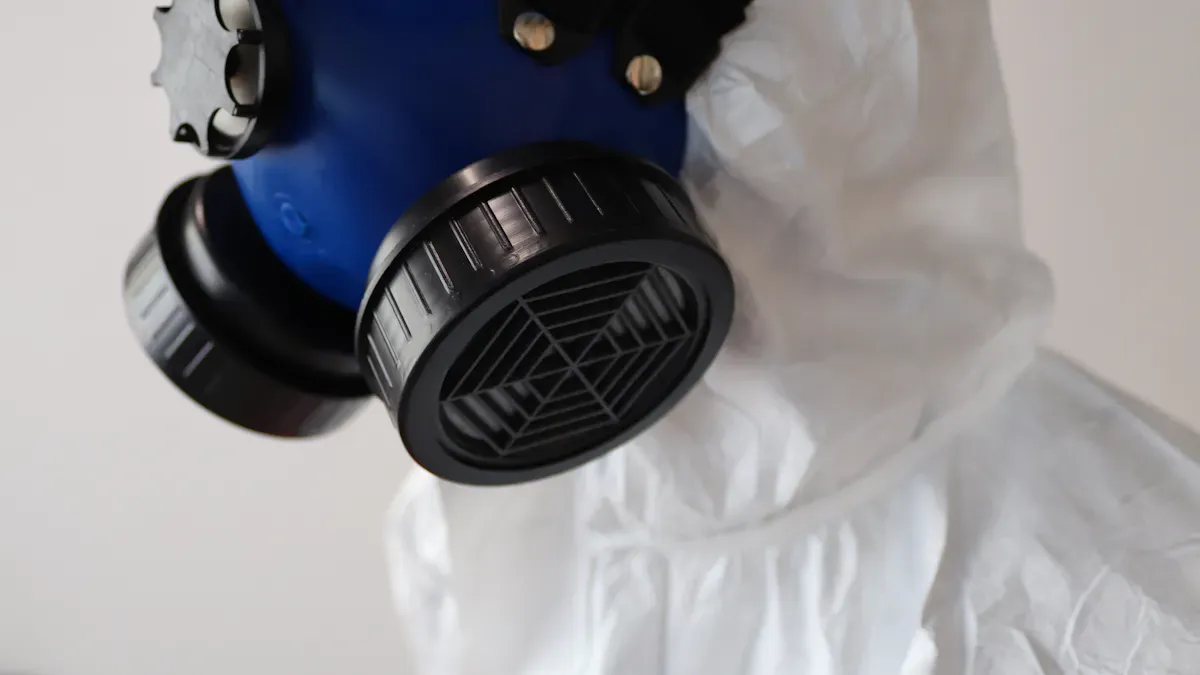
Imagine you step outside and breathe in air filled with invisible pollutants. Poor air quality can shorten life expectancy, as shown below:

You face risks like cancer, heart disease, and breathing problems. Activated Carbon personal protection shields you from harmful gases, vapors, and pollutants. During World War II, soldiers used activated carbon in gas masks to survive dangerous conditions. You might wonder how this powerful material works better than regular filters.
Key Takeaways
Activated carbon filters effectively trap harmful gases and pollutants, improving air quality and protecting your health.
Always check for NIOSH approval and OSHA compliance when selecting masks or respirators to ensure safety and effectiveness.
Regularly replace activated carbon filters every six months, or sooner in polluted areas, to maintain strong protection.
Activated carbon cannot block all substances, such as carbon monoxide and certain chemicals, so use it alongside other safety measures.
Proper fit and maintenance of masks and filters are crucial for effective protection; clean reusable masks often to prevent bacteria growth.
Activated Carbon Mechanism
Adsorption Process
You might wonder how activated carbon protects you from dangerous substances in the air. The secret lies in its unique structure and the science of adsorption. Adsorption is a process where molecules stick to the surface of a material instead of passing through it. Activated carbon has a huge surface area and a network of tiny pores. These pores create many places for gases and vapors to attach.
Tip: The more surface area a material has, the more pollutants it can trap.
Take a look at the table below to see what makes activated carbon so effective:
Evidence Type | Description |
|---|---|
Surface Area | Activated carbon can have a surface area exceeding 500 m², which is crucial for effective adsorption. |
Porous Structure | The porous structure allows for multiple interactions with adsorbing materials, enhancing the adsorption process. |
Intermolecular Forces | Adsorption occurs through van der Waals forces and London dispersion forces, which are key to the binding of gases and vapors. |
A single gram of activated carbon can have a surface area greater than 500 square meters. Under a microscope, you can see countless pores. These pores act like tiny traps for pollutants. When you use activated carbon in a mask or filter, it captures odors, volatile organic compounds (VOCs), and other harmful substances. It also purifies water by removing impurities through adsorption.
Activated carbon filters out odors and pollutants from the air. It traps VOCs, such as benzene and formaldehyde, which can cause health problems. The pores allow molecules to interact with the carbon surface, making the adsorption process very efficient.
Blocking Harmful Substances
Activated carbon does more than just trap particles. It captures harmful gases and volatile organic compounds. You get protection from organic compounds like benzene and formaldehyde. The mechanism is simple: the porous structure holds these substances, keeping them away from your lungs.
Activated carbon filters capture harmful gases and VOCs.
They target organic compounds such as benzene and formaldehyde.
The porous structure holds these harmful substances through adsorption.
You can see how activated carbon compares to standard filtration materials in the table below:
Feature | Activated Carbon Filters | Standard Filtration Materials |
|---|---|---|
Effectiveness in capturing gases | Excellent for harmful gases and VOCs | Often misses harmful gases |
Performance in urban areas | Highly effective in high pollution environments | Less effective in urban pollution scenarios |
Versatility | Performs well in various settings, including industrial | Limited to specific applications |
Limitations | Ineffective against non-organic particles and certain gases | Better for non-organic particles like dust |
You get better protection in urban environments with activated carbon filters. These filters work well in industrial settings, capturing gases and odors. For example, 3M activated carbon respirators protect you from hazardous gases and vapors in laboratories. Standard filters often miss harmful gases, but activated carbon traps them efficiently.
Note: Activated carbon is not perfect. It cannot block all types of particles, such as dust or some non-organic substances. However, it excels at capturing gases and vapors that standard filters cannot.
Activated carbon gives you a powerful shield against many pollutants. Its structure and adsorption process make it superior to regular filters for personal protection.
Activated Carbon Products
Masks and Respirators
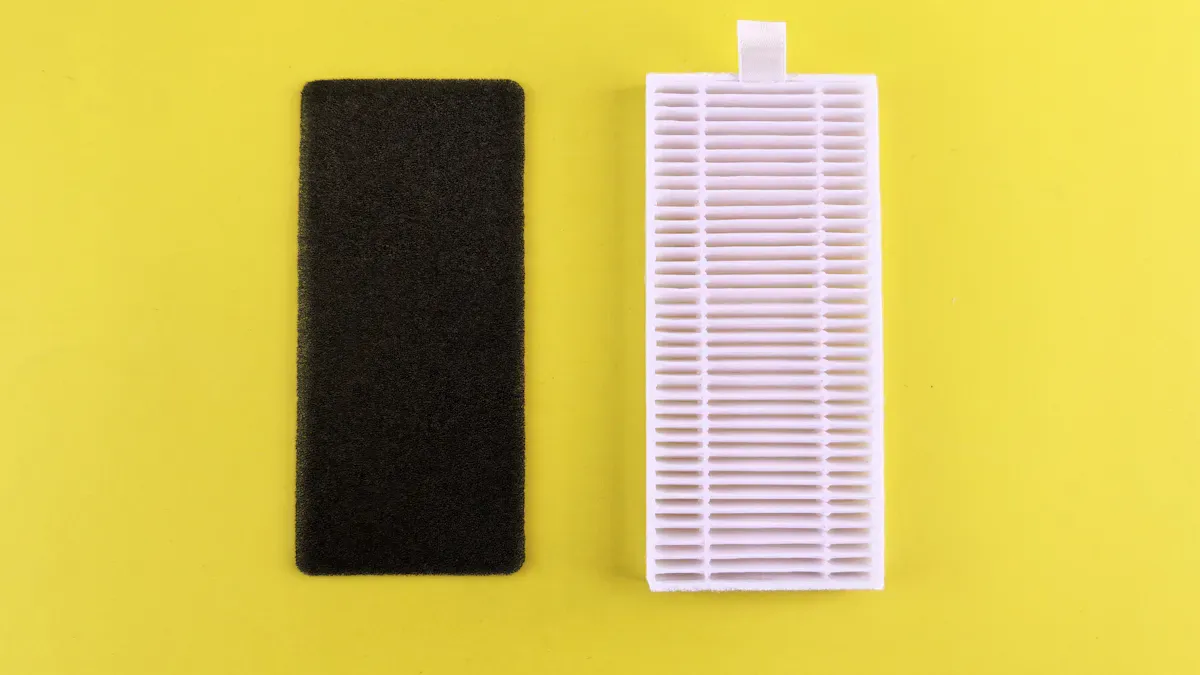
You can protect yourself from harmful gases and vapors by using masks and respirators with activated carbon. These products come in different designs. Some cover only your nose and mouth, while others protect your whole face. You can see the main types in the table below:
Model Series | Face Coverage | Activated Carbon Use | Eye Protection | Key Applications |
|---|---|---|---|---|
3M 6000 Series | Half Face | Yes (via cartridges) | No | Painting, solvent handling, industrial |
3M 7500 Series | Half Face | Yes (integrated in filters) | No | Chemical processing, labs, maintenance |
3M 7000 Series | Full Face | Yes (multi-gas cartridges) | Yes | HAZMAT, chemical manufacturing, emergency |
You should check for certifications before choosing a mask or respirator. The table below shows important standards:
Certification/Standard | Description |
|---|---|
NIOSH Approval | Filter passes strict tests for efficiency and service life |
Multi-Gas Protection Labels | Shows which vapors the filter protects against |
OSHA Compliance | Meets workplace safety requirements |
Tip: Always look for NIOSH approval and OSHA compliance when selecting a respirator for work or emergencies.
Filters and Cartridges
Filters and cartridges use activated carbon to trap gases and odors. You can find them in air purifiers, water filters, and respirators. The design and application differ, as shown below:
Feature | Activated Carbon Filters | Carbon Fiber Filters |
|---|---|---|
Design | Granules or rigid blocks | Thin, flexible carbon fibers |
Applications | Whole-house, water treatment | Air purifiers, faucet filters |
Performance | Removes many contaminants | Strong gas and odor removal |
Lifespan | Months to a year | Three to six months |
Evidence Base | Well-documented | Limited third-party data |
You need to replace filters and cartridges regularly. Most last from six months to a year, depending on usage and quality. Carbon fiber air filters usually last three to six months in homes. If you live in a polluted area, change them more often.
Protective Clothing
You can find activated carbon in protective clothing used in chemical processing, pharmaceuticals, and construction. The porous structure helps adsorb dangerous chemicals. Gas masks have used activated carbon since World War I to protect against toxic gases.
Activated carbon fabrics offer many advantages over other materials:
Feature | Activated Carbon Fabrics | Other Materials |
|---|---|---|
Surface Area | High | Variable |
Flexibility | Yes | Limited |
Breathability | Yes | Often low |
Mechanical Properties | Superior | Lower |
Adsorption Capabilities | Effective | Less effective |
Weight | Lightweight | Heavier |
Regeneration Capabilities | Easy | Difficult |
Protective clothing with activated carbon gives you flexibility, breathability, and strong chemical protection.
Effectiveness and Limits
Protection Scope
You can rely on activated carbon for strong protection against many harmful substances in the air. This material works well for chemical warfare agents, toxic gases, and volatile organic compounds (VOCs). It also helps remove odors and airborne pollutants. The table below shows how well activated carbon protects you from different chemical agents:
Agent Type | Specific Agents | |
|---|---|---|
Nerve Agents | Sarin (GB), Soman (GD), VX | 99.44 – 100 |
Blister Agents | Sulfur Mustard (HD) | 99.73 |
Blood Agents | Hydrogen Cyanide | N/A |
Choking Agents | Chlorine, Phosgene | N/A |
You get the best results when you use activated carbon against nerve agents and blister agents. This material also helps with:
Chemical warfare agents
Airborne pollutants
Toxic gases
Volatile organic compounds (VOCs)
Odors
Activated carbon traps these substances through adsorption. You can use it in masks, filters, and protective clothing for daily life or emergencies.
What It Cannot Block
You should know that activated carbon does not protect you from every danger. Some chemicals and particles pass through without being trapped. Here are the main substances that activated carbon cannot block:
Diols
Strong acids
Bases
Metals (like lithium, sodium, iron, lead, arsenic)
Most inorganic substances (such as fluorine, boric acid)
Carbon monoxide
These substances do not stick well to the surface of activated carbon. For example, carbon monoxide is a toxic gas that passes through most filters, including those with activated carbon. This can be dangerous because you cannot see or smell carbon monoxide.
Note: Relying only on activated carbon for protection against these substances can put you at risk. Some water filters use activated carbon to remove certain contaminants, but they may not work well for all chemicals. You should always check if your filter or mask is designed for the specific hazard you face.
Real-World Use
You will find that activated carbon works best in certain conditions. The environment around you can change how well it protects you. High humidity can fill the pores of activated carbon with water, making it harder for the material to trap harmful gases. When the air is very humid, the filter cannot hold as many pollutants. You should try to keep the relative humidity below 70% for the best results.
Other factors also affect performance:
High humidity reduces the ability to trap VOCs because water molecules compete for space.
High temperatures lower the amount of impurities the filter can hold.
Large particles, like dust or pollen, may pass through if the filter’s pores are too big.
You should replace your filters and cartridges on time. Old or saturated filters lose their ability to protect you. Always follow the manufacturer’s instructions for use and replacement.
Tip: For the best protection, use activated carbon products in the right environment and combine them with other safety measures when needed.
Activated carbon gives you strong protection against many harmful substances, but you must understand its limits. Knowing what it can and cannot block helps you stay safe in real-world situations.
Safe Use and Selection
Usage Guidelines
You should always use activated carbon personal protection products with care. These products protect you from many harmful substances, but they have limits. For example, activated carbon does not block all non-organic particles or gases like carbon monoxide. You need to make sure your mask or filter fits well and feels comfortable. A poor fit can cause skin irritation or make it hard to breathe. If you use a reusable mask, clean it often to stop bacteria from growing. Replace filters when they get dirty or old to keep your protection strong.
Tip: Always check the instructions from the manufacturer before using any new product.
Activated carbon filters protect against many gases and odors.
They do not work for every chemical or particle.
Proper fit and comfort are important for safety.
Clean reusable masks regularly.
Replace filters as needed.
Maintenance and Replacement
You keep your protection strong by taking care of your filters and cartridges. Regular maintenance helps you avoid problems and keeps the system working well. You should inspect your filtration unit often for signs of wear, leaks, or damage. Watch the flow rate—if water or air moves slower than usual, the filter might be clogged. Know the quality of your air or water so you can adjust how often you maintain your system.
Install all parts correctly to prevent leaks and keep the filter working.
After installing a new filter, flush it with water or air to remove loose carbon particles.
Write down the date you replace each filter. This helps you remember when to change it next.
Improper storage can make activated carbon less effective. If you do not maintain your products, they may not remove contaminants well. In rare cases, poor care can even cause safety risks.
Choosing the Right Product
You need to think about your space and needs before choosing a product. Consider the size of the area, the strength of odors, and any special requirements. Always pick filters from trusted brands. Make sure the filter matches the size and complexity of your space.
Product specifications and certifications matter. Some activated carbon products are made for military or industrial use and meet strict standards. Reading the product label helps you choose the right protection for your situation. When you match the product to your needs, you get the best safety and performance.
You gain strong protection with activated carbon personal protection. These products adsorb many pollutants, reduce odors, and improve air quality, especially for people with breathing issues. However, they do not block all gases or non-organic particles. You must replace filters every six months to keep them effective. New materials and advanced carbons continue to improve safety. Review your current protection and choose the best option for your needs.
FAQ
How often should you replace activated carbon filters?
You should replace most activated carbon filters every six months. If you live in a polluted area or use the filter often, change it sooner. Always check the manufacturer’s instructions for the best results.
Can activated carbon remove all bad smells?
Activated carbon removes many odors, like smoke and chemicals. Some strong smells, such as rotten eggs or ammonia, may still pass through. For best results, use the right filter for your needs.
Is activated carbon safe to use at home?
Yes, activated carbon is safe for home use. You find it in air purifiers, water filters, and masks. Always follow the product instructions to keep your family safe.
What should you do if your mask smells bad?
Replace the filter right away.
Clean the mask with mild soap and water.
Let it dry before using it again.
A bad smell means the filter may not work well anymore.