

You play a part in the shift to new energy by understanding how activated carbon shapes the future of clean power. Recent research shows that making activated carbon from biomass, especially with potassium hydroxide activation, increases energy efficiency and lowers carbon emissions. This method not only boosts performance but also supports sustainable practices. As you explore new energy, you see activated carbon driving major improvements in technology and environmental impact.
Key Takeaways
Activated carbon made from biomass enhances energy efficiency and reduces carbon emissions, supporting sustainable energy practices.
The unique properties of activated carbon, such as its large surface area and porosity, make it ideal for energy storage in devices like batteries and supercapacitors.
Using renewable sources for activated carbon production, like coconut shells and agricultural waste, helps lower environmental impact and supports the circular economy.
Advanced activation methods, such as microwave activation, improve the performance of activated carbon, leading to better energy storage and faster charge times.
The demand for activated carbon is expected to grow significantly, playing a crucial role in achieving net-zero goals and improving air and water quality.
Activated Carbon Basics
Properties For Energy Use
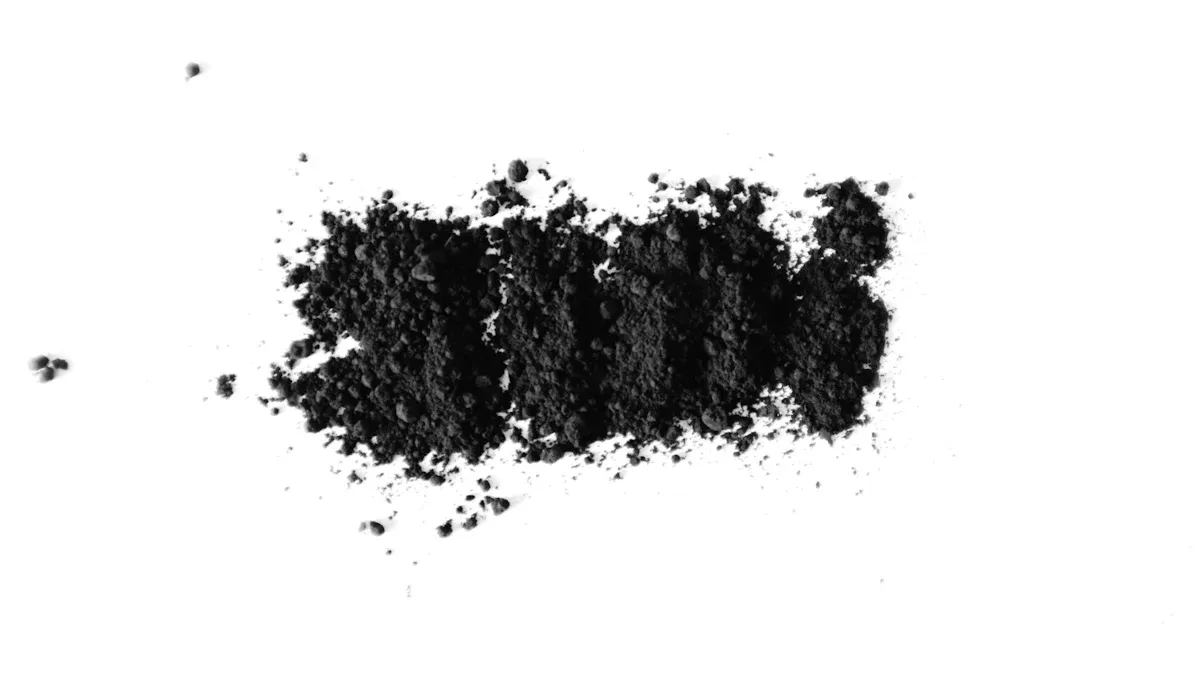
You can see why activated carbon stands out in new energy solutions when you look at its unique properties. The material offers a huge surface area and a network of tiny pores. These features let it store and release energy efficiently. The table below shows the main properties that make it valuable for energy applications:
Property | Description |
|---|---|
Surface Area | Can exceed 500 m² per gram, with up to 3,000 m² possible. This provides a large area for reactions. |
Porosity | Contains many types of pores. These allow for effective adsorption of gases. |
Adsorption | Can adsorb gases like nitrogen and water vapor. This boosts its use in energy storage devices. |
You can think of activated carbon as a sponge for gases. It uses Van der Waals forces to attract and hold molecules. This means it can store gases at low temperatures and release them when heated. These abilities make high-quality activated carbon a top choice for batteries, supercapacitors, and gas storage.
Production Methods
You can produce activated carbon from many sources. Renewable activated carbon comes from materials like coconut shells, wood, or agricultural waste. This makes it a greener choice compared to coal-based options. The process involves two main steps: carbonization and activation. You heat the raw material to remove non-carbon elements, then use chemicals or steam to create pores.
The method you choose for activation changes the final product:
KOH (potassium hydroxide) activation gives a higher adsorption capacity, reaching up to 729 grams per kilogram. This means better performance in energy devices.
NaOH (sodium hydroxide) activation also works well but gives a slightly lower capacity of 662 grams per kilogram.
KOH activation uses more energy and creates more carbon emissions than NaOH. You need to balance performance with environmental impact.
By controlling the production process, you can tailor the properties of activated carbon for specific energy uses. This flexibility helps you meet the demands of modern clean energy technologies.
Activated Carbon Applications
Energy Storage Devices
You can find activated carbon at the heart of many energy storage devices. The most common examples are lithium-ion batteries and supercapacitors. These devices store energy from renewable sources like solar and wind. You use activated carbon as an electrode material because it has a large surface area and many tiny pores. This structure lets the device hold more charge and release it quickly when needed.
The performance of a supercapacitor depends on the surface area, pore size, and conductivity of the activated carbon. When you increase the surface area, you allow more charge to build up. The right pore structure helps ions move easily, which improves how fast the device can charge and discharge. You also need to pay attention to the surface functional groups. These groups can change during production and affect how well the device works.
Here is a table that shows how different properties of activated carbon improve supercapacitor and battery performance:
Evidence Description | Key Points |
|---|---|
Porous carbons as electrodes | Large surface area and good porosity boost conductivity and stability. |
Surface modifications | Special surface groups improve electrochemical performance. |
Importance of surface area | More surface area means higher capacitance and better charge storage. |
Role of pore structure | Open pores help ions move and form the electrical double layer. |
Micro/mesopore ratio | The right mix of small and medium pores is important for best results. |
You can see that not all pores help with energy storage. Closed pores do not let ions in, so they do not add to the device’s performance. You need to make sure the activated carbon has the right balance of open pores.
Hydrogen & Fuel Cells
You use activated carbon in hydrogen production and storage. It acts as a filter and a storage medium. The porous structure lets it trap hydrogen molecules and release them when needed. In fuel cells, you use activated carbon as an electrode. It helps speed up reactions and improves the flow of electrons.
You can also find activated carbon in the purification of hydrogen gas. It removes impurities that could damage the fuel cell. This makes the fuel cell last longer and work better. You help the environment by using renewable activated carbon made from biomass. This method reduces emissions and supports the goals of new energy.
Biodiesel & Bioenergy
You play a role in clean fuel production when you use activated carbon in biodiesel and bioenergy processes. It acts as a catalyst and a purifier. In biodiesel production, you use it to remove unwanted substances from the fuel. This makes the biodiesel cleaner and safer to use.
You can also use activated carbon to improve the quality of bioenergy. For example, in a Romanian company, engineers use bio-waste to make biochar through pyrolysis. They turn some of this biochar into activated carbon using syngas and wood vinegar. This process increases profits, lowers emissions, and avoids using fossil fuels. You support the circular bioeconomy by choosing these methods.
Gas Purification & CO2 Capture
You use activated carbon to clean gases and capture carbon dioxide. Its porous structure gives it a large surface area for adsorption. This means it can trap CO2 and other gases on its surface. You find this useful in air purification, water filtration, and removing harmful compounds from industrial processes.
The efficiency of CO2 capture depends on how you make the activated carbon. When you use potassium hydroxide activation, you get a higher adsorption capacity—up to 729 grams per kilogram. This method also gives you 5% better energy efficiency and 6% lower carbon emissions than sodium hydroxide activation. You help the planet by choosing these advanced methods.
Here is a table that explains how activated carbon works in gas purification:
Mechanism/Application | Description |
|---|---|
Porous Structure | Many tiny pores increase the surface area for gas adsorption. |
Adsorption Process | CO2 and other gases stick to the surface of the activated carbon. |
Industrial Applications | Used in air and water purification and capturing harmful compounds. |
You can see that activated carbon is a key material in many new energy applications. It helps you store energy, produce clean fuels, and protect the environment.
Benefits In New Energy
Efficiency & Performance
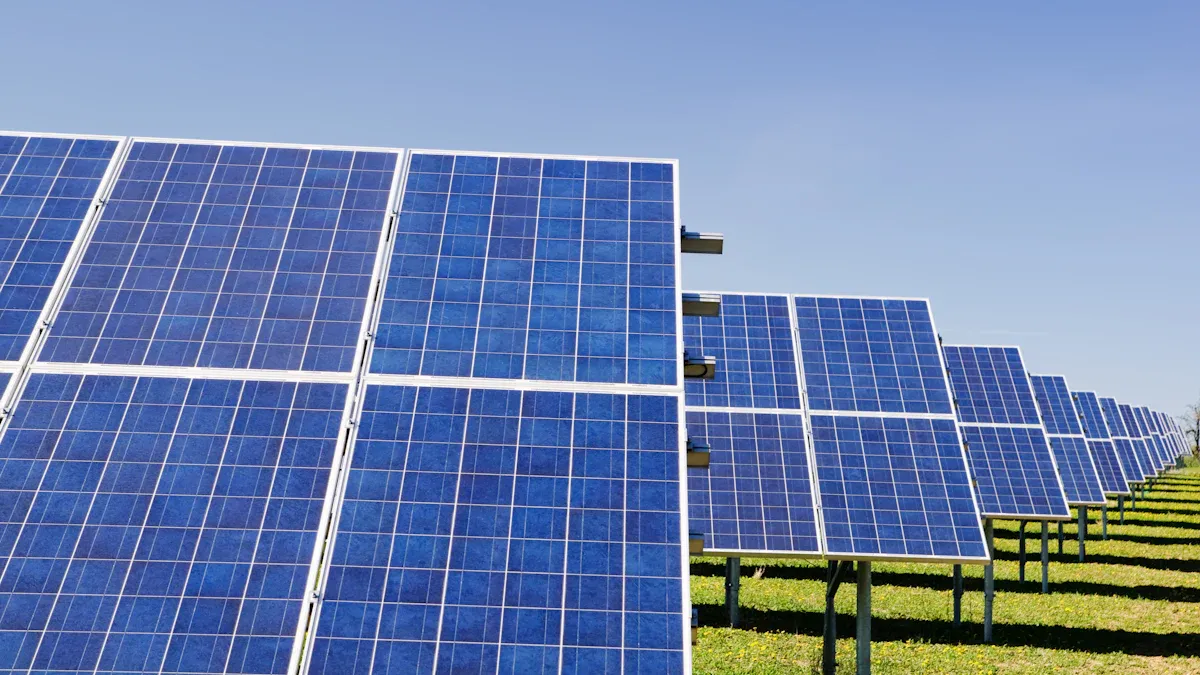
You can boost the performance of new energy systems by using high-quality activated carbon. This material has a large surface area and many pores. These features help you store and release energy quickly. You get better results in batteries, supercapacitors, and fuel cells. When you use activated carbon made from biomass, you also improve the quality of your devices. You can rely on this material to keep your systems running smoothly and efficiently.
Sustainability & Emissions
You help the planet when you choose activated carbon from renewable sources. Biomass, like coconut shells or agricultural waste, gives you a sustainable way to make activated carbon. This process reduces your reliance on fossil fuels. You also lower emissions because you use waste materials that would otherwise go to landfills. The production of activated carbon from bio-wastes supports the circular economy. You turn waste into a valuable product and reduce your carbon footprint. Unlike coal-based methods, bio-sourced activated carbon avoids negative ecological impacts. Ongoing research works to make this process even more sustainable.
Tip: Using activated carbon for water and air purification helps you address environmental problems while supporting new energy solutions.
Cost & Regeneration
You can save money by choosing the right regeneration method for activated carbon. Some methods use less energy and need simple equipment. Others work better for large projects but cost more. Here is a table to help you compare:
Regeneration Method | Investment Cost | Energy Consumption | Equipment Complexity | Suitable Applications |
|---|---|---|---|---|
Water Washing | Low | Low | Low | Small and medium-sized enterprises |
Thermal Regeneration | High | High | High | Large industrial projects, heavy pollution |
Chemical Regeneration | Medium | Medium | Medium | Various applications requiring chemical |
Water washing is cost-effective and simple.
Thermal regeneration fits big projects but needs more money and special tools.
Chemical regeneration balances cost and efficiency.
You can also lower costs by using waste streams to make activated carbon. This approach reduces landfill pressure and supports new energy goals.
Innovations & Trends
Eco-Friendly Production
You can help the planet by choosing eco-friendly ways to make activated carbon. Many companies now use bio-based sources like rice husks, sugarcane bagasse, and maize cobs. These materials come from waste and do not harm the environment like coal-based methods. You also see new activation agents, such as citric acid and tartaric acid, which are safer for nature. Researchers work to improve these methods for different types of biomass. This makes activated carbon production cleaner and more sustainable.
Bio-based sources lower ecological impact.
Organic activation agents are less harmful.
Ongoing research aims for better quality and sustainability.
You support a cleaner future by using these green production techniques.
Advanced Activation Methods
You can boost the performance of energy devices by using advanced activation methods. Microwave activation stands out because it creates activated carbon with a higher surface area. This is important for applications like the supercapacitor, where you need fast energy storage and release. When you use microwave-activated carbon, you get a surface area of 344 m²/g and a specific capacitance of 226.0 F/g. This means your supercapacitor can store more energy and charge quickly.
Activation Method | Surface Area (m²/g) | Notes |
|---|---|---|
Microwave-assisted chemical activation | Higher than others | Enhances properties for energy applications |
You also see improvements in the electrode materials for batteries and supercapacitors. Better adsorption and charge-discharge performance make these devices more reliable. Water washing and low-voltage regeneration methods save energy and reduce waste, making the process even more eco-friendly.
Future Prospects
You will see the demand for activated carbon grow as clean energy becomes more important. Market reports show that the value could reach over $10 billion by 2029. Activated carbon will play a big role in helping cities meet net-zero goals. You will find it in air filters, water purifiers, and as an electrode in new energy devices. The supercapacitor and battery industries will rely on its high surface area and strong adsorption.
Note: Activated carbon helps you meet strict environmental rules and supports cleaner air and water.
You may face challenges, such as keeping the quality high when using different biomass sources. However, new technology and better activation agents offer many opportunities. You can expect activated carbon to remain a key part of the clean energy future.
You have seen how activated carbon changes the future of new energy. This material boosts efficiency and supports cleaner technology. You help the planet by choosing activated carbon from renewable sources.
Activated carbon leads the way in energy innovation and sustainability.
You can expect even more breakthroughs as research continues. Stay curious and watch how activated carbon shapes clean energy for years to come.
FAQ
What is gasification and how does it relate to activated carbon?
You use gasification to turn organic materials into gas. This process creates activated carbon as a byproduct. Gasification helps you produce clean energy and valuable materials from waste.
Why do energy companies choose gasification for new energy projects?
You see energy companies use gasification because it offers high efficiency. Gasification lets you convert biomass into fuel and activated carbon at the same time. This method supports clean energy goals.
How does gasification help reduce waste?
You use gasification to break down waste materials. This process turns waste into useful gases and activated carbon. Gasification helps you lower landfill use and protect the environment.
Can you use gasification with different raw materials?
You can use gasification with many types of biomass, like wood chips or agricultural waste. Gasification works well with these materials and gives you flexibility in clean energy production.
What are the main benefits of gasification in clean energy?
You get several benefits from gasification. It produces clean fuel, reduces emissions, and creates activated carbon. Gasification also supports the circular economy by turning waste into valuable products.