
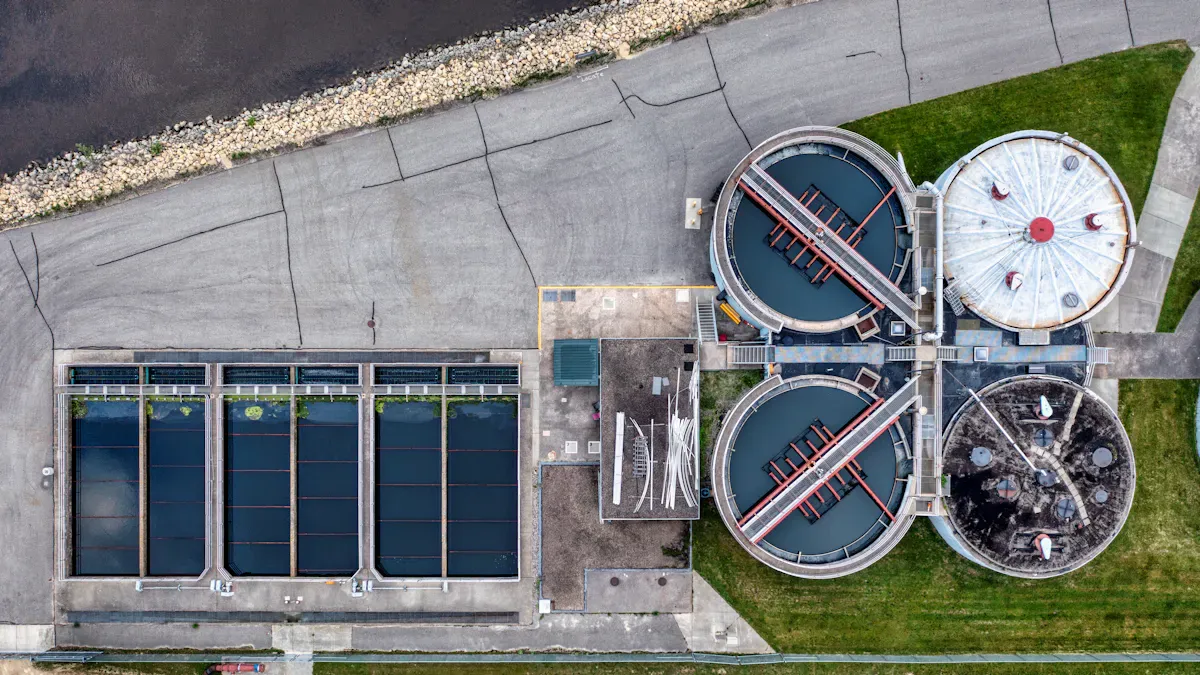
You use impregnated activated carbon to remove hazardous chemicals from air, water, and gases. This material plays a key role in keeping the environment clean and safe. It helps protect people and wildlife from dangerous contaminants. Impregnated activated carbon targets many substances, such as:
Volatile Organic Compounds (VOCs)
Chlorinated solvents
Pharmaceuticals and personal care products (PPCPs)
Pesticides and herbicides
Odors and taste compounds
Synthetic dyes
Fluoride and cyanide
When you choose impregnated activated carbon, you improve the quality of air and water in your surroundings.
Key Takeaways
Impregnated activated carbon effectively removes hazardous chemicals from air and water, improving safety for people and wildlife.
This material targets specific pollutants like heavy metals and volatile organic compounds, making it superior to regular activated carbon.
Different types of impregnated activated carbon exist, each designed to tackle unique contaminants, such as silver for antimicrobial properties and iodine for radioactive isotopes.
Using impregnated activated carbon in industrial processes enhances efficiency, reduces operational costs, and helps meet strict environmental regulations.
Choosing impregnated activated carbon supports environmental protection by capturing harmful gases and pollutants, leading to cleaner air and water.
Impregnated Activated Carbon Overview
What Makes It Different
You might wonder how impregnated activated carbon stands out from regular activated carbon. The main difference comes from the way each type handles pollutants. You can see the differences in the table below:
Attribute | Ordinary Activated Carbon | Impregnated Activated Carbon |
|---|---|---|
Surface Chemistry | Relies on high surface area and neutral surface properties. | Treated with chemicals to create new active sites for specific pollutants. |
Application Range | Used for general tasks like water treatment and deodorization. | Targeted removal of acidic gases and heavy metals. |
Performance | Effective for general odor and color removal. | Enhanced adsorption and catalytic performance for specific pollutants. |
Regeneration and Service Life | Can be regenerated but may lose some performance. | More complex regeneration due to potential loss of impregnated chemicals. |
You use impregnated activated carbon when you need to remove tough contaminants that regular carbon cannot handle well. This material gives you advanced filtration capabilities, especially for gases and chemicals that are hard to trap.
How Impregnation Works
The process of making impregnated activated carbon starts with adding special chemicals to the carbon’s surface. These chemicals create new active sites that boost the adsorption of certain pollutants. Here is what happens during impregnation:
The surface area increases, which means more space for pollutants to stick.
Oxygen plays a key role by helping form tiny pores and making the surface more attractive to gases like hydrogen sulfide.
When you have more oxygen in the carbon, you get better adsorption, especially for harmful gases.
You benefit from this process because it lets you target and remove specific chemicals from air or water. This makes impregnated activated carbon a smart choice for industries and anyone who needs clean air or water.
Types of Impregnated Activated Carbon
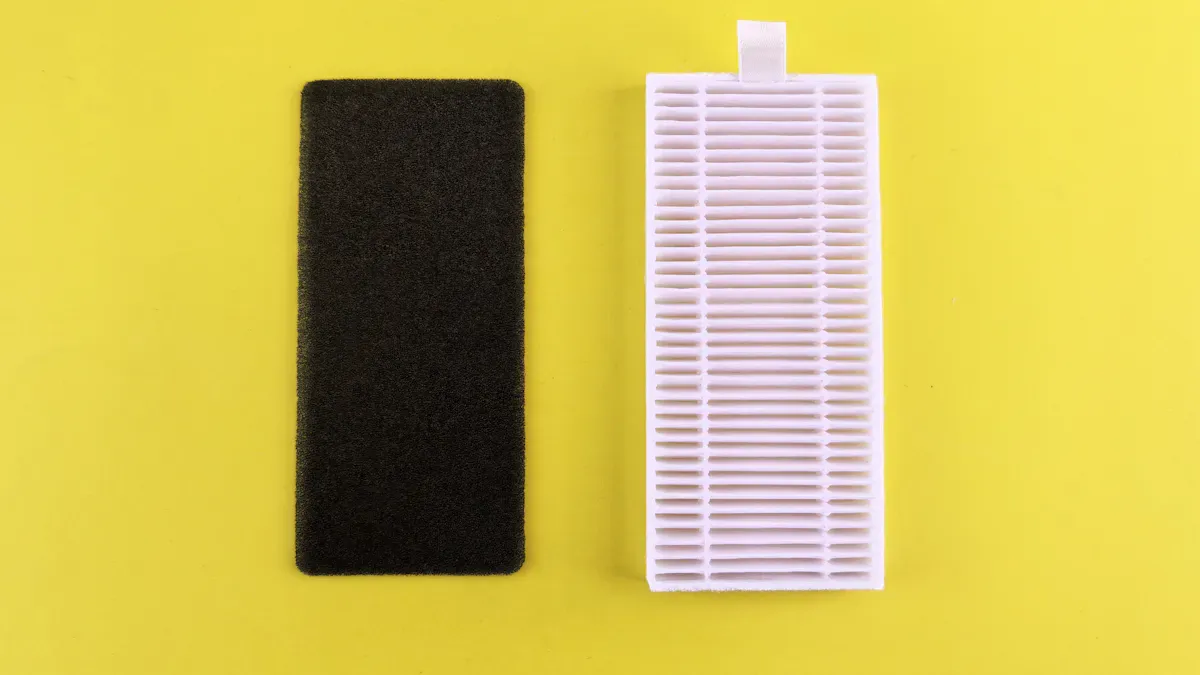
You can choose from several types of impregnated activated carbon. Each type has a special chemical composition and targets different contaminants. The table below shows the main categories and their unique properties:
Type of Impregnated Activated Carbon | Chemical Composition | Purpose |
|---|---|---|
Acidic-impregnated | H₂SO₄, HF, HCl, HNO₃ | Adsorbs alkaline pollutants |
Alkaline-impregnated | Potassium iodide, NaOH | Removes acidic pollutants |
Silver-impregnated | Silver | Antimicrobial properties |
Iodine-impregnated | Iodine | Removes radioactive isotopes |
Copper-impregnated | Copper | Removes sulfur compounds |
Zinc-impregnated | Zinc | Removes chlorine and impurities |
Manganese-impregnated | Manganese | Removes iron and hydrogen sulfide |
Aluminium-impregnated | Aluminium | Removes fluoride and arsenic |
Acidic and Alkaline Types
You use acidic-impregnated activated carbon when you need to trap alkaline pollutants. This type contains acids like sulfuric acid or nitric acid. It works well for removing substances that have a basic nature. On the other hand, alkaline-impregnated activated carbon uses chemicals such as sodium hydroxide or potassium iodide. You rely on this type to remove acidic pollutants from air or water. The table below highlights their effectiveness:
Type | Effectiveness |
|---|---|
Acidic-impregnated | Adsorbs alkaline pollutants |
Alkaline-impregnated | Removes acidic pollutants |
Silver Impregnated Carbon
You often see silver-impregnated activated carbon in places where you need to control bacteria and viruses. This type combines the porous structure of activated carbon with silver’s antimicrobial power. You benefit from its ability to:
Eliminate bacteria, viruses, and other microorganisms.
Inhibit the growth of harmful microbes.
Improve water and air purification.
Enhance food safety.
Silver-impregnated carbon gives you extra protection against germs in water, air, and packaged foods.
Specialized Varieties
You can find specialized types of impregnated activated carbon for unique tasks. For example, iodine-impregnated carbon helps remove radioactive isotopes. Some varieties use triethylene diamine to target radioactive iodine in nuclear reactors. Others focus on mercury removal from waste air. These specialized carbons let you tackle tough contaminants that regular carbon cannot handle.
Specialized varieties help you solve specific environmental and industrial challenges with precision.
Impregnated Activated Carbon Applications

Air Pollution Control
You can use impregnated activated carbon in many air pollution control systems. This material helps you remove harmful pollutants from the air. You will find it especially useful for trapping volatile organic compounds, mercury, and sulfur gases. These pollutants can cause health problems and damage the environment.
You can use it for air purification in homes, offices, and factories.
It works well in gas processing to remove sulfides, mercaptans, acidic gases, and mercury.
You will see it in laboratories, chemical plants, and power facilities for mercury removal.
Impregnated activated carbon plays a key role in molecular filtration. It targets odors, irritants, and toxic gases, making your air cleaner and safer.
Flue Gas Treatment
You can improve flue gas treatment by using impregnated activated carbon. Flue gases come from burning fuels in power plants and factories. These gases often contain acid gases, ammonia, aldehydes, and other dangerous contaminants.
Impregnated activated carbon increases the breakthrough time for acid gases, so you get better adsorption performance.
You can use it to capture sulfur compounds, mercury, and radioactive iodine from flue gas streams.
This material does not always outperform other technologies in speed, but it gives you reliable and steady results.
You can count on impregnated activated carbon for the best uses in removing tough contaminants from industrial emissions.
Water Purification
You can use impregnated activated carbon to clean water and make it safe to drink. This material removes many contaminants, including heavy metals, pesticides, and synthetic chemicals. It also helps with odor control and taste improvement.
You can rely on it for water treatment in homes, schools, and hospitals.
It works well in removing mercury, arsenic, and other heavy metals from drinking water.
You can use it to remove radioactive iodine and other dangerous substances.
Silver-impregnated carbon gives you extra protection against bacteria and viruses in water purification systems.
Petrochemical and Industrial Use
You will find impregnated activated carbon in many petrochemical and industrial applications. It helps you remove sulfur compounds like hydrogen sulfide from natural gas and other process streams.
The impregnation process boosts adsorption and supports chemical reactions that capture contaminants.
You can use alkaline materials or metal oxides to hold sulfur compounds more effectively.
Regenerating the carbon beds keeps your filtration system working efficiently.
You can also use impregnated activated carbon for odor control in chemical plants and refineries.
Chemical and Heavy Metal Removal
You can use impregnated activated carbon to remove chemicals and heavy metals from wastewater and industrial streams. This material shows high adsorption capacity for mercury, arsenic, cadmium, lead, manganese, nickel, and copper.
Heavy Metal | Maximum Sorption Capacity | Equilibrium Time | Adsorbent Dosage | pH |
|---|---|---|---|---|
Arsenic | High | 90 min | 0.75 mg/mL | 9 |
Mercury | High | 120 min | 0.75 mg/mL | 9 |
Heavy Metals | Removal Rate | Treatment Method |
|---|---|---|
Cd | >98% | KOH-modified AC |
Pb | >98% | KOH-modified AC |
Mn | >98% | KOH-modified AC |
Ni | >98% | KOH-modified AC |
Cu | >98% | KOH-modified AC |
You can achieve high removal rates for many contaminants. This makes impregnated activated carbon a smart choice for cleaning up wastewater and protecting the environment.
You can trust impregnated activated carbon for reliable adsorption and filtration in many applications.
Benefits and Impact
Enhanced Contaminant Removal
You gain a powerful tool for removing tough pollutants when you use impregnated activated carbon. The special surface treatment increases the number of active sites, which means you can trap more contaminants. This material works better than regular activated carbon because it targets specific chemicals like mercury, ammonia, and volatile organic compounds. You also benefit from improved selectivity, so you can focus on the most dangerous substances in your air or water. The enhanced adsorption capacity and better regeneration ability help you achieve higher removal rates and longer filter life.
Tip: Choose this technology when you need to remove pollutants that ordinary filters cannot handle.
Environmental Protection
You help protect the environment every time you use impregnated activated carbon. Its porous structure and chemical treatment allow you to capture harmful gases and vapors that would otherwise pollute the air and water. You can remove acidic gases, hydrogen sulfide, and even radioactive iodine from industrial emissions. This process keeps toxic substances out of rivers, lakes, and the atmosphere. When you use silver-impregnated types, you also reduce bacteria and viruses, making water safer for people and wildlife.
Cleaner water supports healthy aquatic life.
Lower air pollution means safer communities.
You support global efforts to meet strict environmental standards.
Industrial Efficiency
You improve your industrial processes by choosing impregnated activated carbon. The advanced adsorption properties help you meet tough regulations, especially for mercury and other hazardous chemicals. You can run your systems longer with fewer filter changes, which saves you time and money. The ability to capture pollutants in high-temperature and aggressive environments means you get reliable performance in challenging conditions. Although the initial cost may be higher, you often reduce operational costs over time due to longer filter life and less downtime.
Benefit | Impact on Industry |
|---|---|
Longer filter life | Fewer replacements needed |
Better pollutant capture | Easier regulation compliance |
Lower maintenance | Reduced operational costs |
Note: Many industries now choose this technology to keep up with stricter environmental rules and improve overall efficiency.
You see how impregnated activated carbon stands out as a powerful tool for modern industries. Experts agree that it boosts the removal of tough contaminants, which keeps your air and water safer. You can use it for many tasks, from cleaning factory emissions to purifying drinking water.
Consider regulations, environmental needs, and new technology when you choose this solution.
Look for ways to make your processes more sustainable and cost-effective.
Future Outlook | Details |
|---|---|
Market Growth | $4068.8 million by 2025 |
Main Uses | Air purification, mercury control |
Key Drivers | Stricter environmental regulations |
You can rely on impregnated activated carbon to meet your safety and efficiency goals.
FAQ
What is impregnated activated carbon?
You use impregnated activated carbon to remove specific chemicals from air or water. Manufacturers add special chemicals to the carbon. This process helps you target pollutants that regular activated carbon cannot remove.
Is impregnated activated carbon safe for home use?
Yes, you can use it safely in air purifiers and water filters. Always follow the manufacturer’s instructions. Do not eat or inhale the carbon. Keep it away from children and pets.
How do you dispose of used impregnated activated carbon?
You should check local rules for disposal. Some types may contain hazardous materials after use. Place used carbon in a sealed bag. Take it to a proper waste facility.
Can you reuse impregnated activated carbon?
Most of the time, you cannot reuse it at home. The carbon loses its power after trapping pollutants. Some industries can regenerate it, but you should replace it for best results.