
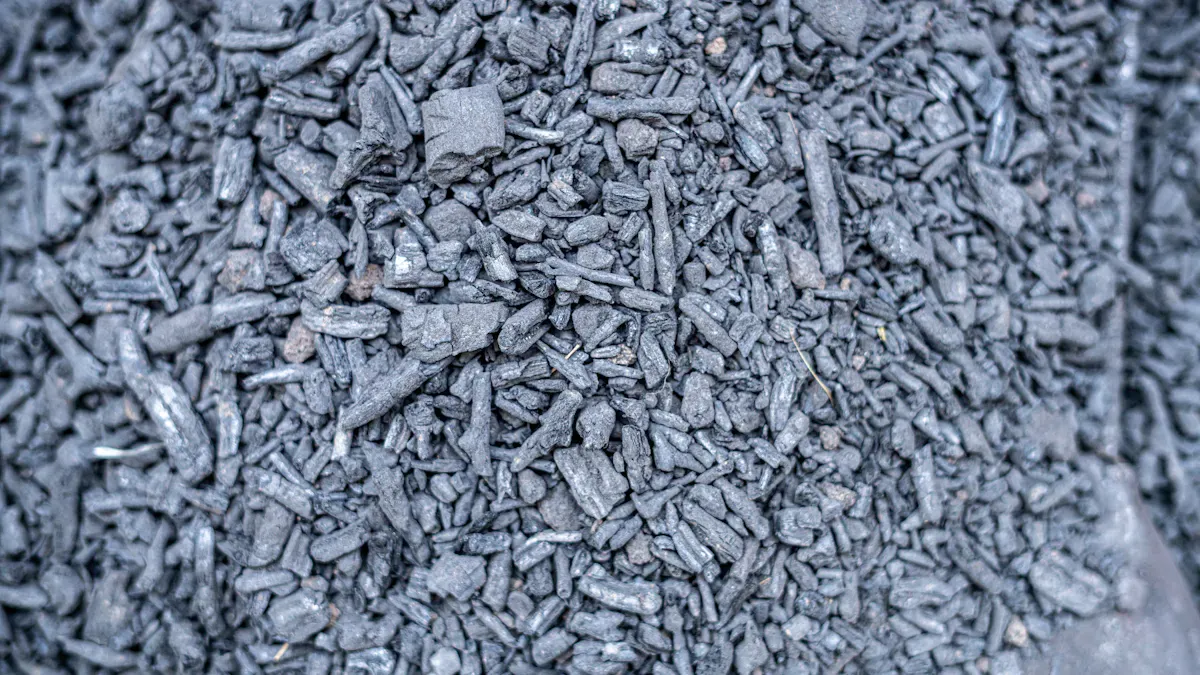
You can find Nut Shell Activated Carbon in many important uses around you.
Water treatment: It removes chlorine, organic compounds, and bad odors, making your drinking water safe.
Air purification: It traps harmful gases and odors, helping keep the air clean in places like hotels.
Food processing: It cleans and decolorizes liquids to meet health standards.
Pharmaceutical processing: It ensures medicine purity by removing impurities.
Environmental cleanup: It helps remove dangerous substances from waste.
Nut Shell Activated Carbon stands out because of its high adsorption ability, with an iodine index of 500–1200 mg/g and a surface area of 900–1100 m²/g. You benefit from its durability, easy regeneration, and eco-friendly nature. This makes it valuable for both homes and industries. The global market for activated carbon keeps growing, showing its rising importance.
Key Takeaways
Nut Shell Activated Carbon effectively purifies water by removing chlorine, organic compounds, and odors, making it safe for drinking.
This carbon is eco-friendly, made from renewable nut shells, which helps reduce pollution and supports sustainability.
It has a high adsorption capacity, allowing it to capture harmful gases and odors in air purification applications.
Nut Shell Activated Carbon is versatile, used in food processing to decolorize liquids and ensure safety without synthetic chemicals.
You can regenerate and reuse Nut Shell Activated Carbon, making it a cost-effective solution for various filtration needs.
Nut Shell Activated Carbon Overview
Definition and Production
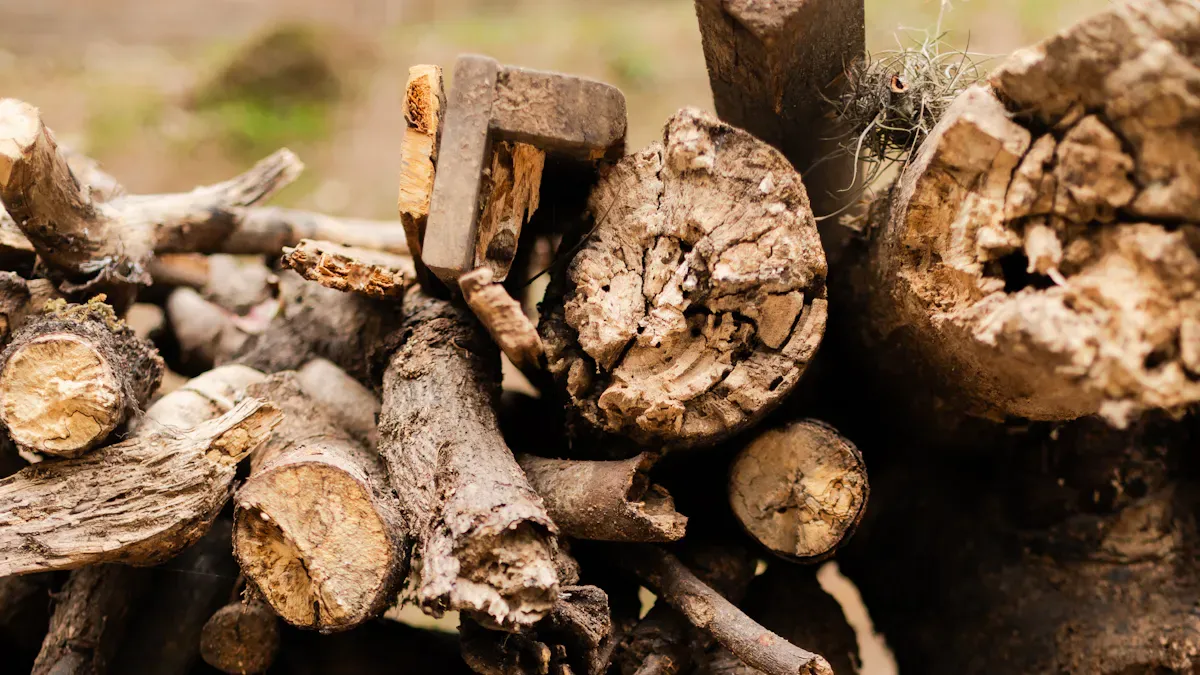
You use Nut Shell Activated Carbon when you want a powerful and eco-friendly material for cleaning water, air, or food. Manufacturers create this carbon from natural nut shells, such as coconut, walnut, and almond shells. These shells are strong and rich in carbon, making them ideal for activation.
The production process involves several steps:
Preparation of Raw Material: Workers clean and dry nut shells to remove impurities and moisture.
Carbonization: The shells undergo pyrolysis at high temperatures in an oxygen-free environment.
Activation Process: The char is exposed to activating agents like steam or chemicals.
Cooling and Crushing: The activated carbon is cooled and ground into granular or powdered forms.
Quality Control: Experts test the final product for pore size, surface area, and adsorption capacity.
You benefit from a material that comes from renewable resources. Coconut shells, for example, are a byproduct of the coconut industry.
Coconut shells are a renewable resource, with the shells being a byproduct of the coconut industry. On the contrary, coal-based activated carbon is derived from fossil fuels, whose extraction and use are associated with higher carbon emissions and environmental disturbances.
Key Properties and Benefits
Nut Shell Activated Carbon offers several important properties that make it effective for many uses. You can see these properties in the table below:
Property | Description |
|---|---|
High Surface Area | The large surface area enhances adsorption capabilities, allowing for more impurities to be captured. |
Porous Structure | The porous nature of the material traps contaminants effectively, making it ideal for various applications. |
Renewable | Being derived from natural nutshells, it is a sustainable and environmentally friendly option. |
You find that scientific studies confirm its high adsorption capacity. Researchers have shown that walnut shell activated carbon can adsorb methanol and cobalt efficiently, with maximum adsorption reaching 1371.4 mg/g.
Using electrical energy produced from renewable sources, such as biomass, would reduce the contributions to human toxicity (by up to 60%) and global warming (by up to 80%).
You choose Nut Shell Activated Carbon because it combines high performance with sustainability. This material helps you protect the environment while delivering reliable results.
How Nut Shell Activated Carbon Works
Adsorption Mechanism
You rely on Nut Shell Activated Carbon because it captures impurities through a process called adsorption. Adsorption happens when molecules stick to the surface of the carbon. The process works in three main stages:
Stage | Description |
|---|---|
1. Outer Liquid Film Diffusion | The liquid film around the carbon particles diffuses, allowing contaminants to reach the surface. |
2. Rapid Adsorption | Molecules quickly attach to the carbon surface, increasing the adsorption rate. |
3. Particle Diffusion | The rate slows as molecules move deeper into the pores, reaching equilibrium. |
You see this mechanism in action when Nut Shell Activated Carbon removes organic dyes, heavy metals, and phenol from water. The material uses functional groups like OH and C=O to attract and hold these contaminants. Scientists have observed crystal structures that help boost adsorption. You benefit from models such as Langmuir and Freundlich, which explain how the carbon captures different substances.
Why Nut Shells Are Effective
Nut shells provide high performance because they have a strong structure and a large surface area. You notice that they can adsorb organic dyes (30–500 mg/g) and heavy metals (10–400 mg/g). The durability stands out, with strength values between 90–95%. You can regenerate the carbon easily, which means you use it again after cleaning.
Feature | Value |
|---|---|
800-1000 mg/g | |
Strength | 90-95% |
Moisture | < 10% |
Economical and durable | Yes |
Easy to regenerate | Yes |
Applications | Gold refining, sewage treatment, etc. |
You save money because manufacturers use agricultural residues, lowering costs. Nut Shell Activated Carbon supports sustainability and supply chain diversification. Digital monitoring improves efficiency and extends product life.
Economic Advantage | Description |
|---|---|
Using nut shells reduces raw material costs. | |
Sustainability | You help lower carbon footprints and support the circular economy. |
Enhanced Performance | Automation boosts operational efficiency and product lifespan. |
Supply Chain Diversification | Agricultural residues make supply chains more resilient. |
You face some challenges, such as the need to replace or regenerate the carbon over time. Regeneration requires special equipment, and some chemicals may affect performance. Despite these challenges, you gain reliable results and economic benefits.
Main Applications by Industry
Water Purification
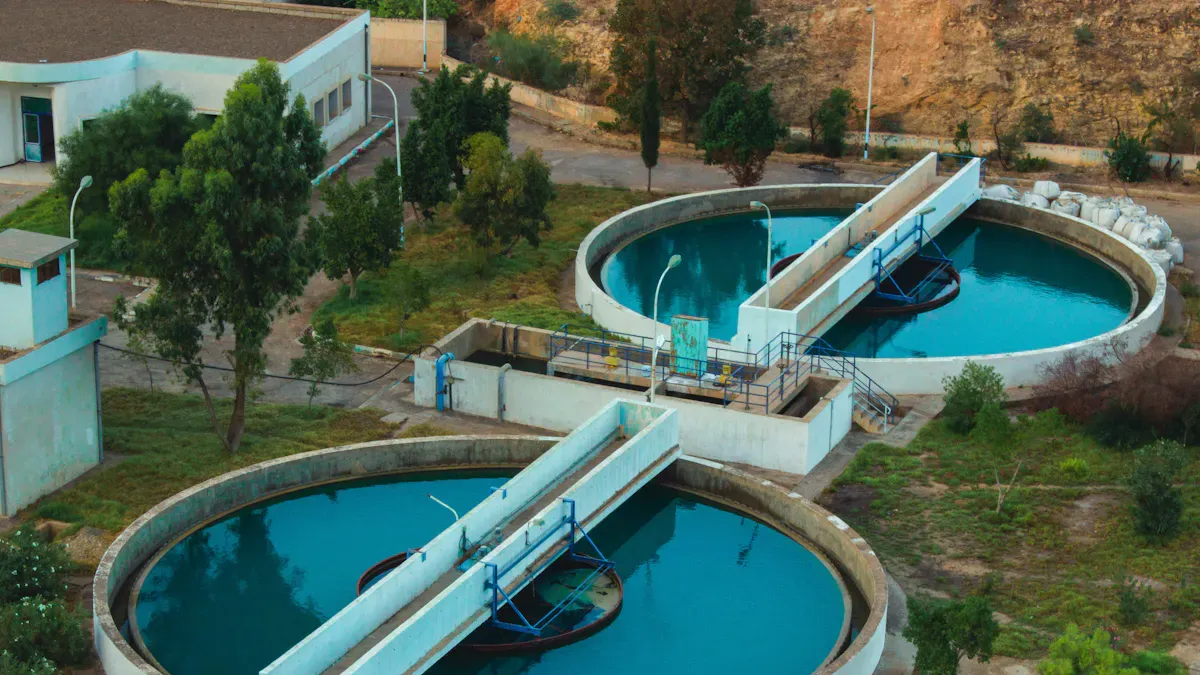
You use Nut Shell Activated Carbon to make water safer and cleaner. This material removes chlorine, organic compounds, and odors from drinking water. You improve water taste and protect equipment from corrosion. You also capture pesticides and industrial chemicals, which helps solve many water quality problems. Heavy metals like mercury, lead, and cadmium are adsorbed, making water safer for your family.
Here is a table showing how Nut Shell Activated Carbon works in water purification:
Application | Removal Efficiency |
|---|---|
Adsorption of free chlorine | Improves water taste and odor, protects downstream equipment from corrosion. |
Capturing organic pollutants | Effective against pesticides, herbicides, and industrial chemicals, addressing multiple water quality issues. |
Removal of heavy metals | Adsorbs heavy metal ions such as mercury, lead, and cadmium, enhancing drinking water safety. |
Residual chlorine removal | Effectively removes residual chlorine, improving water safety and taste. |
Odor and chromaticity reduction | Reduces odors and color in drinking water, enhancing overall quality. |
Adsorption of organic pollutants | Captures pesticide residues and polycyclic aromatic hydrocarbons, improving water safety. |
You find that Nut Shell Activated Carbon is especially good at reducing pesticide residues. You notice clearer water and better taste after treatment.
Tip: You can use Nut Shell Activated Carbon in home filters or large water treatment plants. It works well in both settings.
Air and Gas Filtration
You rely on Nut Shell Activated Carbon to clean the air in your home, office, or factory. The high surface area and porous structure help trap harmful gases and odors. You target pollutants like formaldehyde, benzene, ammonia, hydrogen sulfide, and total volatile organic compounds (TVOCs). This makes your environment healthier and more comfortable.
Here is a table showing performance data for air purification:
Metric | Value |
|---|---|
≥900 mg/g | |
Molasses Number | ≥180 |
Chlorine Removal | 6–12 mg/g |
You use Nut Shell Activated Carbon in air filters, gas masks, and industrial scrubbers. You protect yourself from dangerous chemicals and improve indoor air quality.
Note: You can install air purifiers with Nut Shell Activated Carbon in hotels, hospitals, and schools to keep the air fresh.
Food Processing
You use Nut Shell Activated Carbon to make food products safer and more appealing. This material decolorizes liquids, removes impurities, and extends shelf life. You ensure that food meets health standards without using synthetic chemicals.
You decolorize sugar syrup and fruit juice.
You remove pigments and impurities without losing flavor.
You achieve high decolorization efficiency at lower costs compared to other materials.
You treat composite pollutants in food processing.
You use Nut Shell Activated Carbon for broad-spectrum purification.
You find that Nut Shell Activated Carbon is cost-effective for large molecule adsorption. You keep food products safe and tasty for your customers.
Tip: You can use Nut Shell Activated Carbon in beverage factories and food processing plants to meet strict quality standards.
Environmental Remediation
You choose Nut Shell Activated Carbon for cleaning up polluted water and soil. You use it in municipal and industrial water treatment plants to remove chlorine, organic compounds, and odors. You reduce pesticide residues and improve water clarity. In one study, activated carbon from areca nut husk adsorbed methylene blue dye with a maximum capacity of 193.80 mg/g.
You clean up hazardous substances from waste.
You prevent environmental contamination during remediation.
You use a renewable and biodegradable material, which helps protect nature.
Nut Shell Activated Carbon offers environmental benefits over traditional methods. You avoid synthetic materials that can harm the environment. You support sustainability and keep your community safe.
Note: You can use Nut Shell Activated Carbon in environmental projects to restore rivers, lakes, and soil.
Selecting and Buying Nut Shell Activated Carbon
Selection Criteria
When you choose Nut Shell Activated Carbon, you want to make sure it meets your needs. You should look at several important factors. The table below shows what to check:
Criteria | Description |
|---|---|
Adsorption Capacity | High capacity for adsorbing contaminants. |
Mechanical Strength | Good wear resistance, ensuring durability in use. |
Regeneration Capacity | Ability to be reused after adsorption processes. |
Carbon Content | Higher carbon content indicates better quality. |
Porosity | Affects the surface area available for adsorption. |
Environmental Impact | More eco-friendly compared to coal-based alternatives. |
You should also check for quality certifications. Look for products made from natural, renewable materials like coconut shells or apricot pits. A high iodine number (over 900 mg/g) means strong adsorption. Low ash content keeps the product pure. Consistent granule size helps filters work better. Certifications such as NSF, FDA, or ISO show the product is safe for food, medical, or water use.
Tip: Always ask your supplier for test reports and certifications before you buy.
Leading Suppliers
You can find many trusted brands in the market. Some of the top suppliers include:
Kuraray
Jacobi Carbons
Haycarb
Shanxi Xinhua Chemical
Donau Carbon
Carbon Activated
Silcarbon Aktivkohle
CarboTech GmbH
Desicca Chemicals
Ningxia Baiyun Carbon Co. Ltd
These companies stand out because they use high-quality raw materials, focus on new product development, and care about the environment. Brands like Calgon Carbon Corporation, Cabot Corporation, and Silva Carbon are also known for their advanced solutions and eco-friendly methods.
Market Trends
The market for Nut Shell Activated Carbon keeps growing. You see this growth because of stricter rules for clean water and air. People want safer environments, so demand rises. The table below shows what drives the market:
Key Drivers | Description |
|---|---|
Environmental Regulations | More rules for water and air quality increase the need for better filtration. |
Health and Environmental Awareness | People care more about pollution and health. |
Sustainability and Renewable Sourcing | Using nutshells supports eco-friendly choices. |
Technology Advancements | New ways to make carbon improve its performance. |
Industrial Growth | Fast-growing industries in Asia-Pacific need more activated carbon. |
Over the last five years, the market has grown because of new rules and a push for sustainability. Companies now use more agricultural waste, which helps the planet and keeps supply steady. You can expect more innovation and better products in the future.
You see nut shell activated carbon used in water, air, food, and environmental cleanup. Its main advantages include high adsorption, versatility, and eco-friendliness. The table below shows why you benefit from using it:
Advantage | Description |
|---|---|
Versatility | Works in many industries for purification and filtration. |
Environmental Benefits | Renewable and biodegradable, supporting sustainability. |
High Adsorption Capacity | Removes odors and contaminants effectively. |
You help protect the planet by choosing this material. New activation methods and stricter rules will make it even more important in the future. You can expect better performance and more uses as technology advances.
FAQ
What makes nut shell activated carbon eco-friendly?
You use nut shell activated carbon because it comes from renewable resources. Manufacturers make it from waste shells, not fossil fuels. This process reduces pollution and supports sustainability.
Can you reuse nut shell activated carbon?
Yes, you can regenerate and reuse it. You clean the carbon by heating or washing it. This process restores its adsorption ability and saves you money.
Where can you use nut shell activated carbon at home?
You can use it in water filters, air purifiers, and even aquarium systems. It helps remove odors, chemicals, and impurities from your environment.
How do you know if nut shell activated carbon is high quality?
Look for a high iodine number (over 900 mg/g), low ash content, and certifications like NSF or ISO. These signs show you have a reliable and effective product.