
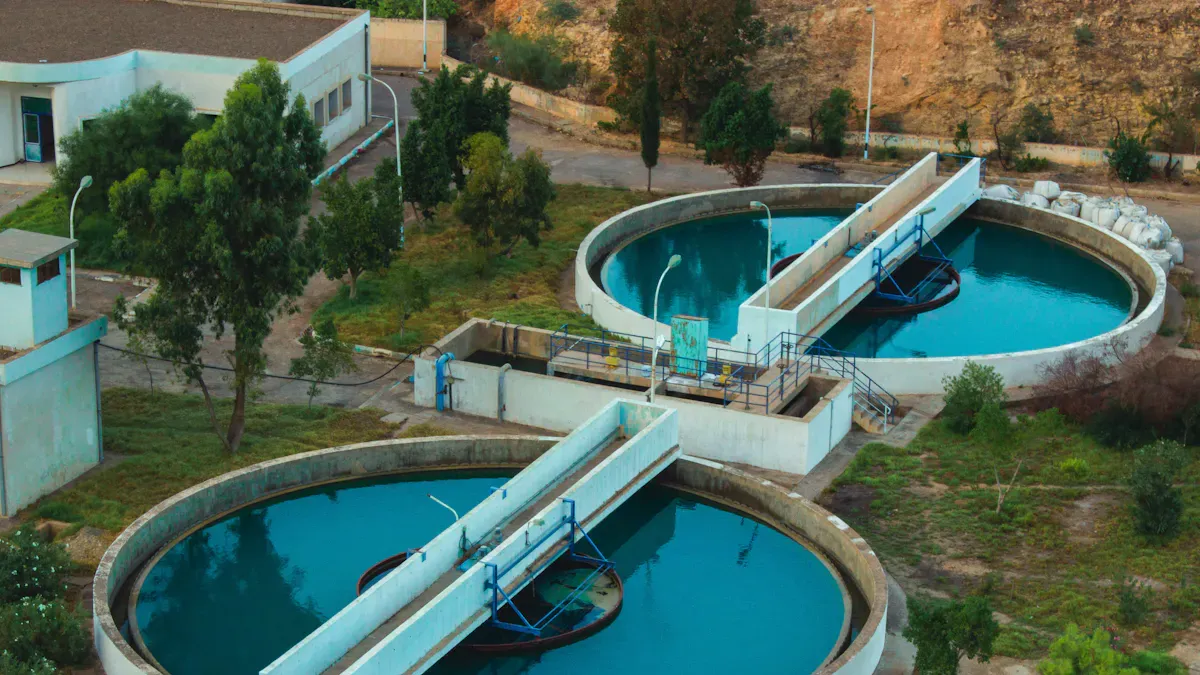
You use powder activated carbon for removing contaminants from water, air, and food. It works fast and handles tough pollutants like heavy metals, dioxins, furans, and even mercury. Many industries rely on this material to keep things clean and safe. Take a look at some common contaminants it tackles:
Contaminants Removed | Description |
|---|---|
Heavy Metals | Includes mercury and other toxic metals. |
Dioxins | Harmful organic pollutants removed from air. |
Furans | Addressed in gas-phase purification tasks. |
Organic Compounds | Dissolved chemicals and organic impurities. |
Odours, Tastes, Colours | Improves the sensory quality of treated fluids. |
Key Takeaways
Powder Activated Carbon (PAC) effectively removes contaminants from water, air, and food, making it essential for various industries.
PAC’s ultra-fine particles allow for rapid adsorption, enabling quick removal of pollutants like heavy metals and organic compounds.
Use PAC in emergencies or for short-term treatments, as it works faster than granular activated carbon (GAC) but is typically single-use.
Proper handling and disposal of spent PAC are crucial to avoid environmental risks and comply with regulations.
Consider the specific needs of your project when choosing between PAC and other forms of activated carbon for optimal results.
What is Powder Activated Carbon
Definition and Properties
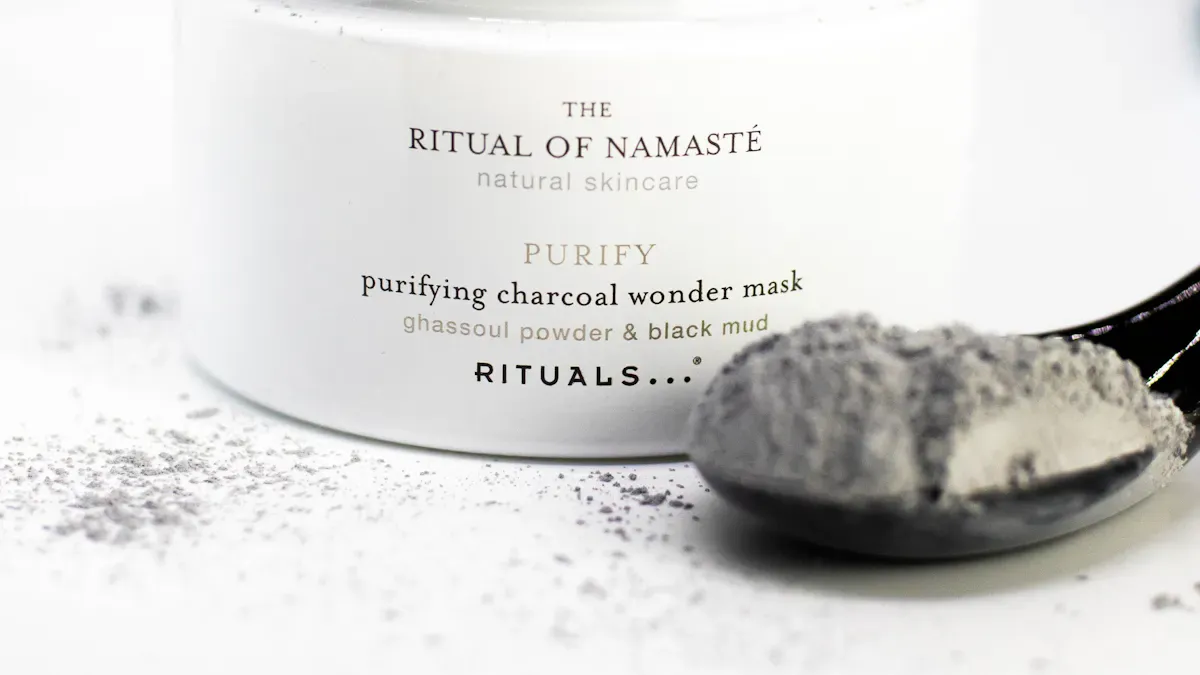
When you hear about powdered activated carbon, you might picture a fine, black dust. This material comes from things like coconut shells, coal, or wood. Manufacturers heat these materials to very high temperatures. This process creates a lot of tiny holes and spaces inside each particle. These spaces make powdered activated carbon very good at grabbing and holding onto unwanted chemicals.
Here are some quick facts about powdered activated carbon:
The particles are super small, usually less than 0.2 millimeters across.
It has a huge surface area because of all the tiny pores.
You can use it to clean water, air, and even food.
Because powdered activated carbon is so fine, it can mix easily with liquids. This helps it reach and trap more pollutants in a short time.
Powder vs. Other Activated Carbon Forms
You might wonder how powdered activated carbon stacks up against other types. The main other form is granular activated carbon. Granular activated carbon has bigger pieces, while powdered activated carbon is much finer.
Let’s look at some differences:
Feature | Granular Activated Carbon (GAC) | Powdered Activated Carbon (PAC) |
|---|---|---|
Particle Size | 0.2–5 mm | |
Surface Area | High | Very high |
Adsorption Rate | Moderate | Rapid |
Application Type | Continuous filtration | Batch or emergency dosing |
Handling | Easy, low dust | Needs care for dust |
Reusability | Can be reused | Usually single-use |
Cost | Higher upfront | Lower upfront |
Powdered activated carbon works fast because its tiny particles have more surface area. This means it can grab more pollutants in less time. You often use powdered activated carbon when you need quick results, like in emergencies or for one-time treatments. Granular activated carbon works better for long-term use, such as in filters that run all the time.
Tip: If you want to remove a sudden spike of pollution, powdered activated carbon is your best friend. For steady, ongoing cleaning, granular activated carbon might be a better fit.
Powdered activated carbon is popular in water treatment plants, food processing, and even in emergency kits. You can count on it to handle tough jobs quickly and efficiently.
How Powder Activated Carbon Works
Adsorption Process
When you use powder activated carbon, you rely on a process called adsorption. This means the carbon grabs contaminants and holds them on its surface. You can picture the carbon as a sponge, but instead of soaking up water, it traps chemicals and pollutants. Scientists explain this process using two main ideas: physical adsorption and chemical adsorption. Take a look at the table below to see how these work:
Mechanism | Description |
|---|---|
Physical Adsorption | Driven by van der Waals forces, trapping contaminants within the porous matrix of PAC. |
Chemical Adsorption | Involves covalent or ionic bonds formed between functional groups on PAC and specific pollutants. |
Factors Influencing Adsorption | Includes particle size, pH, temperature, and contact time affecting the efficiency of PAC. |
You get fast results because the carbon has a huge surface area and lots of tiny pores. Contaminants move into these pores and stick to the carbon. Studies show that activated carbon can remove heavy metals, pharmaceuticals, and persistent organic pollutants. You can count on it to handle tough jobs, like removing TNT from water, because it works quickly and costs less than other methods.
Note: Adsorption works best when you have the right conditions, like proper pH and enough contact time.
Why Powder Form is Effective
You might wonder why the powder form works so well. The answer lies in its tiny particle size and fast action. Check out this table to see what makes it special:
Characteristic | Description |
|---|---|
Ultra-Fine Particle Size | Typically less than 0.18 mm in diameter, allowing for quick dispersion and immediate contact with contaminants. |
Fast Adsorption Kinetics | Due to short diffusion distances within the small particles, PAC can begin removing impurities within seconds of contact—often achieving effective treatment in under one minute. |
The powder spreads easily in water or air, so every particle gets a chance to grab pollutants. You get rapid adsorption because the contaminants don’t have to travel far to reach the carbon. The high surface area and pore structure let you target a wide range of contaminants. You can use powder activated carbon for emergencies or when you need a quick fix. It adapts to different situations and gives you reliable results.
Powder Activated Carbon Uses
Powdered Activated Carbon in Water Treatment
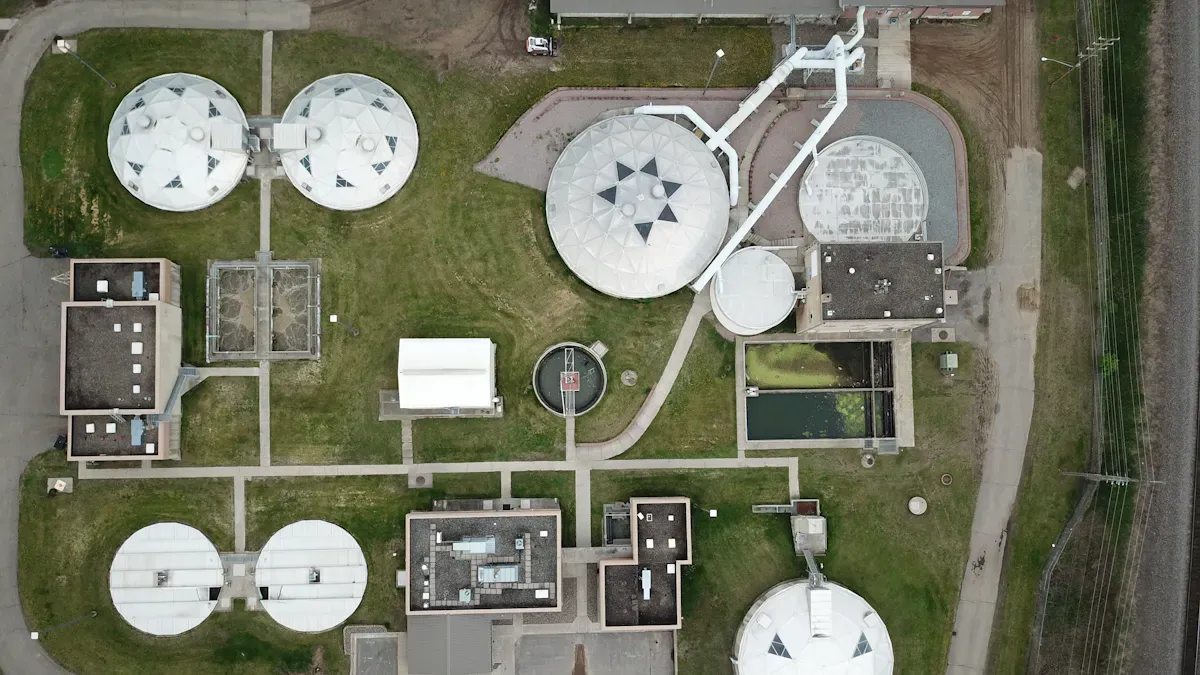
You see powdered activated carbon used in water treatment plants all over the world. It plays a big role in making drinking water safe. When you add this fine powder to water, it acts fast. It grabs onto tiny pollutants that other methods might miss. You can count on it to remove things like pharmaceuticals and pesticides. In fact, studies show that it can remove up to 95% of pharmaceuticals during advanced water filtration. If you worry about pesticides, powdered activated carbon works well there too. Smaller particles mean faster adsorption, so you get better results for hydrophobic pesticides.
Here’s what you can expect when you use powdered activated carbon for water filtration:
It removes micropollutants, including medicines and pesticides.
It helps stabilize biological systems in water treatment.
It controls color and odor, making water look and taste better.
It reduces sludge, which means less waste to handle.
You often see this purification agent added before coagulation, during chemical dosing, or even in the settling stage. This flexibility makes it a favorite for both regular and emergency water filtration. You get cleaner water, fewer toxins, and a safer supply for everyone.
Air and Gas Purification
You might not realize it, but powdered activated carbon also keeps the air clean in many industries. Factories use it to trap airborne chemicals from manufacturing equipment, glues, and cleaning agents. It’s a top choice for removing volatile organic compounds like formaldehyde and benzene. You also find it in personal safety masks, where it helps protect you from unknown toxins.
Here’s a quick look at where you’ll find powdered activated carbon working hard:
Industry | Contaminants Targeted |
|---|---|
Incineration | Dioxins, Mercury Vapor |
Rendering Plants | Odorous Emissions |
Wastewater Facilities | Odorous Emissions |
Personal Safety Masks | Unknown Toxins |
You get reliable odor elimination and deodorization in places where smells can be a problem. Powdered activated carbon acts as a purification agent, making sure the air you breathe is safer and cleaner.
Activated Carbon in Food and Beverage
You probably enjoy clear juice, bright sugar, and fresh-tasting drinks. Activated carbon makes that possible. Food and beverage companies use powdered activated carbon to remove color, unwanted tastes, and odors. It works by trapping impurities in its tiny pores, leaving behind pure and appealing products.
Here’s how you see it used:
Color removal from sugar, oils, and food-grade liquids
Purification of food-grade chemicals
Clarification and purification of wine, beer, juice, and spirits
Removing off-flavors and odors from food products
Decolorization and purification of high-fructose corn syrup
You also find it in batch treatments, especially when processing things like MSG mother liquor. The result is a pure white product, free from dark pigments. Companies must follow strict rules, making sure the activated carbon is made in clean environments and meets standards set by groups like the FDA and ASTM. This keeps your food and drinks safe.
Emergency and Industrial Applications
Sometimes, you need a quick fix for a big problem. Powdered activated carbon steps in during emergencies like chemical spills, natural disasters, or sudden pollution spikes. You also see it used when seasonal algae blooms threaten water supplies. In these cases, you add the powder directly to the water for fast toxin removal.
In industrial settings, you use powdered activated carbon to control color, odor, and chemical contaminants. You can add it before coagulation, during chemical addition, or in the settling stage. This flexibility helps you target persistent organic compounds, such as pesticides and biocides, as well as other organic chemicals like AOX, BTEX, MAH, and PAHs.
Here’s a table showing common application methods:
Application Method | Description |
|---|---|
Before Coagulation | Add PAC to water before coagulation to remove contaminants. |
During Chemical Addition | Dose PAC during chemical addition for better treatment efficiency. |
During Settling Stage | Introduce PAC during settling, before sand filtration, to aid removal. |
Short-term Use | Apply PAC temporarily for issues like algal toxins, saving costs. |
Disposal | Dispose of PAC with treatment sludge or backwash water after use. |
You get fast results and can handle sudden changes in water quality. Powdered activated carbon gives you a powerful tool for both planned and emergency water filtration and purification.
Pros and Cons
Benefits in Application
You get a lot of advantages when you use powdered activated carbon (PAC). The ultra-fine particle size lets PAC spread quickly in water or air, so it starts working almost right away. You can treat large volumes fast, which is perfect for emergencies or big jobs. PAC works well for single-use situations, and you can remove it after treatment. You don’t need fancy equipment or a lot of infrastructure, so you save money and time.
Here’s a quick look at what makes PAC stand out:
Advantage | Description |
|---|---|
Ultra-Fine Particle Size | PAC’s particle size is less than 0.18 mm, enabling quick dispersion and immediate contact with contaminants. |
Fast Adsorption Kinetics | PAC can start removing impurities within seconds, often achieving effective treatment in under one minute. |
Bulk Treatment Applications | PAC can be dosed directly into water streams for rapid intervention in municipal or industrial processes. |
Single-Use Efficiency | PAC is often used temporarily and removed after use, unlike GAC which is used in fixed filters. |
You also get cost savings. PAC is low-cost and easy to use. You don’t need much infrastructure, so you can set it up quickly. Many water plants switch to granular activated carbon (GAC) for long-term use, but PAC is great for emergencies and short-term fixes. You can see big savings in chemical costs, especially when you use PAC for quick treatments.
Tip: If you need to handle a sudden pollution spike or treat water in a hurry, PAC gives you fast results without breaking the bank.
Limitations and Considerations
PAC isn’t perfect. You face some challenges when you use it. The fine particles make separation tricky. After treatment, you need extra filtration or sedimentation steps to remove PAC from water. This adds time and cost. Spent PAC can hold hazardous substances, so you must follow strict disposal rules. Sometimes, the presence of multiple contaminants reduces how well PAC removes the target pollutant.
Here’s a table showing common limitations:
Limitation | Description |
|---|---|
PAC’s fine particles require additional filtration or sedimentation steps. | |
Disposal concerns | Spent PAC may contain hazardous adsorbed substances, necessitating regulated disposal or regeneration. |
Competitive adsorption | The presence of multiple contaminants can reduce target pollutant removal efficiency. |
You also need to think about how PAC affects sludge disposal. The extra carbon can change how you handle waste. Some treatment plants struggle with regulatory requirements for spent PAC. If you don’t manage disposal properly, you risk environmental harm.
You must separate PAC from water after use.
Spent PAC can influence how you dispose of excess sludge.
Regulatory rules make disposal more complicated.
Note: Always plan for proper handling and disposal of PAC to avoid extra costs and environmental risks.
You can count on Powder Activated Carbon for fast, reliable purification in water, air, and food. It works best when you need quick results, like in emergencies or when removing tough odors and colors. PAC’s huge surface area and rapid action make it a top choice in many industries.
PAC captures over half the activated carbon market and adapts to changing needs.
You see it used in food, water, automotive, and medical fields.
Remember to handle and dispose of it safely to protect the environment.
Key Factor | Why It Matters |
|---|---|
Ultra-fine powder | Fast, even mixing and quick results |
High adsorption | Removes many types of contaminants |
Think about your needs and the pros and cons before choosing PAC for your next project.
FAQ
How do you add powdered activated carbon to water?
You usually mix the powder directly into the water. Stir it well so it spreads out. After treatment, you remove the carbon with filters or let it settle.
Is powdered activated carbon safe for drinking water?
Yes, you can use it to clean drinking water. Water treatment plants use food-grade carbon. Always follow safety guidelines and remove the powder before drinking.
Can you reuse powdered activated carbon?
No, you cannot reuse it. Once it traps pollutants, you need to remove and dispose of it safely. Reusing it will not work well.
What should you do with spent powdered activated carbon?
Always follow local rules for disposal. Spent carbon may contain harmful substances. Most people send it to special landfills or incinerators.
Does powdered activated carbon remove all contaminants?
It removes many, but not all. Some chemicals may not stick to the carbon. You may need other treatment steps for complete purification.