
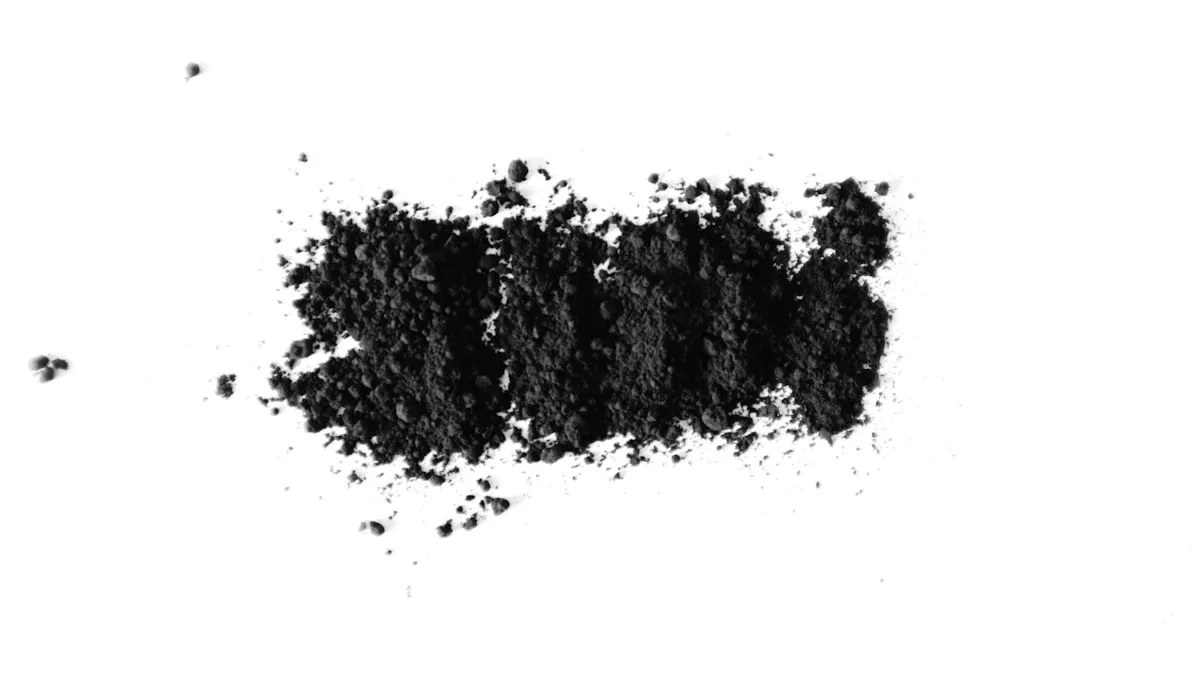
Granular Activated Carbon is a high-purity carbon with larger particle sizes than powdered forms. You find it in small granules that range from 0.2mm to 5mm. This material has a high adsorption capacity, which means it attracts and holds pollutants from water and air. You rely on it to remove chlorine, hydrogen sulfide, and dissolved minerals, helping to improve taste, odor, and overall quality. Its main purpose is to make your environment safer and cleaner.
Chlorine: Reduces strong odors and improves taste.
Hydrogen Sulfide: Removes unpleasant smells.
Dissolved Minerals: Helps protect skin and hair.
Key Takeaways
Granular Activated Carbon (GAC) effectively removes pollutants from water and air, improving taste and quality.
GAC’s unique structure, with high surface area and various pore sizes, enhances its ability to trap a wide range of contaminants.
Regularly replace GAC filters every 6 to 12 months to maintain optimal filtration performance.
Choose GAC for long-term filtration needs, as it is reusable and cost-effective compared to powdered activated carbon.
GAC is safe for home use and meets safety standards, making it a reliable choice for cleaner water and air.
What Is Granular Activated Carbon
Key Properties
You can recognize granular activated carbon by its unique structure and powerful filtering abilities. This material stands out because of its high surface area and special pore system. These features allow it to trap and hold many types of pollutants.
Here is a table that shows the main properties that make granular activated carbon so effective:
Property | Contribution to Adsorption Capacity |
|---|---|
Surface Area | High surface area allows for more adsorption sites for organic compounds and pollutants. |
Porosity | The presence of various pore sizes (micropores, mesopores, macropores) facilitates the adsorption of different molecules. |
Functional Groups | Enhance the attachment of microorganisms and improve chemical adsorption processes. |
You benefit from these properties because they help remove unwanted substances from water and air. Physical adsorption uses Van der Waals forces to pull organic molecules into the carbon’s pores. Chemical adsorption happens when certain pollutants, like chlorine, react with the carbon’s surface.
Granular activated carbon comes from different sources. Each source gives the carbon unique qualities. Here are some common sources:
Source | Description |
|---|---|
Bituminous Coal | Commonly used for its high adsorption capacity and effectiveness in various applications. |
Coconut Shells | Known for its high surface area and porosity, making it ideal for water treatment. |
Wood | Offers unique characteristics that can be beneficial for specific applications. |
You can also find that the quality of granular activated carbon is tested in several ways. These tests help make sure you get a product that works well for your needs.
Test Method | Description |
|---|---|
Apparent Density | Measures the bulk density of GAC to ensure proper vessel design and material ordering. |
Particle Size Distribution | Analyzes the size of GAC particles to optimize liquid contact times and filtration efficiency. |
Total Ash Content | Determines the ash content which can affect the carbon’s applications and water quality. |
Moisture Content | Assesses moisture levels to ensure accurate weight-based purchasing and performance expectations. |
How GAC Differs from Other Carbons
You might wonder how granular activated carbon compares to other types of carbon filters. The main differences come from particle size, surface area, and how you use them.
Here is a table that compares granular activated carbon with powdered activated carbon:
FEATURE | POWDERED CARBON | |
|---|---|---|
Particle Size | Coarse granules (0.2–5 mm) | Fine powder (<0.18 mm) |
Surface Area | High (lots of internal pores) | Very high (more surface area per weight) |
Adsorption Rate | Moderate | Rapid |
Application Type | Continuous filtration | Batch or emergency dosing |
Handling | Easy to load, low dust | Requires PPE for dust control |
Reusability | Can be reused through thermal reactivation | Typically single-use |
Cost | Higher upfront, lower lifecycle cost | Lower upfront, higher ongoing cost |
You use granular activated carbon mostly for continuous filtration. Its larger granules make it easy to handle and reuse. Powdered activated carbon works best for quick, one-time treatments. It has a faster adsorption rate but creates more dust and waste.
Granular activated carbon also differs from carbon block filters and biochar. Carbon block filters combine mechanical filtration with adsorption. They use a dense structure to trap particles and chemicals. Biochar, on the other hand, comes from plant material and is mainly used to improve soil, not for water or air filtration.
Tip: Choose granular activated carbon when you need long-term, reliable filtration for water or air. Its structure and reusability make it a smart choice for many homes and industries.
How GAC Works
Adsorption Mechanism
You rely on granular activated carbon because it uses a process called adsorption. This means the carbon attracts and holds pollutants on its surface. The structure of the carbon has many tiny pores. These pores come in different sizes and help trap a wide range of contaminants.
Micropores work best for small molecules like chlorine and volatile organic compounds (VOCs).
Mesopores capture larger organic molecules, such as those that cause color or taste issues.
Macropores help remove bigger particles and complex pollutants.
When water or air passes through the carbon, these pores grab onto unwanted substances. You notice cleaner water and fresher air because the carbon removes:
Chlorine
VOCs
Pesticides
Industrial chemicals
Tastes and odors
This process does not change the chemical structure of the pollutants. Instead, it locks them inside the carbon, keeping them out of your water and air.
Effectiveness in Filtration
Granular activated carbon stands out for its ability to improve both water and air quality. You see the benefits when it removes bad tastes, odors, and harmful chemicals. The carbon works well in many settings, from home water filters to large industrial systems.
To keep your filtration system working at its best, you need to replace the carbon regularly. The frequency depends on how much water or air you filter and how dirty it is. Here is a simple guide:
Replacement Frequency | Condition |
|---|---|
Flow rate and contaminant load dependent |
Tip: Check your filter’s performance often. If you notice a drop in water quality or flow, it may be time to change the carbon.
Granular activated carbon gives you a reliable way to protect your health and improve your environment.
Granular Activated Carbon Uses
Water Filtration
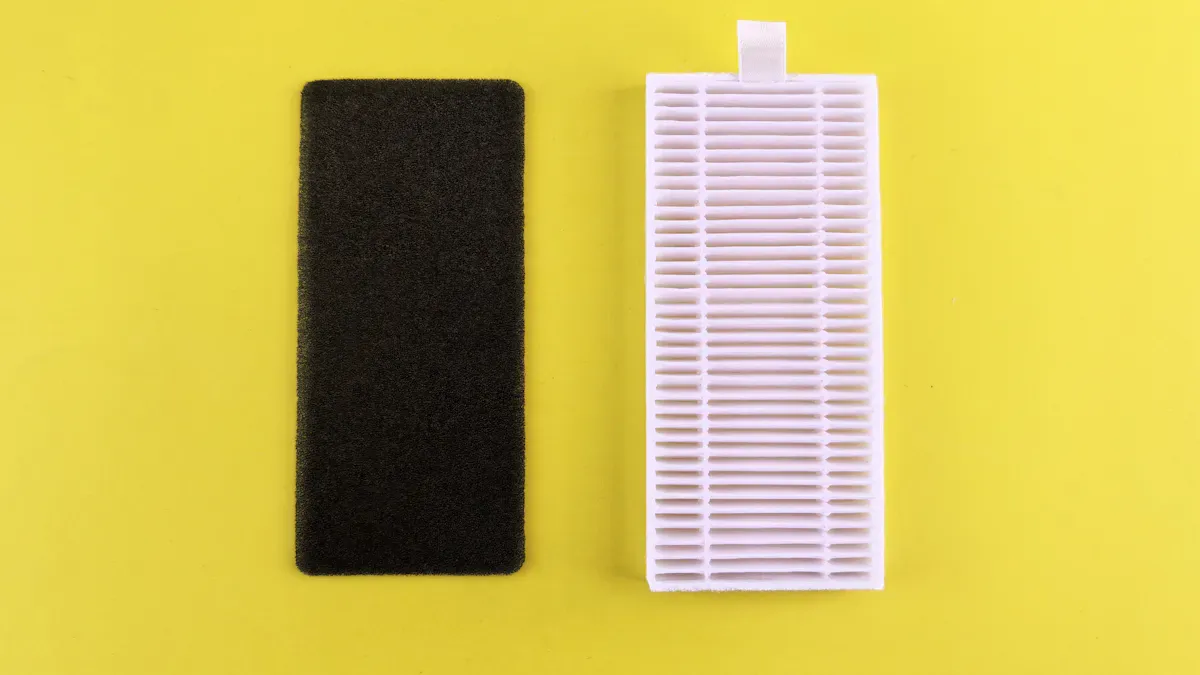
You often see granular activated carbon in water filtration systems. It works well for both large city water plants and small home filters. This material helps you reach specific filtration goals by removing many harmful substances. Here are some common uses:
Purifies drinking water in homes and cities
Treats water in aquariums and pools
Cleans water for food and beverage production
Granular activated carbon targets a wide range of contaminants. You can rely on it to remove:
Organic compounds like pesticides and industrial chemicals
Chlorine and chloramine, which affect taste and odor
Volatile organic compounds (VOCs) such as petroleum hydrocarbons and PFAS
Taste and odor compounds like geosmin and MIB
Heavy metals, including lead and mercury
You benefit from cleaner, safer water and better taste.
Air and Gas Purification
You also use granular activated carbon to clean air and gases. This material traps pollutants and odors, making your air fresher. It removes sulfur and nitrogen compounds from factories and refineries. It captures VOCs and treats process water and wastewater. In natural gas production, it removes mercury and hydrogen sulfide, which protects equipment from damage.
Granular activated carbon also purifies gases in chemical plants and controls ethylene in fruit storage. You can trust it to remove oil vapors from air streams and to keep indoor air healthy by trapping VOCs and odors.
Note: The porous structure of granular activated carbon makes it one of the best materials for removing VOCs and other organic pollutants from air and water.
Medical and Industrial Applications
In medicine, you use granular activated carbon to treat poisoning. Doctors give it to patients who swallow certain toxins, such as phenobarbital or carbamazepine. It can also help with diarrhea, indigestion, and gas. Before some X-rays, doctors use it to reduce gas in the intestines.
Industries use granular activated carbon to remove unwanted chemicals from water, air, and other liquids. You find it in systems that clean drinking water, treat wastewater, and purify chemicals. This material can be reactivated and reused, which helps protect the environment. Studies show that it removes organic substances, phosphorus, and even radon from water, making it a key tool for pollution control.
Study | Findings |
|---|---|
Fonollosa et al. (2015); Lewis (2008) | |
Altmann et al. (2016) | Reduces phosphate levels by over 90% |
General Application | Controls organic and chlorinated pollutants in drinking water |
Granular Activated Carbon helps you keep water and air clean by removing harmful chemicals and odors. You see it used in homes, factories, and even hospitals. The market for this material keeps growing:
Statistic | Value |
|---|---|
Market size in 2023 | |
Projected market size by 2032 | USD 4.85 billion |
Compound annual growth rate (CAGR) | 7.3% |
You protect your health because it removes micropollutants and meets safety standards.
You help the environment by using it in water and air treatment systems.
Remember, your choice to use this filter supports a cleaner world.
FAQ
What is the difference between granular activated carbon and powdered activated carbon?
You use granular activated carbon for continuous filtration. Powdered activated carbon works best for quick treatments. Granular carbon has larger particles and is easier to handle. Powdered carbon removes pollutants faster but creates more dust.
How often should you replace granular activated carbon filters?
You should replace your filter every 6 to 12 months. The exact timing depends on water quality and usage. Check your filter regularly for signs of reduced performance.
Tip: If you notice bad taste or odor, change your filter sooner.
Can granular activated carbon remove all contaminants from water?
Granular activated carbon removes many organic compounds, chlorine, and odors. It does not remove all contaminants, such as heavy metals or microbes. You may need other filters for complete purification.
Contaminant Type | GAC Effective? |
|---|---|
Chlorine | ✅ |
VOCs | ✅ |
Lead | ❌ |
Bacteria | ❌ |
Is granular activated carbon safe for home use?
You can safely use granular activated carbon in home water and air filters. It meets safety standards and does not add harmful chemicals. Always follow manufacturer instructions for best results.