
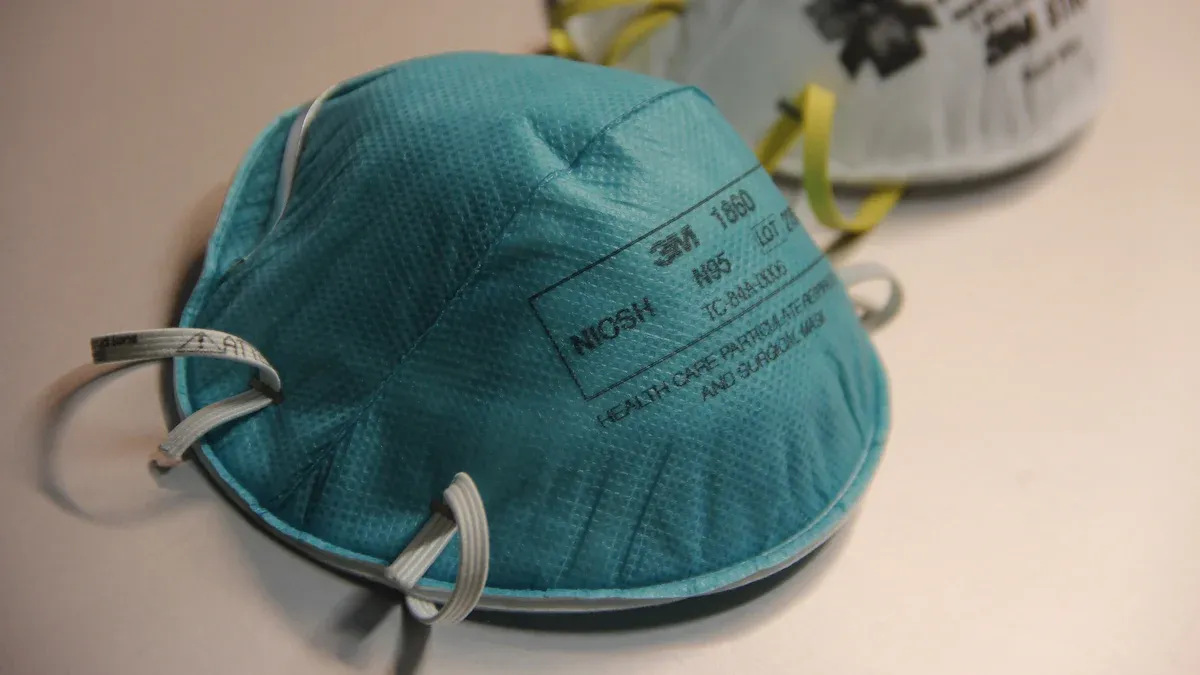
You breathe easier when you know your air is clean. Personal Protection Activated Carbon shields you by adsorbing harmful gases and particles that enter your space. Many studies show that activated carbon filters capture gases, odors, and VOCs, which helps remove harmful chemicals from your environment. Common indoor pollutants like formaldehyde can cause health problems, so removing them matters. The table below shows how activated carbon filters work against common gases:
Gas Type | |
|---|---|
COx | 2% |
NOx | 0.3% |
SOx | 0.7% |
You can see that activated carbon masks also show significant filtering ability compared to other types of masks.
Key Takeaways
Personal Protection Activated Carbon filters harmful gases and particles, improving indoor air quality and reducing health risks.
Activated carbon’s unique porous structure allows it to adsorb a wide range of pollutants, including VOCs, odors, and harmful gases like COx, NOx, and SOx.
Regularly replace activated carbon filters every 3 to 6 months to maintain their effectiveness; watch for returning odors as a sign to change them.
For optimal protection, combine activated carbon filters with HEPA filters to capture both gases and tiny particles like dust and pollen.
Using masks or air purifiers with activated carbon can significantly lower your exposure to harmful substances, especially in polluted areas.
Personal Protection Activated Carbon Basics

What Is Activated Carbon?
You may wonder what makes activated carbon so special for personal protection. Activated carbon is a form of carbon that has been processed to create millions of tiny pores. These pores come in different sizes:
Micropores are less than 2 nanometers wide and trap very small molecules.
Mesopores range from 2 to 50 nanometers and hold bigger organic molecules.
Macropores are larger than 50 nanometers and act as channels for moving molecules inside the carbon.
This unique structure gives activated carbon a huge surface area. In fact, one gram of activated carbon can have up to 3,000 square meters of surface area. Some advanced types can reach even higher, like 4,800 square meters per gram. The activation process uses hot air, carbon dioxide, or steam to create this network of pores. This makes activated carbon very effective at catching both large and small contaminants.
Why Activated Carbon Is Used in Protection
You use Personal Protection Activated Carbon because it works well in many situations. The special pore structure helps it remove a wide range of harmful substances from the air. It can catch gases, odors, and even some particles that other filters might miss. This makes it a popular choice for masks, air purifiers, and other personal protection gear.
When you use Personal Protection Activated Carbon in your home or workplace, you help improve indoor air quality. You reduce your exposure to pollutants that can cause breathing problems or other health issues. You also benefit from its versatility, since it works in both air and water filtration. This means you get more protection in different environments.
Adsorption Process and Contaminant Capture
How Adsorption Works
You might wonder how Personal Protection Activated Carbon actually captures harmful substances. The answer lies in a process called adsorption. Adsorption means that pollutants stick to the surface of the carbon, not soak into it. This is different from absorption, where materials get soaked up like a sponge.
Activated carbon has a special structure that makes this possible:
It contains millions of tiny pores, which create a very large surface area.
Pollutants in the air attach themselves to the surface of these pores.
The more surface area, the more pollutants can be trapped.
When you breathe through a mask or use an air purifier with activated carbon, the air passes through these pores. Harmful gases and particles get stuck on the surface, so you breathe in cleaner air. This process works well because the carbon’s surface area is so large, and the pores are just the right size to catch many types of contaminants.
Tip: You can think of activated carbon like a sticky net. The net catches and holds onto tiny particles and gases as air moves through it.
Why Activated Carbon Traps Gases and Particles
You may ask why activated carbon is so good at trapping harmful gases and particles. The answer comes from both physical and chemical forces.
Here is a table that shows the two main ways activated carbon traps pollutants:
Type of Adsorption | Interaction Force | Characteristics |
|---|---|---|
Physical Adsorption | Van der Waals force (electrostatic attraction) | Weak interaction, does not change pollutant structure, similar to condensation. |
Chemical Adsorption | Chemical bonds | Strong interaction, changes pollutant structure, involves electron sharing. |
Physical adsorption happens when weak forces, called Van der Waals forces, pull pollutants onto the carbon’s surface. These forces do not change the pollutants, but they hold them in place. Chemical adsorption is stronger. It forms bonds between the carbon and the pollutant, sometimes changing the pollutant’s structure.
You get strong protection because activated carbon uses both methods. The large surface area and many functional groups on the carbon help trap a wide variety of gases and odors. Pollutants like VOCs, formaldehyde, and other harmful chemicals stick to the carbon and stay there.
The porous structure lets pollutants move deep inside the carbon, not just on the outside.
Pollutants react with the carbon and attach to its surface.
The many functional groups on the carbon make it easier to catch different types of gases.
The effectiveness of adsorption can change with humidity and temperature. For example, high humidity can fill up some of the pores, making it harder for gases to stick. Higher temperatures can give molecules more energy, which sometimes makes them harder to trap. The specific surface area, pore structure, and chemical groups all play a role in how well the carbon works.
Note: Over time, the carbon can become full of pollutants. When this happens, it cannot trap any more, so you need to replace the filter to keep your protection strong.
Personal Protection Activated Carbon uses these scientific principles to help you breathe safer air every day.
Gases and Particles Trapped

Harmful Gases (COx, NOx, SOx, VOCs)
You face many harmful gases in your daily life, especially if you live in a city. These gases can come from cars, factories, and even household products. Personal Protection Activated Carbon helps you by trapping these dangerous substances before you breathe them in.
Here are some of the main harmful gases that activated carbon can adsorb:
Carbon monoxide (CO): This gas is colorless and has no smell. High levels can cause headaches, dizziness, and even death.
Nitrogen oxides (NOx): These gases come from car engines and power plants. They can make asthma and other breathing problems worse.
Sulfur oxides (SOx): These gases come from burning coal and oil. They can irritate your lungs and cause coughing.
Volatile organic compounds (VOCs): These chemicals come from paint, cleaning products, and cigarette smoke. Some VOCs can cause cancer or make you feel sick.
In urban areas, the air often contains high levels of these gases. For example, carbon monoxide above 100 parts per million (ppm) can harm your health. Nitrogen oxides above 800 ppm can be life-threatening. Activated carbon works well because it has a huge surface area with many tiny pores. These pores trap gas molecules and keep them from reaching your lungs.
Tip: You can lower your risk of breathing in harmful gases by using masks or air purifiers with activated carbon filters, especially in places with heavy traffic or pollution.
Odors and Particulates
You also deal with odors and small particles in your home or workplace. These can come from cooking, pets, smoke, or cleaning products. Activated carbon filters use adsorption to remove many of these pollutants from the air.
As air passes through the filter, the carbon’s porous structure grabs and holds onto odor molecules and chemicals. This process helps remove smells that regular particle filters cannot catch. For example, mechanical filters like HEPA can trap dust and pollen, but they do not remove odors or gases. Activated carbon fills this gap by targeting the molecules that cause bad smells and chemical irritation.
Some common sources of odors and particulates that activated carbon can help with include:
Cigarette smoke
Cooking fumes
Pet odors
Paint and cleaning product fumes
Dust and pollen (when combined with a HEPA filter)
You get better indoor air quality when you use activated carbon filters. These filters trap gases, VOCs, and odors, making your air safer and more pleasant to breathe. If you want to remove both particles and smells, look for air purifiers or masks that combine activated carbon with a HEPA filter.
Here is a quick comparison of how activated carbon and HEPA filters work:
Feature | Activated Carbon Filters | HEPA Filters |
|---|---|---|
Efficiency | Designed for particle filtration | |
Longevity | Depends on pollutant concentration and usage | Depends on particle load |
Saturation | Becomes saturated over time, affecting efficiency | Does not visibly fill up |
Note: Activated carbon filters need replacement when they become full. If you notice that odors or chemical smells return, it is time to change the filter.
Personal Protection Activated Carbon gives you a strong shield against many indoor air threats. You can breathe easier knowing that harmful gases, odors, and particles are being trapped before they reach your lungs.
Effectiveness and Limits
Real-World Performance
You want to know how well Personal Protection Activated Carbon works in everyday life. This filter does a great job at removing gases like carbon monoxide, nitrogen oxides, and sulfur oxides from the air. Masks with activated carbon can lower your exposure to these harmful gases much more than regular masks. The table below shows how different masks perform:
Mask Type | COx Reduction | NOx Reduction | SOx Reduction |
|---|---|---|---|
Without Masks | 89% | 10% | 22% |
Cotton Fabric Masks | 85% | 9% | 21% |
Spunbond and Meltblown | 27% | 5% | 11% |
You see that adding activated carbon to your mask gives you better protection against toxic gases. This filter also works well for odors and chemicals, especially in places with strong smells or smoke. However, activated carbon filters do not last forever. They fill up with pollutants over time, so you need to replace them every 3 to 6 months for best results.
When to Use Other Filters
You may need more than one type of filter for full protection. HEPA filters are better at trapping tiny particles, like dust and pollen, that activated carbon cannot catch. HEPA filters can capture at least 99.97% of particles as small as 0.3 microns. Activated carbon filters are less effective for ultrafine particles, with capture rates for chemical gases ranging from 5% to 60%.
Here is a quick comparison:
Filter Type | Advantages | Disadvantages |
|---|---|---|
Activated Carbon | Not effective for dust and pollen | |
HEPA Filters | Captures tiny airborne particles and allergens | Does not remove odors or chemical fumes |
You should use a combination of filters if you want to protect yourself from both gases and particles. Always check the manufacturer’s instructions for when to replace your filters. Most suggest changing activated carbon filters every 3 to 6 months, but you may need to replace them sooner if you notice odors returning.
Tip: Combine activated carbon and HEPA filters in your mask or air purifier for the best protection at home or work.
Personal Protection Activated Carbon helps you block harmful gases and particles from your air. You need to know its strengths and limits to protect your respiratory health. Choose filters that fit your environment and replace them when odors return.
Always check your surroundings and pick the right protection for your needs.
FAQ
How often should you replace an activated carbon filter?
You should replace your activated carbon filter every 3 to 6 months. If you notice odors or reduced airflow, change it sooner. Always follow the manufacturer’s instructions for best results.
Can you wash and reuse activated carbon filters?
No, you cannot wash and reuse activated carbon filters. Water and soap do not remove trapped pollutants. Washing can damage the filter and make it less effective.
What types of pollutants does activated carbon remove?
Activated carbon removes gases, odors, and volatile organic compounds (VOCs). It does not catch dust or pollen well. For particles, you should use a HEPA filter.
Is activated carbon safe for you to use at home?
Yes, activated carbon is safe for home use. You find it in air purifiers, masks, and water filters. It does not release harmful chemicals into your air.