
You can trust activated carbon to make your drinking water safe and clean. Drinking Water Treatment Activated Carbon works by trapping contaminants through adsorption. This process uses a high surface area and porous structure to capture molecules from water. You benefit from its ability to remove heavy metals, unpleasant tastes, and odors. See how it works in the table below:
Mechanism | Description |
|---|---|
Adsorption | Captures contaminants with high surface area and pores. |
Removal of Taste and Odour | Adsorbs compounds causing bad taste and smell. |
Elimination of Trace Contaminants | Removes pesticides and pharmaceuticals. |
Removal of PFAS-Group Chemicals | Prevents harmful chemicals from entering your water supply. |
Key Takeaways
Activated carbon effectively removes contaminants from drinking water through a process called adsorption, improving taste and odor.
Regularly replace your activated carbon filter every six months to one year to maintain its effectiveness and ensure safe drinking water.
Choose the right type of activated carbon filter based on your needs: granular filters for quick flow and carbon block filters for better contaminant removal.
Understand the limitations of activated carbon; it does not remove bacteria, viruses, or certain minerals, so consider additional filtration methods for complete safety.
Select certified filters and follow installation guidelines to maximize the benefits of activated carbon in your water purification system.
Drinking Water Treatment Activated Carbon Basics
What Is Activated Carbon
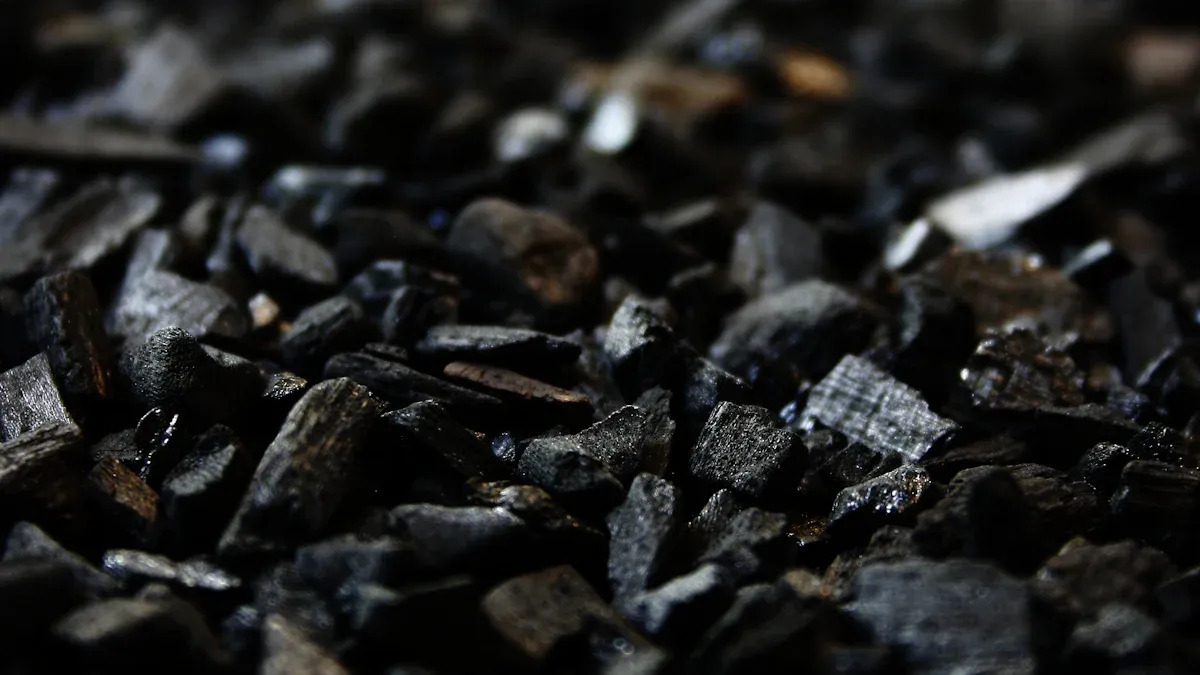
You encounter activated carbon in many water filters today. Drinking Water Treatment Activated Carbon is a special form of carbon with a huge surface area and many tiny pores. These pores trap unwanted substances from your water. You see activated carbon used because it works well and is safe for your home. You can find three main types of activated carbon in water treatment:
Type of Activated Carbon | Description |
|---|---|
Granular Activated Carbon (GAC) | Ideal for water and wastewater treatment purposes. |
Powdered Activated Carbon (PAC) | Perfect for treating specific trace synthetic chemicals. |
Extruded Activated Carbon (EAC) | Used for de-chlorination and chemical removal. |
How Adsorption Works
Drinking Water Treatment Activated Carbon cleans water through adsorption. When water flows through the filter, contaminants stick to the carbon surface. You benefit because the filter removes bad tastes, odors, and many chemicals. The process depends on several factors:
The surface area and pore size of the carbon
The chemical makeup of the carbon and the contaminant
Water pH and temperature
How long water stays in contact with the filter
Tip: You get better results when water moves slowly through the filter, giving more time for adsorption.
You notice that organic compounds, like pesticides and some pharmaceuticals, are attracted to the carbon. This makes Drinking Water Treatment Activated Carbon very effective for many common water problems.
Materials Used for Activated Carbon
You find that manufacturers use different materials to make Drinking Water Treatment Activated Carbon. The most common sources include coconut shells, coal, and wood. Coconut shells provide high micropore content and are renewable. Coal is affordable and works for many applications. Wood helps remove larger molecules. You see these materials processed at high temperatures to create the porous structure needed for filtration.
Coconut shells: High in micropores, effective for water purification
Coal: Low cost, suitable for many uses
Wood: Useful for removing larger molecules
You choose filters made from these materials based on your water quality and needs.
Contaminants Removed and Not Removed
Taste, Odor, and Organic Compounds
You notice that water sometimes tastes or smells bad. Drinking Water Treatment Activated Carbon helps you solve these problems. The filter removes many compounds that cause unpleasant flavors and odors. You benefit from cleaner, fresher water.
Organic chemicals that affect taste and smell
Pesticides and herbicides
Chlorine byproducts like trihalomethanes
Tip: You get better tasting water when you use activated carbon filters because they trap these unwanted chemicals.
Chlorine, Lead, and Sediment
You often worry about harmful substances in your water. Activated carbon filters remove chlorine quickly and efficiently. You also see some reduction in lead, but you need specialized filters for best results. The filter does not remove sediment particles well. Sediment filters work better for dirt and sand.
Contaminant | Removal by Activated Carbon | Notes |
|---|---|---|
Chlorine | Yes | Rapid removal; effectiveness declines over time |
Lead | Partial | Specialized filters needed for best results |
Sediment | No | Use sediment filters for physical particle removal |
Note: You should replace your carbon filter regularly. Its ability to remove chlorine and other chemicals decreases as it becomes saturated.
Limitations—Bacteria, Minerals, and Inorganics
You must understand what activated carbon cannot remove. The filter does not capture bacteria or viruses. It also fails to remove minerals like calcium and magnesium, which cause hard water. Many inorganic contaminants, such as fluoride and nitrate, pass through the filter.
Microbial contaminants (bacteria and viruses)
Calcium and magnesium (hard water minerals)
Fluoride
Nitrate
Alert: You need other treatment methods for bacteria, minerals, and inorganic chemicals. Activated carbon works best for organic compounds and chlorine.
You make better choices for your water treatment when you know these limits. Drinking Water Treatment Activated Carbon gives you clean water, but you must use other filters for full protection.
Types of Activated Carbon Filters
Granular Activated Carbon Filters
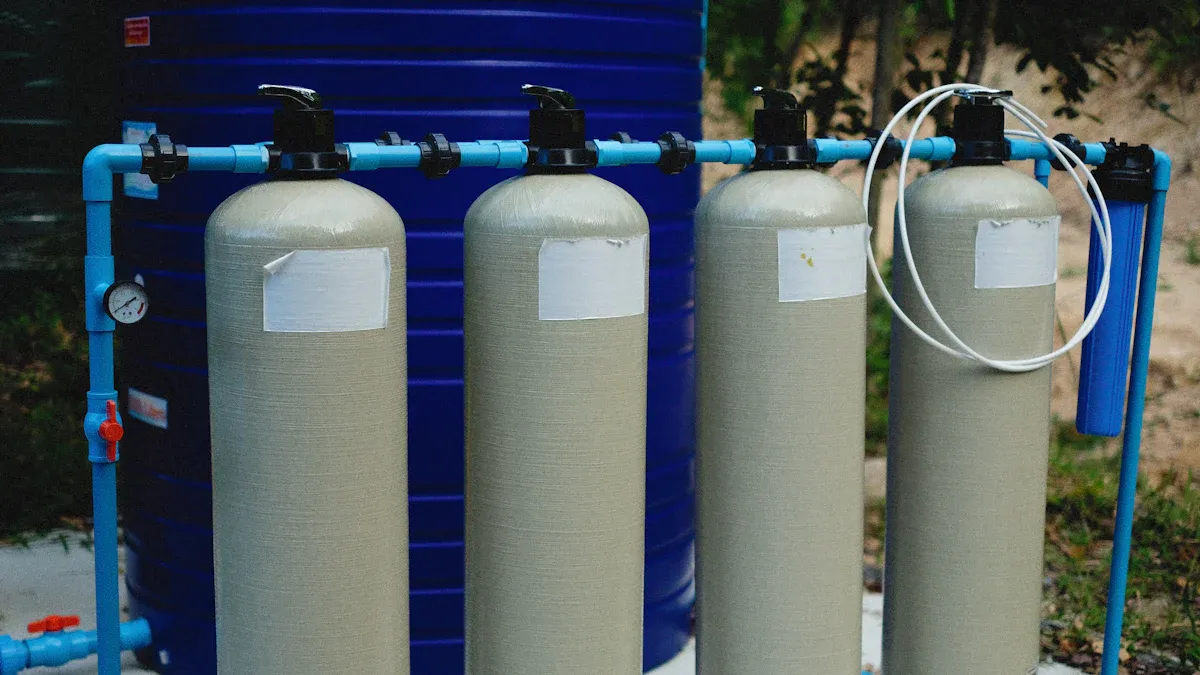
You often see granular activated carbon filters in home water systems. These filters use loose carbon granules. Water flows quickly through the filter. You get fast filtration and effective removal of chlorine and many chemicals. Granular filters work well for basic water improvement. You can install them easily and replace them without much effort.
Filter Type | Structure Description | Contaminant Removal Efficiency |
|---|---|---|
Granular Activated Carbon (GAC) | Larger, loose carbon granules allowing fast water flow rates | Effective reduction of chlorine and chemicals |
Carbon Block | Dense, solid block forcing longer water contact with carbon | Improved filtration efficiency for higher contaminant removal rates |
Tip: You choose granular activated carbon filters when you want quick water flow and simple maintenance.
Carbon Block Filters
You find carbon block filters in many advanced water systems. These filters use compressed carbon to form a solid block. Water moves slowly through the block. You get longer contact time with the carbon. This process improves contaminant removal. Carbon block filters trap more particles and chemicals. You notice better filtration for lead, pesticides, and even some pharmaceuticals.
Carbon block filters provide higher contaminant removal rates.
You benefit from improved taste and odor reduction.
These filters last longer and need less frequent replacement.
Note: You select carbon block filters when you want the highest water quality and better protection from harmful substances.
Point-of-Use vs. Point-of-Entry
You decide between point-of-use and point-of-entry systems based on your needs. Point-of-use filters treat water at a single location, like your kitchen sink. Point-of-entry filters clean all water entering your home.
Feature | Point-of-Use (POU) | Point-of-Entry (POE) |
|---|---|---|
Cost | Typically higher installation costs | |
Installation Process | Simpler and quicker installation | More complex installation process |
Water Quality | Tends to provide higher quality water | May not provide as high quality |
Maintenance Requirements | Requires less maintenance | Requires more maintenance |
Sustainability | Less resource-efficient | More sustainable and resource-efficient |
Alert: You choose point-of-use filters for drinking and cooking. You select point-of-entry filters when you want clean water throughout your home.
You make the best choice by considering your water quality, budget, and maintenance preferences. Activated carbon filters help you enjoy safer, cleaner water every day.
Performance Factors and Maintenance
Contact Time and Particle Size
You improve water purification by understanding contact time and particle size. When water stays longer in contact with activated carbon, more contaminants get trapped. If you use a filter with a slower flow rate, you increase the chance for adsorption. You also need to consider the amount of carbon in your filter. More carbon means better removal of pollutants.
Factor | Effect on Contaminant Removal |
|---|---|
Contact Time | Longer contact times enhance removal efficiency. |
Amount of Carbon | More carbon improves filtration effectiveness. |
Flow Rate | Slower flow rates allow better adsorption. |
The size of activated carbon particles matters. Smaller particles give you more surface area for adsorption. You get better filtration and cleaner water. Larger particles reduce pressure loss but may not remove as many contaminants.
Tip: You choose filters with smaller carbon particles for higher accuracy and improved water quality.
Filter Installation and Replacement
You maximize filter performance by following proper installation steps. Always select the right filter size for your home. Use the filter only with cold or room-temperature water. Install the filter before your water heater to protect it from hot water damage. Replace filters as soon as they reach their capacity.
Choose the proper filter size for your water usage.
Filter only cold water to keep the filter working well.
Install the filter before the water heater.
Replace spent filters promptly.
You should change activated carbon filters every six months to one year. Even if the filter looks clean, its pores can become saturated. If you use the filter too long, it stops removing contaminants. Some filters show how many gallons they can treat. You estimate the lifespan based on your water use.
Replace filters every six months to one year.
Never use a filter for longer than one year.
Saturated filters lose effectiveness and may release contaminants.
Safety Considerations
You protect your health by following safety guidelines. Proper installation prevents damage and ensures clean water. Regular maintenance keeps your filter working. Always use the correct filter size. Only filter cold water. Replace filters on time to avoid poor water quality.
Safety Consideration | Description |
|---|---|
Proper installation | Install on cold water lines before the water heater. |
Maintenance and replacement | Replace filters every six months to one year. |
Filter size | Choose the correct size to prevent saturation. |
Cold water usage | Use only with cold or room-temperature water. |
Prompt filter replacement | Change filters quickly to avoid contaminant release. |
Alert: If you neglect maintenance, you risk unsafe water. Spent filters can release trapped contaminants and foster bacteria. You keep your water safe by replacing filters regularly.
You rely on activated carbon to make your water taste better and remove many contaminants. The filter works by trapping unwanted substances, but it does not remove bacteria or all heavy metals. You gain practical benefits like no need for electricity and easy maintenance.
Tip: Test your water before choosing a filter.
Benefit | Limitation |
|---|---|
Does not remove all contaminants | |
Easy to use | Needs regular replacement |
You keep your water safe by selecting certified filters and changing them every six months to one year.
FAQ
How often should you replace your activated carbon filter?
You should change your filter every six months to one year. Check the manufacturer’s instructions for your specific filter. If your water tastes or smells bad, replace the filter sooner.
Can activated carbon remove all harmful substances from water?
Activated carbon removes many chemicals, tastes, and odors. It does not remove bacteria, viruses, or minerals like calcium and magnesium. You need other filters for full protection.
Is activated carbon safe for drinking water?
Activated carbon is safe for water purification. You must use certified filters and replace them regularly. Proper maintenance keeps your water clean and healthy.
What is the difference between granular and carbon block filters?
Filter Type | Water Flow | Removal Efficiency |
|---|---|---|
Granular | Faster | Good |
Carbon Block | Slower | Better |
Granular filters work quickly. Carbon block filters remove more contaminants.