
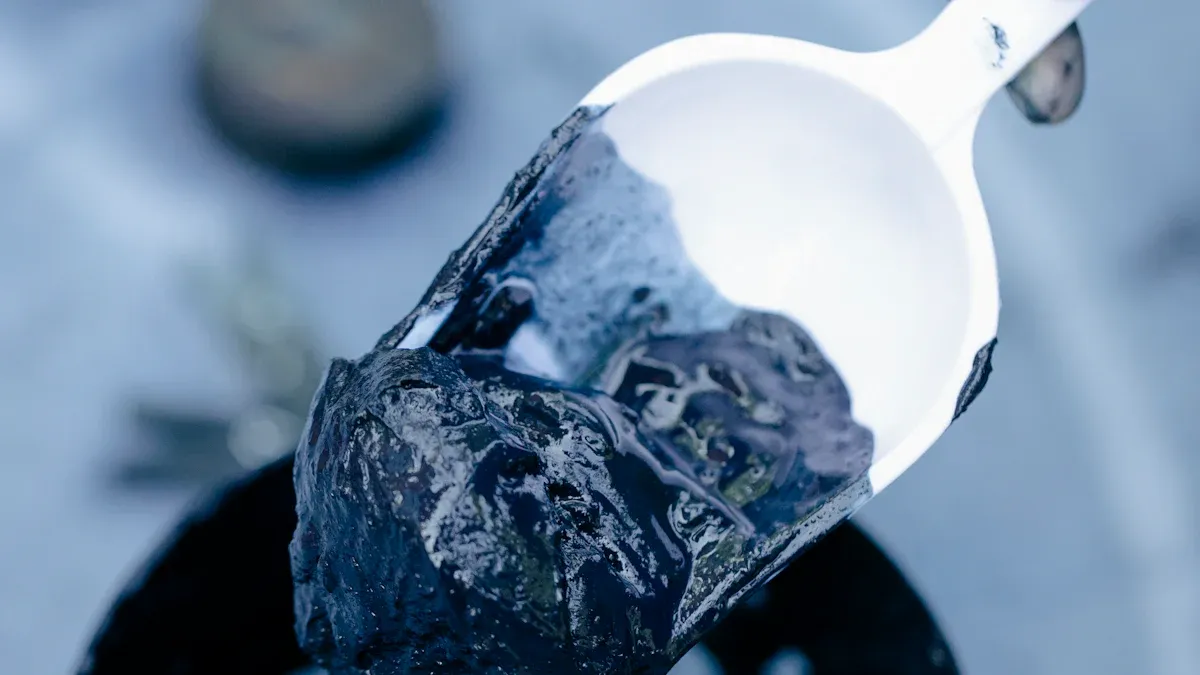
You will find that activated carbon plays a crucial role in cleaning wastewater. This material removes many kinds of dissolved pollutants that cause bad taste, strong odor, and unwanted color in water. Wastewater Treatment Activated Carbon helps capture organic micropollutants, such as pharmaceutical products, that traditional methods often miss. As pollutants stick to the surface of activated carbon, microorganisms can break them down. Using this process, you get water that looks, smells, and tastes better.
Key Takeaways
Activated carbon effectively removes organic pollutants, bad taste, odor, and color from wastewater, improving water quality.
The unique structure of activated carbon, with its large surface area and tiny pores, allows it to capture a wide range of contaminants, including pharmaceuticals.
Granular Activated Carbon (GAC) is reusable and ideal for longer contact times, while Powdered Activated Carbon (PAC) offers rapid treatment but is single-use.
Activated carbon does not remove all contaminants, especially heavy metals and microbes, so combining it with other treatment methods is often necessary.
Regular testing and monitoring of wastewater conditions can enhance the performance of activated carbon in treatment systems.
Wastewater Treatment Activated Carbon Overview
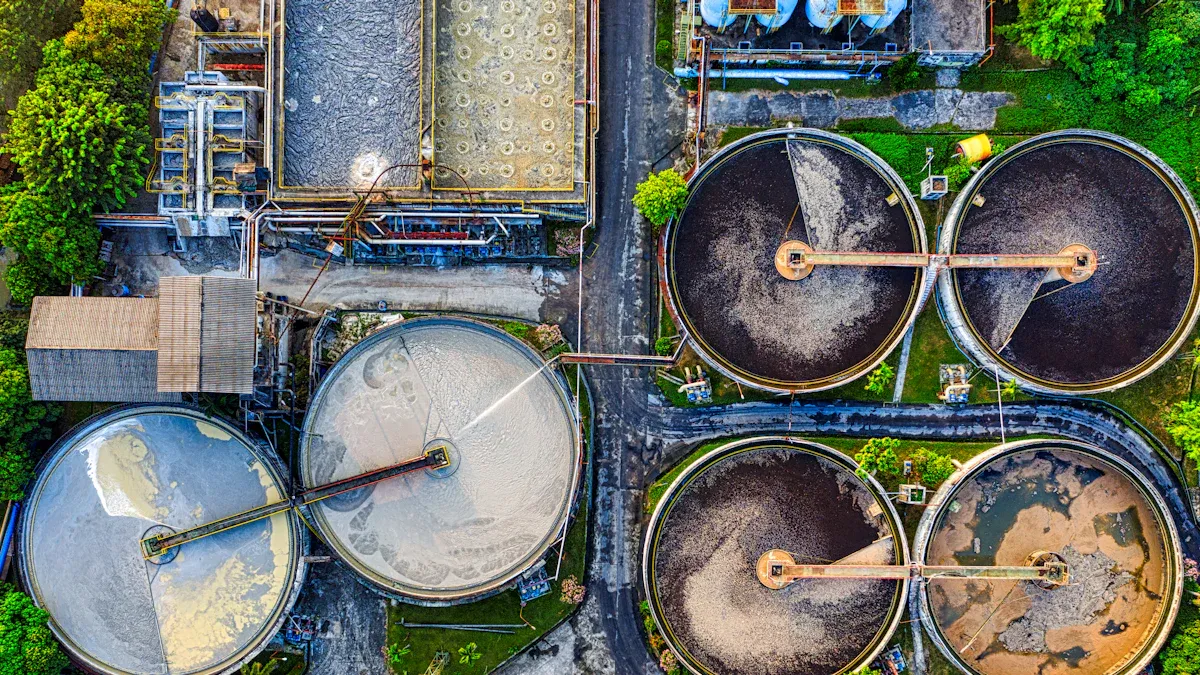
What Is Activated Carbon
You may wonder what makes activated carbon special. This material comes from natural sources like wood, coal, or coconut shells. Manufacturers heat these materials at high temperatures and treat them with steam or chemicals. This process creates a network of tiny pores inside each particle. These pores give activated carbon a huge surface area—about 100 acres in just one pound!
Tip: The more surface area, the more places there are for pollutants to stick.
Here is how activated carbon compares to other adsorbents:
Adsorbent Type | Surface Area (approx.) | Porosity Characteristics |
|---|---|---|
Activated Carbon | ~100 acres per pound | Contains macropores, mesopores, and micropores |
Other Adsorbents | Varies | Typically less effective in trapping contaminants |
You can see that activated carbon stands out because of its structure and surface area. This makes it a top choice for cleaning water.
Why Activated Carbon Is Effective
Wastewater Treatment Activated Carbon works well because of its unique properties. You get several benefits when you use it in water treatment:
High adsorptive capacity: It removes many contaminants, even at low levels.
Versatility: It treats both organic and inorganic pollutants.
Regenerability: You can reuse some types after cleaning them.
Compatibility: It fits into most treatment systems without big changes.
Effectiveness against new contaminants: It removes things like medicines and hormone disruptors.
The table below shows how these features help remove different pollutants:
Characteristic | Effect on Contaminant Removal |
|---|---|
Large surface area | More spots for pollutants to attach |
Pore structure | Traps molecules in tiny spaces |
Surface chemistry | Helps capture specific chemicals |
Wastewater Treatment Activated Carbon removes organic compounds, heavy metals, and even new pollutants like pharmaceuticals. You can trust this material to improve water quality by taking out things that cause bad taste, odor, and color.
Adsorption Mechanism in Wastewater Treatment
How Adsorption Works
You can think of adsorption as a process where pollutants stick to the surface of activated carbon. This happens because activated carbon has a huge surface area filled with tiny pores. These pores act like magnets for contaminants in the water.
Physical adsorption uses Van der Waals forces. These weak forces pull pollutants onto the surface and hold them there.
Chemical adsorption forms stronger bonds between the carbon and the pollutants. This type of bond is usually permanent.
The large surface area and porous structure of activated carbon give you more places for pollutants to attach.
The effectiveness of adsorption depends on how long the water stays in contact with the carbon and the type of activated carbon you use.
Note: Different types of Wastewater Treatment Activated Carbon are designed for specific contaminants. You can choose the best type based on what you need to remove.
Contaminants Removed by Activated Carbon
You will find that Wastewater Treatment Activated Carbon can remove a wide range of pollutants from wastewater. Here are the main classes of contaminants that you can target:
Organic Compounds: These include pesticides, herbicides, phenols, dyes, and solvents. Activated carbon works very well for these because they stick easily to its surface.
Heavy Metals: Some heavy metals can be removed, especially if you use activated carbon treated with special chemicals.
Pharmaceuticals and Personal Care Products (PPCPs): These are new types of pollutants that can harm the environment and health. Activated carbon helps reduce their levels in water.
You should know that activated carbon is especially good at removing organic pollutants, taste, odor, and color from wastewater. Many industries, such as chemical, pharmaceutical, and food processing, use this method to meet environmental rules. When you use activated carbon, you also lower the chemical oxygen demand (COD) and biological oxygen demand (BOD) in the water. This means the water becomes cleaner and safer for the environment.
Activated carbon removes chlorine, pesticides, and volatile organic chemicals very effectively.
It is less effective for heavy metals and microbes.
The removal efficiency depends on factors like contact time, the type of activated carbon, pH, temperature, and how much contaminant is present.
Longer contact time allows for better removal of pollutants.
Tip: For best results, match the type of Wastewater Treatment Activated Carbon to the specific contaminants in your wastewater.
Types of Activated Carbon Used
Granular Activated Carbon (GAC)
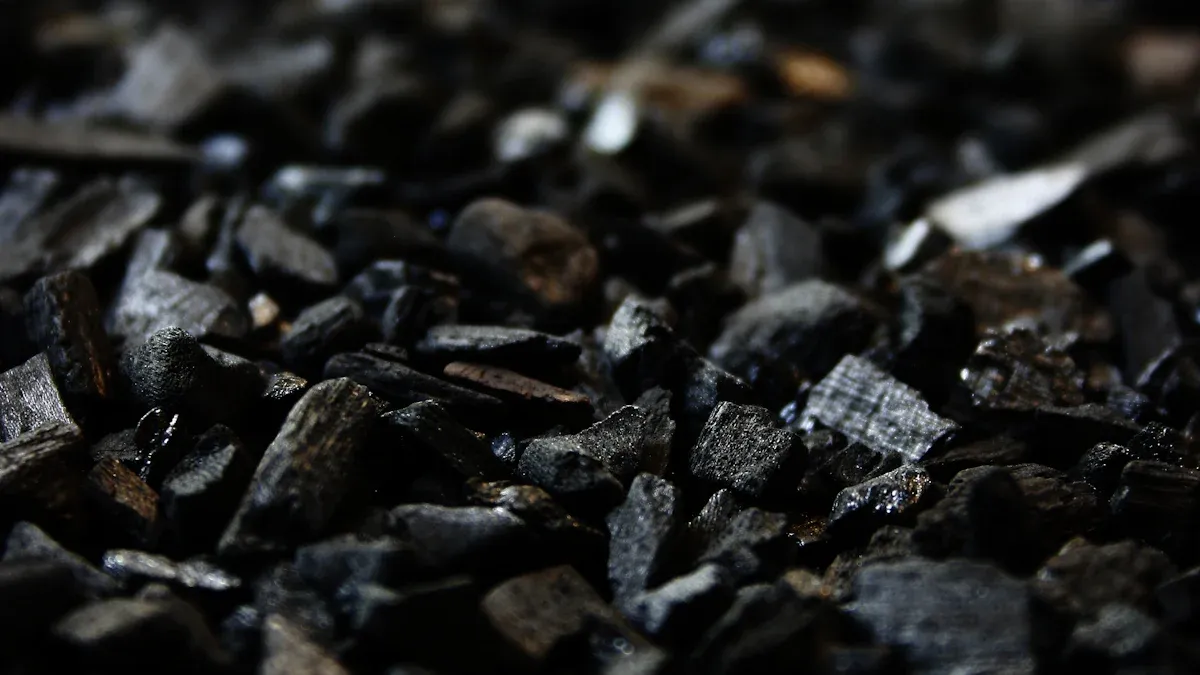
You will often see granular activated carbon, or GAC, in home water filters and large treatment systems. GAC has larger particle sizes and a strong structure. This type works best when you need longer contact time between water and carbon. You can use GAC in filter beds, where water flows through a thick layer of carbon. GAC can be cleaned and reused, which helps lower long-term costs.
You can regenerate GAC for repeated use.
GAC is used for removing taste, odor, and color from drinking water.
Powdered Activated Carbon (PAC)
Powdered activated carbon, or PAC, has much smaller particles than GAC. You will find PAC in large water treatment plants. The fine powder gives PAC a higher surface area, which means it can adsorb pollutants quickly. You usually mix PAC directly into the water, and it works well for rapid treatment. However, removing PAC after treatment can be more difficult.
PAC is used in municipal and industrial wastewater treatment.
It is effective for removing heavy metals, pesticides, and disinfection byproducts.
PAC is a single-use product and cannot be regenerated easily.
Here is a table to help you compare typical use cases:
Type of Activated Carbon | Typical Use Cases |
|---|---|
Powdered Activated Carbon (PAC) | Municipal and industrial wastewater treatment, heavy metal removal, removal of pesticides and PFAS |
Granular Activated Carbon (GAC) | Removal of taste, odor, and color from drinking water, traces of dissolved contaminants |
Selection Criteria
You should consider several factors when choosing between GAC and PAC for your system. The right choice depends on your treatment goals and the properties of your wastewater.
pH of the wastewater
Temperature
Type and concentration of contaminants
Contact time between carbon and water
The table below shows how particle size affects treatment performance:
Particle Size | Effect on Treatment Performance |
|---|---|
Smaller | Better adsorption capacity |
Larger | Reduced adsorption efficiency |
Cost also plays a role. GAC has a higher initial cost, but you can regenerate it and use it again. PAC costs less at first, but you need to replace it after each use, which can add up over time.
You will find that Wastewater Treatment Activated Carbon comes in both GAC and PAC forms. Your choice will depend on your specific needs and the characteristics of your wastewater.
Limitations and Practical Considerations
What Activated Carbon Cannot Remove
You should know that activated carbon does not remove every contaminant from wastewater. Heavy metals and microbes often stay in the water after treatment. If you need to remove these, you must use other methods. Activated carbon works best for organic chemicals, taste, odor, and color. It struggles with some inorganic pollutants and cannot kill bacteria or viruses. This means you need to combine it with other treatment steps for complete purification.
Here is a table that shows the main limitations you may face:
Limitation | Description |
|---|---|
Cost | High-quality activated carbon can be expensive, especially for small facilities. |
Saturation and Disposal Issues | Activated carbon can only hold so much before it needs replacement or safe disposal. |
Selectivity | It does not work well for all pollutants, so you may need extra treatments. |
Performance Variability | Results can change based on your wastewater and how you run your system. |
Regeneration Challenges | Cleaning and reusing carbon can be hard and may lower its performance over time. |
Factors Affecting Performance
You will see that several factors can change how well activated carbon works in your system:
pH levels of the wastewater
Temperature of the system
Type and concentration of contaminants
Contact time between carbon and wastewater
Saturation of the activated carbon
If your wastewater contains many different substances, they can compete for space on the carbon. This competition lowers the removal efficiency for your target pollutants. High concentrations of certain chemicals can also make it harder for activated carbon to do its job. You should always check these factors to get the best results.
Tip: Test your water and adjust your process to improve performance.
Regeneration and Replacement
You do not need to throw away activated carbon after one use. You can regenerate it using different methods:
Thermal regeneration (heating to high temperatures)
Chemical regeneration (using acids or bases)
Steam regeneration (using hot steam)
Biological regeneration (using microbes)
Microwave regeneration
Electrochemical regeneration
Ultrasonic regeneration
Wet air oxidation
Regeneration helps you save money and reduces waste. When you regenerate activated carbon, you use it longer and buy less new material. This lowers your costs and helps the environment by cutting down on disposal needs.
You gain many advantages when you use Wastewater Treatment Activated Carbon. This material removes harmful chemicals, organic pollutants, and improves taste and odor. It works well with simple maintenance and low energy use. However, you should remember some limits:
Disposal and regeneration challenges
Not effective for all pollutants
Feature | Activated Carbon | Other Methods |
|---|---|---|
Organic Pollutant Removal | Very Effective | Varies |
Taste & Odor Removal | Excellent | Varies |
Energy Use | Low | Higher for some |
Think about your treatment goals, maintenance needs, and budget before you choose a solution.
FAQ
What is the main job of activated carbon in wastewater treatment?
You use activated carbon to remove organic pollutants, bad taste, odor, and color from water. It traps these substances on its surface, making the water cleaner and safer.
How long does activated carbon last in a treatment system?
The lifespan depends on the amount of pollutants in your water. You usually need to replace or regenerate it every few months. Regular testing helps you know when to change it.
Can you use activated carbon with other treatment methods?
Yes, you can. Many treatment plants combine activated carbon with filtration, disinfection, or biological processes. This approach gives you better results for tough contaminants.
Is activated carbon safe for the environment?
Activated carbon is safe when you handle and dispose of it properly. You should follow local rules for disposal or regeneration to protect the environment.