
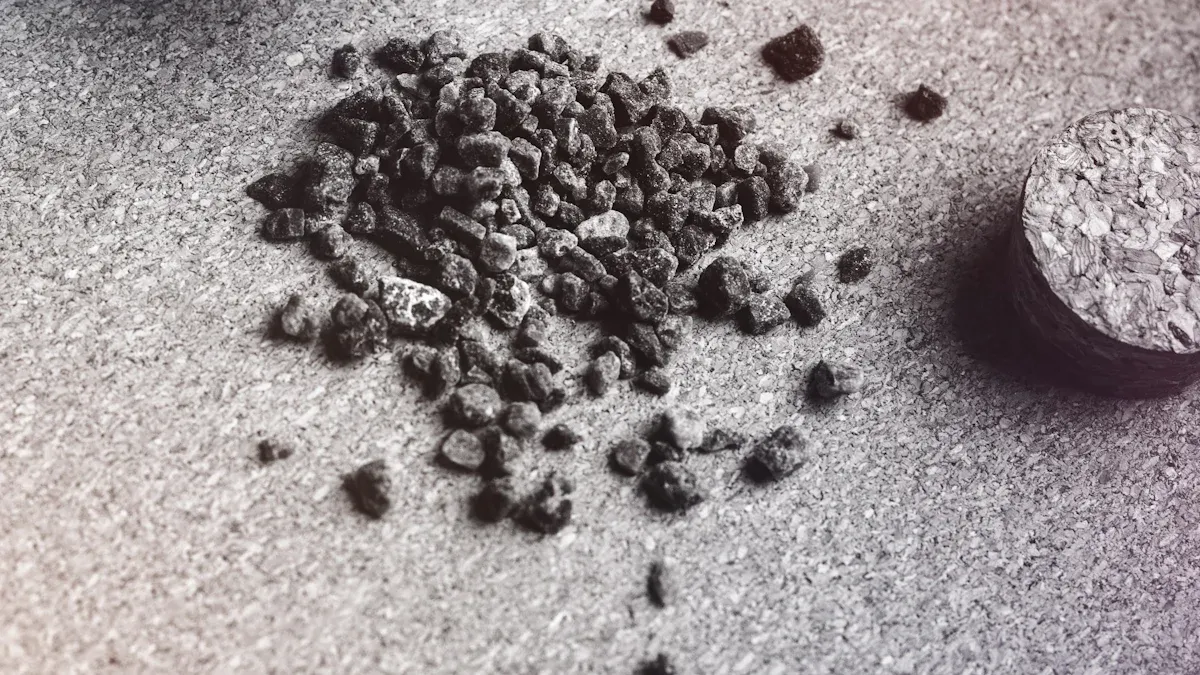
You can use Nut Shell Activated Carbon for several important applications. The table below shows where you will find it most often:
Application | Description |
|---|---|
Water Treatment | Removes contaminants and meets regulations |
Air Purification | Controls odors and improves air quality |
Petrochemical Processes | Supports cleaner industrial operations |
You will notice some clear advantages:
It works well for large molecule adsorption, making it cost-efficient for treating dyes and food products.
Its wide range of pore sizes helps remove many types of pollutants.
Key Takeaways
Nut Shell Activated Carbon effectively purifies drinking water by removing harmful metals like lead and copper, making it a cost-efficient choice for water treatment.
This material improves air quality by capturing odors and harmful gases, ensuring a healthier environment in both industrial and residential settings.
In food processing, Nut Shell Activated Carbon enhances product quality by removing unwanted colors and impurities, helping to keep food and beverages fresh.
Nut Shell Activated Carbon supports environmental cleanup by absorbing pollutants from soil and water, aiding in the restoration of contaminated areas.
Using Nut Shell Activated Carbon promotes sustainability, as it comes from renewable sources and helps reduce waste and environmental impact.
Nut Shell Activated Carbon in Water Treatment

Drinking Water Purification
You can use nut shell activated carbon to make your drinking water safer and cleaner. This material works well for removing harmful metals like lead, copper, and zinc. Many municipal water treatment plants choose it because it often removes more heavy metals than coal-based activated carbon. You need less material to get the same or better results, which makes it cost-effective.
Nut shell activated carbon from almond and pecan shells is highly effective in removing contaminants like lead, copper, and zinc from drinking water.
Coal-based activated carbon is less effective at removing heavy metals.
Nut shell activated carbon can achieve similar or better adsorption efficiency with less material compared to commercial coal-based filters.
If you compare different filtration media, you will see how each one works:
Filtration Media | Function |
|---|---|
Nut Shell Activated Carbon | Removes chlorine, taste, and odor |
Carbon Block Filters | Removes smaller particles and contaminants |
Removal of Chlorine and Organics
Nut shell activated carbon helps you remove chlorine and organic compounds from water. It improves the color, taste, and smell of your water. You can also rely on it to remove pesticides and humic compounds. This material plays a role in removing leftover chlorine and ozone, which makes your water safer to drink.
Nut shell activated carbon is used in the treatment of drinking water to improve color, taste, and smell.
It effectively removes pesticides and humic compounds.
It plays a role in the catalytic removal of residual chlorine and ozone.
Industrial Filtration
Industries use nut shell activated carbon to clean large volumes of water. You will find it in chemical processing, mining, and power generation. It removes harmful metals and organic pollutants, helping companies meet strict regulations. The municipal sector uses the most nut shell activated carbon, but the industrial sector also relies on it for safe and efficient water treatment.
Application Area | How It Works |
|---|---|
Water Treatment | Removes harmful metals like lead, copper, and zinc |
Air Purification | Removes odors, smoke, and gases |
Food Processing | Cleans liquids and removes colors |
Gold Recovery | Adsorbs gold from mining solutions |
Tip: Regulations for using nut shell activated carbon in water treatment can be complex and may differ by country. Always check local standards before starting a new project.
Nut Shell Activated Carbon for Air and Gas Filtration
Industrial Air Purification
You can use nut shell activated carbon to clean the air in factories and other industrial spaces. This material traps many harmful gases and particles that can cause health problems or damage equipment. Here are some of the most common pollutants it removes:
Odors
Toxic gases such as hydrogen sulfide, carbon monoxide, oxides of nitrogen, and oxides of sulfur
When you use this type of activated carbon, you help keep the air safer for workers and reduce the risk of pollution leaving your facility.
Odor Removal
You will notice a big difference in air freshness when you use nut shell activated carbon for odor control. Its special pore structure gives it a high adsorption capacity. This means it can capture many airborne pollutants, including VOCs and other substances that cause bad smells. In both commercial and residential settings, it can remove over 85% of VOCs like formaldehyde, benzene, and toluene. You can rely on it to keep your environment smelling clean and pleasant.
Tip: If you want to control odors in kitchens, restrooms, or industrial areas, try using filters made with nut shell activated carbon for better results.
Indoor Air Quality
You can improve indoor air quality by using filters that contain nut shell activated carbon. These filters target harmful components that often build up inside buildings. The table below shows some of the main pollutants that these filters can remove:
Harmful Component | Description |
|---|---|
Formaldehyde | A common indoor air pollutant |
Benzene | A volatile organic compound found in many products |
A group of organic chemicals that can affect health |
When you use these filters, you help create a healthier space for everyone who lives or works there.
Nut Shell Activated Carbon in Food and Beverage Processing

Food Purification
You can use nut shell activated carbon to make food and drinks safer. This material removes unwanted colors, tastes, and smells from liquids. Many juice and beverage companies rely on it to filter out impurities. You will find that it helps keep products clear and fresh. When you use it in your process, you improve the quality of what you serve.
Sugar Decolorization
If you work with sugar, you know that color matters. Nut shell activated carbon helps you remove brown or yellow tints from raw sugar. This process gives you a whiter and more appealing product. Sugar refineries often choose this material because it works well and does not add any unwanted flavors. You can trust it to help you meet high standards for food appearance.
Dairy Product Quality
You can improve milk safety and quality with nut shell activated carbon. This material reduces harmful substances like aflatoxins in milk. When you use it with other agents, such as hydrated sodium calcium aluminosilicate, you lower the AFM1 content in milk by up to half. You also help stop the conversion of AFB1 to AFM1, which makes dairy products safer for everyone.
Nut shell activated carbon reduces aflatoxin levels in milk.
It works well with other agents to lower AFM1 content.
You can cut the conversion of AFB1 to AFM1 by 36% to 50%.
Food Preservation
You can keep food fresh for longer by using nut shell activated carbon. It absorbs gases and moisture that cause spoilage. Many food storage companies use it to slow down the growth of mold and bacteria. When you add it to packaging, you help protect food from going bad too soon. This means less waste and better quality for your customers.
Pharmaceutical and Chemical Applications
Ingredient Purification
You can use Nut Shell Activated Carbon to help purify ingredients in the pharmaceutical and chemical industries. Many companies rely on this material to clean active pharmaceutical ingredients (APIs) and to produce water for injection. When you use it, you remove unwanted colors, odors, and impurities. This helps keep medicines safe and effective. Clean ingredients also last longer on the shelf. You will find that this process is important for making sure medications and fine chemicals meet strict quality standards.
Solvent Recovery
You can recover valuable solvents in chemical manufacturing by using this material. It works well because it has a high iodine adsorption value. This means it can capture many pollutants from liquid and gas streams. Here are some ways it helps you:
Captures volatile organic compounds (VOCs) from industrial emissions.
Uses a developed pore structure to trap more pollutants.
Saves money by allowing you to reuse solvents.
Helps you meet environmental rules and keep your workplace safe.
Tip: Using this method can lower your costs and reduce waste in your facility.
Catalyst Support
You can use this material as a support for catalysts in many chemical reactions. It offers several advantages over other supports. The table below shows why you might choose it for your process:
Advantage | Description |
|---|---|
High adsorption capacity | Effectively captures various substances. |
Good mechanical strength | Offers wear resistance during industrial use. |
Strong regeneration capacity | Can be reused multiple times without loss of performance. |
Environmental friendliness | Made from natural materials, reducing ecological impact. |
Costs 40% less than traditional coal-based activated carbon. |
When you use this support, you get better performance and save money. You also help protect the environment by choosing a natural material.
Environmental Remediation
Soil Cleanup
You can use Nut Shell Activated Carbon to clean up soil that has been contaminated by oil or fuel spills. This material works well because it absorbs harmful substances and helps restore the environment. Researchers found that activated carbon made from nut shells and other biomass can reduce oil content in soil from 79.2 g/kg to 2.6 g/kg within just 16 days. This process achieves a purification degree of up to 67%. You help speed up soil recovery and make the land safer for plants and animals.
Note: Using activated carbon from renewable sources like nut shells supports a carbon-neutral cycle and reduces waste.
Spill Treatment
You can treat spills quickly and effectively with activated carbon. When oil or chemicals leak into the ground or water, you need a solution that acts fast. Activated carbon absorbs these pollutants and prevents them from spreading. Many environmental teams use it to manage emergencies and protect sensitive areas. You can rely on this method to reduce the impact of spills and keep ecosystems healthy.
Activated carbon uses less energy to produce and generates fewer harmful emissions.
Coal-based activated carbon contributes to higher greenhouse gas emissions and air pollution.
Organic Pollutant Removal
You can remove organic pollutants from contaminated environments using activated carbon. This material has a high adsorption capacity for many harmful chemicals. The table below shows how well it works for different pollutants:
Organic Pollutant | Adsorption Capacity (qe, mg/g) | Removal Rate (%R) |
|---|---|---|
Tetracycline (TC) | 22–120 | High |
Naproxen (NPX) | 22–151 | High |
Methyl Orange (MO) | 90–252 | High |
You help clean water and soil by removing substances like antibiotics, dyes, and pharmaceuticals. Choosing activated carbon from nut shells or coconut shells lowers your carbon footprint and supports sustainable practices.
You can see how Nut Shell Activated Carbon improves water, air, food, pharmaceuticals, and the environment. The table below shows the main benefits in each area:
Application Area | Benefits |
|---|---|
Water Treatment | Removes chlorine, organic compounds, odors; improves taste and clarity. |
Air Purification | Captures VOCs, odors, pollutants; keeps air quality high. |
Food Processing | Decolorizes liquids, removes impurities, extends shelf life. |
Pharmaceutical Purification | Adsorbs impurities, ensures product safety. |
Environmental Cleanup | Adsorbs hazardous substances, prevents contamination. |
Nut Shell Activated Carbon comes from renewable materials and helps industries reduce their environmental impact. You help support sustainable solutions and circular economy principles by choosing this material. As demand grows for cleaner water and air, you can rely on it to meet strict standards and improve your operations.
FAQ
What makes nut shell activated carbon different from other types?
You get a material with a wide range of pore sizes. This helps you remove many pollutants. Nut shell activated carbon often works better for large molecules than coal-based carbon.
Can you use nut shell activated carbon for drinking water?
Yes, you can. It removes metals, chlorine, and organic compounds. Many water treatment plants use it to make water safer and better tasting.
Is nut shell activated carbon safe for food processing?
You can safely use it in food and beverage processing. It removes colors, odors, and impurities. Food companies trust it to keep products clean and fresh.
How do you dispose of used nut shell activated carbon?
You should follow local rules for disposal. Some companies recycle or regenerate it. Never throw it in regular trash if it contains hazardous substances.
Does nut shell activated carbon help the environment?
Yes! You help reduce waste by using a renewable material. It also supports cleaner water, air, and soil. Choosing it supports a more sustainable future.