
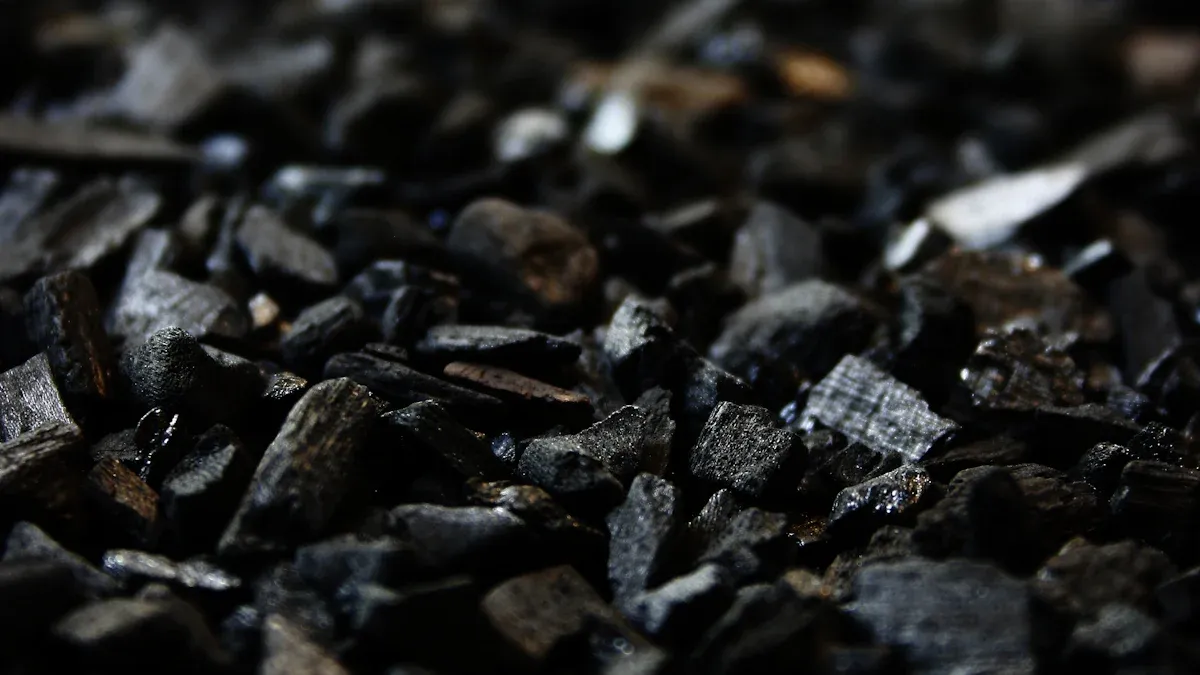
Imagine a material that can trap tiny pollutants and odors better than most others. Coconut Shell Based Activated Carbon does exactly that. You get a product with a high iodine value, which means it absorbs more impurities from air and water. You also help the planet. Manufacturing this carbon with renewable energy can lower human toxicity by up to 60% and global warming effects by as much as 80%. You benefit from cleaner air, safer water, and a healthier environment.
Key Takeaways
Coconut Shell Based Activated Carbon effectively traps pollutants and odors, providing cleaner air and safer water for your home.
Choosing this carbon supports sustainability, as it is made from renewable coconut shells, reducing waste and lowering environmental impact.
This activated carbon has a long lifespan and high durability, meaning you spend less on replacements and enjoy better performance over time.
Using Coconut Shell Based Activated Carbon can improve your health by filtering out toxins and harmful substances from air and water.
It is a versatile material found in various applications, from water filtration to skincare, making it a valuable addition to your daily life.
What Is Coconut Shell Based Activated Carbon
Production Process
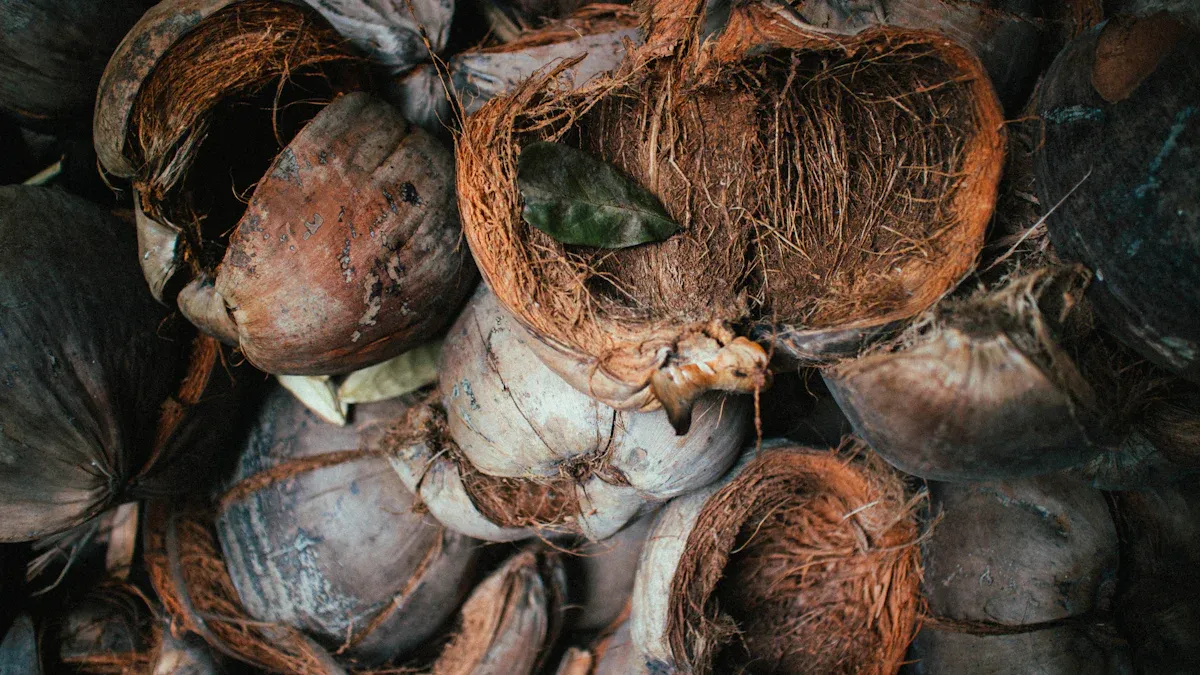
You can find Coconut Shell Based Activated Carbon in many filters and purifiers. This material comes from coconut shells, which are processed through several steps. Here is how you get it:
Collect mature coconuts and process their shells.
Heat the shells in a high-temperature furnace without oxygen. This step turns the shells into carbon.
Crush and grind the carbonized shells into small pieces.
Clean the ground shells to remove impurities.
Activate the carbon using steam or chemicals at high temperatures.
Dry the activated carbon to make it stable.
Screen and grade the dried carbon into different particle sizes.
This process uses coconut shells, which are a natural and renewable resource. You help reduce waste and support sustainability when you choose products made from Coconut Shell Based Activated Carbon.
Unique Properties
You benefit from the unique properties of Coconut Shell Based Activated Carbon. The activation process lets manufacturers control the size and shape of the pores. Physical activation creates a precise pore size distribution. Chemical activation with agents like H3PO4 or ZnCl2 increases packing density and improves how much the carbon can adsorb. Chemical activation also makes the carbon stronger and gives it more mesopores.
You may wonder how the micropore content compares to other types. Take a look at this table:
Source Type | Micropore Volume Comparison |
|---|---|
Coconut-Shell Activated Carbon | Lower micropore volume compared to palm-shell carbon at any burn-off |
Palm-Shell Activated Carbon | Consistently exhibits greater micropore volume than coconut-shell carbon at any burn-off |
Coconut Shell Based Activated Carbon stands out for its purity and natural origin. It contains high levels of carbon and hydrogen, with very little sulfur and nitrogen. The low ash content, only 0.45%, means fewer unwanted materials during filtration. You also support the environment because this carbon comes from agro-industrial waste, not fossil fuels.
Key Benefits of Coconut Shell Based Activated Carbon
Superior Adsorption
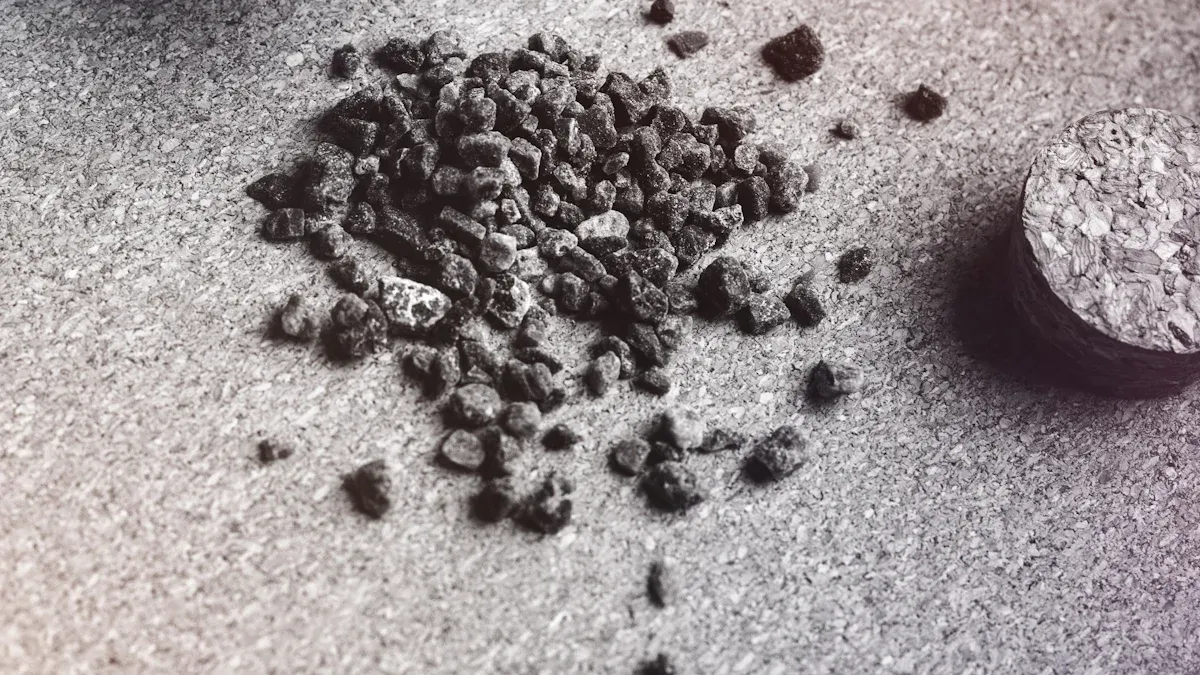
You want a filter that works hard for you. Coconut Shell Based Activated Carbon stands out because it can trap more pollutants than most other types. This material has a high number of tiny pores. These pores catch small molecules and volatile organic compounds (VOCs) that can harm your health.
At 30°C, this carbon can hold up to 437.0 mg of benzene per gram.
It can also capture 670.5 mg of formaldehyde per gram.
When the temperature drops, the adsorption power increases even more.
You get better results because Coconut Shell Based Activated Carbon has about 50% more micropores than coal-based carbon. This means it removes more contaminants from air and water, giving you cleaner results every time.
Sustainability and Eco-Friendliness
You help the planet when you choose Coconut Shell Based Activated Carbon. Manufacturers make this carbon from coconut shells, which are an agricultural byproduct. This process supports a circular economy and reduces waste. Coconut shells do not come from fossil fuels, so they are a renewable resource.
Coconut shells are carbon-neutral, which means they do not add extra carbon dioxide to the atmosphere.
New technology makes the production process more efficient and less harmful to the environment.
The high hardness and long service life of this carbon reduce the need for frequent replacements, saving resources.
You support both environmental and economic sustainability by using a product that comes from natural waste and lasts longer.
Durability and Lifespan
You want a product that lasts. Coconut Shell Based Activated Carbon offers excellent durability and resists wear and tear better than most other types. You can see this in its high mechanical strength and abrasion resistance.
Characteristic / Indicator | Coconut Shell Activated Carbon | Nut Shell (fruit shell) Activated Carbon |
|---|---|---|
Mechanical Strength | Extremely high, excellent abrasion resistance | High (Jujube shell is optimal, close to coconut shell) |
You spend less time and money on replacements because this carbon stays strong and effective for a long time. Its durability makes it a smart choice for both home and industrial use.
Taste and Odor Neutrality
You deserve clean air and water that taste and smell fresh. Coconut Shell Based Activated Carbon removes unpleasant tastes and odors very well. Its tiny pores, less than 2 nanometers wide, trap pollutants and VOCs that cause bad smells. This makes your indoor air cleaner and your drinking water taste better.
A 2022 study showed that this carbon works especially well for air purification. You notice the difference right away when you use products with Coconut Shell Based Activated Carbon in your home.
Health Benefits
You care about your health. Coconut Shell Based Activated Carbon can help you feel better in several ways.
It may improve kidney function by filtering out toxins, which is helpful for people with kidney problems.
It traps gas molecules, which can relieve bloating and make you more comfortable.
A 2013 study on rats with chronic kidney disease found less intestinal inflammation and damage when they received activated charcoal.
A 2014 study showed that rats with chronic renal failure had better kidney function and less inflammation when their diet included activated charcoal.
You get peace of mind knowing that this natural product supports your health while also protecting the environment.
Comparison With Other Activated Carbon Types
Coconut Shell vs. Coal Based
You may wonder how coconut shell activated carbon compares to coal-based carbon. Both types help purify air and water, but they have important differences.
Feature | Coconut Shell Activated Carbon | Coal-Based Activated Carbon |
|---|---|---|
Density | Smaller density, feels lighter | Generally denser, sinks faster |
Shape | Broken particles or flakes | Cylindrical or spherical shapes |
Adsorption Capacity | Higher specific surface area, better for small molecules | Better for larger molecules |
Application | Highly efficient in drinking water purification | More suitable for industrial applications |
You get a higher removal rate for residual chlorine and benzene in air purification with coconut shell carbon—over 95%. Coal-based carbon works better for industrial uses like wastewater treatment and flue gas cleaning. Coconut shell carbon has more micropores, so it traps small pollutants and VOCs more effectively. Coal-based carbon handles larger molecules better.
🌱 Coconut shell activated carbon comes from a renewable resource. Coconut shells regrow every year. Coal-based carbon uses non-renewable coal, which takes millions of years to form. You help the planet by choosing coconut shell carbon, as its production uses less energy and creates fewer harmful emissions. Coconut shells also support a carbon-neutral cycle, while coal-based carbon increases greenhouse gases.
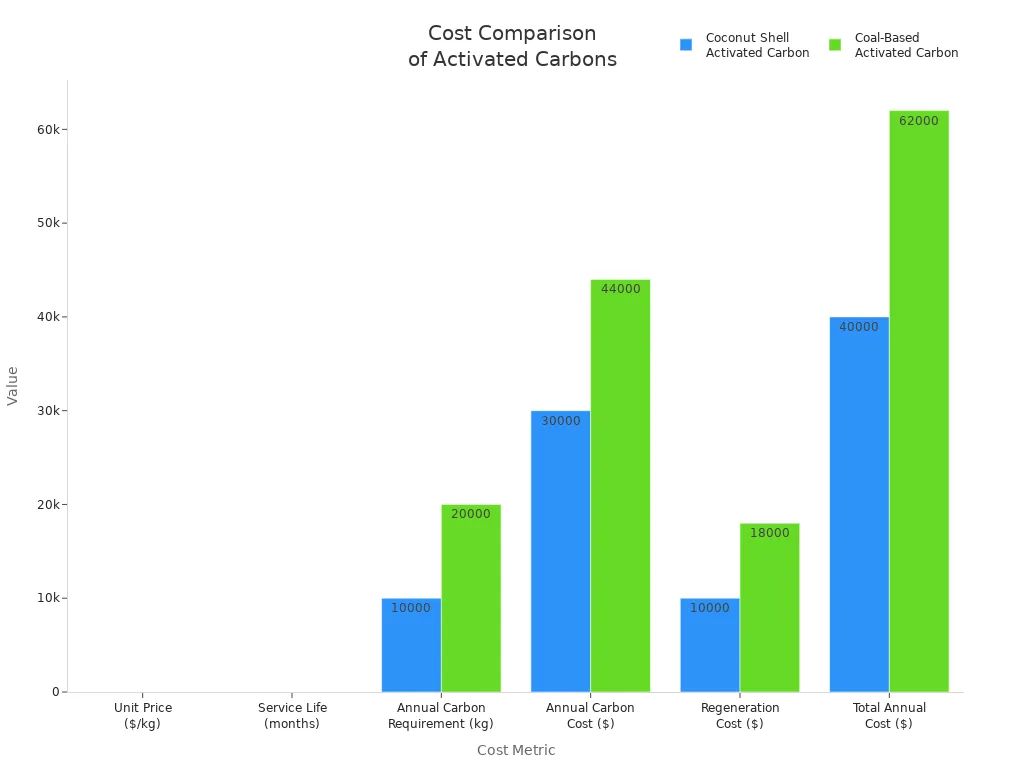
You also save money in the long run. Coconut shell carbon lasts longer and needs less frequent replacement. Take a look at the cost comparison below:
Item | Coconut Shell Activated Carbon | Coal-Based Activated Carbon |
|---|---|---|
Unit Price ($/kg) | 3.00 | 2.20 |
Service Life (months) | 12 | 6 |
Annual Carbon Requirement (kg) | 10,000 | 20,000 |
Annual Carbon Cost ($) | 30,000 | 44,000 |
Regeneration Cost ($) | 10,000 | 18,000 |
Total Annual Cost ($) | 40,000 | 62,000 |
Coconut Shell vs. Wood Based
You also see differences between coconut shell and wood-based activated carbon. Coconut shell carbon has a high density of micropores. This makes it very effective for removing small molecules like VOCs and chlorine from water and air. Wood-based carbon has a more open structure, so it works better for larger organic molecules.
Type of Activated Carbon | Adsorption Capacity | Sustainability |
|---|---|---|
Coconut Shell | High density of micropores, effective for small molecules (VOCs, chlorine) | Renewable byproduct of coconut industry |
Wood | More open structure, suitable for larger organic molecules | Less sustainable compared to coconut shell |
You make a more sustainable choice with coconut shell carbon. It comes from the coconut industry, which produces shells as a byproduct. Wood-based carbon uses more land and resources, so it is less eco-friendly. When you choose coconut shell activated carbon, you support both performance and sustainability.
Applications in Daily Life and Industry
Water Filtration
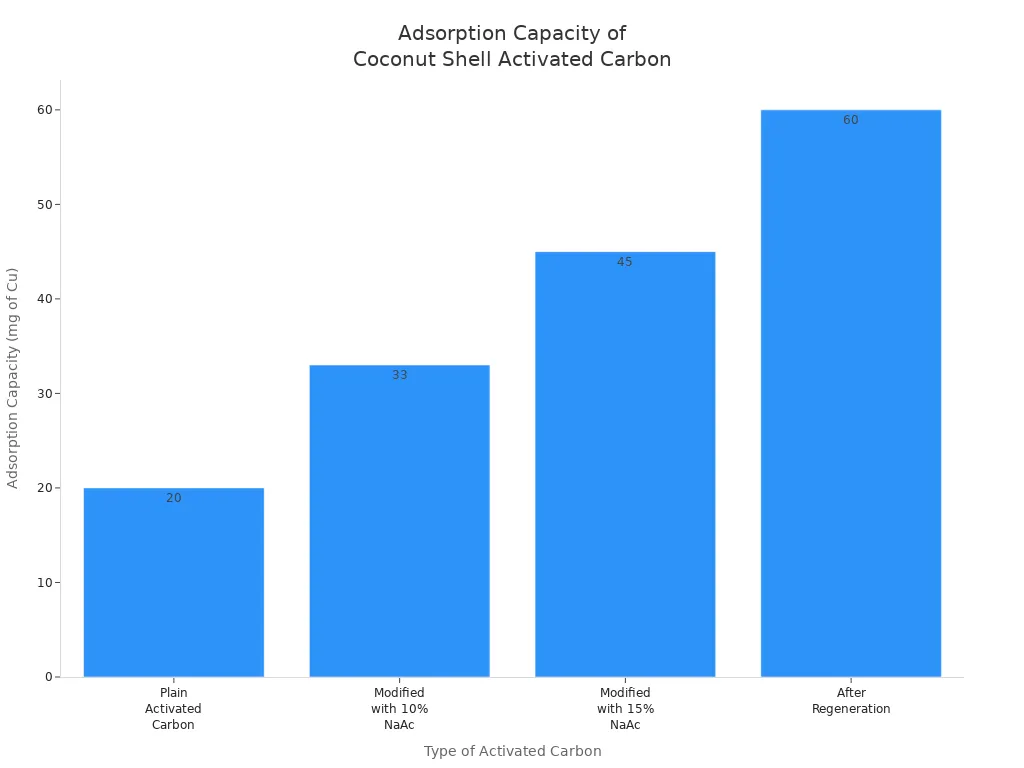
You see Coconut Shell Based Activated Carbon in many water filtration systems. This material works in faucet-mounted filters, pitchers, and the pre-carbon stage of RO systems. It improves taste and protects membranes. Whole-house filtration systems use it to clean water from every tap. The highly porous structure traps chlorine, VOCs, pesticides, and other organic impurities. Municipal water treatment plants rely on it to remove up to 97% of lead, copper, and cadmium. The low ash content keeps treated water safe. You help divert millions of tons of coconut waste from landfills when you choose these filters.
Tip: You get longer filter life and save money because coconut shell carbon maintains high efficiency after several regeneration cycles.
Type of Activated Carbon | Adsorption Capacity (mg of Cu) |
|---|---|
Plain Activated Carbon | 20 |
Modified with 10% NaAc | 33 |
Modified with 15% NaAc | 45 |
After Regeneration | 60 |
Air Purification
You breathe cleaner air when you use air purifiers with coconut shell carbon. This material captures VOCs, allergens, and harmful gases from cleaning products and paints. The carbon’s durability means filters last longer. You notice fresher air and fewer odors at home or work. The adsorption process traps pollutants on the surface, making your environment healthier.
Removes harmful gases and odors
Traps VOCs from household items
Provides cleaner air in homes and offices
Detoxification and Health
You support your health with coconut shell carbon. It helps remove toxins from water and air. Studies show it can filter heavy metals like nickel, lead, and chromium. You may find it in detox supplements and medical products. The material’s high adsorption capacity makes it effective even at low concentrations.
Note: You benefit from safer water and improved kidney health when you use products with coconut shell carbon.
Skin Care and Other Uses
You find coconut shell carbon in face masks and cleansers. It draws out impurities, toxins, and excess oils from your skin. A study showed fewer acne lesions and better skin appearance after four weeks of use. You also see this material in food and beverage processing, pharmaceuticals, and gold recovery. The carbon helps make products safer and cleaner.
Used for decolorization and deodorization in food processing
Purifies pharmaceutical products
Supports sustainable value chains in agriculture
You gain many advantages when you choose coconut shell based activated carbon. You get strong adsorption, long-lasting performance, and a product that supports the environment. This carbon works better than coal or wood types for most needs. You help create a cleaner world with every use.
Consider coconut shell based activated carbon for your home or business. You join a movement toward a more sustainable future.
FAQ
What makes coconut shell activated carbon better for water filters?
You get more micropores in coconut shell carbon. These tiny pores trap chlorine, VOCs, and heavy metals. Your water tastes cleaner and safer.
Is coconut shell activated carbon safe for health?
You can use coconut shell activated carbon safely. It comes from natural sources and contains low ash. You avoid harmful chemicals and support your health.
How long does coconut shell activated carbon last?
You enjoy a longer lifespan with coconut shell carbon. It resists abrasion and stays effective for up to 12 months in most filters.
Tip: Replace your filter as recommended for best results.
Can you recycle or reuse coconut shell activated carbon?
You can regenerate coconut shell carbon. Heating or washing restores its adsorption power. You help reduce waste and save money.