
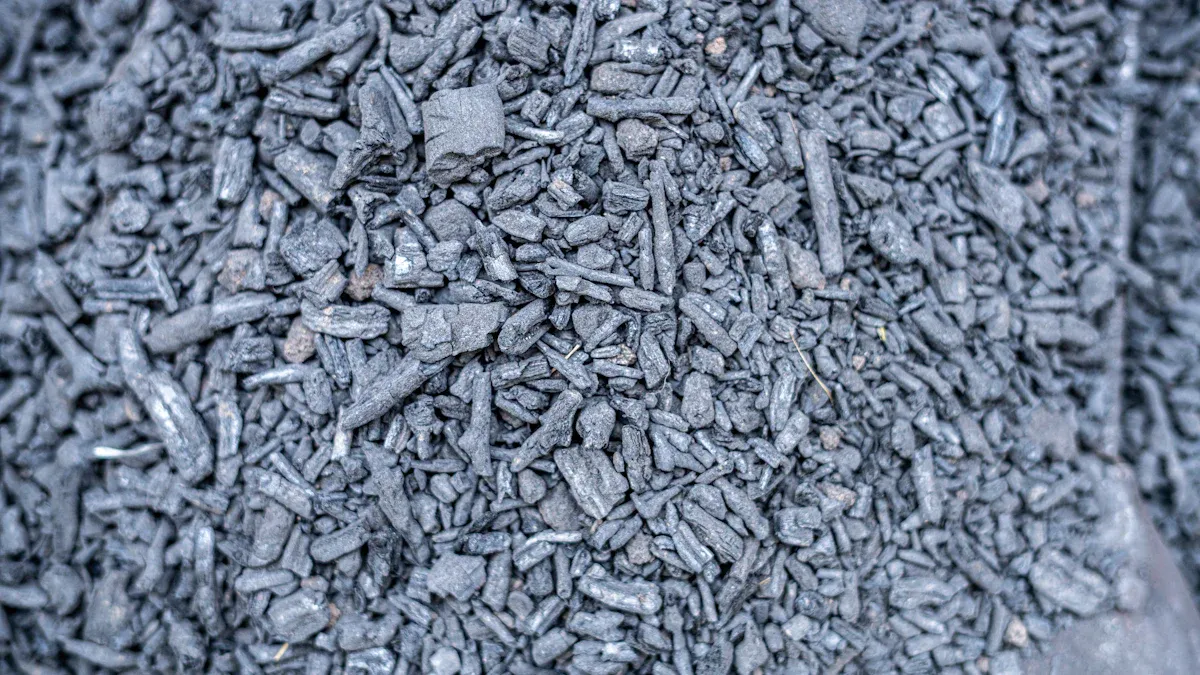
You use granular activated carbon to clean water and air. This material traps chemicals and odors inside tiny pores. Its large surface area helps remove many contaminants. Unlike sand filters, which only catch particles, granular activated carbon captures organic compounds and chemicals. You rely on its durability for long-term filtration. Its adsorption process makes your water and air safer and fresher.
Key Takeaways
Granular activated carbon effectively filters water and air by trapping contaminants in its tiny pores, making your environment cleaner and safer.
Choose the right type of granular activated carbon based on the specific contaminants you want to remove for optimal results.
Regularly replace your granular activated carbon filters every 6 to 12 months to maintain high filtration efficiency and ensure safe drinking water.
Consider environmental impacts when using granular activated carbon; recycling and regeneration methods can reduce waste and lower costs.
Granular activated carbon is versatile and can remove a wide range of pollutants, including chlorine, pesticides, and unpleasant odors from both water and air.
Granular Activated Carbon Overview
What Is Granular Activated Carbon
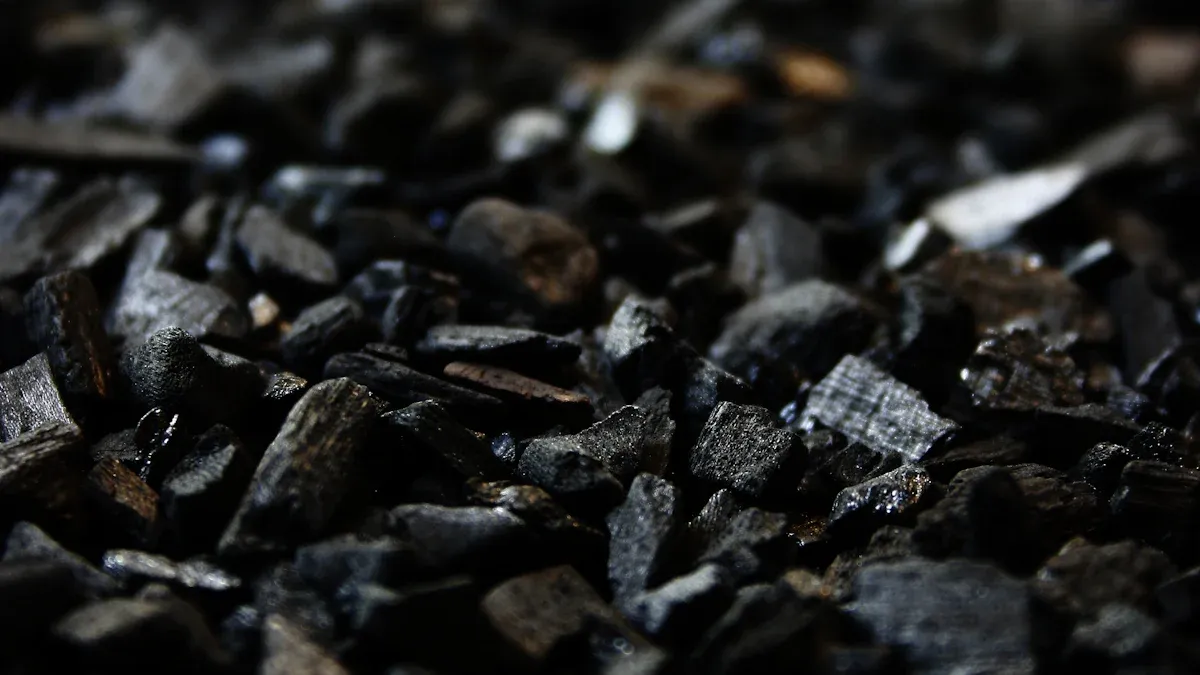
You use granular activated carbon to filter water and air. This material comes from organic sources like coconut shells and coal. Coconut shell-based activated carbon works well for water treatment because it has a high micropore volume and a narrow pore-size distribution. You can rely on it to capture small volatile organic compounds. Coal-based activated carbon has a broader pore structure, which helps trap larger molecules. You choose the type based on the contaminants you want to remove.
Granular activated carbon looks like small, black grains. You notice its rough texture and lightweight feel. Manufacturers create it by heating organic materials at high temperatures. This process forms millions of tiny pores inside each grain. You benefit from these pores because they increase the surface area and make the carbon more effective at trapping pollutants.
Key Properties
You depend on the physical and chemical properties of granular activated carbon for filtration. The pore-size distribution and the volume of available pores allow the carbon to capture organic matter and pollutants efficiently. You see that the surface carboxyl groups play a big role in removing natural organic matter from water. These groups help the carbon achieve high removal efficiency, sometimes reaching over 83% for certain contaminants.
You also find that coal-based granular activated carbon removes biorefractory compounds like lignin and tannins. The carbon supports microbial communities that break down organic substances. This feature improves water purification and keeps your water cleaner for longer periods.
Granular activated carbon stands out because it combines a large surface area with a well-developed pore system. You get reliable filtration and purification for both water and air.
You see the importance of granular activated carbon in filtration industries. The global market reached about USD 2.57 billion in 2023. Experts expect it to grow to USD 4.85 billion by 2032, with a compound annual growth rate of 7.3%. You can trust this material to meet rising demands for clean water and air.
How Granular Activated Carbon Works
Adsorption Mechanism
You rely on granular activated carbon to clean water and air through a process called adsorption. When you pass water or air through a filter filled with this material, contaminants stick to the surface of the carbon grains. This happens because the carbon has many tiny pores that attract and hold onto chemicals, odors, and organic compounds.
Granular activated carbon removes organic contaminants from wastewater with high efficiency.
You find adsorption to be a cost-effective and practical method for removing pollutants because it is simple and works well.
The variable porosity and well-developed porous structure of the carbon make it suitable for trapping a wide range of contaminants.
The sorption capacity depends on the surface features and the size of the pores, which help capture different types of pollutants.
You can see that the adsorption process does not just trap particles. It also removes dissolved chemicals that other filters might miss. This makes your water and air cleaner and safer for daily use.
Tip: You get the best results when you choose the right type of granular activated carbon for the specific contaminants you want to remove.
Surface Area and Microscopic Structure
You benefit from the huge surface area inside each grain of granular activated carbon. Each gram of this material can have a surface area between 500 and 2000 square meters. This means that even a small amount of carbon provides many places for contaminants to stick.
A higher surface area gives you more sites for trapping pollutants. This makes the carbon more effective at cleaning both liquids and gases. The activation process, which involves heating the raw material, creates millions of microscopic pores. These pores come in different sizes, allowing the carbon to capture both large and small molecules.
The microscopic structure also supports the growth of helpful microorganisms. These microbes form thin layers, called biofilms, on the surface of the carbon. They help break down some of the pollutants that get trapped. This combination of adsorption and biodegradation leads to higher removal rates, especially for stubborn organic compounds.
You can trust granular activated carbon to provide strong filtration because of its unique structure and large surface area. This makes it a top choice for anyone who wants cleaner water and air.
Uses and Applications
Water Treatment
You use Granular Activated Carbon in water treatment to make your water safer and cleaner. This material works well in both home and industrial systems. You rely on it to remove organic compounds, chlorine, chloramine, and trace heavy metals. It also helps reduce unpleasant tastes and odors. You find it in point-of-entry systems and large-scale plants because it offers a cost-effective solution. The high porosity and surface area allow the carbon to adsorb many contaminants quickly.
Note: You can trust Granular Activated Carbon to improve the quality of your drinking water by removing harmful substances and making it taste better.
Air Filtration
You depend on Granular Activated Carbon to clean the air in your home, office, or factory. The carbon captures volatile organic compounds (VOCs) and other pollutants. Its microporous structure gives you strong adsorption power. You see it used in air purifiers, HVAC systems, and industrial filters. This material traps harmful gases and odors, making your air fresher and safer to breathe.
Tip: You get better air quality when you use filters with Granular Activated Carbon, especially in places with chemical fumes or strong odors.
Contaminants Removed
You can see that Granular Activated Carbon removes a wide range of contaminants from water and air. Here are some common substances it targets:
Organic chemicals
Chlorine and chloramine
Hydrogen sulfide (causes bad odors)
Benzene, chlorobenzenes, trichloroethylene, carbon tetrachloride, methylene chloride, vinyl chloride
Pesticides like Atrazine
Disinfection byproducts
Unpleasant taste, odor, and color
You notice that this material works mainly through adsorption. It reduces taste, odor, and color problems in water. You also benefit from its ability to remove select heavy metals and pesticides.
Callout: You get cleaner water and air when you use Granular Activated Carbon because it removes many harmful and unwanted substances.
Production and Types
Raw Materials
You find that manufacturers use many organic materials to make Granular Activated Carbon. Some common sources include:
Wood
Coal
Coconut shells
Bamboo
Coconut husk
Willow
Peat
Coir
Lignite
Petroleum pitch
You see that producers sometimes add binders like coal tar, starch, or clay to help form the grains. The choice of raw material affects the pore structure and adsorption ability.
Note: Sourcing these materials can impact the environment. Harvesting wood or coconut shells may cause deforestation and soil erosion. Mining coal can lead to water pollution. The production process uses a lot of energy and releases greenhouse gases.
Activation Process
You learn that the activation process turns raw materials into effective carbon grains. First, you heat the material at high temperatures to remove impurities. Then, you use steam or chemicals to create millions of tiny pores. This step increases the surface area and makes the carbon ready for filtration.
Here is a comparison of activation methods for coconut shell and coal-based carbon:
Parameter | Coconut Shell Activated Carbon | Coal-Based Activated Carbon |
|---|---|---|
Activation Method | Steam or chemical activation | Physical and chemical methods |
Pore Structure | Highly microporous | Varied pore sizes |
Temperature Range | 800-1000°C | 450-700°C |
Activation Time | Longer (hours) | Shorter (minutes) |
Environmental Impact | Lower | Higher |
Product Purity | Higher | Lower (chemical residues) |
You notice that coconut shell-based carbon has a higher purity and lower environmental impact. Coal-based carbon offers a wider range of pore sizes but may leave chemical residues.
GAC Filter Systems
You can choose from several types of filter systems that use granular activated carbon. The most common systems include:
Stainless steel shell filters: These are durable and popular in large-scale applications.
Carbon steel shell filters: You find these in many industrial settings.
Other shells: Some filters use materials like FRP, MSEP, MSRL, or ABS plastic.
You also see powdered activated carbon (PAC) filters in water treatment. PAC offers strong adsorption but is less common than granular systems.
Here is a table comparing filter types:
Filter Type | Advantages | Disadvantages |
|---|---|---|
Granular Activated Carbon (GAC) | Removes chlorine, organic compounds, improves taste and odor | May have channeling and microbiological growth |
Carbon Block (CB) | Removes smaller particles and heavy metals | Lower flow rates |
Tip: You get the best results when you select a filter system based on your needs and the contaminants you want to remove.
Safety and Environmental Impact
Safety in Water Treatment
You can trust granular activated carbon for water treatment because strict safety standards regulate its use. These standards make sure your drinking water stays safe and clean. The NSF/ANSI certifications focus on both health and aesthetic concerns. You see these standards in the table below:
Standard | Focus Area |
|---|---|
NSF/ANSI 42 | Aesthetic contaminant reduction |
NSF/ANSI 53 | Health-related contaminant reduction |
Criteria | Safety for contact with drinking water, Structural integrity, Contaminant reduction, Product literature |
You benefit from GAC’s ability to remove harmful substances. Studies show that GAC can reduce toxins like cylindrospermopsin by up to 40%. Over time, effectiveness may decrease, but you still get safer water for your family.
Study Focus | Findings | Effectiveness Over Time |
|---|---|---|
Removal of cylindrospermopsin by GAC cap | Up to 40% reduction in harmful substances | Decreased to 9% after extended operation (4 months) |
Tip: You should replace your GAC filter regularly to maintain high removal rates and keep your water safe.
Environmental Considerations
You need to think about the environment when using granular activated carbon. Traditional production and disposal methods can cause pollution and waste. Landfilling spent activated carbon releases greenhouse gases like methane and carbon dioxide. Improper disposal may contaminate groundwater and pollute the air. Regulatory rules, such as the Resource Conservation and Recovery Act (RCRA), require facilities to test and manage waste properly.
You must check if spent GAC is hazardous before disposal.
Non-compliance can lead to fines and environmental harm.
Recycling and regeneration help reduce waste and costs.
You can regenerate GAC through water washing or electrochemical treatment. These methods extend the lifespan of the carbon and lower environmental impact. On-site regeneration, like GAC RENEW™, reduces downtime and eliminates long-term liability from hazardous waste.
Consideration | Traditional Methods | GAC RENEW™ On-Site Regeneration |
|---|---|---|
Cost | High due to transport and disposal | Lower total cost of ownership |
Environmental Footprint | Significant due to transport and incineration | Reduced environmental footprint |
Downtime | Long due to waiting for virgin carbon | Minimized downtime |
Liability | Increased with PFAS-laden media disposal | Eliminated long-term liability |
Media Lifespan | Limited, requires frequent replacement | Extended lifespan of GAC media |
Note: You help protect the environment when you choose regeneration and proper disposal methods for granular activated carbon.
You see that granular activated carbon gives you powerful filtration for water and air. Studies show GAC removes up to 90% of herbicides and 94% of formaldehyde, making your environment safer. You benefit from its high capacity and efficiency, which often beats other filter types. GAC helps protect public health by reducing pollution and absorbing harmful chemicals. Experts recommend you choose the right carbon based on your needs and review real-world performance. You can trust GAC to deliver clean water and air while supporting environmental sustainability.
FAQ
How often should you replace granular activated carbon filters?
You should replace your filter every 6 to 12 months. The exact timing depends on water quality and usage. Check the manufacturer’s instructions for best results.
Can you use granular activated carbon for both water and air filtration?
Yes, you can use granular activated carbon for water and air. It removes chemicals, odors, and organic compounds in both applications.
What contaminants does granular activated carbon remove?
You can remove chlorine, pesticides, volatile organic compounds, bad tastes, and odors. It also helps reduce some heavy metals and disinfection byproducts.
Is granular activated carbon safe for drinking water?
You can trust granular activated carbon for drinking water. It meets strict safety standards and does not add harmful substances.
Can you recycle or regenerate spent granular activated carbon?
Yes, you can recycle or regenerate spent carbon. Regeneration methods include water washing and electrochemical treatment. This process extends the carbon’s lifespan and reduces waste.