
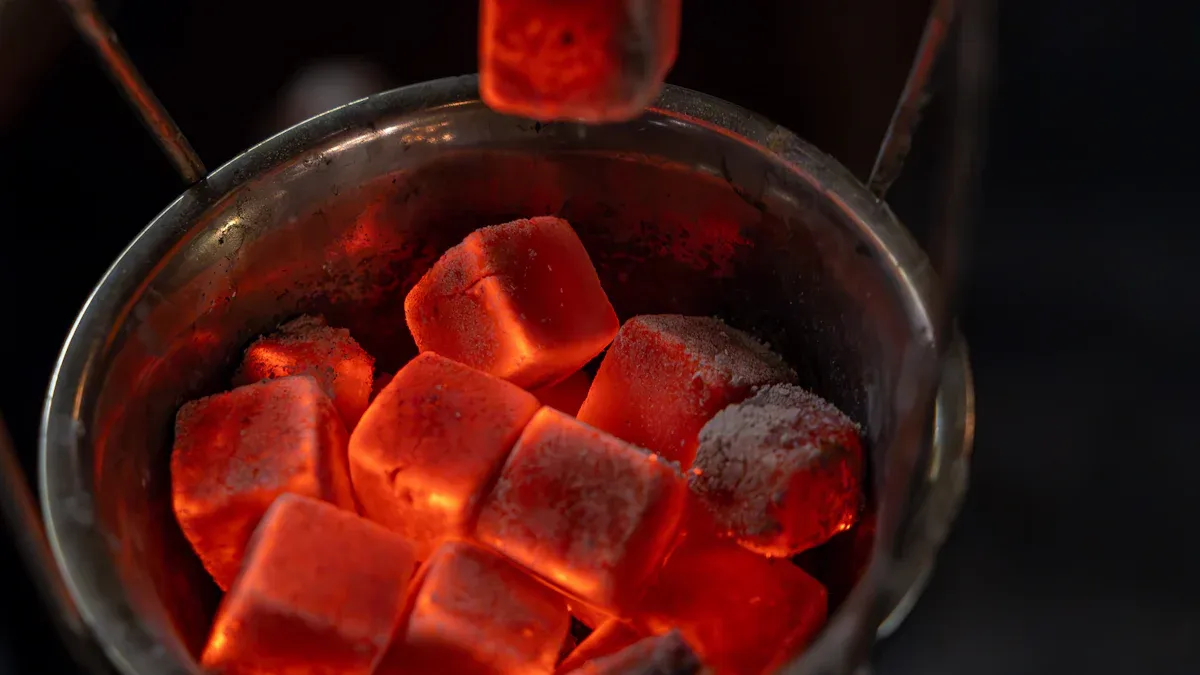
You use chemical activated carbon when you need to remove impurities from air or water. This material has a very porous structure. The tiny holes trap unwanted chemicals and odors. You find it in filters for homes, factories, and even water bottles. Chemical activated carbon stands out because it can hold a lot of different substances on its surface. The global market for this material reached over USD 6 billion in 2024 and continues to grow each year.
Key Takeaways
Chemical activated carbon effectively removes impurities from air and water due to its highly porous structure.
Choose the right activation method based on your needs; chemical activation is energy-efficient and creates more micropores.
Select the appropriate form of activated carbon—powdered, granular, or extruded—based on your specific filtration requirements.
Regularly replace or regenerate activated carbon to maintain its effectiveness in trapping contaminants.
Using activated carbon supports sustainable practices by improving air and water quality while reducing waste.
Chemical Activated Carbon Overview
Definition and Properties
You encounter Chemical Activated Carbon in many filtration systems. This material comes from carbon-rich sources like wood, coconut shells, or coal. Manufacturers treat these sources with chemicals to create a highly porous structure. The pores increase the surface area, which allows the carbon to trap more contaminants. You notice that Chemical Activated Carbon has a dark color and feels lightweight. Its high porosity makes it excellent for removing impurities from air and water. You benefit from its ability to adsorb a wide range of substances, including odors, toxins, and organic compounds.
Tip: The more porous the carbon, the better it works for filtration. You get cleaner air and water when the surface area is large.
Chemical vs. Physical Activation
You might wonder how Chemical Activated Carbon differs from other types. The main difference lies in the activation process. Chemical activation uses chemicals like phosphoric acid or potassium hydroxide at lower temperatures. Physical activation relies on steam or carbon dioxide at much higher temperatures. These methods affect the final product’s properties.
Here’s a simple table to help you compare:
Activation Method | Temperature Range | Key Reactions | Effects on Final Product |
|---|---|---|---|
Physical | 500–1000 °C | C + O2 → CO2 | Affects porosity and adsorption capacity |
C + H2O → CO |
Chemical activation often costs less energy because it uses lower temperatures. However, you must consider the cost of chemicals and the need to handle by-products. Physical activation requires more energy, which can increase production costs. The choice depends on your needs and the quality you want. Both methods produce high-quality activated carbon, but their effectiveness varies based on the application.
Factors that influence production costs:
Plant capacity
Product selling price
Cost of chemicals like KOH
Type and properties of precursor material
Method of activation
Product quality (surface area)
You select the activation method based on your filtration goals and budget. Chemical Activated Carbon gives you flexibility and efficiency, especially when energy savings matter.
Making Chemical Activated Carbon
Production Process
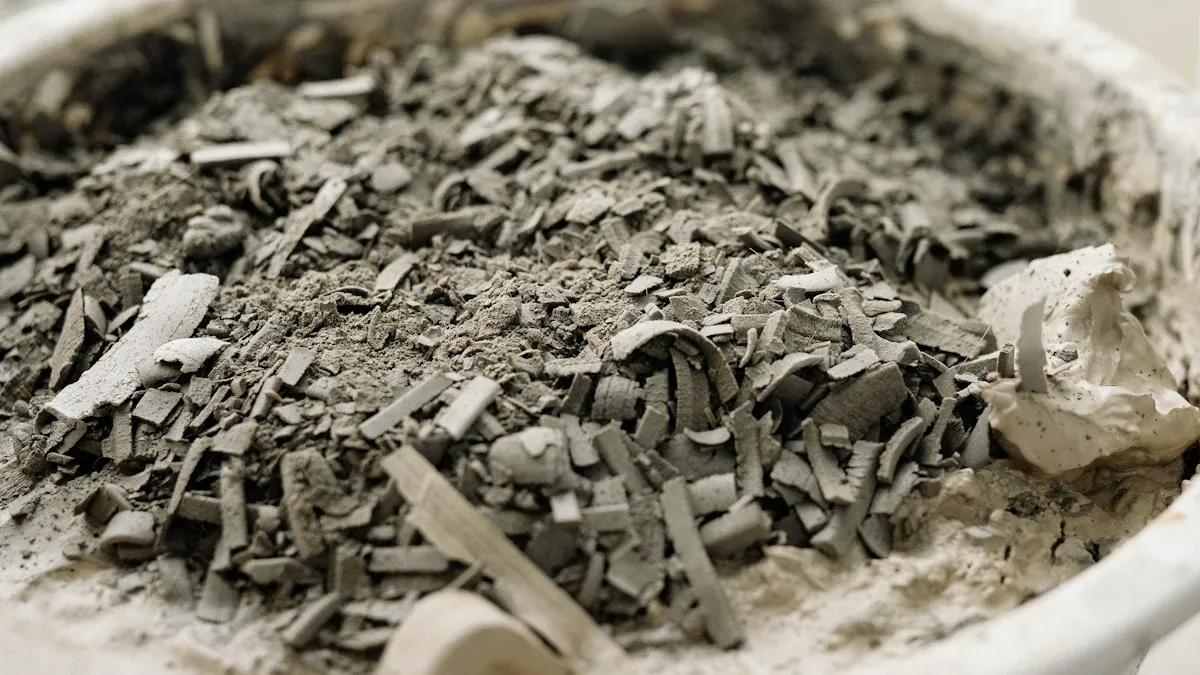
You create Chemical Activated Carbon through a special chemical activation process. This method combines carbonization and activation in one step. Here is how you can make it:
Mix a carbon-rich raw material, like wood or coconut shells, with a chemical activating agent such as phosphoric acid.
Heat the mixture to around 500°C or higher. The chemical agent helps break down the material and forms a network of tiny pores.
Wash the activated material with water to remove any leftover chemicals. This step also allows you to recover and reuse the activation agent.
This process gives you a material with a very high surface area and lots of pores. You get better adsorption because the pores trap more contaminants. Chemical activation uses lower temperatures and shorter processing times than physical activation. You save energy and get a product with well-developed surfaces and micropores.
Note: Always handle chemicals in a safe environment. Use gloves, work in a fume hood, and store chemicals properly to avoid accidents.
Materials Used
You can use many different materials to make Chemical Activated Carbon. The most common raw materials include:
Wood
Coconut shells
Coal
Agricultural waste like leaves or cereal husks
The type of raw material affects the quality of the final product. Softer materials, such as leaves or cereals, usually give you activated carbon with a larger surface area. Tougher materials, like shells or bones, produce a smaller surface area.
For the activation process, you often use chemicals such as:
Phosphoric acid
Sodium hydroxide
Potassium carbonate
Calcium chloride
Zinc chloride
Each chemical plays a role in opening up the structure of the carbon and creating more pores. You choose the chemical based on the raw material and the desired properties of the final product.
Aspect | Chemical Activation | Physical Activation |
|---|---|---|
Temperature | Lower | Higher |
Processing Time | Shorter | Longer |
Surface Development | Better micropores | Less effective |
Energy Intensity | Less | More |
You benefit from chemical activation because it gives you a highly porous material that works well for filtration and purification.
How Chemical Activated Carbon Works
Adsorption Mechanism
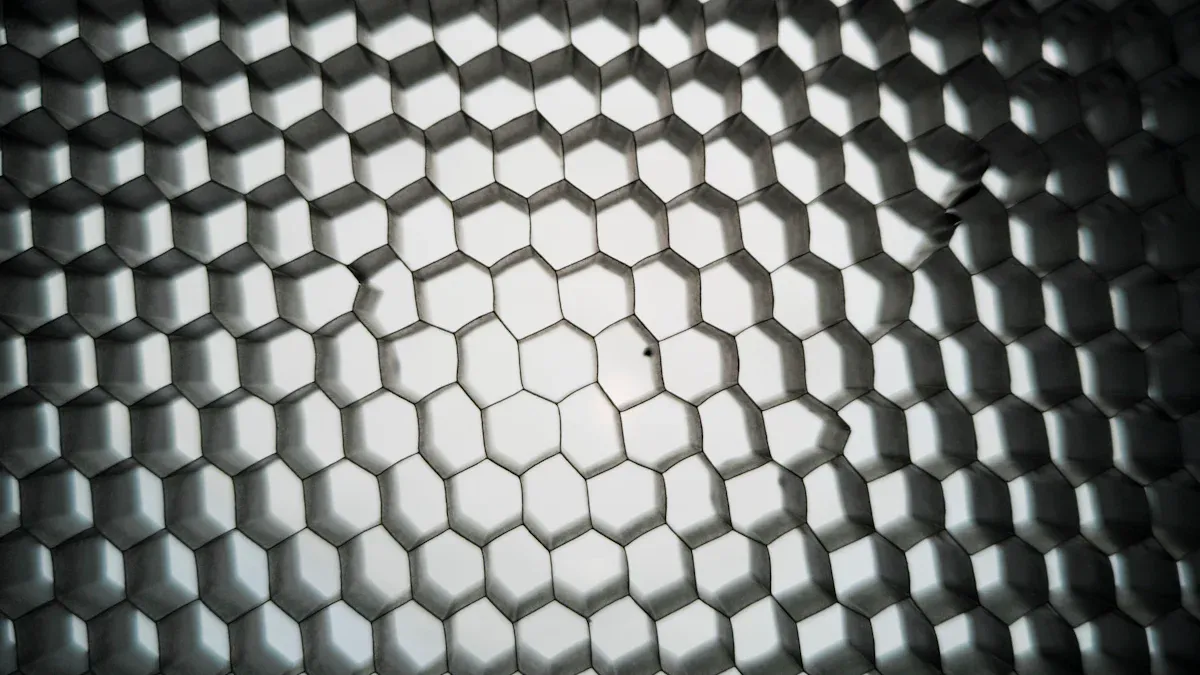
You rely on Chemical Activated Carbon because it traps unwanted substances through a process called adsorption. Adsorption happens when molecules from a liquid or gas stick to the surface of the carbon. The surface of Chemical Activated Carbon contains many tiny pores and special chemical groups. These features help attract and hold different types of contaminants.
Here is how adsorption works at the molecular level:
Hydrogen bonding forms between polar groups on the carbon and polar chemicals like some volatile organic compounds (VOCs). This makes the carbon surface sticky for these molecules.
π–π interactions occur when non-polar aromatic VOCs meet the electron clouds on the carbon surface. These interactions help pull in and hold these pollutants.
Dipole–π interactions happen when polar molecules interact with the carbon’s electron system. This adds another way for the carbon to capture contaminants.
You can remove many pollutants with Chemical Activated Carbon. Some common examples include:
Acetic acid, which you find in vinegar.
Amines, used in making dyes and medicines.
Heavy metals like arsenic, cadmium, chromium, lead, and mercury, especially when you use a sequestering agent.
Hydrogen selenide, important in electronics.
Hydrogen sulfide, which can make water smell bad.
Lead, which you can filter out with special carbon blocks.
Nitric acid, a strong industrial acid.
Plating wastes from factories.
Propionaldehyde, found in plastics and disinfectants.
Soap and vinegar, which are common in homes and industries.
Tip: You get the best results when you match the type of activated carbon to the specific contaminant you want to remove.
Surface Area and Effectiveness
You measure the power of Chemical Activated Carbon by its surface area. The more surface area, the more places there are for pollutants to stick. Most industrial Chemical Activated Carbon has a surface area between 300 and 1500 square meters per gram. This means that just one gram can have the surface area of several tennis courts.
When you increase the surface area, you make the carbon work faster and better. For example:
If you raise the surface area from 750 m² to 850 m², you can reduce the time needed to remove 90% of a pollutant by almost 30%.
With a higher oxidizer dose, increasing the surface area from 750 m² to 800 m² can cut the removal time by about 24%.
You also see that higher activation levels create carbons with larger surface areas. These carbons can adsorb dyes like methylene blue as well as commercial products.
Here are some typical surface area values:
Most Chemical Activated Carbon: 300–1500 m²/g
Activated carbon from textile sewage sludge: about 336 m²/g
You should know that the adsorption capacity can change if you use the same carbon many times. The table below shows how repeated use affects performance:
Study | Condition | Reduction in Adsorption Capacity |
|---|---|---|
Zhang et al. | 3 cycles at 50°C, regeneration at 300°C | 33.3% |
Atkinson et al. | 4 cycles at 50°C, regeneration at 400°C | 65.1% |
You may notice some loss in adsorption after several cycles, but chemical regeneration helps keep the loss low. For most home and industrial uses, you get reliable performance over many cycles.
Note: You should replace or regenerate your activated carbon regularly to keep your filters working at their best.
Types and Uses of Activated Carbon
Forms: Powdered, Granular, Extruded
You can choose from three main forms of activated carbon: powdered, granular, and extruded. Each form has a different particle size and shape, which affects how you use it.
Powdered Activated Carbon (PAC): This form has very fine particles, less than 0.18 mm in diameter. You use PAC when you need fast adsorption, such as in emergency water treatment or food processing. The small size lets it work quickly, but you usually do not reuse it.
Granular Activated Carbon (GAC): These are larger particles, ranging from 0.2 to 5 mm. GAC works well in continuous systems like water filters and air purifiers. You can regenerate and reuse GAC many times, which makes it cost-effective for long-term use.
Extruded Activated Carbon (EAC): This form comes in regular cylindrical shapes, usually 1 to 5 mm in diameter. EAC is strong and handles high pressure, so you often see it in air purification and gas treatment.
Here is a table to help you compare the main features:
Characteristics | Granular Activated Carbon | Pellet Activated Carbon | Powdered Activated Carbon |
|---|---|---|---|
Particle Size | 0.2–5 mm | 1–5 mm (cylindrical) | <0.18 mm |
Adsorption Speed | Moderate | Ideal for gases | Fastest |
Main Use | Water, air, food | Air, gas, odor | Emergency, food, soil |
Regeneration | Yes | Yes | No |
Tip: Choose the form that matches your process. For example, use GAC for steady water treatment and PAC for quick fixes.
Applications: Water, Air, Odor Removal
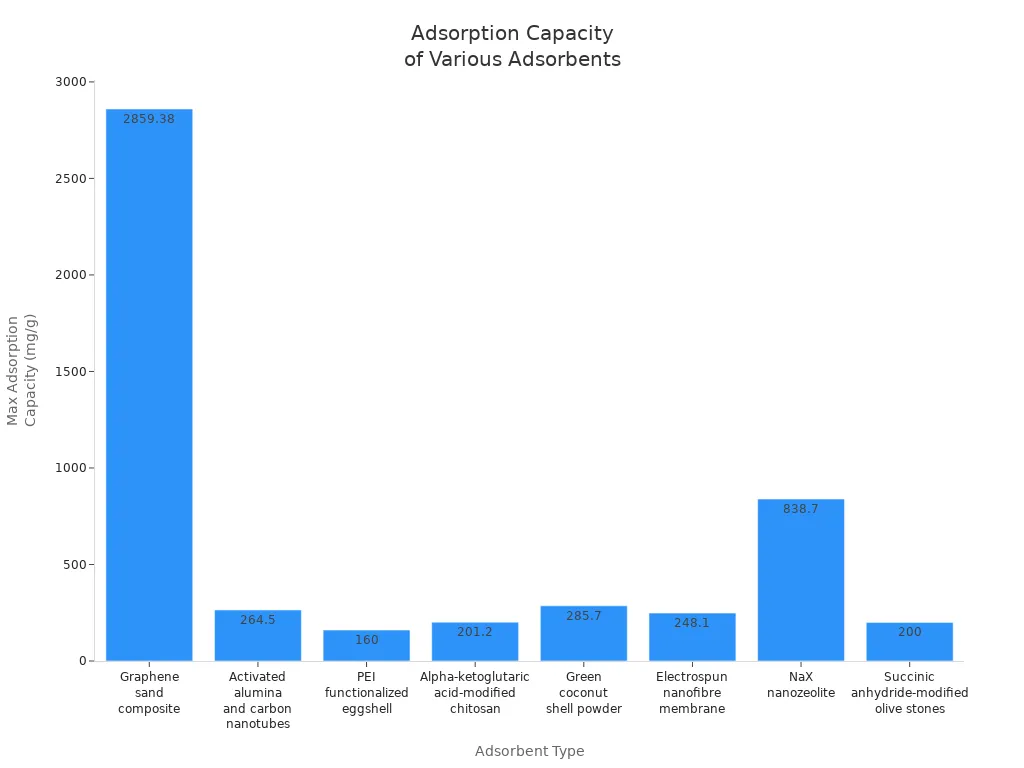
You find Chemical Activated Carbon in many industries because it removes a wide range of pollutants. In water treatment, you use it to clean drinking water and wastewater. It removes organic matter, color, odor, and heavy metals. Modified activated carbon can remove up to 96% of heavy metals, making it a safe and sustainable choice.
In air purification, you rely on activated carbon filters to trap volatile organic compounds (VOCs), odors, and harmful chemicals. These filters help you keep indoor air fresh and safe by removing pollutants from sources like cleaning products and cooking.
Odor removal is another key use. You see activated carbon in industrial facilities, wastewater plants, food processing, and commercial buildings. It controls smells from hydrogen sulfide, ammonia, and organic compounds.
Using activated carbon supports cleaner air and water. You also help protect the environment because you can often regenerate or recycle spent carbon.
You use chemical activated carbon to clean water, air, and soil. This material traps many contaminants and improves taste and odor. You find it reliable and efficient for many purification tasks.
Removes a wide range of pollutants
Controls taste and odor
Absorbs many components for cost savings
Works well with low risk of failure
You support sustainable practices when you choose activated carbon. It helps manage water, filter air, and restore soil. You can also reuse it, which reduces waste. Remember, you may need to replace or regenerate it because some contaminants are hard to remove and its power drops after many cycles.
FAQ
What is the main difference between chemical and physical activated carbon?
You create chemical activated carbon using chemicals at lower temperatures. Physical activated carbon uses steam or carbon dioxide at higher temperatures. Chemical activation gives you more micropores and often saves energy.
How do you know when to replace activated carbon?
You should replace activated carbon when you notice reduced performance. Water or air may smell or taste bad again. Most filters include a recommended replacement schedule.
Can you reuse chemical activated carbon?
You can regenerate some types by heating or washing. However, each cycle lowers the adsorption capacity. For best results, you should follow the manufacturer’s instructions.
Is chemical activated carbon safe for drinking water?
Yes, you can use chemical activated carbon in water filters. Manufacturers wash out chemicals before selling the product. Always buy from trusted brands for safety.