
When you use Beverage Activated Carbon in drinks, you remove impurities that can spoil taste and aroma. Activated carbon works through adsorption, trapping unwanted substances on its surface. This process helps you get cleaner, better-tasting beverages. Compared to other purification methods, activated carbon stands out because it requires less material to achieve high efficiency. You gain higher productivity and improved flavor without extra cost.
Key Takeaways
Activated carbon removes impurities from beverages, enhancing taste and aroma.
The adsorption process allows activated carbon to trap unwanted substances effectively, improving drink quality.
Using activated carbon can eliminate harmful contaminants, ensuring safer beverages for consumers.
Granular activated carbon is preferred for its longevity and efficiency in continuous filtration.
Choosing sustainable activated carbon options helps reduce environmental impact while purifying drinks.
What Is Beverage Activated Carbon
Properties and Structure
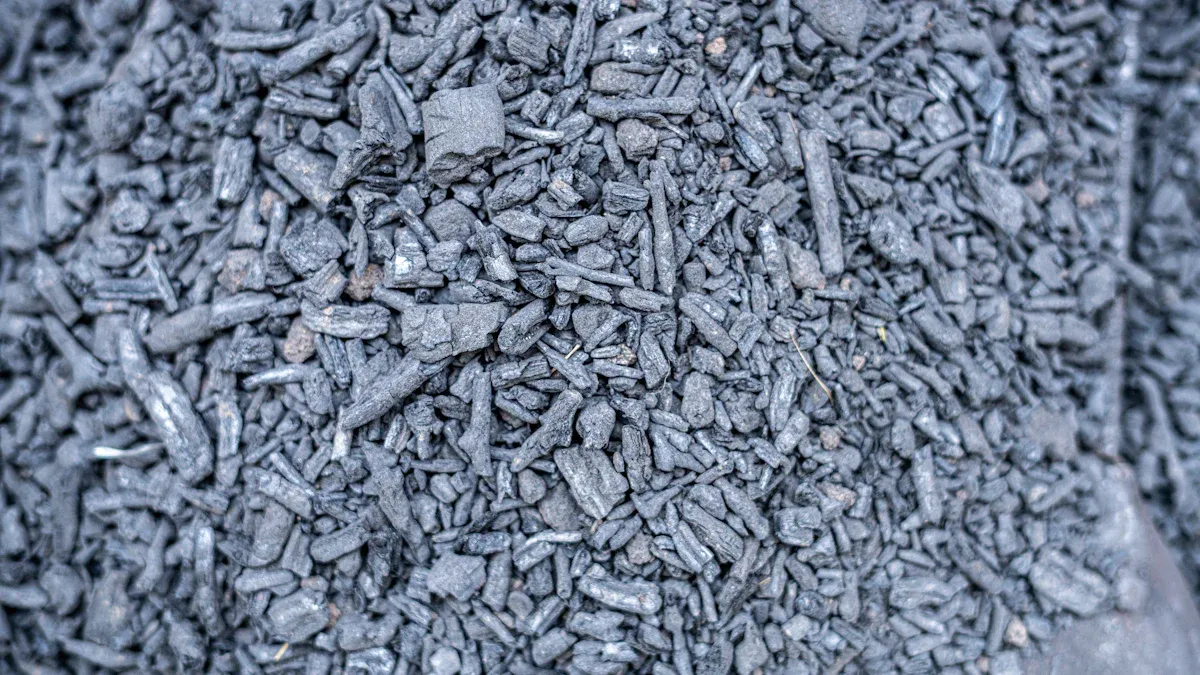
You use Beverage Activated Carbon to clean drinks because it has unique physical and chemical properties. This material contains a network of pores that gives it a large surface area. You can see how these properties help in the table below:
Property | Description |
|---|---|
Porosity | High porosity with a vast network of pores (micropores, mesopores, macropores) providing a large surface area (800 to 1500 m²/g) for effective adsorption of various substances. |
Particle Size and Shape | Varies from fine powders to larger granules; fine powders have faster adsorption kinetics, while granules are easier to handle and separate. |
Density | Apparent density ranges from 0.4 to 0.6 g/cm³, affecting packing density and handling; lower density may indicate higher porosity. |
Hardness and Abrasion Resistance | Sufficient hardness and abrasion resistance are necessary to maintain integrity during mechanical stress in high-flow systems, preventing clogging and contamination. |
You also benefit from its surface chemistry. Beverage Activated Carbon contains groups like hydroxyl, carboxyl, and phenolic. These groups interact with substances in drinks, helping to remove unwanted compounds while keeping good flavors.
How Adsorption Works
Adsorption is the main process that makes Beverage Activated Carbon effective. You can think of adsorption like Velcro. When you pour a beverage through activated carbon, impurities stick to its surface just like small objects stick to Velcro. The high internal surface area, around 1,000 m² per gram, gives many places for molecules to attach. The pore volume ranges from 0.3 to 3 mL per gram, which increases its capacity to trap contaminants. Micropores, smaller than 2 nm, have the highest adsorption energy and work best for small molecules. Mesopores, between 2-50 nm, help remove larger organic contaminants. Macropores, above 50 nm, let molecules move into the smaller pores.
Tip: The more surface area and pores activated carbon has, the more impurities it can remove from your drink.
Granular Form and Micro-Pores
You often use Beverage Activated Carbon in granular form. Granules last longer and allow for continuous filtration. This form helps you remove unwanted color, taste, and odor. It also eliminates trace organic contaminants and ensures uniform taste and appearance across batches. The micro-pore structure is important for purification. You can see the pore types and their functions in the table below:
Pore Type | Diameter Range | Functionality |
|---|---|---|
Macropores | Above 50 nm | Facilitate the flow of larger molecules |
Mesopores | 2-50 nm | Enhance adsorption of medium-sized molecules |
Micropores | Below 2 nm | Provide high surface area for adsorption of small molecules |
You get a cleaner beverage with improved taste and clarity when you use granular activated carbon.
What Activated Carbon Removes
Organic Compounds and Impurities
You rely on activated carbon to remove a wide range of organic compounds and impurities from beverages. These substances can affect taste, safety, and clarity. When you use Beverage Activated Carbon, you target compounds like esters, alcohols, and volatile organic compounds (VOCs). Esters often appear in alcoholic drinks because yeast produces them during fermentation. Activated carbon removes esters efficiently due to their hydrophobic nature. Alcohols are present in many beverages, but activated carbon removes them less effectively than esters. Higher-molecular-weight VOCs show greater reductions during treatment.
Type of Compound | Description |
|---|---|
Esters | More abundant in alcoholic beverages; removed efficiently due to hydrophobic nature. |
Alcohols | Present in drinks; less effectively removed compared to esters. |
Higher-molecular-weight VOCs | Greater reductions than lower-molecular-weight alcohols during activated carbon treatment. |
You also remove harmful pollutants, such as pesticide residues and industrial chemicals. Activated carbon has a strong adsorption capacity, which helps you eliminate these impurities. Here are some practical examples:
You remove up to 90% of atrazine herbicides from agricultural runoff.
You achieve 70–95% adsorption of industrial pollutants like trichloroethylene.
You reduce pesticide residues and other organic pollutants, making beverages safer.
Note: Activated carbon helps you protect consumers by removing contaminants that may pose health risks.
Off-Flavors and Odors
You often encounter unwanted flavors and odors in beverages. These can come from fermentation, storage, or contamination. Activated carbon is effective in removing bitterness, spiciness, and other unpleasant odors. You improve the taste of alcoholic beverages, such as Baijiu, by adsorbing undesirable flavor components. Different types of activated carbon show varying effectiveness, but you can achieve high retention rates for esters and acids.
You remove bitterness and spiciness, making drinks smoother.
You eliminate foreign odors that affect aroma and taste.
You retain up to 93.9% of esters and 99.2% of acids, preserving desirable flavors.
Tip: Activated carbon lets you create beverages with a clean, appealing taste and aroma.
Color Removal
You use activated carbon to remove unwanted colors from beverages. Color can come from natural pigments, artificial dyes, or contaminants. Activated carbon is crucial for decolorizing sugar solutions and improving the appearance of soft drinks, juices, and wines. You modify color, remove odors, and eliminate contaminants in wine and vinegar production. You also decolorize juices affected by compounds like polyphenols and melanin.
Pigment Type | Description |
|---|---|
Caramel Colors | Man-made dyes often used in beverages. |
Anthocyanins | Natural pigments found in berry juices. |
You improve the clarity and brightness of beverages.
You remove toxic contaminants along with color and odor.
You enhance the taste and visual appeal of soft drinks and alcoholic beverages.
Callout: Activated carbon helps you produce beverages that look and taste better, meeting consumer expectations.
Benefits of Beverage Activated Carbon
Taste and Aroma Improvement
You notice a clear difference in taste and aroma when you use Beverage Activated Carbon in beverage production. Activated carbon removes substances like chlorine and sulfur, which often mask natural flavors. After filtration, drinks taste brighter and cleaner. Panelists in a 2022 study described gin-and-tonic made with filtered water as “more aromatic” and “cleaner-tasting.” Breweries using specialized activated carbon products report more consistent carbonation and improved flavor stability. You also reduce the risk of off-notes from chemicals, making each batch taste the same.
Drinks taste brighter and fresher.
You experience fewer unwanted flavors and odors.
Natural aromas become more pronounced.
Parameter | Before Filtration | After Filtration |
|---|---|---|
Odor | Higher Scores | |
Taste | Higher Scores | Marked Decrease |
You achieve a smoother, more appealing beverage every time.
Safety and Quality Enhancement
You improve safety and quality by using activated carbon. It removes harmful contaminants like benzene, lead, and trihalomethanes. These substances can cause health problems if present in high amounts. Activated carbon also reduces radon gas and taste compounds that affect water quality. You meet strict international standards, including FDA and BIS regulations, by using tested activated carbon products. Beverage Activated Carbon helps you comply with food-grade requirements and ISBT guidelines.
Contaminant Type | Examples | Health Risks |
|---|---|---|
Organic Compounds | Benzene, chlorobenzenes, trichloroethylene | May pose health risks if present above EPA Health Advisory Level (HAL) |
Heavy Metals | Lead | Can be present from older pipes; AC filtration can reduce lead |
Disinfection Byproducts | Trihalomethanes (THMs) | Increased cancer risk; EPA mandates less than 80 ppb in treated water |
Radon | Radon gas | Linked to lung cancer; can be removed by AC filtration |
Taste and Odor Compounds | Various harmless compounds | Can affect drinking water quality; AC filtration can reduce these compounds |
Tip: You protect consumers and ensure high-quality beverages by removing these contaminants.
Environmental Advantages
You help the environment when you choose activated carbon made from sustainable materials. Coconut shell and reactivated coal activated carbons have a lower carbon footprint than coal-based types. Reactivated coal shows a global warming potential up to 80% lower than virgin activated carbon. You reduce environmental impact by selecting the right raw materials and production methods. Beverage Activated Carbon offers a greener solution compared to other purification materials.
You lower greenhouse gas emissions.
You support sustainable production practices.
You make beverage purification more eco-friendly.
Callout: Choosing sustainable activated carbon helps you create safer drinks and protect the planet.
Limitations and Considerations
What It Cannot Remove
You need to know that activated carbon does not remove every contaminant from beverages. Some substances pass through the filter because they do not stick to the carbon surface. You may find that certain minerals and salts remain in your drink. Iron and nitrate also escape removal. Some metals only leave the beverage if you use special types of carbon filters. The effectiveness depends on the type of activated carbon and the conditions during filtration, such as pH.
Iron
Nitrate
Minerals
Salts
Some metals (unless you use specific carbon filters)
You can see how activated carbon works with heavy metals in the table below:
Heavy Metal Ion | Removal Effectiveness | Notes |
|---|---|---|
Lead (Pb+2) | Moderate | Often does not reach maximum health levels |
Copper (Cu+2) | Moderate | Depends on pH and carbon type |
Cadmium (Cd+2) | Moderate | Requires specific conditions |
Mercury (Hg+2) | Moderate | May need special carbon |
Note: Activated carbon works best for organic compounds and some heavy metals, but you should not rely on it for all inorganic ions.
Impact on Nutrients
You may worry about losing vitamins or minerals during purification. Activated carbon filters target organic compounds and chemicals, but they do not remove essential minerals like calcium, magnesium, potassium, or sodium. Studies show that most nutrients stay in the beverage after treatment. For example, tea infusions retain over 85% of their components after filtration. Coffee filtration also keeps caffeine and flavor intact.
Essential minerals remain in your drink.
Vitamins and nutrients show high retention rates.
Sensory properties like taste and aroma stay strong.
Tip: You can use activated carbon without losing the healthy parts of your beverage.
Safety and Regulations
You must follow safety guidelines when using activated carbon in beverages. Food-grade activated carbon meets strict standards set by agencies like the FDA and BIS. You should always use tested products that comply with ISBT guidelines. Manufacturers label activated carbon for beverage use, so you can check for certifications. You need to monitor the filtration process to avoid contamination or over-filtration. Best practices include regular filter replacement and quality checks.
Use certified, food-grade activated carbon.
Follow international safety standards.
Replace filters regularly for best results.
Callout: You protect consumers and ensure beverage quality when you follow safety rules and use proper filtration methods.
You use beverage activated carbon to make drinks cleaner and tastier. It removes up to 98% of pollutants, especially in sugarcane juice, and helps you meet safety standards. You gain brighter flavors, safer products, and better quality. Some minerals and salts stay in your drink, so activated carbon does not remove everything. You improve your beverage’s taste and safety while supporting quality control in the food industry. Activated carbon gives you a reliable way to create drinks that people enjoy.
FAQ
What is beverage activated carbon made from?
You usually find beverage activated carbon made from coconut shells, wood, or coal. Manufacturers heat these materials to create a network of tiny pores. This structure helps trap unwanted substances in your drinks.
Can activated carbon change the taste of my drink?
You may notice a cleaner, fresher taste after using activated carbon. It removes off-flavors and odors but keeps the natural flavors you want. Your drink tastes better and smells more appealing.
Is activated carbon safe for all types of beverages?
You can safely use food-grade activated carbon in water, juice, soft drinks, and alcohol. Always check that the product meets food safety standards. This ensures your beverage stays safe for drinking.
How do I know when to replace activated carbon filters?
Tip: Replace your filter when you notice changes in taste, odor, or flow rate. Most filters last for several batches, but always follow the manufacturer’s instructions for best results.