
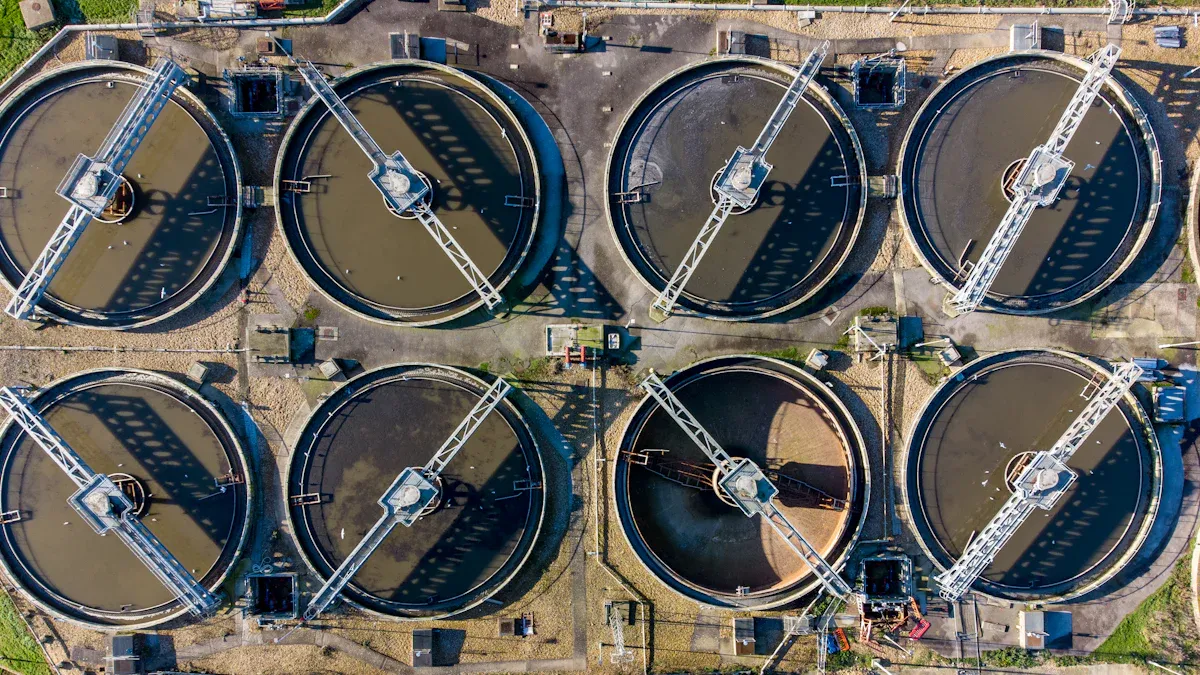
You can use water treatment activated carbon to make water clean and safe. This method takes out many impurities by trapping them on its surface. People pick this treatment because it solves many common problems well. The table below shows how activated carbon works compared to other methods for removing different contaminants:
Contaminant Type | Activated Carbon | Other Methods |
|---|---|---|
Organic Chemicals | Effective | Varies |
Chlorine | Effective | Varies |
Industrial Pollutants | Effective | Varies |
Microorganisms | Not Effective | Effective (e.g., UV) |
Dissolved Salts | Not Effective | Effective (e.g., RO) |
Cost-Effectiveness | High | Varies |
Maintenance | Low | Varies |
You can see why many homes and places use activated carbon for water treatment.
Key Takeaways
Activated carbon takes out things like chlorine and organic chemicals from water. This makes the water cleaner and safer to drink.
There are different kinds of activated carbon, like granular and powdered. Each type works best for certain jobs. Pick the right one for your water treatment needs.
You should check your activated carbon filter often. Replace it when needed to keep it working well and to have clean water.
Activated carbon does not remove every contaminant. Use it with other methods to make sure your water is safe.
Cooler water and water that is a little acidic help activated carbon work better. This makes the adsorption process stronger.
What Is Activated Carbon
Sources and Forms
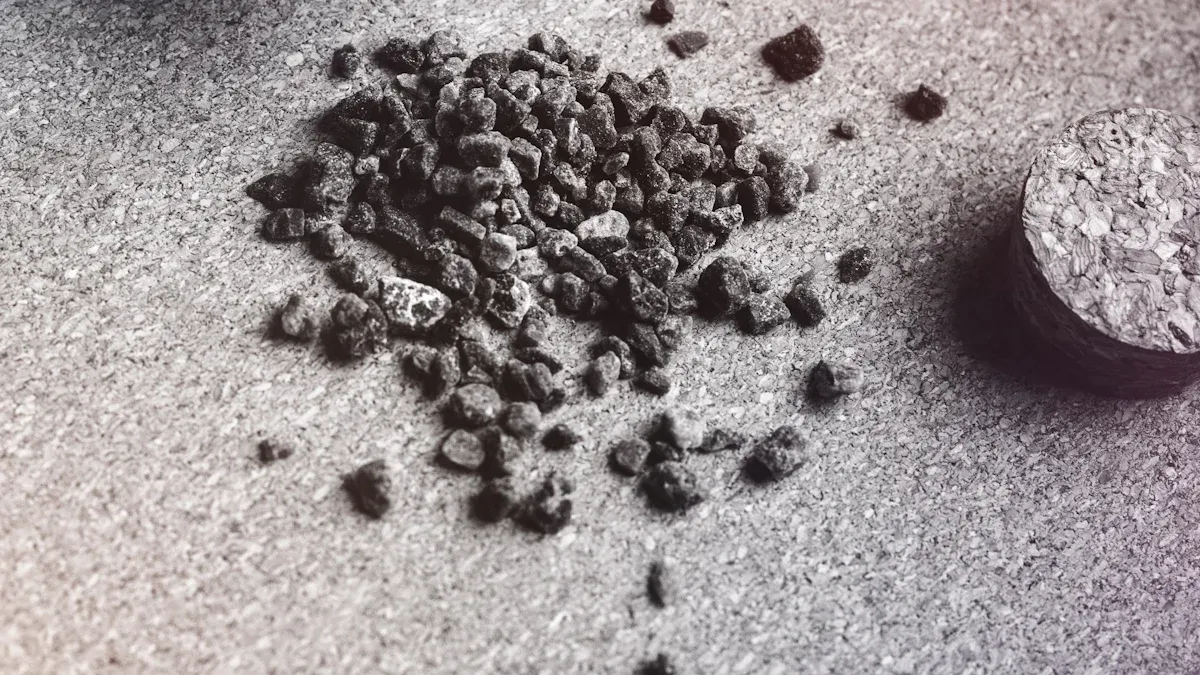
Activated carbon comes in different shapes and sizes. People make it from many things. The most common sources are:
Coal
Coconut shells
Corn cob
Bituminous coal
Some companies use molasses to help stick the pieces together. This is mostly for granular activated carbon. You can find activated carbon as powder, small grains, or pellets. Each type is good for certain water cleaning jobs. Granular activated carbon is often in home water filters. Powdered activated carbon is used in big water plants. You can pick the type that matches your water system and what you want to clean.
Unique Porous Structure
Activated carbon is special because it has lots of tiny holes. These holes give it a big surface area. This helps it catch things that make water dirty. The table below shows how the holes help with adsorption:
Evidence | Description |
|---|---|
High specific surface area | The carbon pore structure is crucial for determining adsorption performance. |
Suitable pore size distribution | Facilitates the adsorption of various molecules, enhancing capacity. |
Activated carbon can have a surface area from 500 to 2000 m²/g. Coal-based activated carbon usually has 800-1200 m²/g. Coconut shell-based activated carbon has 1000-1400 m²/g. Wood-based activated carbon has 900-1300 m²/g. The holes in activated carbon help it trap many kinds of bad stuff. This means it can take out chemicals, bad tastes, and smells from water. The size and shape of the holes matter a lot for how well it works. Smaller holes can catch tiny things, so your water gets cleaner and safer.
How Activated Carbon Works
Adsorption Mechanism
Think of activated carbon like a sponge that soaks up pollutants. When you put it in water, it grabs and holds many things you do not want. This is called adsorption. It happens because activated carbon has lots of tiny holes and spaces. These spaces pull molecules out of the water. The molecules stick to the surface instead of floating around.
There are two main ways adsorption happens. Physical adsorption uses weak forces to pull things onto the surface. Chemical adsorption makes stronger bonds. Sometimes, pollutants react with activated carbon and get stuck. The process gives off heat, so it is exothermic. The size of the holes and how much surface there is are important. Bigger surface areas and the right size holes help activated carbon catch more stuff.
Here is a table that explains the science behind adsorption:
Principle Type | Description |
|---|---|
Physical Adsorption | Involves van der Waals forces or electrostatic attraction, which are weak and do not significantly alter the structure of pollutant molecules. |
Chemical Adsorption | Involves strong chemical bonds, leading to irreversible reactions between pollutants and activated carbon, often described as chemisorption. |
Adsorption Process | The process is exothermic, where pollutant molecules are attracted to the surface of activated carbon, resulting in a decrease in their free energy. |
Factors Affecting Adsorption | The specific surface area and pore structure of activated carbon are crucial for its adsorption capacity, with the size of the adsorbate molecule and concentration also playing significant roles. |
You can make adsorption work better by changing the water’s pH and temperature. Lower temperatures usually help activated carbon do a better job. If the water is more acidic, it can hold more. Higher temperatures make molecules move faster, but the bonds might not last as long.
Removal of Contaminants
People use activated carbon in wastewater treatment because it traps many kinds of contaminants. It works best for organic chemicals, chlorine, and some heavy metals. It is used to clean up fats, oils, pesticides, and even medicines in water. These things stick to the activated carbon and do not go back into the water.
Activated carbon is great at removing pollutants that are big and do not dissolve easily. These molecules are pulled to the surface and stay there. If you need to get rid of tiny amounts of contaminants, activated carbon can help. In wastewater treatment, you often find small amounts of things like medicines and pesticides. Activated carbon helps keep these out of the water supply.
There are special types of activated carbon called impregnated carbon. These are made to catch certain contaminants. This is useful in plants that need to remove inorganic gases, heavy metals, or volatile organic compounds. These are hard to catch with other methods.
Here is a table that shows how well activated carbon removes different contaminants:
Contaminant Type | Removal Efficiency Description |
|---|---|
Natural Organic Matter | Activated carbon filtration was effective in removing intermediate molar mass compounds (1000–4000 g/mol). |
Chlorine | Activated carbon effectively removes chlorine with minimal degradation, requiring significant surface area. |
Heavy Metals | Not specifically mentioned, but activated carbon is known for its adsorption capabilities for various heavy metals. |
You can see that activated carbon is a good choice for wastewater treatment. It can handle many contaminants, even ones that are hard to remove with other methods. You get water that is clean and safe to use.
Tip: For the best results, check the pH and temperature of your water. Lower temperatures and slightly acidic water help activated carbon catch more contaminants, even small ones.
Activated carbon can remove chlorine fast and without much damage.
The process works best with a large surface area.
How well it works depends on the type of activated carbon, the contaminants, the water’s pH, and how long the water touches the carbon.
You can trust activated carbon to make wastewater treatment simple and effective. It helps protect the environment and gives everyone clean water.
Types of Activated Carbon for Water Treatment
There are different types of activated carbon for water treatment. Each type is good for certain jobs. Knowing the differences helps you choose the best one.
Granular Activated Carbon (GAC)
Granular activated carbon has bigger pieces. You see it in home filters and city water systems. GAC is good at taking out organic compounds and chlorine. Water moves through the granules. Contaminants stick to the surface. GAC is used for ongoing filtration because it lasts longer. It is also easy to change. Many people like GAC because it works well and is simple to care for.
Powdered Activated Carbon (PAC)
Powdered activated carbon has tiny pieces. You find PAC in big water plants. PAC mixes right into the water. It grabs contaminants quickly. PAC is used for short-term or emergency cleaning. It works fast but needs careful use. PAC is good for removing taste, odor, and some chemicals. You must take PAC out after cleaning. It is not used for regular filtration.
Chemically Activated Carbon
Chemically activated carbon is made with special chemicals. This makes it better at adsorption. It is used in city water and factories. This type reacts with contaminants, like removing chlorine. The holes in it help catch more organic compounds and chemicals. You get better results when you need to remove hard-to-clean pollutants.
Tip: Pick the right activated carbon for your water goals. Small pieces are best for drinking water. Big pieces are better for cleaning air. Choosing the right size helps you get good results and save money.
Here is a table to compare the types:
Type | Best Use Cases | Particle Size | Adsorption Speed | Maintenance |
|---|---|---|---|---|
Granular Activated Carbon | Home filters, municipal systems | Large | Moderate | Easy |
Powdered Activated Carbon | Large plants, emergency use | Small | Fast | Needs removal |
Chemically Activated Carbon | Municipal, industrial | Varies | High | Specialized |
You can see activated carbon comes in many types. Each type is best for a different job. You get clean water when you pick the right one.
Water Treatment Activated Carbon Applications
Municipal Water Treatment
Many city water systems use activated carbon. Workers add it during the last cleaning step. This step takes out things that normal treatment misses. It removes organic compounds, small pollutants, and chemicals. The water is cleaner before going back to rivers or being reused. Activated carbon also makes the water safer for people. Many cities use this method to help keep water clean and protect health.
Home Filtration
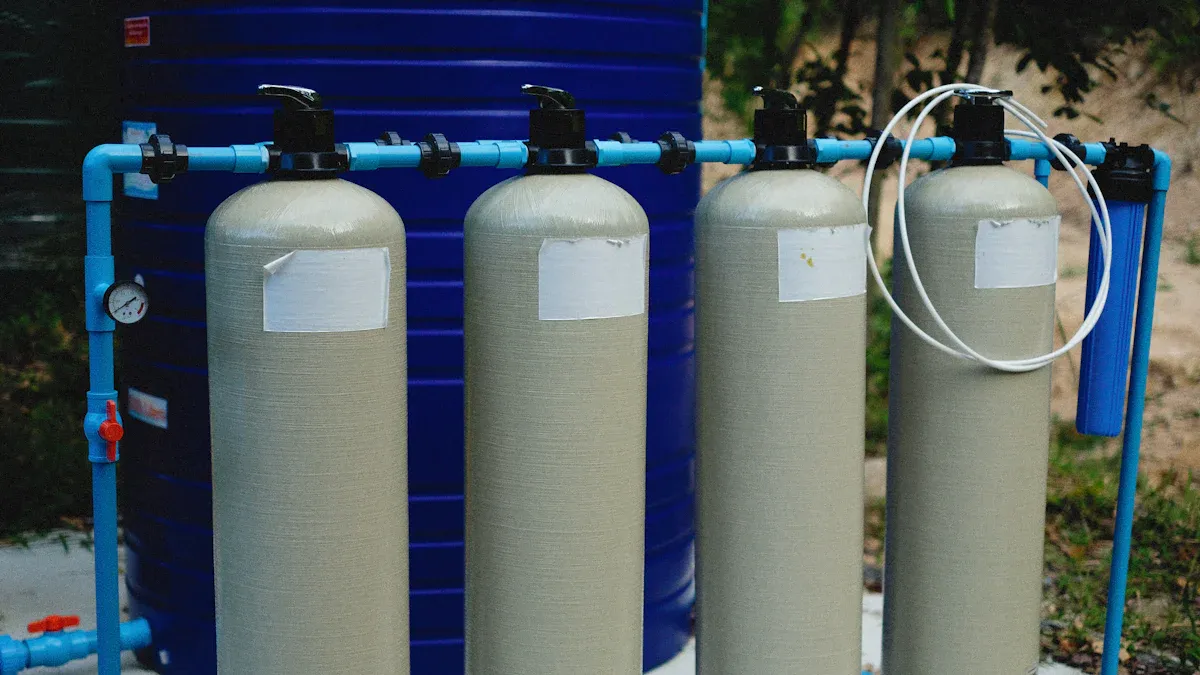
You can use activated carbon at home to clean water. Many home filters have granular activated carbon or carbon block designs. These filters catch bad stuff and make water taste better. They also take away bad smells. The table below shows how each filter works:
Type of Filter | Description |
|---|---|
Loose granules, large surface area, easy fluid flow. | |
Carbon Block | Compressed powdered carbon, high adsorption efficiency for small particles. |
Activated carbon grabs chlorine, VOCs, heavy metals, and bad smells. You get better water for drinking and cooking. These filters make water cleaning simple. You can trust activated carbon to take out many bad things from tap water.
Wastewater and Industrial Use
Factories and plants use activated carbon to clean dirty water. It traps pollutants like VOCs, medicines, heavy metals, and dyes. This helps lower harmful stuff and follow rules. In wastewater treatment, activated carbon makes water good enough to use again. It also catches dangerous chemicals in groundwater. You can use activated carbon before reverse osmosis systems. It removes up to 91.3% of dissolved organic carbon in RO brine. For big jobs, you need to refresh the activated carbon. You still get high-quality and safer water.
Tip: Use activated carbon before reverse osmosis. This makes water cleaning better and helps your system last longer.
Benefits and Limitations
Efficiency and Safety
Activated carbon is good for cleaning water fast. It takes out organic compounds, chlorine, and many small pollutants. Your water tastes and smells better after using it. Activated carbon also helps lower bad by-products from disinfectants. This makes your water safer to drink. You can use it at home, in cities, or for cleaning wastewater. Some activated carbon comes from things that grow back, which is better for the planet.
Advantage | Description |
|---|---|
Activated carbon adsorbs organic compounds, chlorine, and other contaminants, improving water quality. | |
Improving Taste and Odor | It removes unpleasant tastes and odors, making drinking water more palatable. |
Removal of Microorganisms | It can reduce bacteria and viruses through adsorption, but is not the main method for this. |
Versatility | You can use it in household filters or large treatment plants. |
Environmental Benefits | Renewable resources and reactivation reduce waste. |
Tip: Activated carbon can help take out harmful things like pesticides and medicines from your water.
Maintenance and Replacement
You must take care of your activated carbon filter to keep it working well. Over time, the filter fills up and does not work as well. If your water tastes or smells different, the flow slows down, or you see black bits, it is time to change the filter. More dissolved solids in your water is another sign. Cleaning and changing the filter stops the holes from getting blocked and keeps germs from growing. For home systems with granular activated carbon, change it every 3 to 6 months. Big systems may need new carbon every 2 to 4 years. Always check your filter and test your water.
Source | Recommended Interval |
|---|---|
Home Water | Every 3-6 months |
Softener Parts | Average 5 years |
Complete Water | Based on testing |
Chlorine Removal | Every 2-4 years |
Note: If you do not change the filter, old pollutants can go back into your water.
What It Cannot Remove
Activated carbon cannot clean out everything. It does not take out iron or nitrate from water. It also cannot catch some tiny particles or germs. Some small pollutants might get through if they do not stick to the carbon. You may need other ways to clean your water for full safety.
Activated carbon does not block all contaminants.
Iron and nitrate stay in the water.
Other methods are needed to remove all germs.
Tip: Use activated carbon with other systems to make sure your water is clean from all types of contaminants.
You can use activated carbon to make water clean. People in poorer areas use it to take out chemicals and make water safer. It is useful, lasts a long time, and new types like coconut-shell carbon work well. Smart filters are also helping more people get clean water.
Activated carbon can fix water problems at home or in big plants.
Check your water before picking a filter.
Choose the right kind of carbon for your water.
Change the filter often to keep it working.
You can find good information from groups like the U.S. Environmental Protection Agency and the Water Quality Association.