
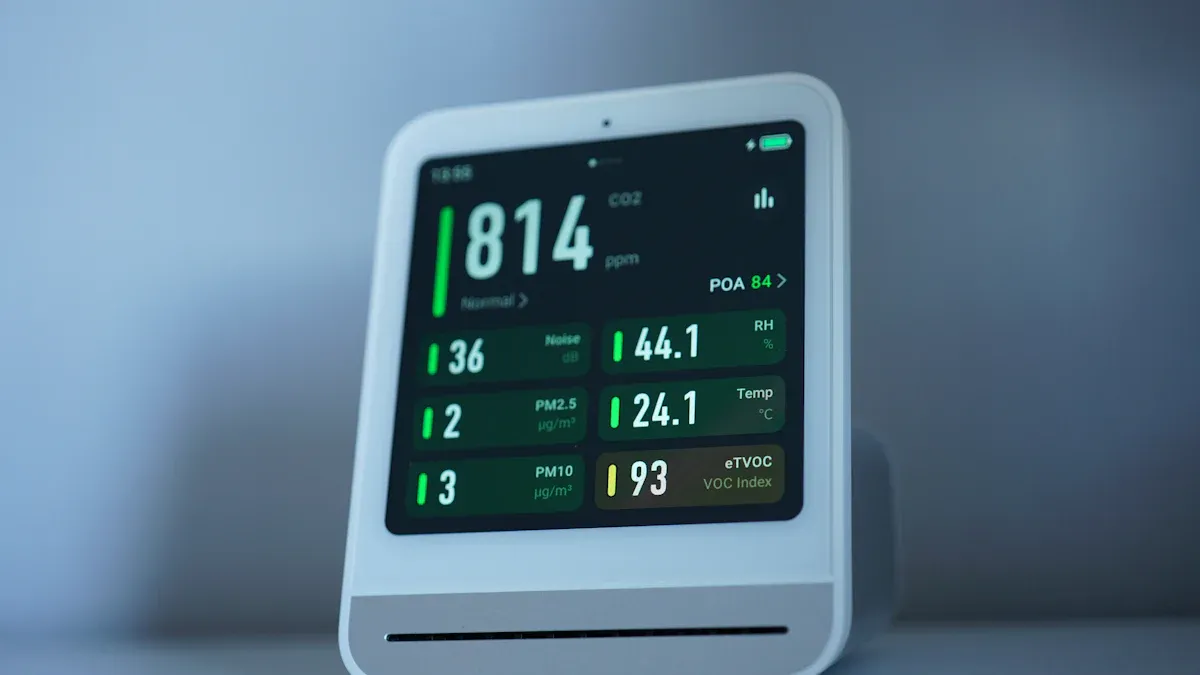
You can trust Air purifying Activated Carbon filters to help clean your indoor air. This filter uses adsorption. Harmful things stick to the carbon’s surface. Absorption is different. It pulls pollutants inside a material. Adsorption keeps them on the outside. This helps clean the air better.
Process | Mechanism | Efficiency |
|---|---|---|
Adsorption | Contaminants stick to the carbon surface | Works better for air cleaning |
Absorption | Contaminants go inside the structure | Best for collecting liquids |
When you use these Air purifying Activated Carbon filters at home, you smell less odor. The air feels fresher. They can remove a lot of indoor pollution:
Lower PM2.5 by about 84% if used all the time
Remove 77% of outdoor PM2.5 with regular use
Cut vehicle NO2 levels by up to 87%
You get a healthier and more comfortable home.
Key Takeaways
Activated carbon filters use adsorption to catch pollutants on their surface. This makes them good for cleaning indoor air.
Using activated carbon filters often can lower harmful particles like PM2.5 and NO2. This helps make your home healthier.
Pick filters with a high iodine number for better air cleaning. More pores let more pollutants get trapped.
Activated carbon filters are great at removing smells and VOCs. This makes your indoor air smell fresher.
For the best air quality, use both HEPA and activated carbon filters. This helps catch both particles and gases.
Check and change your activated carbon filter often. Do this based on how much you use it and your air quality. This keeps it working well.
Activated carbon filters do not catch big particles like dust or pet dander. You need a HEPA filter for those.
Always check the quality and details of activated carbon filters. This helps you get the best performance for your air cleaning needs.
Air Purifying Activated Carbon
Activated Carbon Basics
You may ask why air purifying activated carbon is so good at cleaning air. It starts as normal carbon. Then, it goes through a special process to make it work better. You can find it in many air filters because it has special features:
Porous structure: Air purifying activated carbon has lots of tiny holes. These holes give it a very big surface area, even if you use just a little bit.
High adsorptive capacity: The big surface area helps it catch many kinds of pollution, like gases and smells.
Multiple adsorption mechanisms: Air purifying activated carbon uses both physical and chemical adsorption to take out bad things from the air.
These things make air purifying activated carbon a great pick for cleaning air in homes and offices.
Activation Process
Materials Used
People use things like coconut shells, wood, or coal to make air purifying activated carbon. These things give the carbon needed for the special process.
Creating Pores
The special process turns normal carbon into air purifying activated carbon by heating it to very high temperatures. This makes lots of tiny holes. These holes make the surface area bigger and help more pollution stick to the carbon. Scientists found that this process helps adsorption by making strong forces in the small holes. The bigger holes help air and pollution move through the filter faster. You can check how good air purifying activated carbon is by its iodine number, which tells how many small holes it has.
Tip: If your air purifying activated carbon has more holes, it can clean your air better.
Why Activated Carbon Works
Air purifying activated carbon takes out pollution in two main ways. You can see how these work in the table below:
Mechanism | Description |
|---|---|
Physical Adsorption | Pollution sticks to the carbon surface because of weak forces called van der Waals forces. |
Chemical Adsorption | Some pollution, like acid gases, make chemical bonds with the carbon. |
The size of the holes is important too. Air purifying activated carbon with more small holes works best for tiny things, while bigger holes catch larger stuff. This mix helps your filter grab many types of indoor air pollution.
Activated Carbon Filter Mechanism
Adsorption Explained
Surface Interaction
When you use an activated carbon filter, it uses a special process called adsorption. This happens right on the surface of the carbon. Pollutants in the air, like gases and smells, stick to the outside of the carbon. Scientists learned that chemicals in the air, like CO2, NH3, and NO2, can change how well the carbon works. For example, NH3 can make new compounds on the carbon’s surface. This helps trap some gases but can make it harder to catch others. NO2 can make the carbon hold more water and change how long it can filter some chemicals. All these changes happen on the surface. This shows why surface interaction is so important for an activated carbon filter.
Adsorption vs. Absorption
You might wonder how adsorption is not the same as absorption. The table below shows the main differences:
Aspect | Adsorption | Absorption |
|---|---|---|
Process | Surface interaction | Bulk uptake |
Capacity | Depends on surface area and pore volume | Depends on total material volume |
Speed | Can be very rapid | Often limited by liquid penetration |
Reusability | Many adsorbents can be regenerated | Typically single-use |
Applications | Central in purification and remediation | Dominates spill cleanup and liquid containment |
Adsorption happens on the surface. Absorption pulls things inside the material. An activated carbon filter uses adsorption to trap pollution on its surface. This makes it very good at cleaning air.
Filter Structure
Granular vs. Powdered Carbon
There are two main types of activated carbon filter: granular and powdered. Each type works in its own way. The table below compares them:
Feature | Granular Activated Carbon (GAC) | Powdered Activated Carbon (PAC) |
|---|---|---|
Size | Larger chunks, suitable for long-term use | Smaller particles, ideal for quick filtration |
Efficiency | Better for continuous operations, can be reused | Fast absorption, but requires frequent replacement |
Applications | City water treatment, air filters, industrial processes | Emergency decolorization, chemical spill cleanup |
Cost-effectiveness | Economical for large-scale operations | Higher long-term costs due to regular top-ups |
Performance over time | Lasts longer, can handle various contaminants | Quick results, versatile for different contamination types |
Granular activated carbon filter lasts longer and works well for steady air cleaning. Powdered carbon works fast but needs to be changed more often.
Airflow Design
How air moves through an activated carbon filter is very important. Good filters let air move evenly through the carbon. This helps the filter catch pollution from all the air that goes through. The carbon has lots of tiny holes, which gives it a big surface area. This means there are more places for pollution to stick. Filters made from things like coconut shells or coal get treated to make their pores better for trapping pollution.
Tip: When you choose an activated carbon filter, pick one with a smart airflow design. This helps you get the best air cleaning.
Step-by-Step Filtration
Here is how an activated carbon filter cleans your air:
Air goes into the filter and moves through the carbon.
Pollution in the air touches the carbon’s surface.
The carbon’s pores trap gases, smells, and chemicals by adsorption.
Clean air comes out the other side, leaving pollution stuck to the carbon.
Over time, the filter fills up and needs to be replaced to keep working well.
You can see that the activated carbon filter uses its special surface and structure to catch pollution. This makes it a strong tool for keeping your indoor air fresh and healthy.
Contaminants Removed
Odors and VOCs
Household Odors
You might smell things from cooking, pets, or cleaning. Activated carbon filters can trap the molecules that make these smells. This helps your home smell fresher. Many people notice fewer bad smells after using an air purifier with activated carbon.
Triangle air cleaners can lower VOCs by 60% to 80%.
Square air cleaners show a VOC drop from 30% to 70%.
These numbers show that activated carbon filters are good at removing things that cause bad smells.
Volatile Organic Compounds
Volatile Organic Compounds, or VOCs, come from things like paint, new furniture, and sprays. You cannot see them, but they can be bad for your health. Activated carbon filters catch VOCs on their surface. This makes your indoor air safer. Tests in labs show that granular activated carbon filters remove many VOCs from everyday items.
VOCs are found in most homes. Activated carbon filters help lower VOCs, so your air is cleaner and healthier.
Gases and Chemical Pollutants
Smoke
Smoke from tobacco or cooking has thousands of chemicals. Some chemicals, like formaldehyde and benzene, are not safe. Activated carbon filters trap many of these chemicals before you breathe them. The table below shows where some common pollutants come from:
Pollutant Type | Source of Emission |
|---|---|
Volatile Organic Compounds (VOCs) | Everyday products like paints, solvents, new furniture |
Tobacco Smoke | Over 7,000 chemicals, including formaldehyde, benzene |
Odors | Fragrances, sanitizing sprays, and other sources |
Harmful Gases
You might worry about gases like ammonia or nitrogen dioxide in your house. Activated carbon filters can catch these harmful gases. They also remove other dangerous things, like PFAS, lead, and arsenic, which can be in indoor air.
Granular activated carbon filters remove:
PFAS (per- and polyfluoroalkyl substances)
Volatile Organic Compounds (VOCs)
Lead
Arsenic
Particles Captured
Dust
Dust floats in the air and lands on things. Most dust is too big for the tiny holes in activated carbon filters. These filters do not catch dust very well.
Pet Dander
Pet dander comes from animals like cats and dogs. These pieces are often too big for activated carbon filters to trap. You need a HEPA filter to get pet dander out of the air.
Mold and Mildew
Mold and mildew spores can make allergies worse. Activated carbon filters cannot catch most mold spores because they are too big. HEPA filters work better for these particles.
Note: To remove dust, pet dander, and mold spores, pick an air purifier with a HEPA filter. HEPA filters trap over 99% of particles as small as 0.3 microns.
What Activated Carbon Does Not Remove
Activated carbon filters are good at removing smells and gases. But they cannot clean everything from your air. Some things can still get through these filters. If you want the cleanest air, you should know what activated carbon cannot take out. You can also learn what to use instead.
Particulates (e.g., pollen)
Activated carbon filters do not catch most particulates. Particulates are tiny pieces of solid or liquid that float in the air. You can find them in dust, pollen, pet dander, and mold spores. These particles are usually too big for the small holes in activated carbon. The filter is best for gases and chemicals, not for solid pieces.
If you have allergies, you might still feel bad from pollen even with an activated carbon filter. You need a different filter to catch these particles. HEPA filters are the best for particulates. They can trap over 99% of particles as small as 0.3 microns. This means they catch pollen, dust, and even some bacteria.
Tip: To remove pollen and dust, pick an air purifier with both a HEPA filter and an activated carbon filter. This way, you get the best cleaning for your air.
Microorganisms
Activated carbon filters cannot catch most microorganisms. Microorganisms are things like bacteria, viruses, and some kinds of mold. These tiny living things can make you sick. The holes in activated carbon are not small enough to trap them. Some bacteria and viruses are much smaller than the holes in the filter.
You need special technology to get rid of microorganisms. Here is a table that shows what activated carbon cannot remove and what works better:
Contaminants Not Removed | Alternative Filtration Methods |
|---|---|
Dissolved solids | |
Bacteria | UV (Ultraviolet) purification |
Viruses | Ion Exchange |
You can use these methods to clean what activated carbon misses:
Reverse Osmosis (RO): This method takes out dissolved solids, minerals, and many microorganisms from water and air.
UV Purification: UV light kills bacteria and viruses. It does not remove chemicals or heavy metals.
Ion Exchange: This process softens water and can remove some contaminants, but it does not catch everything.
If you want to keep your family safe from germs, choose an air purifier with UV-C light or a HEPA filter. These work better for bacteria and viruses.
Note: Activated carbon filters are great for smells and gases, but you need other filters for particles and germs. Always check what your air purifier can do before you buy.
Air Purifiers with Activated Carbon Filters
Combination Filters
Lots of air purifiers use more than one filter. The most common kind has both a HEPA filter and an activated carbon filter. Each filter catches different things in the air. Using both filters together gives you cleaner air.
HEPA and Carbon
A HEPA filter grabs tiny things like dust, pollen, and pet dander. An activated carbon filter catches gases, smells, and chemicals. When you use both filters, you remove both solid and gas pollution. This is great for homes with allergies, pets, or strong odors.
Filter Type | Function |
|---|---|
Activated Carbon | Adsorbs gaseous pollutants, including hydrocarbons and VOCs, improving air quality. |
HEPA Filter | Captures particulate matter, including allergens and dust, ensuring cleaner air. |
You get many benefits from this combo:
You breathe in less indoor air pollution.
You lower health risks from dust and chemicals.
You save money because you stay healthier.
You see less indoor ozone, which can come from outside.
Using both filters cleans the whole room. You can get rid of things in the air and on surfaces. This helps with mold, pet smells, and VOCs. Your air feels fresher and safer.
Targeted Use Cases
Air purifiers with activated carbon filters work in many places. You can use them at home, in offices, or in public spaces. They help keep the air clean for everyone.
Odor Control
You might smell food, pets, or smoke in your home. Air purifiers with activated carbon filters trap the molecules that cause these smells. The carbon holds onto the odor, so it does not come back. Your home smells clean, even after cooking or having pets.
Removes food smells from kitchens.
Cuts down pet odors, even if you clean often.
Gets rid of smoke from fireplaces or cigarettes.
Takes away chemical smells from cleaners or paint.
Activated carbon filters work well because they trap the things that make bad smells. You get a fresher home or office.
Chemical Removal
You may worry about chemicals in your air, like VOCs from paint or cleaners. Air purifiers with activated carbon filters catch and stop these chemicals. This makes your air safer to breathe. In labs or workshops, these purifiers help keep workers safe.
Filter Type | Effectiveness in Removing Particulate Matter | Effectiveness in Removing Gaseous Pollutants | Notes |
|---|---|---|---|
Combination Filters | High | Moderate to High | Provide comprehensive air quality improvement but vary in effectiveness based on design. |
Standalone Filters | Moderate to High | Low to Moderate | Typically focus on either particulate or gaseous pollutants, not both. |
Pick air purifiers with activated carbon filters if you want to control both smells and chemicals. These purifiers give you better air in kitchens, bedrooms, offices, and labs. Change the filters often to keep your purifier working well and stop pollution from coming back.
Tip: Choose air purifiers with both activated carbon filters and HEPA for the best results if you have allergies, pets, or worry about chemicals.
Choosing Activated Carbon Filters
Filter Size and Capacity
You need to pick the right size and strength for your activated carbon filter. This choice changes how well your filter can clean the air. There are a few things to think about:
Room size: Big rooms need bigger filters.
Air exchange rate: The filter should clean all the air every 3 to 5 minutes.
Fan size: Make sure your filter fits the fan in your air purifier.
Odor strength: Strong smells from pets, cooking, or plants need more carbon in the filter.
Room conditions: High heat or humidity can change how well the filter works.
Tip: If you have a grow room or a place with strong smells, pick a filter with more power. This helps keep your air fresh.
Matching Room Size
It is important to match your filter to your room size. Every room needs different cleaning. If your filter is too small, it cannot clean all the air. Rooms with high ceilings need stronger filters. Pollutants can build up at different heights in the room. You should add 15-20% more power for rooms with high ceilings. When your filter matches your room, you get better air flow and cleaner air.
Note: Always check the filter’s room size before you buy. This helps you get good air quality.
Standalone vs. Combo Filters
You can pick between standalone activated carbon filters and combo filters. Each type has good and bad points. The table below shows how they are different:
Feature | Standalone Activated Carbon Filters | Combination Filters |
|---|---|---|
Great for strong smells, smoke, and VOCs | Okay, depends on the carbon part | |
Particulate Matter Filtering | Not good, does not catch dust or pollen | Good, catches small dust and pollen |
Noise Level | Usually quieter | Can be louder because of the motor |
Optimal Use | Best for strong smells | Best for cleaning all types of air |
Standalone filters are best if you want to get rid of strong smells or chemicals. Combo filters clean both smells and things like dust and pollen. Combo filters may use more power and make more noise. Pick a filter based on what you need most for your air.
Tip: If you have allergies or want to get rid of dust, pick a combo filter. If you only want to remove smells, a standalone activated carbon filter is a good choice.
Maintenance Tips
Taking care of your activated carbon filter is important. It helps you get clean air at home. You need to know when to change your filter. You should learn how to spot signs that it is worn out. You also need to throw it away safely. These steps help your air purifier work well. They keep your indoor air clean.
Replacement Frequency
You should change your activated carbon filter often. The right time depends on the brand and how much you use it. It also depends on the air quality in your home. Most brands tell you when to change your filter. The table below shows how often to change your filter:
Source | Recommended Replacement Frequency |
|---|---|
Pristine Water Softeners | Every 3 to 6 months |
Dubaopump | At least every 6 months |
Arizona Plumbing Guide | Every 6 months to 1 year |
Pentair | 2 to 6 months for point-of-use filters; 3 to 12 months for whole-house filters |
Abhirowater | 6 to 12 months for typical home filters; 18 to 24 months for continuous systems |
Breathe Naturally | Every 2 to 3 months for air filters |
CustomFiltersDirect | About 3 months for residential HVAC filters; 30 to 60 days in high-load environments |
Tip: If you have pets or cook a lot, change your filter more often. If you live in a city, you may need to change it sooner. Always check your air purifier’s manual for the best advice.
Signs of Wear
Sometimes, you need to change your filter before the usual time. Look for these signs to know if your filter is not working well:
Bad smells stay in the air even with the purifier on.
The filter feels heavier, which means it is full.
You see black spots in the air or on things near the purifier.
The filter’s surface looks damaged or worn.
If you see any of these signs, get a new filter. Using an old filter makes your air purifier work less well. It can even spread pollution back into your room.
Note: Always wear gloves when you check or change your filter. This keeps you safe from touching trapped pollution.
Safe Disposal
You should throw away used activated carbon filters in a safe way. Most filters can go to a landfill or incinerator. Some places have special reactivation centers. If your filter has dangerous chemicals, send it to a place that handles hazardous waste.
Take regular used filters to a landfill or incinerator.
Use a reactivation center if you have one nearby.
For filters with dangerous stuff, use a RCRA-approved disposal site.
♻️ Tip: Ask your local waste service how to throw away your filter. Some places have recycling or special drop-off spots for used filters.
If you follow these tips, your air purifier lasts longer. You keep your indoor air fresh and healthy.
Common Misconceptions
Overestimating Capabilities
Many people believe things about activated carbon filters that are not true. You might hear these myths from friends or see them online. Here are some of the most common misconceptions:
Some people think activated carbon filters are harmful to your health. In reality, these filters are safe for home use. They help improve the air you breathe.
Others believe carbon filters last forever. This is not true. You need to replace them when they get full. Most filters last between 6 and 24 months, depending on the type.
You may also hear that carbon filters are only for factories or big buildings. This is a myth. You can use them in your home, office, or even in your car.
Tip: Always check the facts before you buy or use an air filter. Knowing the truth helps you make better choices for your health.
Filter Lifespan
You might wonder how long your activated carbon filter will last. Most filters work well for 6 to 8 months. Some high-quality filters can last up to 12 or even 24 months. The lifespan depends on the amount and quality of carbon inside the filter. The type of air filter also matters.
The air in your home affects how long your filter lasts. If you have a lot of dust, smoke, or strong smells, your filter will fill up faster. Humidity and how often you use your air purifier also play a role. If you run your purifier all day, you will need to change the filter more often. Some filters last only 3 to 6 months if the air is very dirty.
You should check your filter often. If you notice bad smells or weak airflow, it is time to replace it. Keeping your filter fresh helps your air stay clean.
Quality Differences
Not all activated carbon filters work the same way. The quality can change from one brand to another. Some filters use better carbon or have more of it inside. Others have special designs that help them trap more pollution.
Standard | Focus Area | Performance Assessment |
|---|---|---|
NSF/ANSI 42 | Aesthetic Effects | Claims of better taste or smell in water or air |
NSF/ANSI 53 | Health Effects | Removes harmful contaminants that affect your health |
Chemical Reduction | Reduces specific contaminants | Measured by how much pollution the filter can hold |
Mechanical Filtration | Removes solid particles | Depends on pore size and how well the filter is sealed |
You should look for filters that meet trusted standards. Good filters have strong adsorption capacity and a steady flow rate. The chemical properties of the air, the amount of pollution, and how fast air moves through the filter all affect how well it works.
The type of contaminants in your air matters.
The highest amount of pollution the filter can handle is important.
The speed of air moving through the filter changes how much it can clean.
How long you use the filter before changing it also affects performance.
Note: When you choose a filter, check the label for quality marks. A better filter gives you cleaner air and lasts longer.
Activated carbon filters make your home healthier. They have lots of tiny holes that trap bad smells and gases. You can count on these filters to take out VOCs and make the air better in many rooms. Some filters can even stop chemicals like formaldehyde.
Activated carbon grabs many pollutants from the air.
Its big surface area helps catch smells and gases.
Impregnated carbon is made to trap certain bad things.
Pick the best filter for your needs and change it often. Start now so you can breathe cleaner air inside.