Blood Purification Activated Carbon

Scene Details

Blood purification is a critical medical procedure used to remove toxins, metabolic waste, and drugs from a patient’s bloodstream, primarily in cases of poisoning, liver failure, or during renal replacement therapy. Activated carbon plays a specialized and vital role in this life-saving field as a highly efficient adsorbent medium. This page details how medical-grade activated carbon is engineered into hemoperfusion cartridges and integrated into advanced dialysis systems. We will explore its function in direct blood contact applications, its ability to adsorb a broad spectrum of toxins, and its contribution to improved patient outcomes in critical care and nephrology.

Role of Activated Carbon

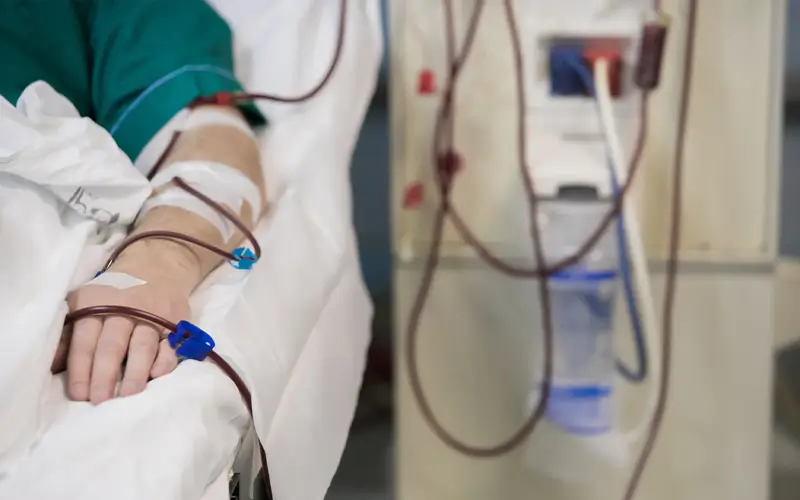
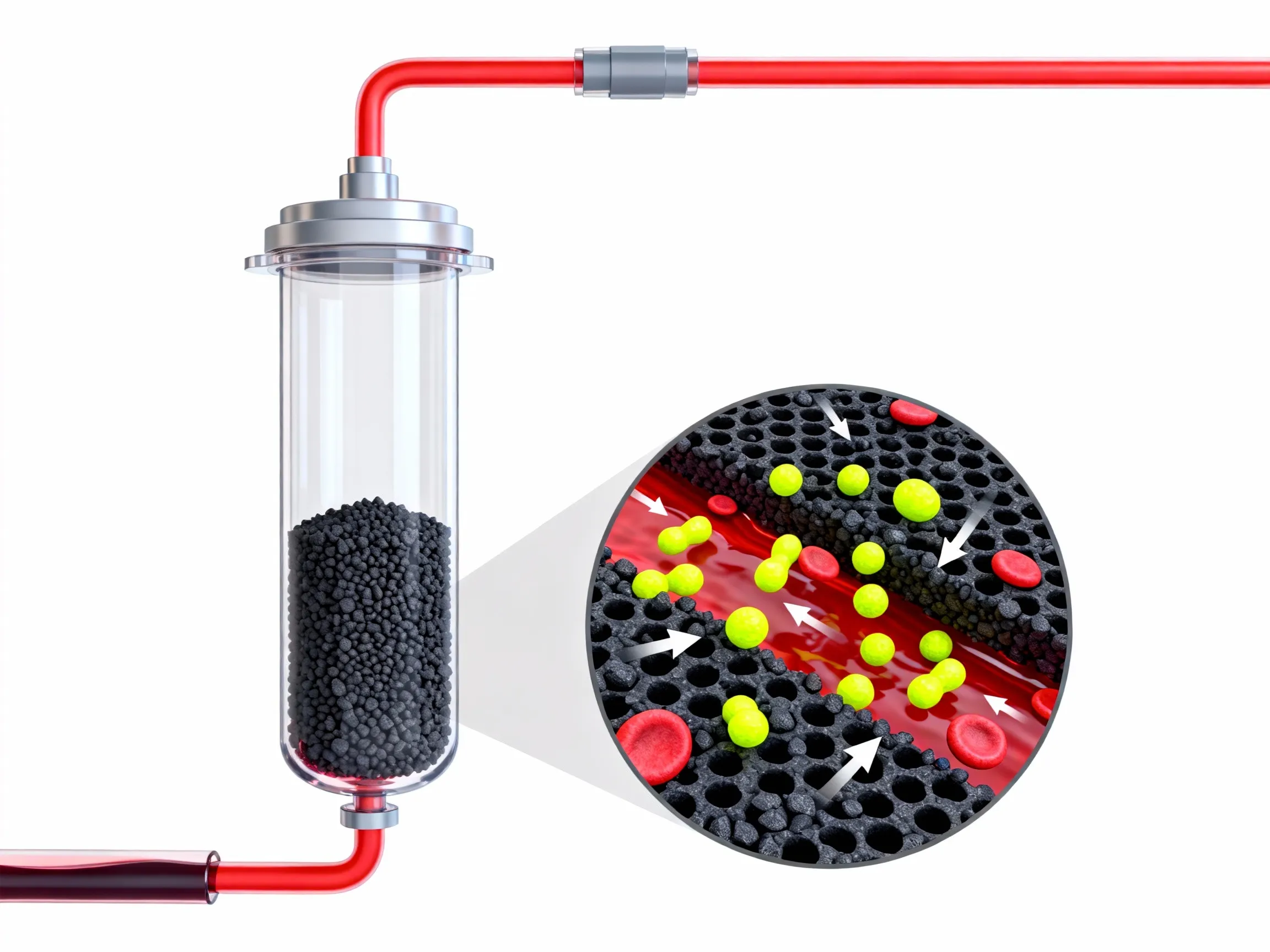
In blood purification, activated carbon acts as a direct hemoadsorbent. When blood is circulated outside the body through a cartridge containing porous activated carbon particles, toxins, drugs, and inflammatory mediators are adsorbed onto the immense surface area of the carbon. This process, called hemoperfusion, is particularly effective for removing protein-bound and lipid-soluble substances that traditional hemodialysis cannot efficiently eliminate. The carbon’s biocompatible coating prevents platelet activation and blood cell damage, making it a safe and effective tool for rapidly reducing toxic loads in acute poisoning or hepatic failure.

Related Product Categories

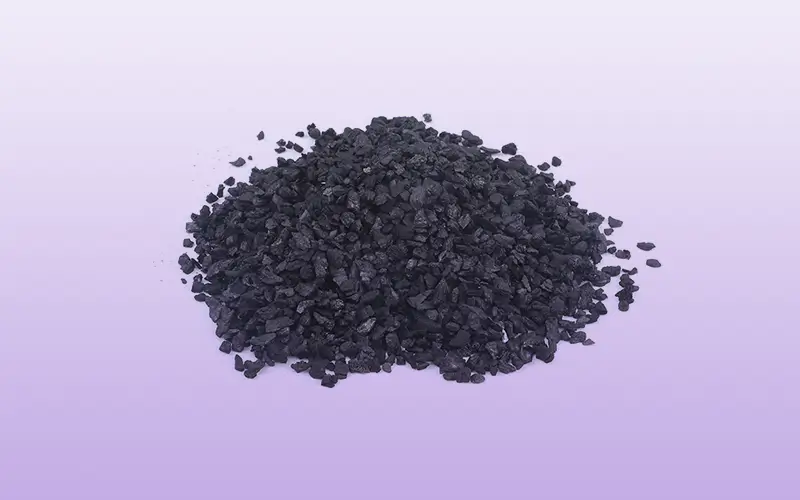
Medical-Grade Granular Activated Carbon

Specially coated for biocompatibility, this is the core adsorbent material packed into sterile, single-use hemoperfusion cartridges.

Coconut Shell Based Activated Carbon

Sourced for high purity and consistent microporous structure, forming an ideal base material for precise medical-grade carbon production.

Biocompatible Polymer-Coated Carbon

Standard carbon granules that undergo a proprietary coating process to prevent thrombogenicity and ensure safety during direct blood contact.
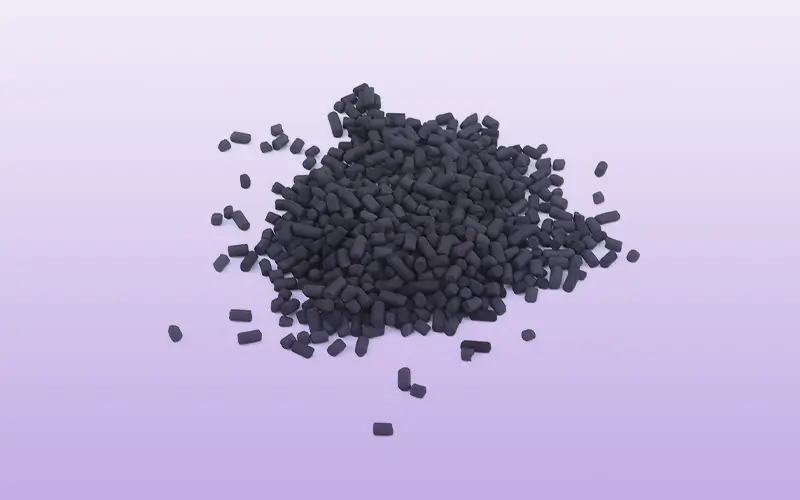
High-Purity Activated Carbon

Produced under strict controls to ensure extremely low levels of leachable impurities, which is non-negotiable for intravascular use.
Specific Solutions

Hemoperfusion for Acute Poisoning & Overdose

In emergency toxicology, extracorporeal hemoperfusion is a first-line treatment for severe poisoning by drugs like barbiturates, theophylline, or mushroom toxins (e.g., amatoxin). The patient’s blood is passed through a cartridge containing coated granular activated carbon. The carbon’s porous structure adsorbs the toxic molecules directly from the blood plasma, rapidly lowering their concentration and mitigating systemic damage. This method can be more effective than hemodialysis alone for certain lipophilic or protein-bound toxins, providing a critical intervention to support the liver and kidneys while the body metabolizes and eliminates the poison.

Integrated Dialysis Systems (Hemodiafiltration with Adsorption)

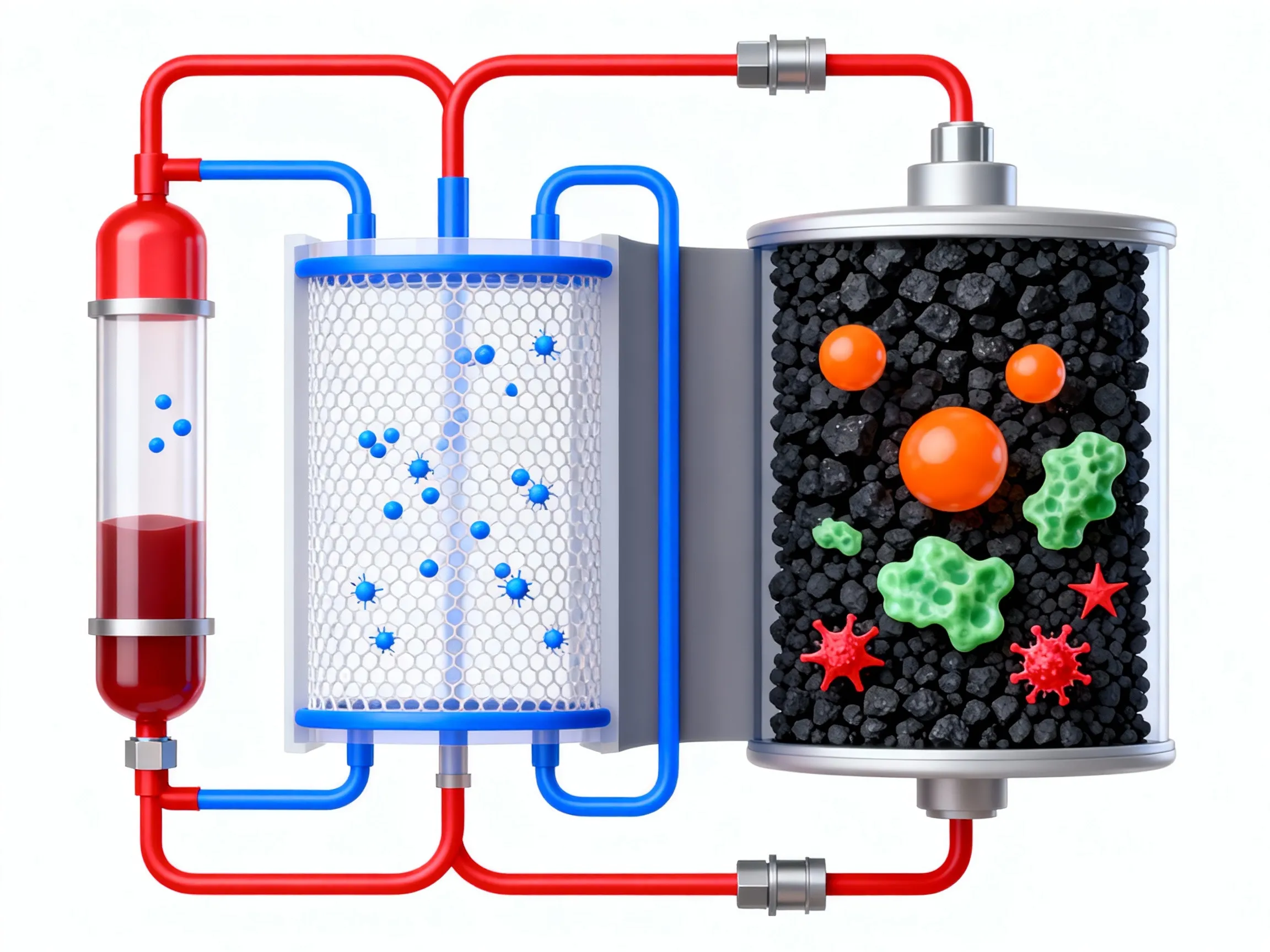
Modern renal replacement therapy often combines hemodialysis or hemofiltration with an adsorption component. Here, a hemoperfusion cartridge containing activated carbon is placed in series with the dialyzer. While the dialyzer removes small, water-soluble uremic toxins, the carbon cartridge adsorbs larger middle molecules, protein-bound toxins (like p-cresol and indoxyl sulfate), and inflammatory cytokines. This combined approach, known as coupled plasma filtration adsorption (CPFA) or similar, offers a more comprehensive purification profile, potentially improving outcomes for patients with sepsis-associated acute kidney injury or chronic inflammation on dialysis.

Liver Support Systems & Bioreactors

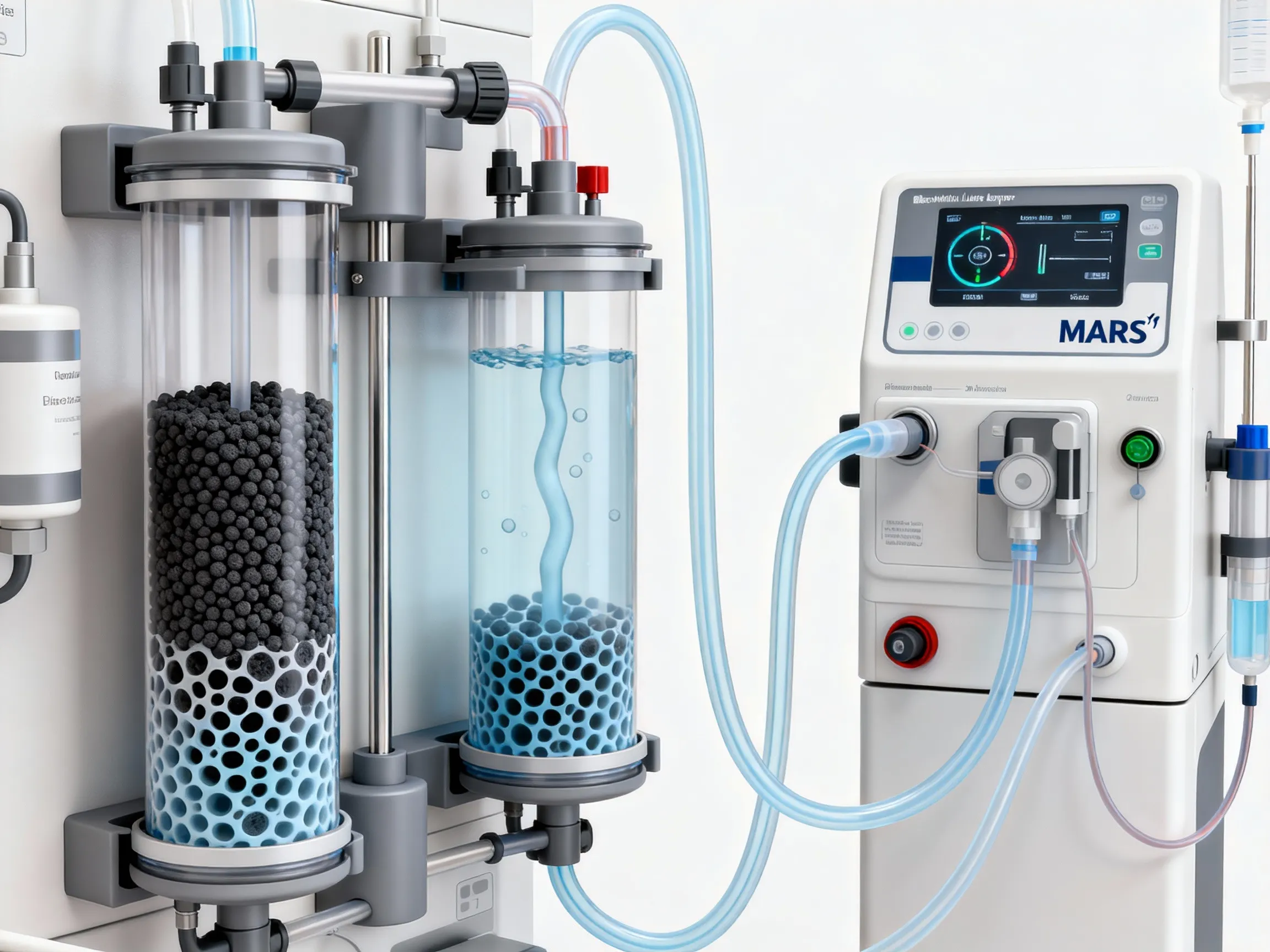
In treating acute liver failure, bioartificial liver support systems and some albumin dialysis machines (like MARS™) utilize activated carbon as a key detoxifying element. These systems separate the patient’s plasma, which is then circulated through adsorbent columns. Activated carbon in these columns works to remove albumin-bound toxins such as bilirubin, bile acids, and aromatic amino acids that accumulate when the liver fails. By temporarily clearing these substances, the carbon adsorber helps stabilize the patient, reduce neurological symptoms (hepatic encephalopathy), and buy time for liver regeneration or transplantation.

Why Choose Us

Proven Biocompatibility & Safety

Our medical-grade carbons feature validated biocompatible coatings and are produced to ISO 10993 standards, ensuring patient safety during hemoperfusion.

Rigorous Regulatory Compliance

We manufacture in cGMP-certified facilities, providing full traceability and documentation to support your device regulatory submissions (FDA, CE).

Collaborative R&D for Medical Devices

We partner with device manufacturers from concept through validation, tailoring carbon properties for specific therapeutic targets.

Uncompromising Quality & Sterility Assurance

Every batch undergoes stringent testing for adsorbency, particle size, and sterility to meet the critical demands of blood-contact applications.

Scroll to Top

Get Inquiry

Name