
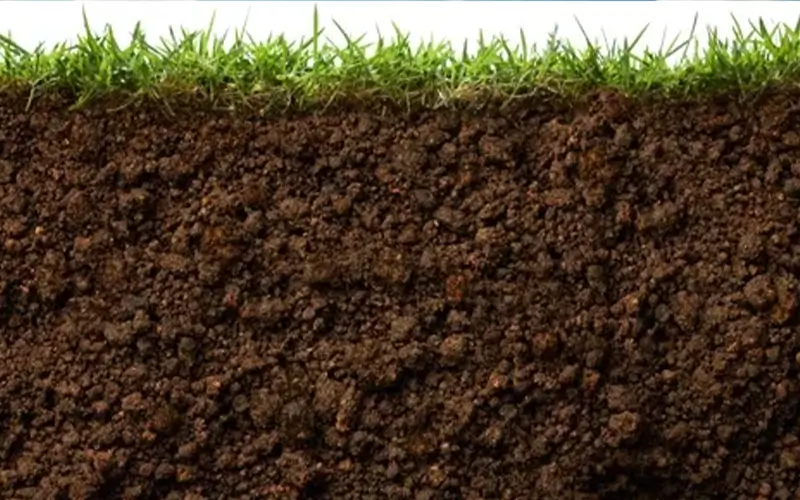
Soil Additive
When mixed into soil, our activated carbon helps adsorb toxins, pesticide residues, and heavy metals. This improves soil health, promotes beneficial microbial activity, and enhances plant growth and crop yield in contaminated or stressed soils.

Aquaculture
Used in filtration systems, our activated carbon effectively removes dissolved organic compounds, medications, and undesirable yellow pigments from water. This maintains optimal water quality, reduces odors, and supports the health of fish and shrimp.
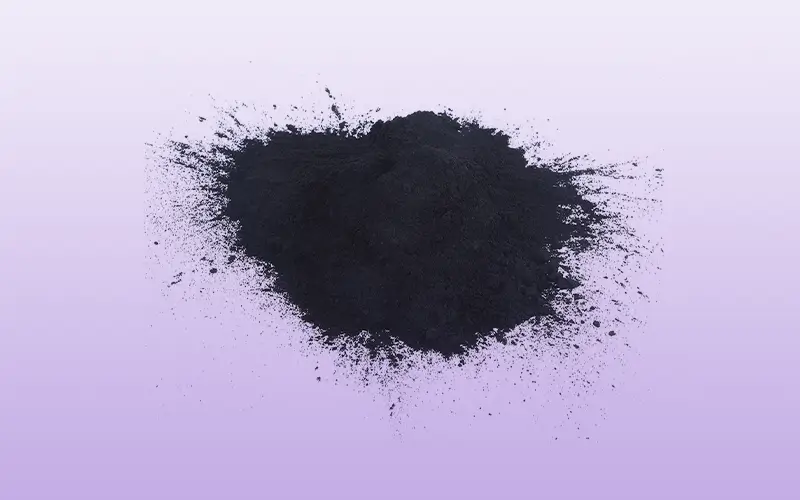
Powdered Activated Carbon
Ideal for direct soil application or as a component in agricultural amendments, offering a large surface area for rapid adsorption of toxins and contaminants in the soil matrix.
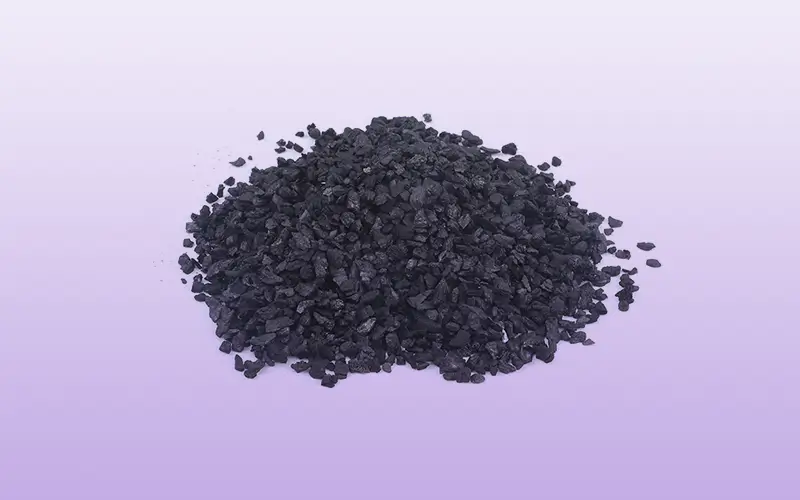
Granular activated carbon
Perfect for use in fixed-bed filters for recirculating aquaculture systems (RAS), providing continuous purification and removal of dissolved organics to maintain clean water.
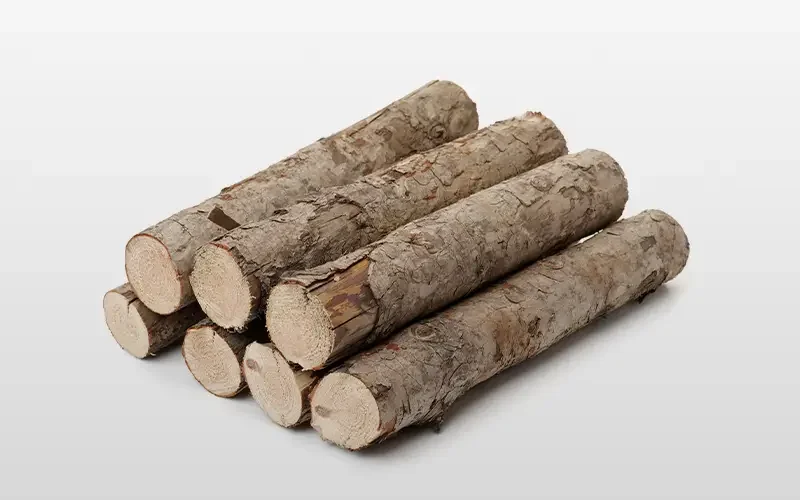
Wood Based Activated Carbon
Known for its natural origin and mesoporous structure, making it a suitable and often preferred choice for organic farming and soil enhancement applications.

Physical Activation Activated Carbon
Produced without chemicals, this clean carbon is ideal for sensitive aquaculture environments where introducing any chemical residues must be avoided.