
Production
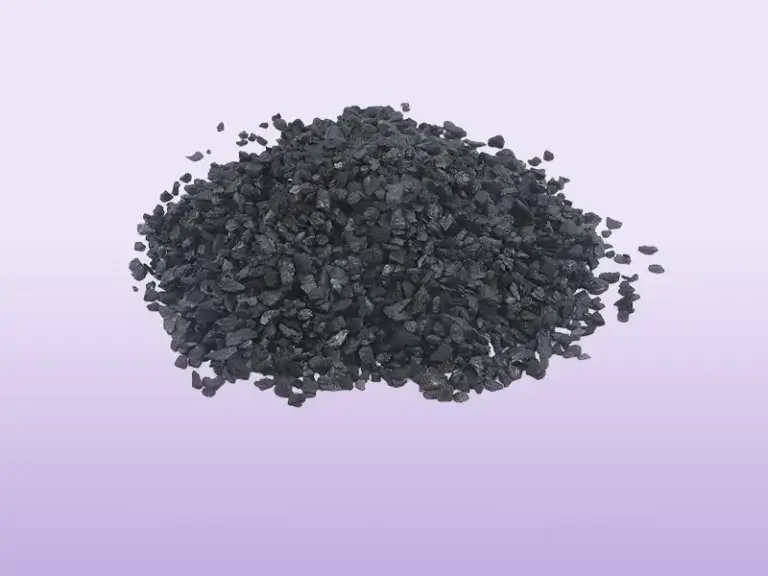
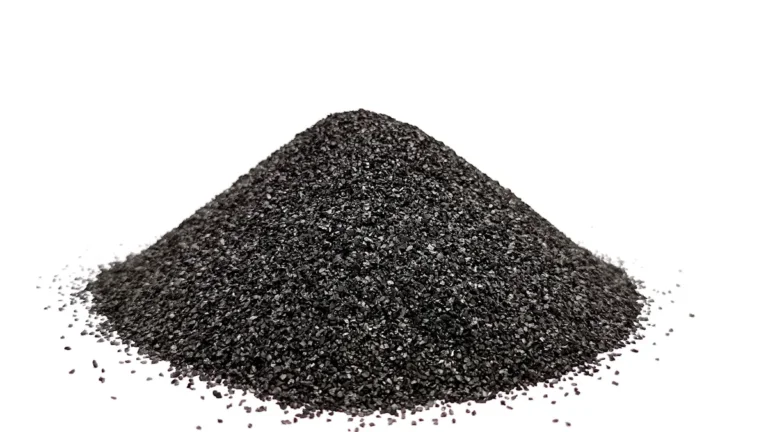
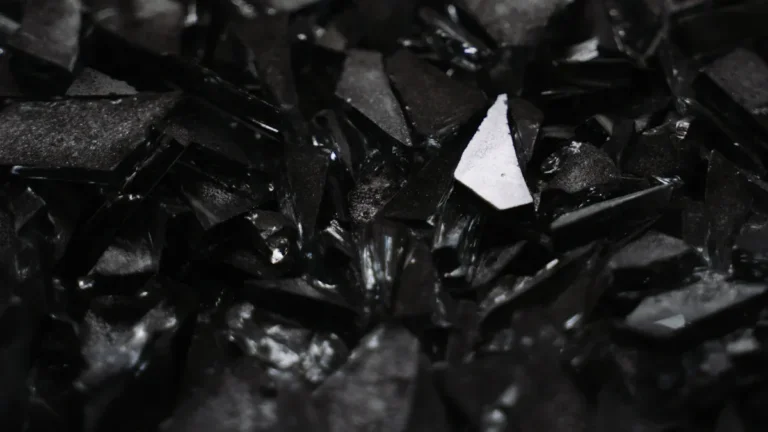
Utilizing state-of-the-art activation technologies coupled with strict quality control, our GAC is consistently produced with high levels of purity, and world-class adsorption properties.

Sales
With a globally united and supported supply chain, we are able to meet customer demand with our competitive pricing for prompt and dependable product delivery; and our comprehensive product offerings meet the needs of various industrial segments.

Service
We provide expert technical support, including custom solutions and after-sales support, based on our broad experience in the activated carbon industry to help our customers overcome challenges they face.
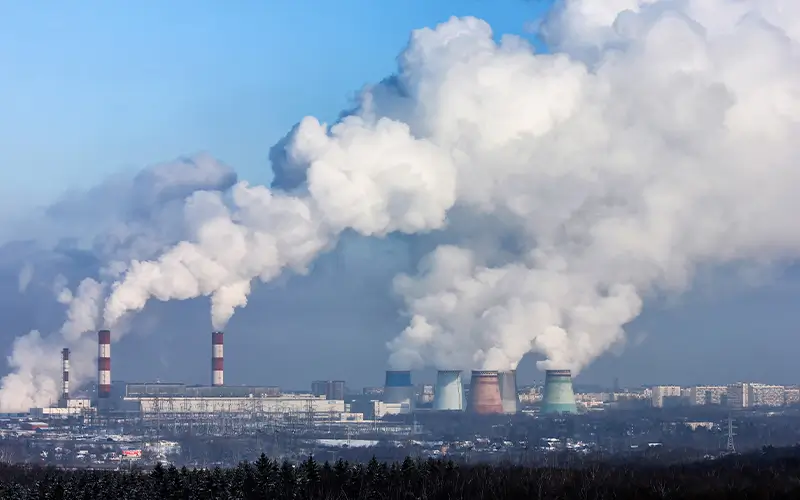
GAC Adsorption of VOCs and Toxic Gases in Industrial Waste Gas Treatment
GAC adsorbs volatile organic compounds and toxic gases (including ammonia) from the exhaust of factories, reducing the impact of these substances on the environment.

GAC Air Purification in Industrial and Residential/Commercial Settings
GAC removes contaminants and odors from aerosolized particles (i.e. airborne particles) present in industrial and residential/commercial locations to provide a better quality of indoor air.
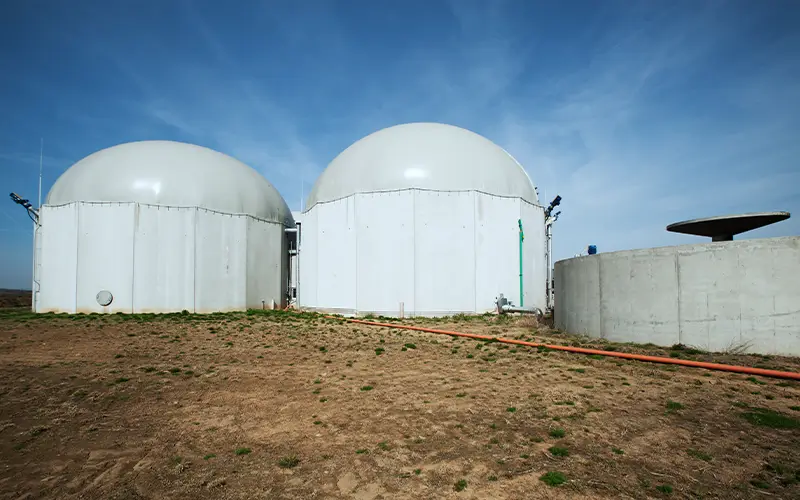
Biogases Removal of Hydrogen Sulfide Using GAC to Produce Raw Biogas
When used in an anaerobic digester to produce biogas (i.e. methane), GAC helps to remove contaminants such as hydrogen sulfide, so that the produced Methane has greater potential for use as a renewable energy source.
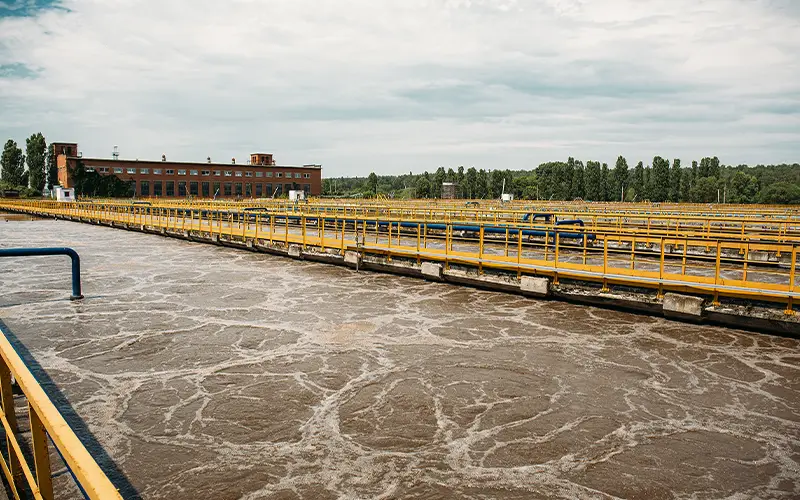
Wastewater Treatment
GAC removes pollutants and chemical constituents from industrial and municipal wastewater to meet reuse and discharge requirements.
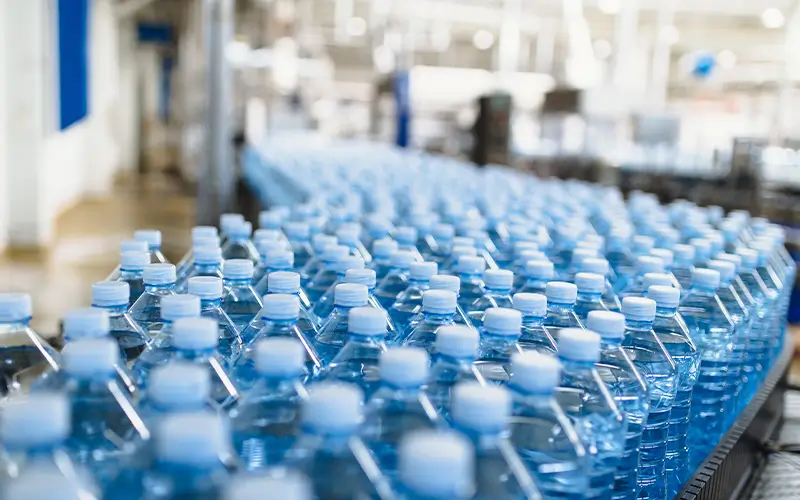
Drinking Water Treatment
GAC eliminates chlorine, taste, and odor compounds, to provide you with clean and safe drinking water.

Desalination
GAC pre-treats seawater to remove organic fouling and protect membranes, thus maximizing desalination efficiency.
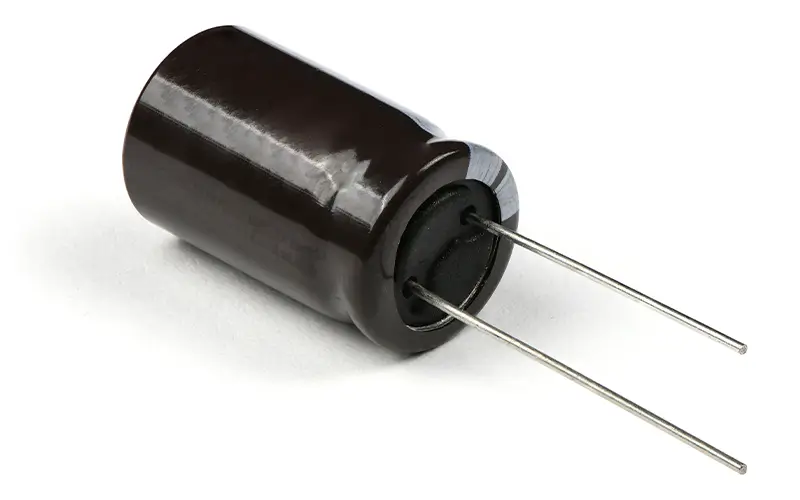
Super Capacitor
GAC provides a large enough surface area for energy storage due to its rapid discharge capabilities and extended life span.
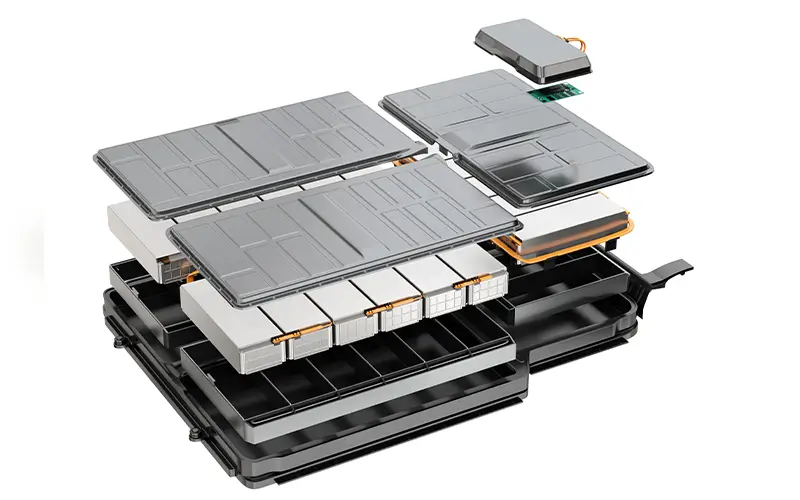
Lithium Battery
In addition, GAC can be found within Lithium Battery electrical systems as a means to increase conductivity for optimal battery function.

Personal Protection
GAC provides protection for individuals working in a hazardous environment by trapping harmful substances and making sure that users are not exposed to these substances.
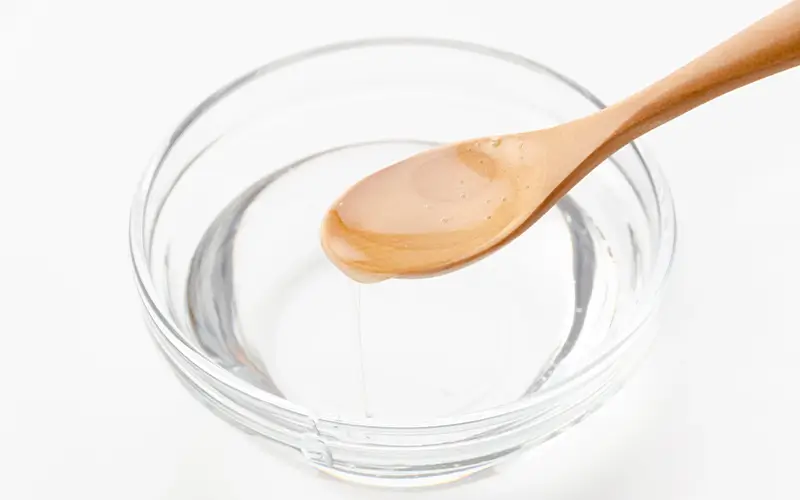
Food Decolorization
It adsorbs unwanted colors and contaminants from syrups and oils, ensuring product clarity.
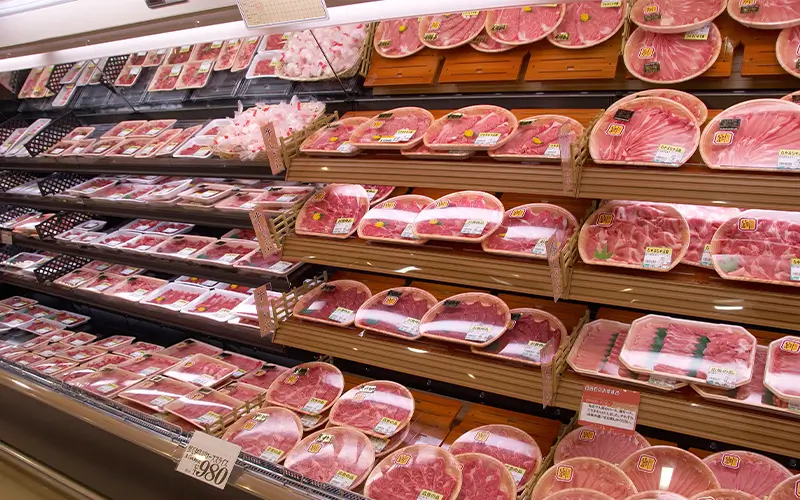
Food Preservation
GAC helps control odors and spoilage agents, extending the freshness of stored food items.

Soil Additive
It binds pesticides and heavy metals, reducing soil contamination and promoting plant growth.

Aquaculture
GAC removes ammonia and organic waste from water, maintaining healthy conditions for aquatic life.
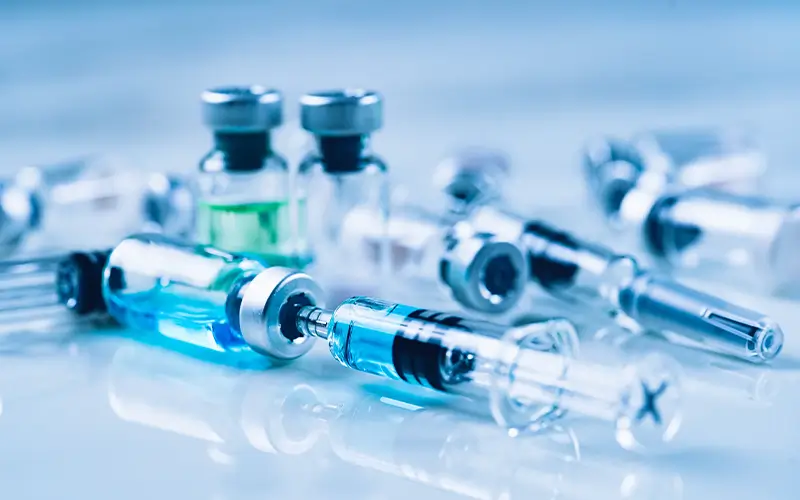
Medicine
It purifies pharmaceutical products by removing impurities and toxins during manufacturing.
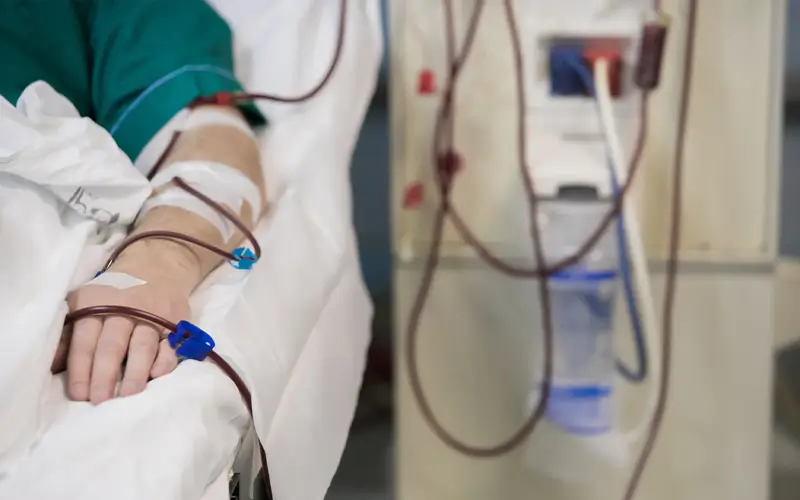
Blood Purification
GAC adsorbs toxins in hemodialysis systems, supporting kidney failure treatments.
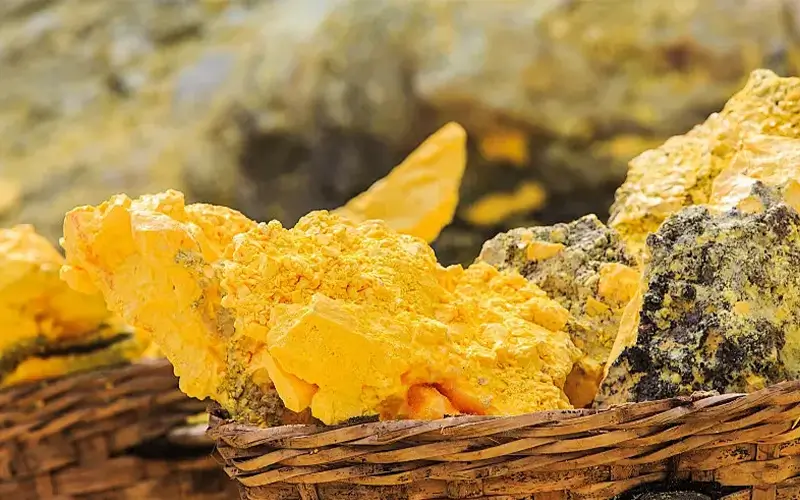
Desulfurization
It removes sulfur compounds from gases and liquids, reducing corrosion and emissions.
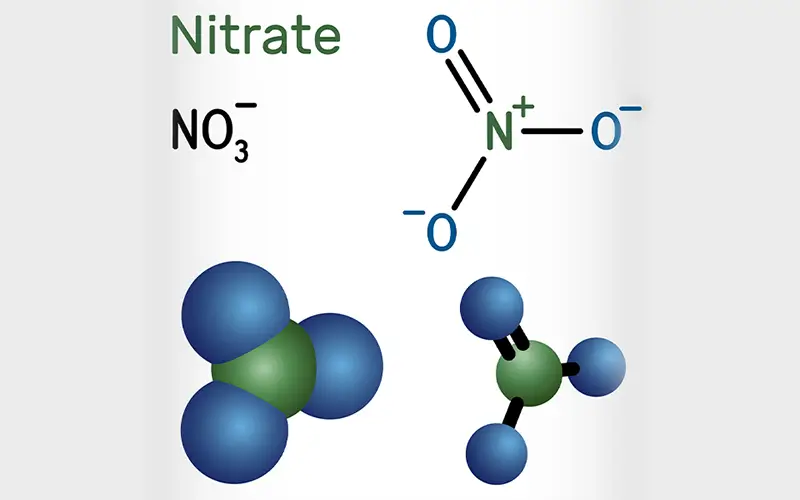
DeNOx
GAC adsorbs nitrogen oxides from exhaust streams, aiding in air pollution control.
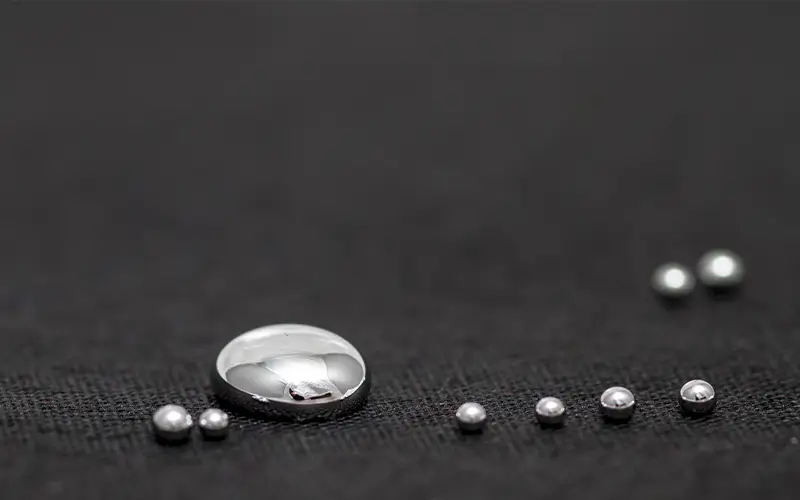
Mercury Removal
It captures mercury from flue gases and wastewater, mitigating environmental hazards.
Catalytic
GAC serves as a catalyst support in chemical reactions, enhancing process rates and selectivity.