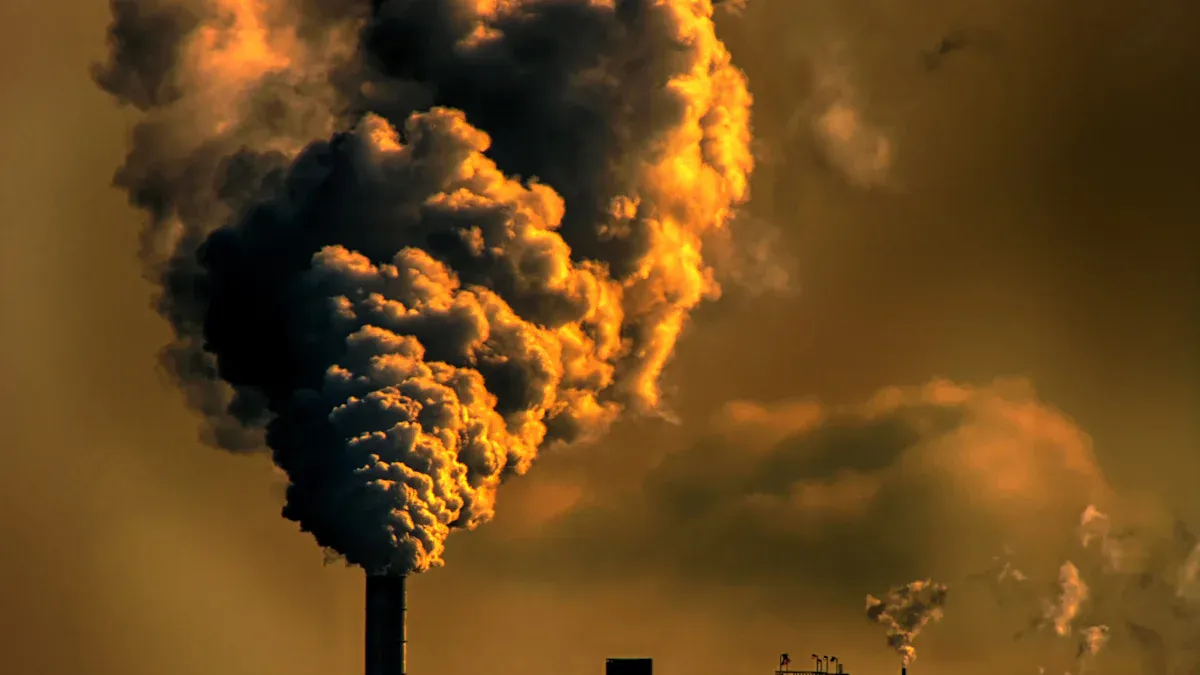
Understanding Impregnated Activated Carbon and Its Function in 2026
Impregnated activated carbon uses added chemicals to adsorb and neutralize specific pollutants, offering enhanced air and water purification in 2026.

Impregnated activated carbon uses added chemicals to adsorb and neutralize specific pollutants, offering enhanced air and water purification in 2026.
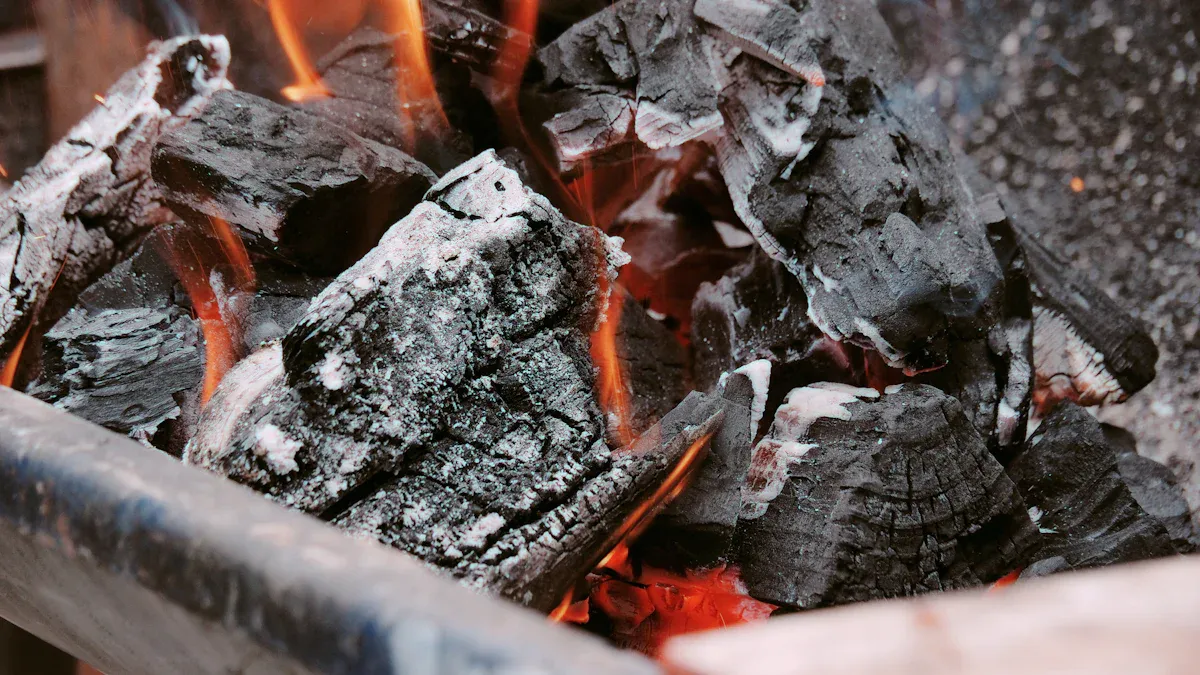
Wood based activated carbon features high adsorption, renewable sourcing, and a unique pore structure ideal for water and air purification.
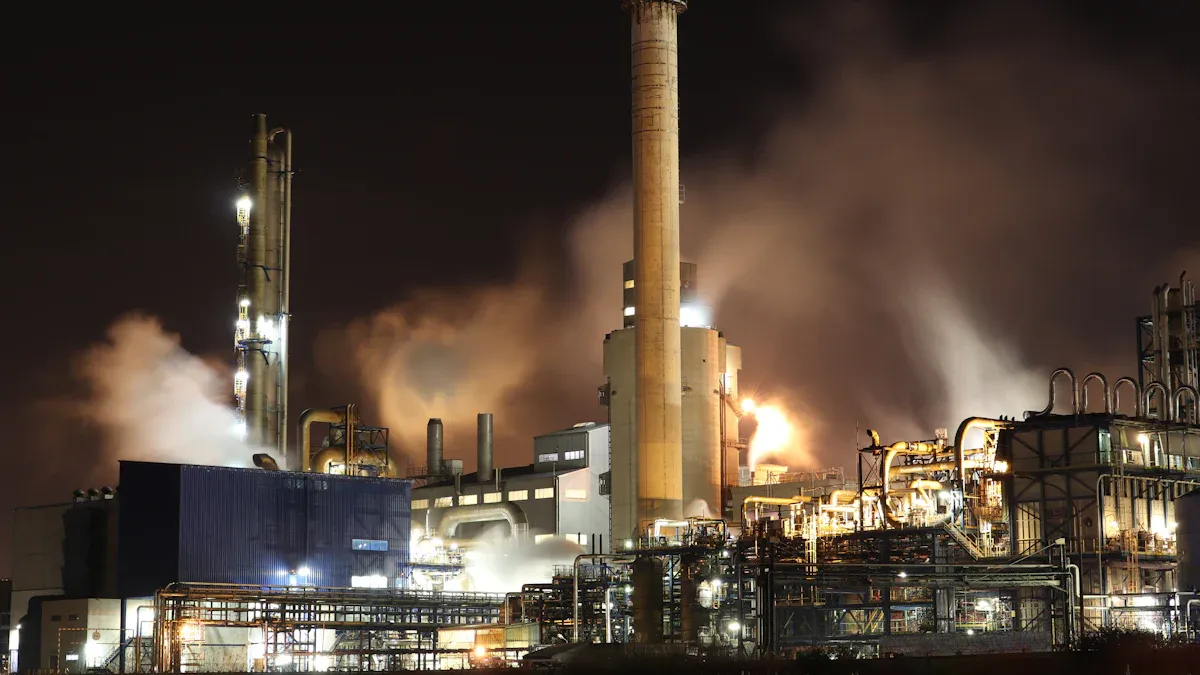
Coal based activated carbon is a porous material made by heating coal without oxygen, then activating it with steam to create high adsorption capacity.

Nut shell activated carbon offers high adsorption, durability, and eco-friendly purification for water, air, and industry at a lower cost than other carbons.
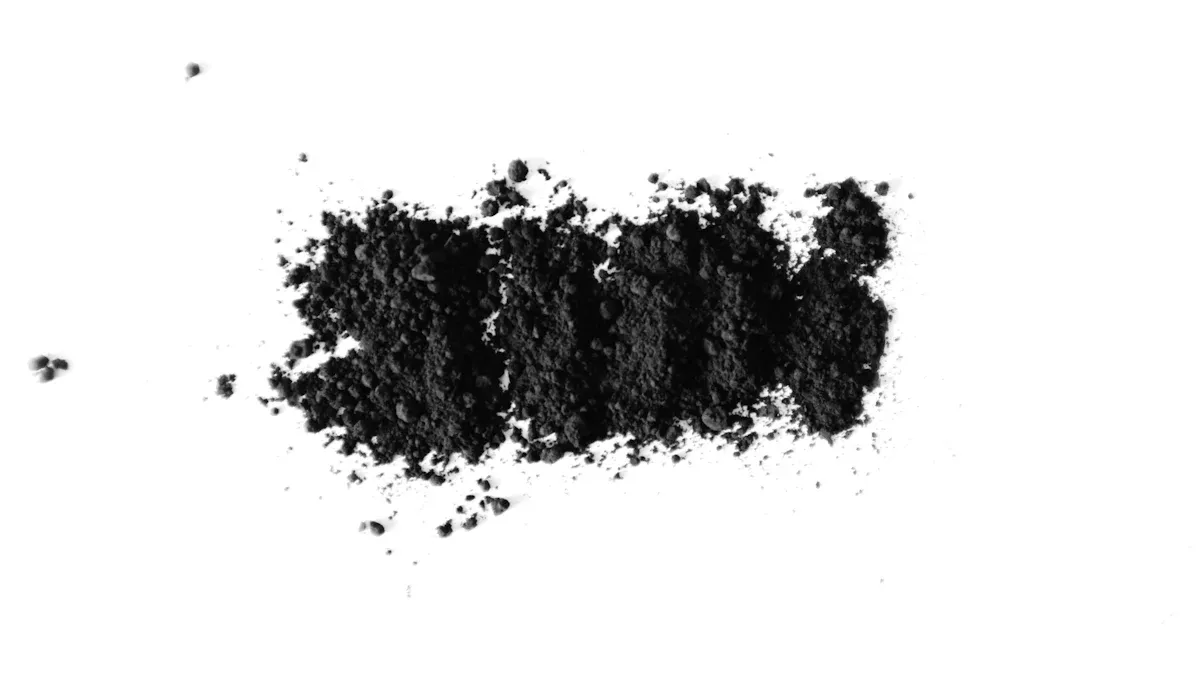
Coconut shell based activated carbon removes chlorine, heavy metals, and VOCs, improving water and air quality for safer, healthier environments.
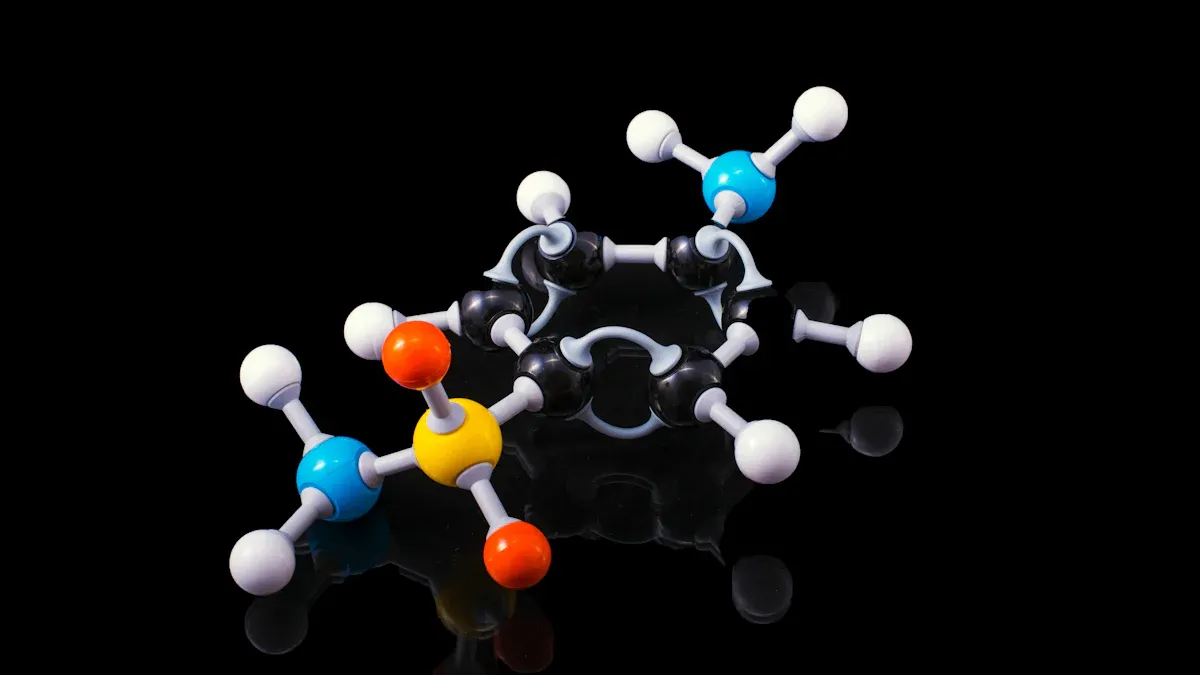
Chemical Activation Activated Carbon uses chemicals like phosphoric acid to create porous carbon with high surface area for filtration and adsorption.
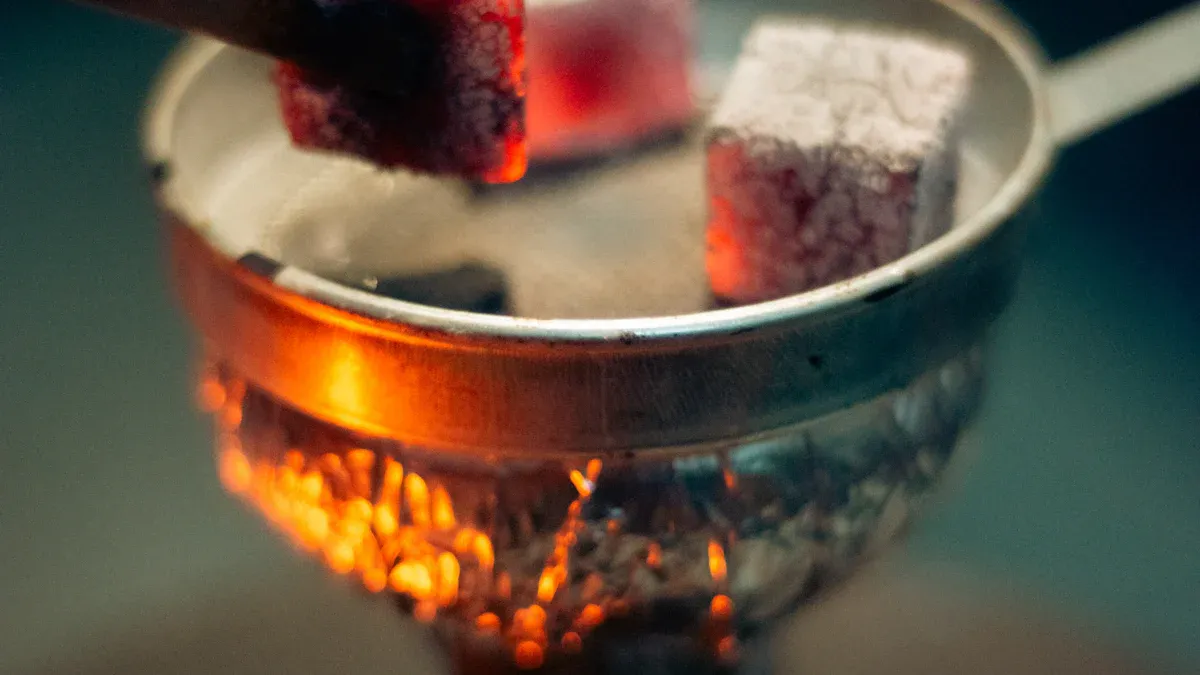
Physical activation activated carbon offers eco-friendly production and strong adsorption but requires high energy and has limited pore control. Pros and cons explained.
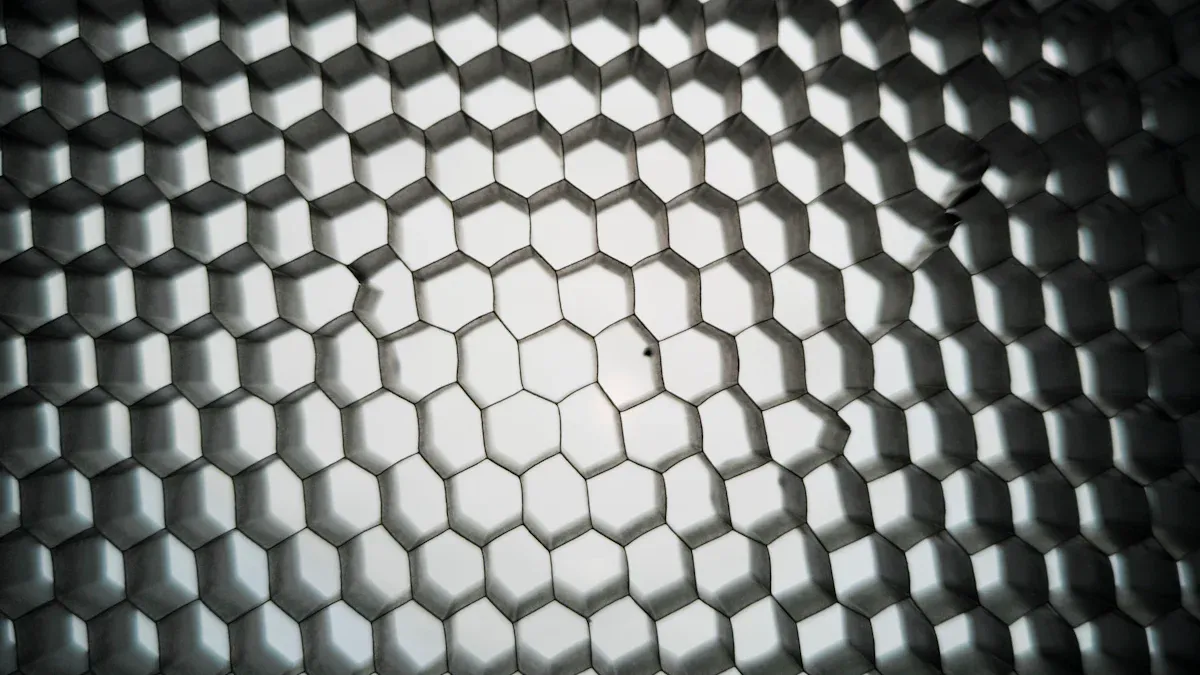
Honeycomb activated carbon uses a unique structure to adsorb odors and pollutants, offering efficient air purification for homes, industries, and the environment.
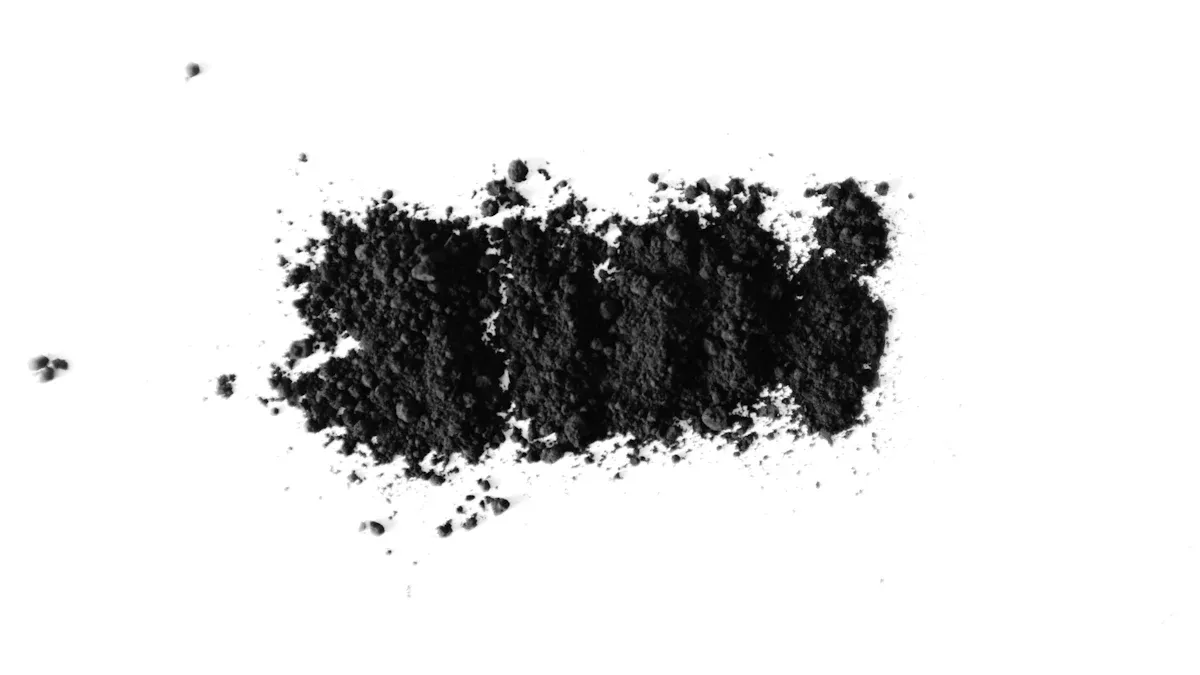
Powder activated carbon quickly removes chemicals, tastes, and odors from water and air, making it ideal for fast, effective purification.