
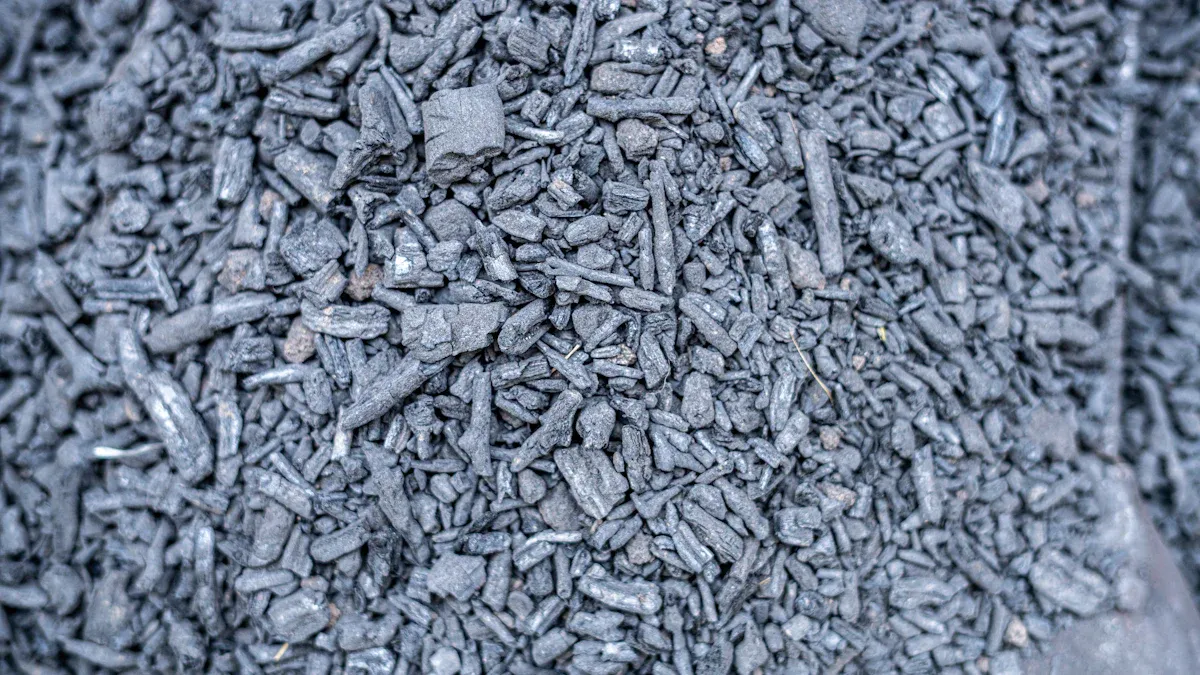
Soil Additive Activated Carbon can transform your garden soil and boost plant health. You give your plants a better chance to thrive by improving soil aeration, moisture retention, and root growth. The porous structure of activated carbon helps absorb harmful chemicals and supports helpful microorganisms. Many gardeners see stronger plants and higher yields. You can see real results in the table below:
Benefit | Description |
|---|---|
Improved soil aeration and moisture retention | Activated carbon’s porous structure enhances soil aeration and drainage capabilities. |
Reduction of harmful chemicals | It effectively absorbs harmful chemicals and heavy metals, improving soil safety. |
Promotion of beneficial microorganisms | Provides a habitat for beneficial microorganisms, aiding in nutrient absorption and plant growth. |
Enhanced plant root health | Supports healthy root growth and nutrient uptake, leading to better overall plant health. |
Try adding activated carbon to your soil and watch your garden flourish.
Key Takeaways
Activated Carbon improves soil aeration and moisture retention, helping plants grow stronger and healthier.
It absorbs harmful chemicals and heavy metals, making your garden safer for plants and the environment.
Adding activated carbon boosts beneficial microorganisms, enhancing nutrient absorption and overall soil health.
Use activated carbon in the right amounts to see increased plant height, biomass, and better yields.
Mix activated carbon with compost and apply it regularly for optimal garden performance and reduced need for chemical fertilizers.
Soil Additive Activated Carbon Basics
What Is Activated Carbon?
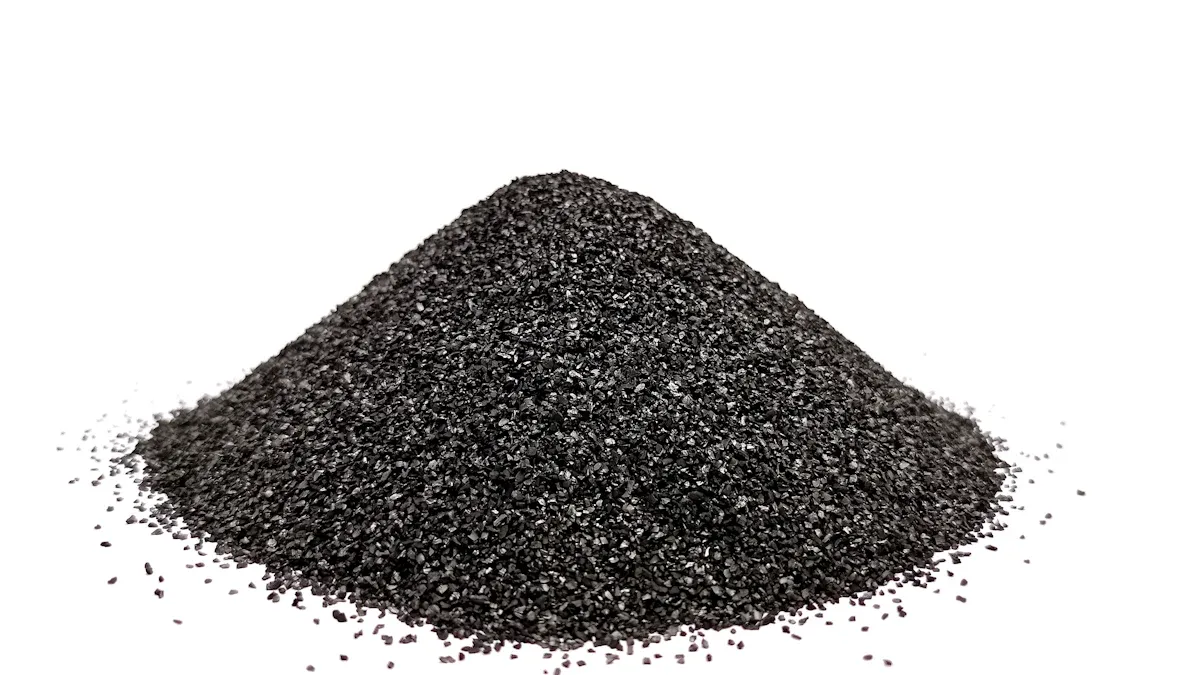
You might wonder what makes Soil Additive Activated Carbon so special for your garden. Activated carbon is a form of carbon processed to have a high surface area and many tiny pores. These pores give it the ability to trap and hold substances, making it useful for cleaning water, air, and soil. When you add activated carbon to soil, you introduce a material that can absorb toxins and support healthy plant growth.
Activated carbon stands out from other soil additives because of its unique structure. It has a high surface area and excellent adsorption capacity. This means it can capture harmful chemicals and heavy metals, keeping your soil safe for plants. You can see how activated carbon compares to other soil amendments in the table below:
Material | Surface Area and Adsorption Capacity Ranking |
|---|---|
Biochar | |
Activated Carbon | Moderate |
MWCNTs | Lower |
SWCNTs | Lowest |
You can rely on Soil Additive Activated Carbon to improve soil quality without disturbing the soil structure or harming native organisms. It reduces toxicity in contaminated soils and helps keep your garden healthy.
Unique Properties for Soil Health
Activated carbon brings several unique properties to your soil. It acts as a vital energy source for microorganisms, which play a key role in breaking down organic matter and releasing nutrients. You help these microorganisms thrive by adding activated carbon, leading to healthier soil and plants.
Soil Additive Activated Carbon responds quickly to changes in soil management. It serves as an early indicator of soil quality improvements. Even when total organic carbon changes only a little, active carbon levels can rise significantly, showing that your soil is getting better.
Here are some ways activated carbon differs from other soil additives:
It has excellent adsorption potential, trapping toxins and contaminants.
It offers high porosity, improving soil aeration and drainage.
It supports beneficial microorganisms, but does not retain nutrients as well as biochar.
It minimizes disturbance to soil structure and keeps native organisms safe.
You can see the main differences in the table below:
Property | Activated Carbon | Biochar |
|---|---|---|
Surface Area | High | Moderate |
Porosity | High | Moderate |
Adsorption Potential | Excellent | Good |
Nutrient Retention | Poor | High |
Microbial Support | Low | High |
Plant Nutrient Uptake | Lacks ion exchange properties | Supports nutrient uptake |
Historical Use | Not historically used for soil health | Based on terra preta, improves soil health |
You can use Soil Additive Activated Carbon to boost soil health and create a thriving garden.
Activated Carbon in Soil
Improving Soil Structure and Aeration
You can improve your garden soil by adding Soil Additive Activated Carbon. The porous structure of activated carbon creates spaces in the soil. These spaces help air move freely, which supports healthy roots and plant growth. When you use activated carbon, you help soil particles stick together, forming aggregates. Aggregated soil stays loose and lets roots spread easily.
Tip: Loose soil with good aeration helps plants resist drought and grow stronger.
Research shows that activated carbon and biochar both enhance soil aeration and stabilize carbon. They also provide a stable habitat for microbes and fungi. You can see the effects in the table below:
Aspect | Effect |
|---|---|
Soil Aeration | Biochar enhances soil aeration due to its highly porous structure. |
Water Retention | It improves water retention in the soil. |
Microbial Activity | Provides a stable habitat for microbial and fungal communities, enhancing soil health. |
Carbon Stabilization | Adsorbs root-derived carbon, protecting it from microbial action and enhancing retention. |
Organo-mineral Interfaces | Forms protective layers that retain rhizodeposits and incorporate microbial necromass. |
Activated carbon also helps adjust soil pH. You can use it to balance acidic or alkaline soils, making the environment better for plant roots.
Enhancing Water Retention and Drainage
Soil Additive Activated Carbon improves water retention and drainage in your garden. The tiny pores in activated carbon hold water, so your plants get moisture even during dry spells. You can use activated carbon to help sandy soils keep water and clay soils drain better.
Studies show that activated carbon increases water retention in saline soils. It also boosts the microbial-induced calcite precipitation reaction, which fills soil gaps with calcium carbonate. This process reduces void ratios and helps soil hold water. The suction curve of treated soil changes, showing improved water retention.
Findings | Description |
|---|---|
Water Retention Improvement | The addition of activated carbon enhances the water retention capacity of saline soils due to its large specific surface area and strong adsorption capacity. |
MICP Reaction Enhancement | Activated carbon improves the microbial-induced calcite precipitation (MICP) reaction, leading to increased calcium carbonate production, which reduces void ratios. |
Suction Curve Trends | The suction curves of treated saline soil show a decrease in slope and an increase in air entry value, indicating improved water retention capacity. |
Note: Better water retention means you can water less often and still keep your plants healthy.
Adsorbing Toxins and Contaminants
You can use Soil Additive Activated Carbon to clean your garden soil. Activated carbon traps harmful substances like PFAs, organic pollutants, and some heavy metals. It reduces their concentration and protects your plants and water sources.
A study tested activated carbon for removing heavy metals and polycyclic aromatic hydrocarbons (PAHs) from garden soil. The results showed that activated carbon works well for organic pollutants but does not protect against heavy metal toxicity as much as other sorbents. Still, activated carbon remains a popular choice for soil remediation.
Benefit/Mechanism | Description |
|---|---|
Adsorption of Pollutants | Activated carbon effectively adsorbs harmful substances like PFAs, heavy metals, and organic pollutants from the soil. |
Reduction of Concentration | It reduces the concentration of these harmful substances, thereby minimizing their impact on the soil ecosystem. |
Improvement of Soil Health | Activated carbon enhances air permeability and water retention in the soil, promoting better conditions for plant growth and microbial activity. |
Protection of Crops and Water Sources | By removing PFAs, it helps safeguard the safety of crops and water bodies from contamination. |
Callout: Activated carbon helps keep your garden safe from pollution and supports healthy plant growth.
Boosting Microbial Activity
You can boost microbial activity in your soil with Soil Additive Activated Carbon. Microbes break down organic matter and release nutrients for plants. Activated carbon provides a stable habitat for these microbes, helping them thrive.
Activated carbon increases cation exchange capacity (CEC) in soil. Higher CEC means soil holds more nutrients and releases them to plants when needed. The surface area and functional groups of activated carbon make it easier for soil to retain nutrients and reduce leaching.
Evidence Description | Findings |
|---|---|
Application of biochar and activated carbon | Enhances cation exchange capacity (CEC) and reduces nutrient leaching. |
Higher surface area and functional groups of activated carbon | Contributes to increased CEC and nutrient availability. |
Tip: Healthy microbial activity leads to better nutrient cycling and stronger plants.
Soil Additive Activated Carbon supports soil aggregation, drought tolerance, and nutrient retention. You can use it to create a healthier garden ecosystem and see your plants thrive.
Garden Benefits
Healthier Plant Growth
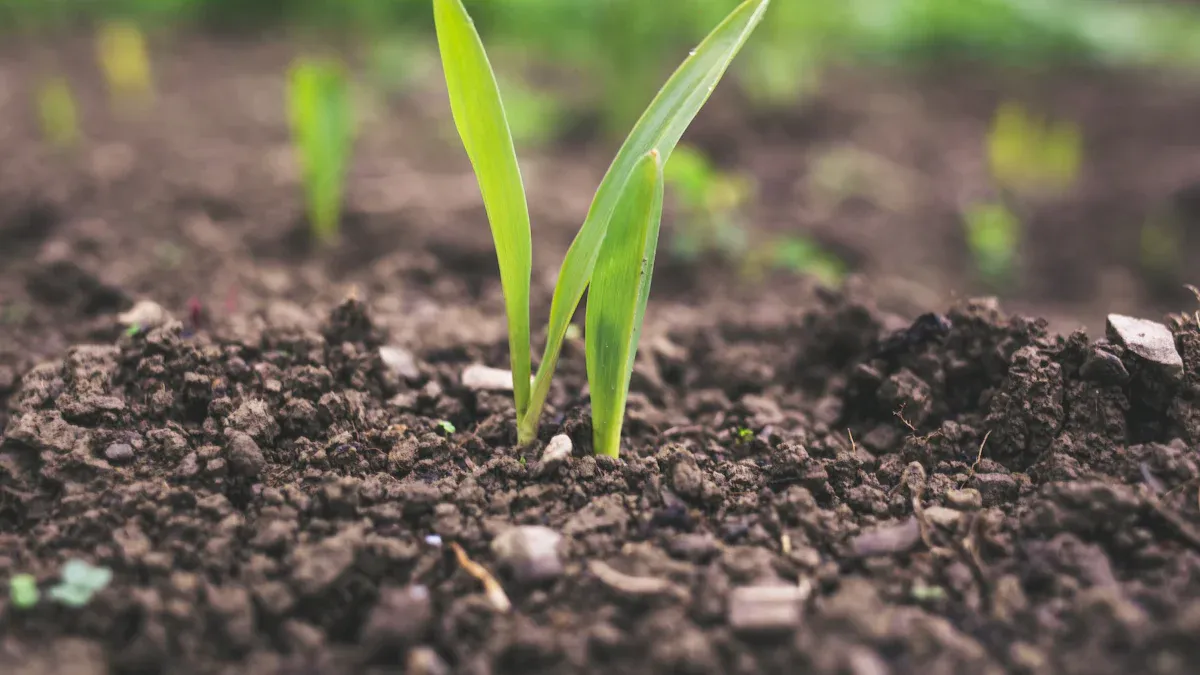
You can see your plants grow taller and stronger when you use Soil Additive Activated Carbon. This soil additive helps roots develop and absorb nutrients more efficiently. When you add the right amount, your plants show clear improvements in height and biomass. The table below shows how different proportions affect plant growth:
Activated Carbon Proportion | Plant Height | Aboveground Biomass | Underground Biomass |
|---|---|---|---|
0% | Low | Low | Low |
2% | Increased | Increased | Increased |
6% | Decreased | Decreased | Decreased |
You should aim for a moderate amount. Too much can reduce growth, but the right balance boosts root health and nutrient uptake.
Tip: Healthy roots help your plants resist stress and grow faster.
Higher Yield and Flowering
You notice more flowers and fruits when your soil supports strong roots and healthy leaves. Activated carbon improves soil structure, which lets plants access water and nutrients easily. This leads to bigger harvests and brighter blooms. You can expect your garden to produce more vegetables, fruits, and flowers with improved soil conditions.
Plants absorb nutrients better.
Roots grow deeper and stronger.
Flowers bloom longer and more often.
Callout: A thriving garden gives you more produce and beautiful blossoms.
Reduced Disease and Pest Issues
You protect your plants from diseases and pests by improving soil health. Activated carbon changes the soil environment, making it harder for harmful organisms to survive. It also supports beneficial microbes that fight off pathogens. Here are some ways activated carbon helps:
Induces resistance in plants.
Increases helpful microbes like mycorrhizal fungi.
Improves soil quality and nutrient availability.
Directly reduces harmful fungi.
Removes toxic compounds from the soil.
Many studies show that activated carbon changes soil microbial communities. Beneficial microbes compete with pathogens, keeping your plants safe. You see fewer cases of bacterial wilt and other diseases in gardens treated with activated carbon.
Note: Healthy soil means fewer pests and less disease.
Using Activated Carbon in Gardens
Application Methods
You can apply activated carbon to your garden in several ways. Mix activated carbon with organic compost in a 1-to-1 ratio. Rake this mixture into the soil and keep the area moist for about a week. This process activates the carbon and boosts its nutrient benefits. For small gardens, stir 1 pound of activated charcoal into 1 gallon of water. Agitate the mixture to keep the charcoal suspended. Use this solution to treat up to 150 square feet. This method works well for flower beds, turf grass, food crops, and fruit trees.
Tip: Always keep the soil moist after applying activated carbon to help it work faster.
Dosage and Frequency
You need to follow the right dosage for best results. Wear gloves and a dust mask when handling activated carbon. Apply it directly onto your compost pile. Repeat the application every few weeks or when you notice odors. Adjust the dosage based on the size of your compost pile. You can run small trials to find the best amount for your garden. Activated carbon reduces harmful compounds in soil and lowers the risk of plant toxicity. It also limits the leaching of pollutants, which helps keep your soil and plants healthy.
Dosage Recommendation | Frequency | Safety Precautions |
|---|---|---|
Follow supplier guidelines | Every few weeks or as needed | Use gloves and mask |
Tips for Different Soil Types
Soil Additive Activated Carbon improves seedling survival and growth in many soil types. You see better results in soils affected by invasive plants. Add activated carbon to UPC and OPC soils to boost seedling height and survival rates. In OPCLL soils, activated carbon helps seedlings grow taller and stronger. If your soil has allelopathic effects from invasive species, activated carbon can help reduce these negative impacts.
Use activated carbon in sandy soils to improve water retention.
Apply it in clay soils to enhance drainage.
Add it to soils with invasive plants to protect seedlings.
Note: Adjust the amount of activated carbon based on your soil type and plant needs for the best garden performance.
You improve your garden’s soil health and performance when you use Soil Additive Activated Carbon. Recent studies show that it helps filter out pollutants like nitrogen, phosphorus, and heavy metals, making your garden safer and more productive. You reduce the need for chemical fertilizers and boost crop yields. Soil organic matter plays a key role in soil quality, so learning more about it helps you make better choices.
Try these steps: mix activated carbon with soil at 5% to 10%, add compost, and layer mulch for healthier plants.
FAQ
How often should you add activated carbon to your garden soil?
You should add activated carbon once every growing season. For best results, mix it into the soil before planting.
Tip: Test your soil each year to see if you need more.
Is activated carbon safe for all plants?
Yes, you can use activated carbon with vegetables, flowers, and fruit trees. It does not harm most plants.
Always follow the recommended dosage.
Avoid overuse for sensitive seedlings.
Can you use activated carbon with other soil amendments?
You can mix activated carbon with compost, manure, or biochar. This combination improves soil health and boosts plant growth.
Note: Blend well to spread the benefits evenly.
Does activated carbon change soil pH?
Activated carbon can help balance soil pH. It works best in slightly acidic or neutral soils.
😊 Your plants will thank you for a balanced environment!