

You use personal protection activated carbon to shield yourself from harmful gases and particles in the air. This special type of activated carbon works in personal protective equipment, like masks and clothing, to trap dangerous substances that you might breathe in. Unlike regular activated carbon, it has features designed for close contact with your skin and for long-lasting use. Many people believe some common myths about its abilities:
Some think it loses its filtration power quickly, but it stays effective with proper use.
Others believe it cannot filter out viruses or bacteria, but it can trap many harmful particles and absorb dangerous chemicals.
Demand for personal protection activated carbon has grown fast as people want better safety and cleaner air.
Key Takeaways
Personal protection activated carbon effectively traps harmful gases and particles, making it essential for masks and protective clothing.
The material’s high surface area and porous structure enhance its ability to filter out dangerous substances, providing better air quality.
Always check the specifications of your protective gear to ensure it meets safety standards and is suitable for your environment.
Understand the limitations of activated carbon; it does not filter everything, so additional filters may be necessary for complete protection.
Regularly replace filters and maintain your protective equipment to ensure optimal performance and safety.
Personal Protection Activated Carbon Basics
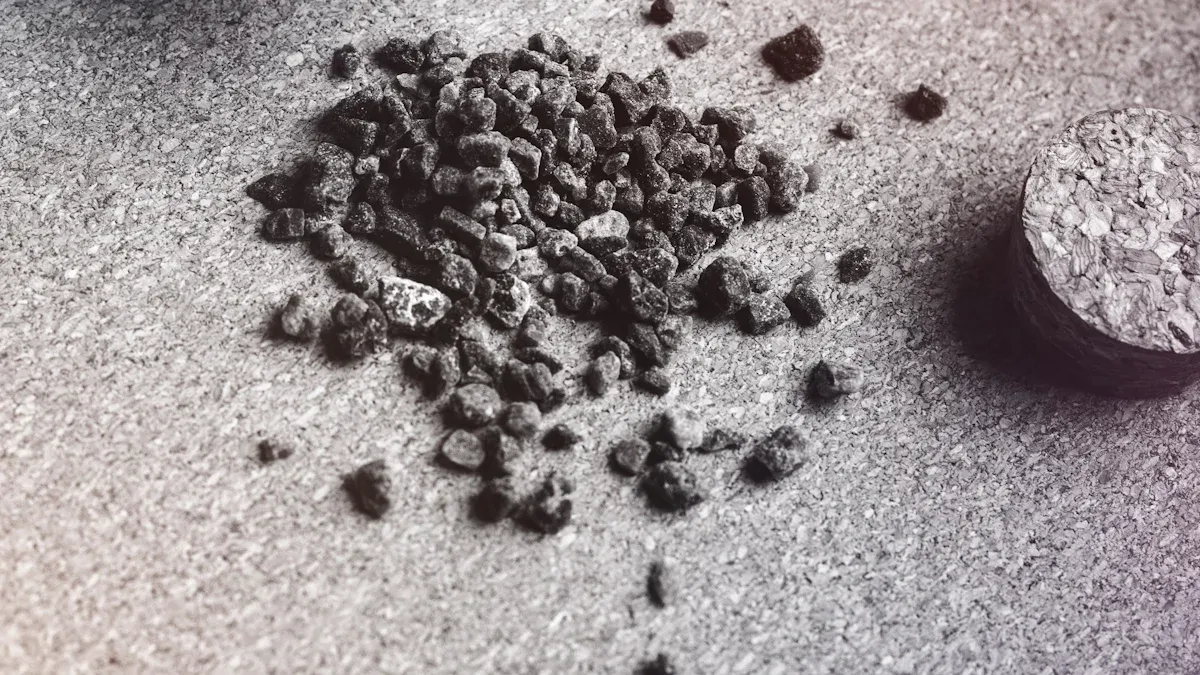
What It Is
You can think of personal protection activated carbon as a special form of carbon made for safety. You find it in products like masks, respirators, and protective clothing. This material helps you stay safe by trapping harmful gases and particles before you breathe them in or they touch your skin.
Personal protection activated carbon is almost pure carbon. You can see its chemical makeup in the table below:
Name | CAS # | % | GHS_US classification |
|---|---|---|---|
Carbon | 7440-44-0 | 100 | Not classified |
Manufacturers use a two-step process to make this material strong and effective. First, they heat raw materials in a process called carbonization. Then, they activate the carbon at high temperatures to create many tiny pores. These pores give the carbon its power to trap dangerous substances. Here is a quick look at the process:
Process | Description |
|---|---|
Carbonization | Involves thermal decomposition of raw material in an inert environment at temperatures below 800 ºC. |
Activation | Oxidizes the carbonized material at temperatures between 800-900 ºC to develop the pore structure. |
Key Features
You get many benefits from using personal protection activated carbon. The most important features include:
High surface area: One gram of this material can have a surface area of over 3,000 square meters. This means you have a lot of space to trap harmful substances.
Porous structure: The carbon has many tiny holes, or pores. These pores act like traps for gases and particles.
Strong adsorption: The carbon holds on to contaminants using van der Waals forces. This helps remove harmful chemicals from the air you breathe.
Tip: The more pores the carbon has, the better it can protect you from dangerous substances.
The size of the pores also matters. Pores between 0.2 and 10 micrometers play a big role in how well the carbon works. These pores help the carbon reach its full power and even allow for cleaning and reuse in some cases.
You use personal protection activated carbon because it can trap many types of harmful gases and particles. This makes it a key part of personal protective equipment for workers, emergency responders, and anyone who needs clean air.
How It Works
Adsorption Process
You rely on personal protection activated carbon because it uses a process called adsorption to keep you safe. Adsorption happens when harmful gases and particles stick to the surface of the carbon. This is different from absorption, where substances soak into a material. In adsorption, the dangerous molecules stay on the outside of the carbon.
The carbon has a huge surface area, sometimes as large as 1,500 square meters in just one gram. This means you get many places for harmful substances to attach. The carbon also has tiny pores, some smaller than 2 nanometers, which trap small gas molecules. Larger pores help catch bigger molecules. When you breathe through a mask with this carbon, the air passes over these pores. Harmful gases and particles get stuck, and you breathe in cleaner air.
Scientists have found that the mineral makeup and the size of the pores in activated carbon make it very good at trapping gases like carbon dioxide, hydrogen sulfide, and methane. The more surface area and pores the carbon has, the better it works. You can see this in the way activated carbon outperforms other materials, like molecular sieves, for air and gas cleaning.
Note: The more surface area and pores your carbon has, the more harmful substances it can trap. This is why personal protection activated carbon is so effective in masks and protective gear.
You also benefit from the strong forces that hold the contaminants on the carbon. These are called van der Waals forces. They help keep the harmful molecules stuck to the carbon, so they do not reach your lungs.
There is a strong link between how much a carbon fiber can trap and its surface area.
The more micropores and micropore volume the carbon has, the better it works.
If you increase the surface area, you get better protection from harmful chemicals like toluene.
Contaminants Filtered
Personal protection activated carbon can trap many dangerous substances that you might find in the air. You can see some of the most common contaminants in the table below:
Contaminant Type | Description |
|---|---|
VOCs | Volatile Organic Compounds harmful to inhalation |
Solvents | Chemicals that can cause respiratory issues |
Chlorine | A toxic chemical often found in industrial settings |
Chemical Warfare Agents | Highly toxic substances used in warfare |
You use this carbon to protect yourself from these harmful chemicals. It works well in places where you might breathe in dangerous gases, like factories, labs, or during emergencies. The high porosity and large surface area make it possible to trap both small and large molecules.
However, you should know that personal protection activated carbon does not remove everything. It does not work well for bacteria, nitrates, arsenic, or some heavy metals unless you combine it with other filters. It is also less effective for polar molecules like water vapor and some gases such as carbon monoxide and nitrogen oxides. If you breathe very fast, the filter may not work as well, and it can become harder to breathe.
Tip: Always check what your protective gear can filter. Some harmful substances need extra filters or special materials.
Personal protection activated carbon gives you strong protection against many gases and chemicals, but you should always know its limits.
Uses in Personal Protective Equipment
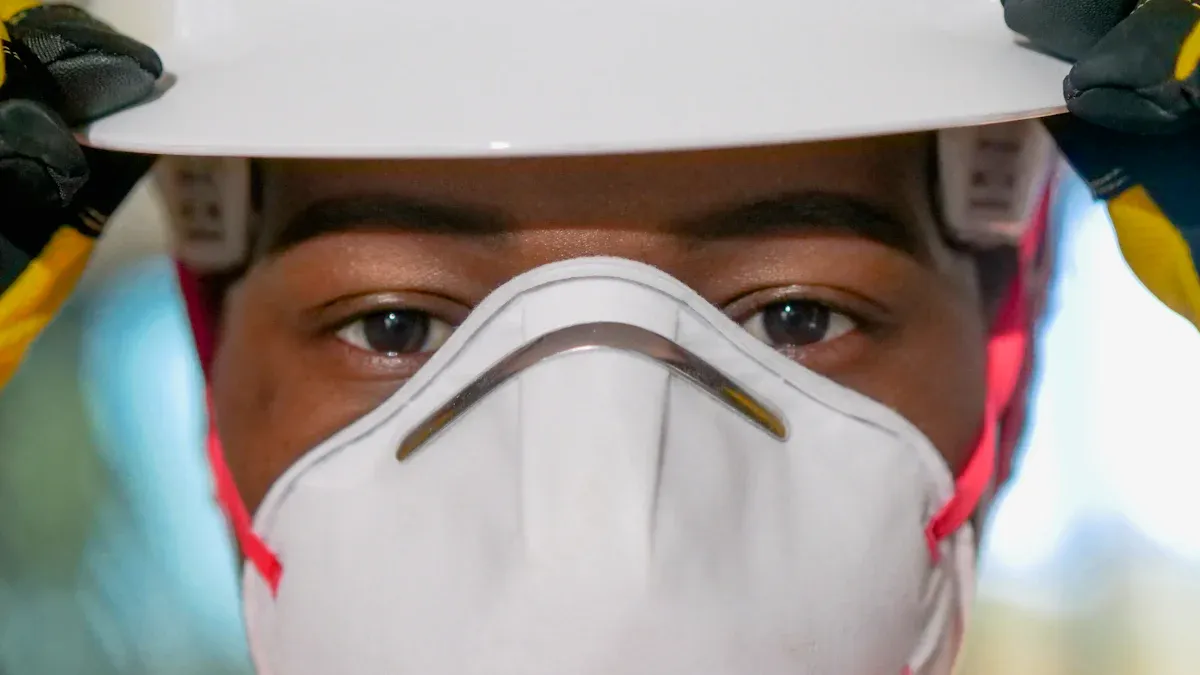
Masks and Respirators
You depend on masks and respirators to keep your lungs safe in dangerous environments. Manufacturers add personal protection activated carbon to these products to trap harmful gases and odors. This carbon works by holding onto dangerous molecules before they reach your nose or mouth. You see these masks used by firefighters, chemical workers, and soldiers who need strong protection.
Here is how personal protection activated carbon works in masks and respirators:
Application | Description |
|---|---|
Trapping gases | Activated carbon traps dangerous gases and odors, enhancing safety. |
Occupational use | Used by firefighters, chemical workers, and soldiers for protection. |
Safety regulations | Must comply with NIOSH and OSHA standards for effectiveness in hazardous areas. |
You benefit from these masks in everyday life too. You can wear them during wildfires, in polluted cities, or when you clean with strong chemicals at home. The carbon layer helps you breathe easier and stay healthy.
Tip: Always check if your mask meets safety standards for your environment.
Protective Clothing
You also find personal protection activated carbon in protective clothing. This clothing keeps harmful gases and chemicals away from your skin. The fabric lets clean air pass through but traps toxic vapors. Some special fabrics, like Flexzorb activated carbon cloth, make the clothing more comfortable for long hours.
You can see how this clothing helps:
It blocks toxic gases, fumes, and even some microorganisms.
It protects you in chemical plants, labs, and during emergencies.
Soldiers and emergency workers use it to guard against chemical and biological threats.
The clothing absorbs dust and shields you from air pollution.
Manufacturers test the carbon for quality. They check how much it can adsorb, how pure it is, and how long it lasts. These tests make sure your gear works well and keeps you safe.
Wearing protective clothing with activated carbon gives you peace of mind in risky situations.
Benefits and Limitations
Effectiveness and Safety
You trust personal protective equipment because it keeps you safe from harmful chemicals and gases. Scientists have tested how well activated carbon works in masks and filters. The table below shows what they found:
Study Focus | Key Findings |
|---|---|
Adsorption Performance of Activated-Carbon-Loaded Nonwoven Filters | Activated carbon in masks limits harmful chemicals in the air you breathe. Higher humidity and faster breathing can reduce how long the filter works. Pulsating airflow helps reduce odors more effectively. |
You can see that Personal Protection Activated Carbon plays a big role in protecting you from dangerous substances. Field tests and user reviews show that activated carbon clothing and masks help shield you from chemical warfare agents and other threats. New technology has made these products even better, giving you more peace of mind.
Comfort and Practicality
You want your protective gear to feel comfortable and easy to use. The porous structure of activated carbon gives you strong protection without making the mask heavy. You can wear lightweight filters for a long time without feeling tired. Here are some reasons why users find these products practical:
High adsorption efficiency for toxic gases keeps you safe.
Lightweight design reduces strain during long use.
New materials help masks fit better and feel softer on your skin.
Tip: Choose masks and clothing that fit well to avoid skin irritation and improve comfort.
Limitations
You should know that activated carbon filters do not stop everything. They cannot trap dust or pollen, so you need other filters for those. Some gases, like carbon monoxide, pass through, which means you need special equipment for full protection. Wearing a mask for a long time can cause skin irritation if it does not fit well. You must clean reusable masks often and replace filters to keep them working.
The lifespan of a filter depends on air quality, humidity, and how much you use it. If you live in a place with lots of smoke or pollution, you will need to change filters more often. Filters keep working even when not in use, so you should replace them every six months. High humidity can lower how well the carbon works, but new coatings help protect the filter in wet conditions.
Note: The way you use and care for your gear affects how well it protects you.
You use Personal Protection Activated Carbon to protect yourself from harmful gases and particles. This material works well in masks and clothing because it traps dangerous chemicals. Experts say you should balance the benefits and limitations:
Filtration depends on adsorption or chemical reactions.
Filter design must balance performance, size, and breathability.
When you choose protective gear, think about how well it fits your needs. You stay safer when you understand both the strengths and limits of your equipment.
FAQ
What makes personal protection activated carbon different from regular activated carbon?
You use personal protection activated carbon in masks and clothing. Manufacturers design it for close contact with your skin and long-lasting use. It has more pores and higher purity than regular activated carbon.
Can personal protection activated carbon filter viruses and bacteria?
You can trap many harmful particles and chemicals with activated carbon. However, you need extra filters to block viruses and bacteria. Activated carbon mainly targets gases and organic compounds.
How long does an activated carbon filter last?
You should replace your filter every six months or sooner if you use it often. Humidity and air quality affect its lifespan.
Tip: Always check the manufacturer’s guidelines for best results.
Is activated carbon safe for skin contact?
You can wear activated carbon safely in masks and clothing. Manufacturers test it for skin safety.
Note: If you have sensitive skin, choose products with soft fabric layers.
Where do you use personal protection activated carbon most often?
You find it in masks, respirators, and protective clothing. Workers in factories, labs, and emergency responders use it.
Everyday uses:
Wildfire smoke
City pollution
Cleaning with chemicals