
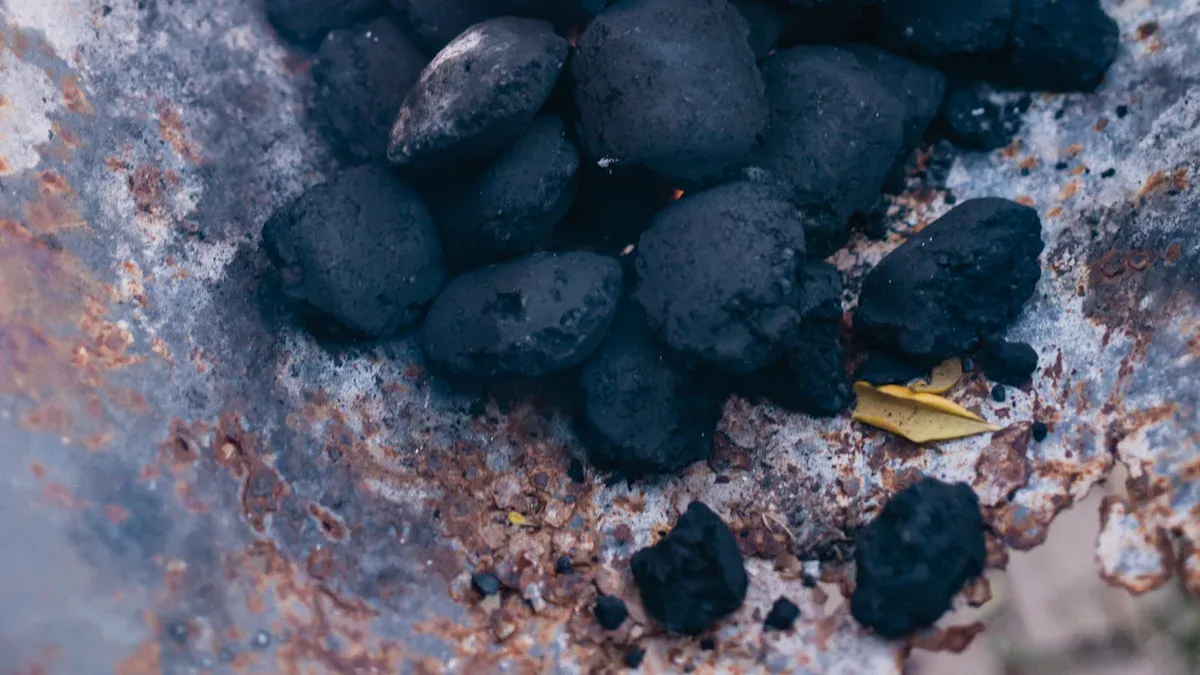
Pelletized activated carbon helps clean air, water, and gases. It comes in small pellets shaped like cylinders. The pellets are usually 1 mm to 4 mm wide. This shape makes them easy to use. You can pack them tightly into filters. Most people use it for cleaning gases. Gas phase applications make up 58.3% of the market. You also see it used for cleaning water and controlling smells.
Application | Percentage |
|---|---|
Gas phase | 58.3% |
Water purification | Dominates the market |
Odor control | Included in gas-phase applications |
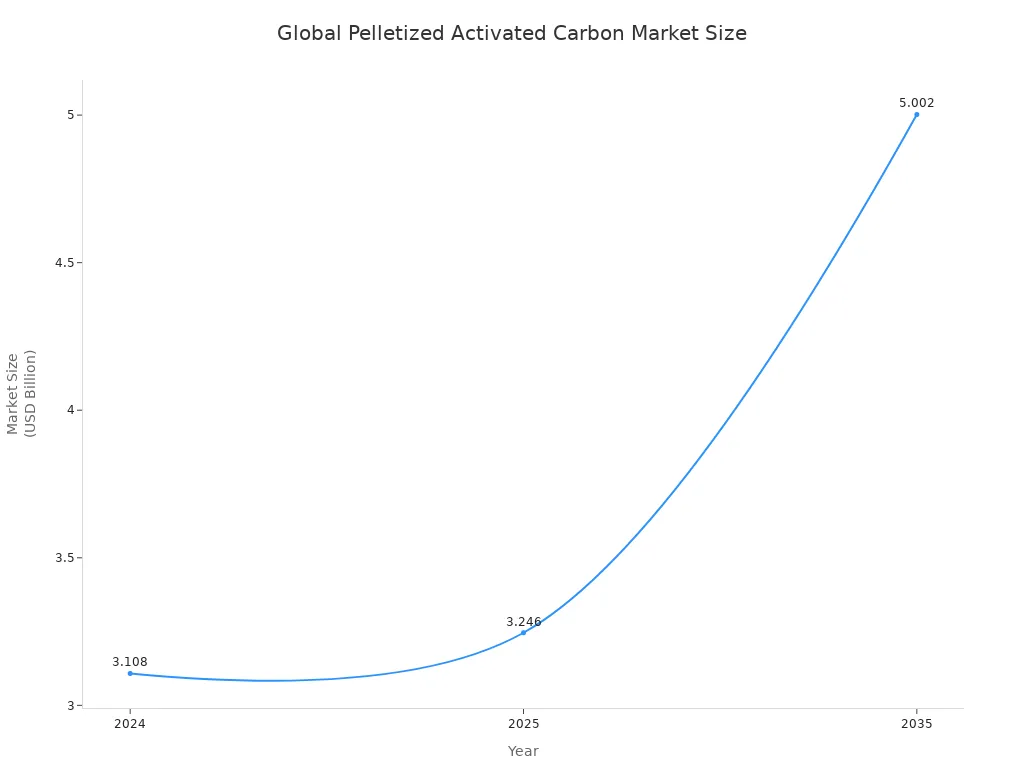
Pelletized activated carbon gives strong cleaning power. You can count on it to work well.
Key Takeaways
Pelletized activated carbon helps clean air, water, and gases. It works well for many types of filters. The pellets are shaped like cylinders. This shape makes them easy to pack in filters. It helps filters work better with gases. Use bigger pellets for cleaning air. Use smaller pellets for cleaning water. This helps the cleaning work best. Pelletized activated carbon has a lot of surface area. This helps it catch more dirt and pollution. This kind of carbon is strong and does not make much dust. Filters last longer and need less fixing. Check and change the pellets often. This keeps the filter working well and air and water clean. Pelletized activated carbon saves money over time. It lasts a long time and can be used again. You can use pelletized activated carbon at home or in factories. It helps control smells and cleans water well.
What Is Pelletized Activated Carbon
Definition and Pellet Shape
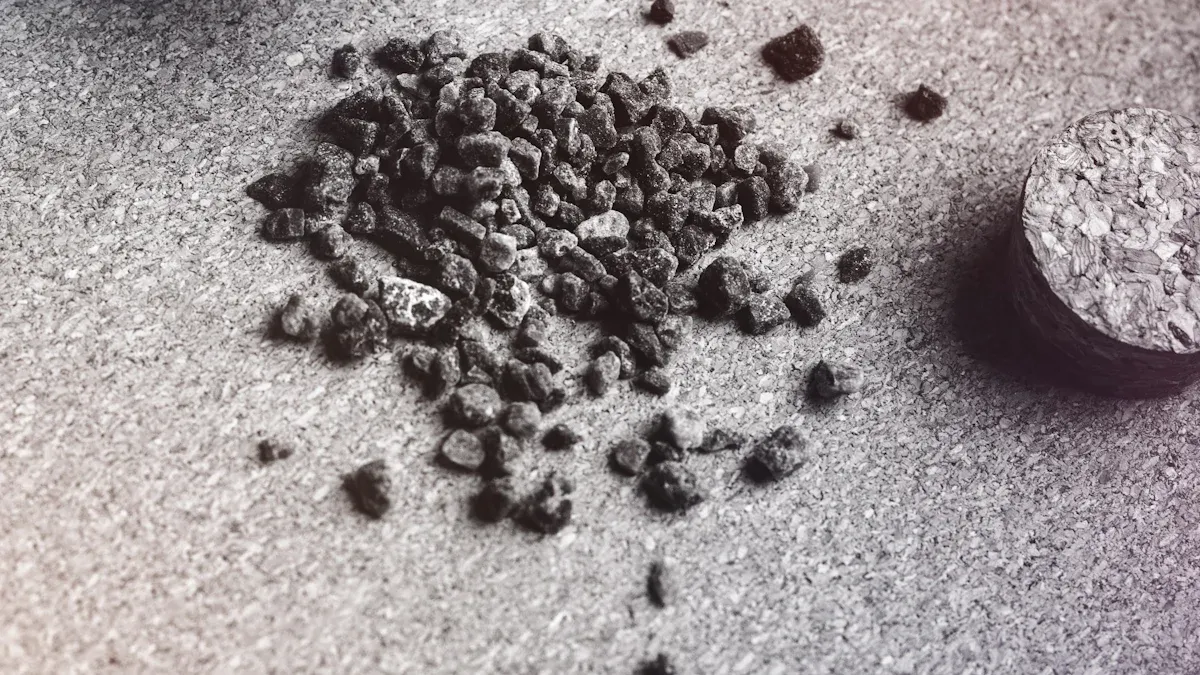
Pelletized activated carbon is a strong cleaning tool. Experts say it is an extruded, cylindrical adsorbent. Each pellet looks like a tiny cylinder. This shape makes the pellets tough and hard to break. Air and gas can move through the pellets easily. This helps them work well for gas-phase filtration. They also support catalysts.
Pelletized activated carbon comes in many sizes. The size changes how well it works for different jobs. Here is a table that shows common sizes and what they do best:
Size Type | Size Range | Application Impact |
|---|---|---|
Mesh Size | 8×30 Mesh | Balances flow rates and surface area for water treatment. |
Pellet Size | 2mm | High mechanical strength and good adsorption for air filtration and industrial use. |
Smaller Mesh | 12×40, 16×50 Mesh | Ideal for high surface area needs in water purification and pharmaceuticals. |
Larger Pellets | 3mm, 4mm | Higher flow rates with mechanical strength, less prone to clogging. |
Tip: Pick larger pellets for cleaning air or gas. Use smaller mesh sizes for water or medicine uses.
How It’s Made
Extrusion and Compression Process
Making pelletized activated carbon takes several steps. First, raw materials like coal, wood, or coconut shells are used. These are mixed with binders to make a paste. The paste is pushed through a mold to form pellets. Then, the pellets are dried.
Next, the pellets are heated with little oxygen. This step is called carbonization. It removes unwanted chemicals. After that, the pellets are activated. High heat opens tiny pores inside each pellet. These pores help trap and hold dirt and chemicals.
Here is a simple list of the main steps:
Mix raw materials and binders to make a paste.
Push or mold the paste into pellets and dry them.
Heat the pellets with little oxygen to carbonize them.
Activate the pellets with high heat to make pores.
Common Raw Materials (e.g., Bituminous Coal)
Pelletized activated carbon can be made from different things. Each material has its own good points. Here is a table that shows the most common ones and their strengths:
Raw Material | Advantages |
|---|---|
Wood | Easily obtainable, good for various applications |
Coconut Shells | High surface area, effective for adsorption |
Coal | Cost-effective, widely available |
Coconut shells give a high surface area for better cleaning.
Coal costs less and is easy to get almost anywhere.
Pelletized vs. Other Forms
You may wonder how pelletized activated carbon is different from other types. The main types are granular, powdered, and pelletized. Each one has special features and uses.
Property | Granular Activated Carbon (GAC) | Powdered Activated Carbon (PAC) |
|---|---|---|
Particle Size | 0.2 to 5 mm | Less than 0.188 mm |
Surface Area | Smaller | Larger |
Form | Solid | Powder |
Common Applications | Continuous processes | Batch processes |
Pelletized activated carbon is special because it has the same shape and size. It is easier to use and makes less dust than powdered types. The pellets do not break easily, so they last longer in filters. If you need a strong filter for air or gas, pelletized activated carbon is a great choice.
How It Works
Adsorption Process
Pelletized activated carbon cleans air and water by adsorption. Adsorption means the pellets grab and hold chemicals. This grabbing happens on the outside of each pellet.
Surface Area and Porosity
Each pellet has lots of tiny holes called pores. These pores make a big surface area inside the pellet. More surface area means more room for pollutants to stick. Here is why adsorption works well:
The pellets have small pores that make more surface area.
Pollutants stick to the surface because of special forces.
The kind of pollutant and the carbon’s features change how well it works.
This lets you take out many kinds of bad stuff from air or water.
Contaminant Removal Mechanism
Pelletized activated carbon can catch tough pollutants. The pellets trap these things so they do not get through the filter. The table shows which pollutants are removed best:
Contaminant Type | Effectiveness of Removal |
|---|---|
Volatile Organic Compounds (VOCs) | High |
Mercury | High |
You can see pelletized activated carbon is great for removing VOCs and mercury. These are found a lot in factories and water systems.
Why Pellet Shape Matters
The shape of the pellets helps the filter work better. You get many good things from the round or cylinder shape:
Pellets move easily and do not stick together.
The filter works evenly because the pellets do not separate.
Bigger pellets let air or water move through easily.
Large pellets give more time for cleaning.
Small mesh can slow flow and raise pressure, but bigger pellets stop this.
You also get easier handling and less channeling in filters. Channeling is when air or water skips most of the filter. Pelletized activated carbon helps stop this. The table compares pelletized aggregates to regular ones:
Metric | Pelletized Aggregates | Conventional Flocculated Aggregates |
|---|---|---|
Solid Flux | 13 times higher | Lower than pelletized |
Required Filtration Area | 16% less | More than pelletized |
Filtration Time | 18% shorter | Longer than pelletized |
You can see pelletized activated carbon filters faster and uses less space. This makes it a smart pick for many cleaning jobs.
Pelletized Activated Carbon Features
Uniform Size and Shape
Pelletized activated carbon is shaped like small cylinders. The pellets are all about the same size, from 1.5 to 9 mm wide. This even size helps filters work better. When pellets are the same size, air or gas cannot find shortcuts through the filter. This stops channeling, which means the filter cleans everything well. If the pellets only change by 0.3 mm in length, there are 23% fewer pressure problems. This is very helpful in tall towers, where the filter is much taller than it is wide. Using uniform pellets gives you smooth flow and better cleaning.
Tip: Using pellets that are all the same size makes your filter work better and easier to take care of.
High Surface Area
Pelletized activated carbon has a lot of surface area. Each pellet has thousands of tiny holes called pores. These pores make the surface area very large, up to 3000 square meters for each gram. More surface area means more places for pollutants to stick. This helps the filter catch more bad stuff. It works well for cleaning water and for special uses like supercapacitors. High surface area also helps take out heavy metals from water, so the water is cleaner.
Here is a table that shows how pelletized activated carbon compares to other types:
Characteristics | Granular Activated Carbon | Pellet Activated Carbon | Powdered Activated Carbon |
|---|---|---|---|
Particle Size | 0.2~5 mm | Diameter 1~5 mm | <0.18 mm |
Shape Features | Irregular granules | Regular cylindrical | Fine powder |
Adsorption Performance | Moderate speed | Ideal for gas adsorption, especially VOCs | Fastest adsorption rate |
Mechanical Strength | High | Highest | Low |
Regeneration Ability | Multiple regenerations | Multiple regenerations | Usually not regenerated |
Main Applications | Water treatment, air filtration, food industry | Air purification, gas treatment | Emergency treatment, food processing |
Low Dust and High Hardness
You want your filter to last and stay clean. Pelletized activated carbon makes little dust and is very hard. The pellets have a hardness of about 92%. This is higher than most other types. Less dust means your filter will not get blocked as fast. You will not need to clean it as often. Hard pellets do not break easily, so you lose less carbon.
These pellets are made from virgin coal and clean well.
Low dust and high hardness help stop clogging and keep the filter working longer.
Strong pellets mean you do not have to change the filter as much.
Less dust keeps water clear and stops extra dirt from building up.
Hard pellets keep pollutants from leaking out, so your filter keeps working well.
Note: If you want a filter that lasts longer and needs less cleaning, pick pellets that are hard and make little dust.
Long Service Life
You want your filter to last a long time. Pelletized activated carbon helps your filter last longer. You do not need to change it often. This saves you time, money, and work.
Pelletized activated carbon lasts longer because it is strong. The pellets do not break or crush easily. Weak filter media can make dust and small pieces. These can block your filter and stop it from working. Hard pellets stay whole and keep cleaning for a long time.
The high hardness helps the pellets handle tough jobs. You can use them in high-pressure systems. They also work in filters that run all day. The pellets do not wear out quickly. You get steady cleaning for a long time.
Tip: Pick pelletized activated carbon if you want to change your filter less. It keeps working when other types break.
Pelletized activated carbon can be used many times. You can heat the pellets to clean them. This removes the trapped dirt and chemicals. After this, you can use the pellets again. Not all types of activated carbon can do this. Pelletized forms make it easier.
Here is a table that shows how long each type lasts:
Type | Service Life | Regeneration Possible | Maintenance Needs |
|---|---|---|---|
Pelletized Activated Carbon | Long (months–years) | Yes | Low |
Granular Activated Carbon | Medium (months) | Yes | Medium |
Powdered Activated Carbon | Short (weeks) | No | High |
You can see pelletized activated carbon lasts the longest. It also needs less care. This makes it a good pick for factories, water plants, or home air filters.
Pelletized activated carbon does not clog easily. The even shape and size let air or water move well. You do not get blockages as much. Your system keeps running without trouble.
You also save money over time. A filter that lasts longer means you buy fewer new ones. You spend less on fixing and changing filters. You also help the earth by making less waste.
Note: Long service life is not just about saving money. It also means less stress and more trust in your filter. You know your filter will work when you need it.
If you want a filter that works hard and lasts long, pick pelletized activated carbon. You get strong and steady cleaning for many jobs.
Benefits and Advantages
Consistent Performance
You want a filter that works every time you use it. Pelletized activated carbon gives steady results, even after many uses. You can trust it to keep taking out bad chemicals and smells from air or water. This happens because you can make it work like new again by regenerating it.
Here are some ways pelletized activated carbon keeps working well:
You can clean the pellets to bring back their adsorption power. This means you do not have to throw them away after one use.
Washing with water uses less energy and is better for the earth. You can use this way for cleaning water.
Sometimes, you need to use heat if water does not clean all the pollutants. If the pellets cannot be cleaned anymore, you can replace them.
Tip: Cleaning your filter often helps it last longer and saves money.
You will see your filter keeps working for a long time. This makes pelletized activated carbon a smart pick for homes, factories, and water plants.
Easy Handling
You want a filter that is easy to use and manage. Pelletized activated carbon comes in hard, even pellets. You can pour, scoop, or load them into filters without making a mess. The pellets do not break apart easily, so you do not have to worry about dust or waste.
Here are some reasons why it is easy to handle:
The pellets have a smooth, regular shape. You can move them with your hands or with machines.
You will not see much dust, so your workspace stays clean.
The pellets do not stick together. You can fill filters fast and evenly.
When it is time to change the filter, you can take out the old pellets and add new ones without trouble.
Note: Easy handling means you spend less time setting up and cleaning. You can focus on getting clean air or water.
Versatility in Use
You can use pelletized activated carbon in many places. It works for air filters, water treatment, gas cleaning, and even odor control at home. It is useful in many jobs because of its special features.
The table below shows why pelletized activated carbon is good for many uses:
Factor | Description |
|---|---|
Pore Structure | The pellets have lots of pores to trap many kinds of pollutants. |
Surface Chemistry | The surface reacts with different chemicals, helping to remove many types of contaminants. |
Adsorbate Characteristics | The size and type of pollutant molecules change how well the pellets work in each job. |
You can pick pelletized activated carbon for factories, hospitals, homes, or water plants. It fits your needs and gives you good results.
Tip: If you want one product for many cleaning jobs, pelletized activated carbon is a great choice.
Cost-Effectiveness
You want something that works well and saves money. Pelletized activated carbon does both. It helps you spend less over time. You still get strong cleaning for air, water, or gas.
Pelletized activated carbon is cheaper to use than other types. Over five years, you can save 18–25% on costs. This is because you use less material and less energy. The pellets last longer, so you do not replace them often. Cleaning and reusing the pellets is also easier. These savings are important for big systems or when you clean a lot of air or water.
Here is a table that compares pelletized activated carbon to other types:
Feature | Pelletized Activated Carbon | Granular Activated Carbon | Powdered Activated Carbon |
|---|---|---|---|
Total Ownership Cost (5 years) | Lowest | Medium | Highest |
Material Usage | Low | Medium | High |
Energy Needs | Low | Medium | High |
Service Life | Long | Medium | Short |
Regeneration | Easy | Moderate | Not practical |
You can see pelletized activated carbon gives the best value. You buy less new material and use less energy. You also save time because you do not change filters as much.
Tip: If you want to save money, pick pelletized activated carbon for your next job.
You also have less waste to throw away. The pellets last longer and do not break as much. This means you spend less on getting rid of old carbon. It is also better for the earth.
Many factories and water plants use pelletized activated carbon for these reasons. You can use it at home or work and get the same good results. You get clean air or water and save money.
You do not lose quality when you save money. Pelletized activated carbon gives you both. You get strong cleaning and lower costs together. It is a smart choice for anyone who wants good results for less.
Applications
Air and Gas Filtration
Pelletized activated carbon helps clean air and gas in many places. The pellets have lots of surface area and many pores. These features help them trap bad chemicals, dust, and gases. You can find these filters in factories, hospitals, and home air purifiers. The pellets remove volatile organic compounds (VOCs), sulfur gases, and other pollutants. This keeps the air fresh and safe to breathe. Many companies use these filters to protect workers and machines. You can also use them in car cabins and HVAC systems. This helps make indoor air better.
Tip: For cleaner air at home or work, pick filters with pelletized activated carbon.
Odor Control
Pelletized activated carbon is great for getting rid of bad smells. You can use it in kitchens, bathrooms, basements, and pet areas. The pellets trap odors fast and keep the air smelling good. The pellets control odors by grabbing them on their surface and inside their pores. The activation process gives the pellets a huge surface area. This helps them catch more smells. The mix of small and big pores lets the pellets absorb many types of odor molecules, like VOCs. The special structure of the pellets grabs and holds tough smells, like smoke or cooking odors. You can use these filters in air purifiers, kitchen vents, and garbage areas. Activated carbon filters remove odors and VOCs from the air. The porous structure gives more space for trapping smells. The chemical makeup of the carbon helps it grab odors better.
Note: If you want to get rid of strong smells, pelletized activated carbon works better than most other choices.
Water and Wastewater Treatment
Pelletized activated carbon helps clean water in homes, factories, and water plants. The pellets take out chlorine, pesticides, and other bad chemicals from drinking water. They also remove bad tastes and smells, so your water is safer and tastes better. In wastewater treatment, the pellets trap heavy metals, dyes, and organic pollutants. This helps keep rivers and lakes clean. Many cities use pelletized activated carbon to meet water safety rules. You can add these pellets to filters in aquariums, pools, and water bottles. The strong pellets last longer and do not break down in water. You get clean water with less work and less waste.
Tip: If you want safe, clean water at home or work, pelletized activated carbon is a smart pick for your filter.
Industrial and Home Uses
You can use pelletized activated carbon in many places. It is not just for big factories or water plants. This material works well for both businesses and homes. It cleans well and is easy to use. That makes it a smart pick for many jobs.
Industrial Uses
Factories and companies use pelletized activated carbon to clean air and water. You will find it in these places:
Chemical plants use it to take out harmful gases. This helps keep workers safe.
Food and drink factories use it to clean water and air. This keeps food fresh and safe.
Power plants use it to trap mercury and other bad chemicals from smoke.
Medicine companies use it to clean water and air for making medicine.
Paint shops use it to catch strong smells and VOCs from the air.
Tip: If you work in a factory, using pelletized activated carbon can help you follow safety rules. It also protects your machines.
Home Uses
You can use pelletized activated carbon at home too. It helps keep your house healthy and nice to live in. Here are some ways you might use it:
Air purifiers use the pellets to trap dust, smoke, and smells. This helps you breathe cleaner air.
Refrigerator deodorizers use the pellets to stop food smells from mixing.
Aquarium filters use the pellets to take out chemicals and keep water clear for fish.
Water pitchers and under-sink filters use the pellets to remove chlorine and bad tastes from your water.
Litter boxes and pet areas use the pellets to control smells and keep your home fresh.
Use Case | Benefit |
|---|---|
Air Purifiers | Removes odors, VOCs, and dust |
Aquarium Filters | Keeps water clean and safe for fish |
Refrigerator Deodorizers | Stops food smells from spreading |
Water Filters | Improves taste and safety of water |
Pet Areas | Controls strong pet odors |
You do not need special skills to use pelletized activated carbon at home. You can pour the pellets into a filter or small box. Change them when they stop working well. Most products have easy steps to follow.
Note: Always read the label to know when to change the pellets. This helps you get the best results.
Pelletized activated carbon gives you an easy way to solve cleaning problems. You can use it in big factories or small homes. It is strong, lasts a long time, and is simple to use. That is why many people choose it.
Choosing and Using Pelletized Activated Carbon
When you choose pelletized activated carbon, you want to make sure it fits your needs. You can look at several important features before you buy or use it.
Key Specifications
Pellet Size and Diameter
Pellet size matters for how well your filter works. Smaller pellets give you more surface area, which helps remove tiny pollutants. Larger pellets let air or water flow faster and reduce pressure problems. You should match the pellet size to your system. For air filters, bigger pellets often work best. For water treatment, smaller pellets or mesh sizes can help catch more contaminants.
Iodine Number and Activity
The iodine number shows how active the carbon is. A higher iodine number means the pellets can grab more pollutants. You want a high iodine number for tough jobs, like removing chemicals from air or water. Always check this number when you compare products.
Bulk Density and Hardness
Bulk density tells you how much carbon fits in your filter. Higher bulk density means you get more cleaning power in the same space. Hardness shows how strong the pellets are. Hard pellets do not break or make dust. This keeps your filter clean and working longer.
Composite Materials
Some pellets use special materials or blends. These can help with certain jobs, like removing mercury or specific gases. You can pick pellets made from coal, coconut shells, or wood. Each type has its own strengths. Choose the material that matches your cleaning needs.
Tip: Always check the product’s quality and certifications. Good brands test their carbon and show proof of performance.
You can follow these steps when picking pelletized activated carbon:
Decide what you need to remove and how much air or water you want to clean.
Look for high surface area and good pore structure.
Check if you can clean and reuse the pellets.
Make sure the product comes from a trusted source.
Compare costs and how long the pellets last.
Usage Tips
You can get the best results by using the right amount of pellets and changing them on time. Fill your filter evenly so air or water flows through all the pellets. Do not pack them too tight. Follow the instructions from the filter maker. If you use the pellets for air, keep the filter dry. For water, rinse the pellets before first use to remove dust.
Maintenance and Replacement
You should check your filter often. Most carbon filters need new pellets every six months. If you use the filter a lot or in dirty places, you may need to change them sooner. Clean and inspect your filter to keep it working well. If you notice bad smells, tastes, or less cleaning, it is time to replace the pellets. Regular care helps your system last longer and keeps your air or water safe.
Note: If you see a loss of chlorine removal or the return of taste and odor, change the pellets right away.
Pelletized activated carbon gives you strong cleaning when you choose the right type and take care of it.
Comparison with Other Forms
Pelletized vs. Granular
You might wonder how pelletized activated carbon is different from granular activated carbon (GAC). Both types help clean air and water, but they look and work differently.
Pelletized activated carbon is made in small, even cylinders. Granular activated carbon looks like tiny, uneven pieces. This shape changes how each one works in a filter.
Feature | Pelletized Activated Carbon | Granular Activated Carbon |
|---|---|---|
Shape | Cylindrical pellets | Irregular granules |
Dust Production | Very low | Moderate |
Mechanical Strength | High | Medium |
Flow Resistance | Low | Medium |
Best Use | Air/gas filtration | Water treatment |
Pellets make less dust and are stronger than granules. This helps filters last longer and stay cleaner. Granular carbon is good for water because it has more surface area. This lets it grab pollutants quickly. Pellets are better for air and gas because they let air move easily and do not break as much.
Tip: Use pelletized carbon for air filters. Use granular carbon for water filters.
Pelletized vs. Powdered
Powdered activated carbon (PAC) is another type you might see. It looks like a soft black powder. It works fast but has some problems.
Pelletized carbon is simple to use and does not make a mess. Powdered carbon is harder to handle because it makes a lot of dust. It can also block filters.
Feature | Pelletized Activated Carbon | Powdered Activated Carbon |
|---|---|---|
Form | Hard pellets | Fine powder |
Handling | Easy | Messy |
Dust | Very low | High |
Filter Use | Fixed beds, cartridges | Slurry, batch processes |
Regeneration | Possible | Not practical |
You can clean and reuse pelletized carbon. Powdered carbon is usually used once and then thrown away. People use powdered carbon for quick water cleaning or in food factories. Pelletized carbon is best for filters that need to last a long time.
Note: If you want less mess and longer use, pelletized carbon is the better choice.
When to Choose Pelletized
Pick pelletized activated carbon when you need:
Strong media that does not break.
Low dust for a clean filter.
Easy to pour and load into filters.
Long life and can be cleaned for reuse.
Smooth flow for air or gas systems.
Pelletized carbon is great for air purifiers, gas cleaners, and odor control. You can also use it in water filters that need strong, clean media.
Callout: If you want a filter that is easy to use, lasts a long time, and keeps your air or water clean, pelletized activated carbon is a smart choice.
Now you know how pelletized activated carbon is different from other types. This helps you choose the right one for your job.
You have learned how pelletized activated carbon offers strong cleaning, easy handling, and long service life. You can use it for air, water, and odor control in many places. If you want better filtration, try this option for your next project.
For more details, check product guides or talk to a filtration expert. Clean air and water start with the right choice!
FAQ
What is pelletized activated carbon used for?
Pelletized activated carbon helps clean air, water, and gases. It takes out bad smells, chemicals, and pollution in homes and factories. Water plants also use it to make water safer.
How do you know when to replace the pellets?
Change the pellets if you smell something bad or taste odd water. If your filter does not work as well, it is time to check. Look at your filter every few months to keep it working right.
Can you reuse pelletized activated carbon?
Some pellets can be used again if you clean or heat them. Always read the product directions before trying to reuse them. Not all pellets work well after being cleaned.
Is pelletized activated carbon safe for home use?
Yes, you can use it safely in your home. It works in air purifiers, water filters, and fridges. Just follow the instructions for your device to stay safe.
What size pellets should you choose?
Use bigger pellets for air and gas filters. Pick smaller ones for cleaning water. The right size helps your filter do a better job.
Does pelletized activated carbon remove all contaminants?
Pelletized activated carbon takes out many chemicals, smells, and some metals. It does not get rid of all germs or minerals. You might need other filters for full cleaning.
How do you store unused pellets?
Keep unused pellets in a dry, closed container. Do not let them get wet or near strong smells. This keeps them fresh until you need them.
Can you use pelletized activated carbon in aquariums?
Yes, you can use it in aquarium filters. It helps keep water clear and safe for fish. Rinse the pellets first to wash away any dust.