
You see the power of New Energy Activated Carbon when you look at how it transforms energy storage. This material can reach a surface area of nearly 3500 square meters per gram, letting you store more energy in less space. Its purity gives you reliable performance, while the low cost helps make clean energy solutions affordable. You find activated carbon in advanced batteries and supercapacitors, where it boosts efficiency and supports a cleaner environment.
Key Takeaways
Activated carbon has a huge surface area, allowing it to store more energy in less space, making it ideal for batteries and supercapacitors.
Using activated carbon improves the efficiency and lifespan of energy storage devices, enabling faster charging and longer use.
Sustainable production methods for activated carbon, such as using agricultural waste, help protect the environment and reduce costs.
Innovations in activated carbon technology, like nanostructures, enhance energy density and performance in modern energy storage systems.
Recycling activated carbon from waste materials supports a circular economy and reduces environmental impact.
Activated Carbon Basics
Structure and Properties
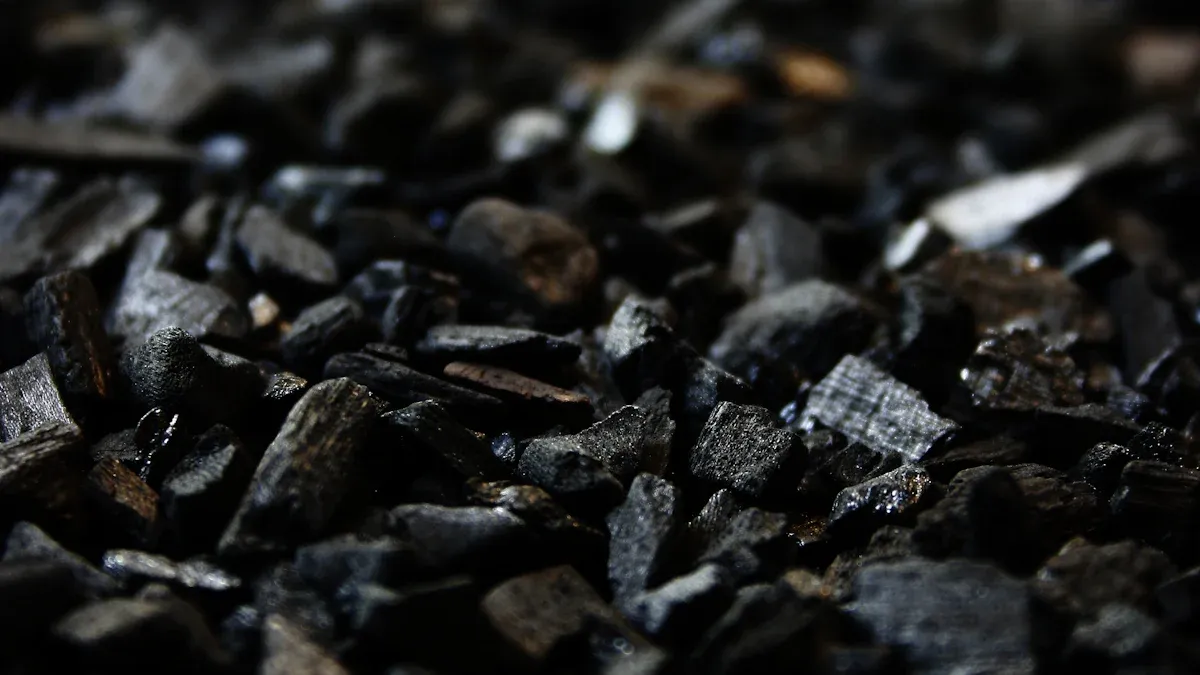
You can think of activated carbon as a sponge with millions of tiny holes. These holes, called pores, give the material a huge surface area. In fact, one gram of activated carbon can have a surface area greater than 2,200 square meters. This means you get more space for storing energy in a small amount of material.
Here is a table that shows the main structural features of activated carbon:
Characteristic | Description |
|---|---|
Specific Surface Area | High specific surface area (≥ 2227 m²/g) helps store more charge. |
Micropores | Pores between 0.4 and 0.8 nanometers, perfect for trapping ions and molecules. |
Mesopores | Pores between 3 and 4 nanometers, which let ions move quickly and easily. |
You will find that the mix of micropores and mesopores is important. Micropores hold the ions, while mesopores help ions move in and out. This structure makes activated carbon very good for energy storage devices.
Why It’s Ideal for Energy Storage
You might wonder why activated carbon works so well in batteries and supercapacitors. The answer lies in its pore size and surface area. When you use activated carbon with many ultramicropores (smaller than 1 nanometer), you get better capacitance. These tiny pores let ions stick to the surface, which helps store more energy. Mesopores make it easier for ions to travel, especially when the ions are large.
You also benefit from the electrical properties of activated carbon. It conducts electricity well, which is important for fast charging and discharging. Many scientists use activated carbon from biomass, which supports environmental sustainability. You can use New Energy Activated Carbon as both an anode and a cathode in lithium batteries. This improves energy density, stability, and battery life. Some new forms of activated carbon can store up to four times more energy than older materials.
Tip: The way you prepare activated carbon—like the source material and how you heat it—can change its quality and performance.
Activated carbon stands out because it combines high surface area, good conductivity, and eco-friendly production. This makes it a top choice for modern energy storage.
New Energy Activated Carbon Applications
Batteries and Ultracapacitors
You can see how New Energy Activated Carbon changes the way batteries and ultracapacitors work. The material’s high surface area and purity help store more energy in smaller spaces. You get better performance in electric vehicles and portable electronics because activated carbon lets supercapacitors hold more energy. Recent advances in bio-engineered activated carbon have improved energy storage, especially in supercapacitors. Scientists focus on micro and mesoporous structures and surface features to boost specific capacitance and energy density. You also notice that combining transition-metal oxides with activated carbon increases electrochemical activity and mechanical strength.
Here is a table that shows some performance improvements:
Performance Improvement | Description |
|---|---|
Increased Energy Density | Activated carbon materials are optimized to allow supercapacitors to store more energy in smaller volumes, beneficial for electric vehicles and portable electronics. |
Advancements in Hybrid Systems | The integration of supercapacitors with traditional batteries enhances performance in applications requiring rapid charge and discharge capabilities. |
Advanced Material Technologies | Innovations in activated carbon have led to improved pore structures and surface areas, resulting in higher energy and power densities for electric vehicles and renewable energy storage. |
You benefit from hybrid electrode systems, which help overcome challenges like scalability and conductivity. Material functionalization also plays a role in making New Energy Activated Carbon more effective. You find that these improvements make batteries and ultracapacitors more reliable and efficient.
Supercapacitors and Asymmetric Batteries
You use New Energy Activated Carbon in supercapacitors because it has a high surface area and tunable porosity. These features help store more energy and allow ions to move quickly. The pore structure and surface functionalization affect capacitance, which is important for supercapacitors and asymmetric batteries. In asymmetric designs, you pair activated carbon with a battery-type electrode. This setup increases total capacitance compared to symmetric designs.
Here are some key efficiency gains:
The maximum specific capacitance reaches 110 F/g at a scan rate of 40 mV/s.
At a current density of 10 A/g, the energy density is 31.11 Wh/kg and the power density is 4479 W/kg.
The highest power density recorded is 16000 W/kg at a current density of 40 A/g.
The cell stays stable for up to 5000 cycles, with a capacity retention of 79%.
Note: You get faster charging and longer-lasting devices when you use New Energy Activated Carbon in supercapacitors and asymmetric batteries.
You see that the asymmetric design lets you combine the strengths of both electrodes. The carbon electrode’s capacitance is lower than the battery-type electrode, but together they boost the total energy storage. This makes supercapacitors and batteries more useful for applications that need quick bursts of power.
Hydrogen and Renewable Storage
You also find New Energy Activated Carbon in hydrogen storage and renewable energy systems. The material acts as a catalyst and electrode, helping with energy conversion and storage. Its porous structure improves efficiency in these processes. Engineers treat the surface and texture of activated carbon to make it work better in hydrogen production and storage.
In hydrogen storage, activated carbon can store and release hydrogen for fuel cell-powered vehicles. During charging and discharging cycles, you see that hydrogen is stored successfully, showing a strong capacity for energy storage. This approach supports sustainable energy solutions and helps reduce reliance on fossil fuels.
Tip: You can improve the performance of New Energy Activated Carbon by adjusting its surface chemistry and pore size.
You use activated carbon in renewable energy systems because it helps convert and store energy more efficiently. This makes it a key material for building a cleaner and more sustainable future.
Production and Sustainability
Sourcing and Manufacturing
You see activated carbon made from many different raw materials. Manufacturers use natural sources and waste products to create this valuable material. Here are some common sources:
Rice husks
Sugarcane bagasse
Coconut shells
Coal
Timber leftovers like sawdust and wood pieces
Agricultural waste such as maize cobs, urban solid waste, sewage, and wastewater
You notice that sustainable manufacturing methods help protect the environment. Many producers use renewable resources and eco-friendly processes. You can check the table below to learn about some sustainable methods:
Sustainable Method | Description |
|---|---|
Eco-Labeling | Certification that verifies minimal environmental impact through responsible sourcing, energy efficiency, and waste management. |
Renewable Resources | Use of coconut shells as a sustainable raw material for activated carbon production. |
Waste Heat Recovery | Implementation of systems to utilize waste heat, enhancing energy efficiency in production. |
You also see new techniques like using volatile syngas for heating instead of fossil fuels. Some factories activate biochar into high-quality carbon without chemicals. These steps increase profitability and reduce pollution.
Recycling and Environmental Impact
You find that recycling activated carbon from waste, such as old tires, supports environmental sustainability. The pyrolysis process turns tire waste into valuable products. You can use activated carbon from tires as an absorber, catalyst, and electrode material. This helps manage waste and reduces greenhouse gases by capturing CO2.
Application | Description |
|---|---|
Hard carbon anodes for potassium and sodium-ion batteries come from recycled tires. | |
Waste Management | Pyrolysis repurposes tire waste and reduces improper disposal of organic solid waste. |
Circular Economy | Recycling tires promotes sustainability and reduces landfill waste. |
You see activated carbon play a big role in battery disposal and ecosystem protection. It removes heavy metal ions from wastewater and reduces harmful gas emissions. You also use it to purify nickel ore liquids and remove oil and impurities during battery production. This prevents toxic substances from polluting the environment and keeps batteries working well.
Tip: When you recycle and use activated carbon, you help protect nature and support clean energy solutions.
Benefits and Challenges
Performance Advantages
You get many benefits when you use activated carbon in energy storage devices. The high surface area lets you store more energy in a small space. You can charge and discharge these devices very quickly. This means you can power things like electric cars and backup systems without long wait times.
You also see that activated carbon-based devices last much longer than traditional batteries. They can handle many more charge and discharge cycles. Here is a table that compares different technologies:
Technology Type | Energy Density (Wh/kg) | Cycle Life (cycles) |
|---|---|---|
Conventional Supercapacitors | Higher than traditional batteries | 500,000+ |
Hybrid Supercapacitors | Enhanced with redox-active materials | 100,000+ |
Traditional Batteries | Lower than supercapacitors | 500–1,500 |
You notice that supercapacitors with activated carbon can last for hundreds of thousands of cycles. Traditional batteries wear out much faster. This makes activated carbon a smart choice for devices that need to work for many years.
Tip: You can use activated carbon devices in places where you need fast energy and long life, like renewable energy grids and public transportation.
Technical and Market Challenges
You may face some challenges when you use activated carbon in new energy storage systems. One challenge is the lower energy density compared to some advanced battery types. This means you might need larger devices to store the same amount of energy.
You also see that making high-quality activated carbon can cost more if you use advanced methods or rare raw materials. Sometimes, you need special equipment to shape the carbon for the best performance. The market for these devices is growing, but it still competes with well-known battery technologies.
You must also think about recycling and safe disposal. While activated carbon is eco-friendly, you need good systems to reuse or recycle it after use.
Note: You can solve many of these challenges by supporting research and using new production methods. This helps make activated carbon even more useful for the future.
Future Outlook
Innovations and Trends
You will see many exciting changes in activated carbon for energy storage. Scientists now use eco-friendly materials like biomass to make activated carbon. This approach saves money and helps the planet. You can find activated carbon made from palm kernel shells, which boosts methane storage and cuts CO2 emissions by up to 30% compared to old fuels. You also notice that new activation methods, such as using CO2 and steam, create materials with higher surface areas and better adsorption.
Nanotechnology shapes the future of activated carbon. You benefit from advanced carbon nanomaterials that improve how much energy you can store. Researchers focus on controlling the nanostructure of carbon. This control gives you materials that work better in batteries and supercapacitors. The table below shows how these trends help energy storage:
Key Trend | Benefit for You |
|---|---|
Biomass-derived carbon | Lower cost, eco-friendly production |
Nanostructure control | Higher energy and power density |
Advanced nanomaterials | Better performance in devices |
You will see the market for activated carbon grow quickly. Experts predict an 11.2% yearly growth rate from 2026 to 2033. This growth comes from the need for better batteries and supercapacitors.
Sustainable Energy Solutions
You play a role in building a cleaner future by choosing activated carbon from renewable sources. Many companies use coconut shells, spent coffee, and even sludge to make activated carbon. These choices reduce waste and lower the carbon footprint of energy storage systems. You can use activated carbon in supercapacitors and batteries, which helps you store energy efficiently and protect the environment.
Some new products, like thermal paint made from coffee bean waste, show how creative you can get with activated carbon. This paint generates heat when you run electricity through it, offering a low-cost way to save energy. You also see that using biowaste for activated carbon supports a circular economy and keeps harmful materials out of landfills.
Tip: When you support sustainable activated carbon, you help create energy solutions that are good for both people and the planet.
You see activated carbon as a key material for energy storage. Its high surface area, tunable pores, and strong conductivity make it perfect for supercapacitors and batteries. You benefit from renewable, low-cost, and eco-friendly options when you use biomass-derived activated carbon.
You get high energy density and cycle stability.
You help protect the environment by using agricultural waste.
You support green production methods that reduce hazards.
Key Trend | Description |
|---|---|
Sustainable & Green Production | Eco-friendly feedstocks and greener activation processes help you meet environmental goals. |
Smart Monitoring & Digital Integration | Real-time monitoring and analytics optimize performance and lower costs. |
Cross-Sector Applications | You see activated carbon expand into energy storage and other industries. |
You can drive innovation and research to build a cleaner energy future.
FAQ
What makes activated carbon different from regular carbon?
You find activated carbon has a much higher surface area and more pores. This structure lets it store more energy and filter substances better than regular carbon.
Can you recycle activated carbon from batteries?
Yes, you can recycle activated carbon. Many companies use special processes to clean and reuse it. This helps reduce waste and supports a cleaner environment.
Is activated carbon safe for the environment?
Activated carbon comes from natural sources like coconut shells and wood. You see it used to remove harmful substances from water and air, making it safe and eco-friendly.
How does activated carbon improve battery life?
You get longer battery life because activated carbon allows fast charging and discharging. Its structure helps batteries last through many cycles without losing performance.