
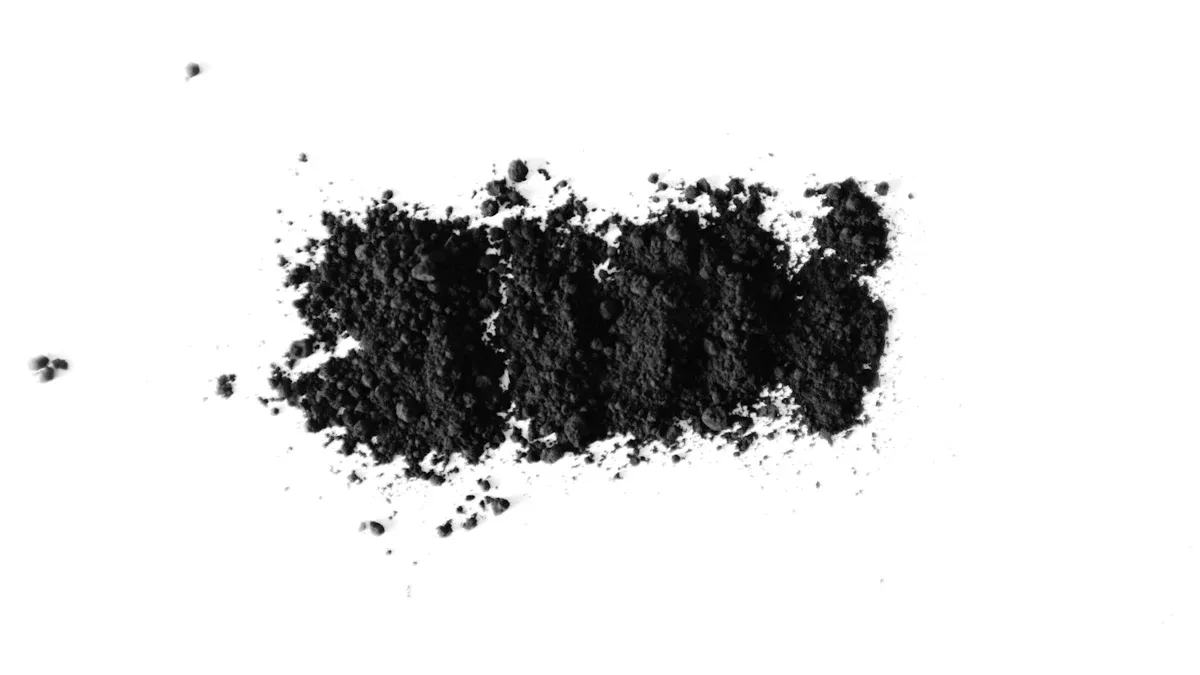
You can boost your device’s battery power and lifespan with Lithium Battery Activated Carbon. This material improves conductivity, supports structural integrity, and allows faster charge and discharge. You get higher energy density and smoother lithium diffusion. These changes help your devices last longer and charge more quickly. You notice stronger performance and fewer battery replacements.
Key Takeaways
Lithium Battery Activated Carbon enhances battery power and lifespan by improving conductivity and allowing faster charge and discharge.
Activated carbon’s large surface area and tiny pores enable quicker lithium ion movement, resulting in faster charging and longer device usage.
Using activated carbon in batteries helps maintain structural integrity, preventing degradation and ensuring stable performance over many cycles.
Batteries with activated carbon charge faster and provide reliable power, reducing the need for frequent replacements and keeping devices ready for use.
Choosing activated carbon batteries is an eco-friendly option, as they often come from natural waste materials, supporting sustainable technology.
Lithium Battery Activated Carbon Overview
Activated Carbon Properties
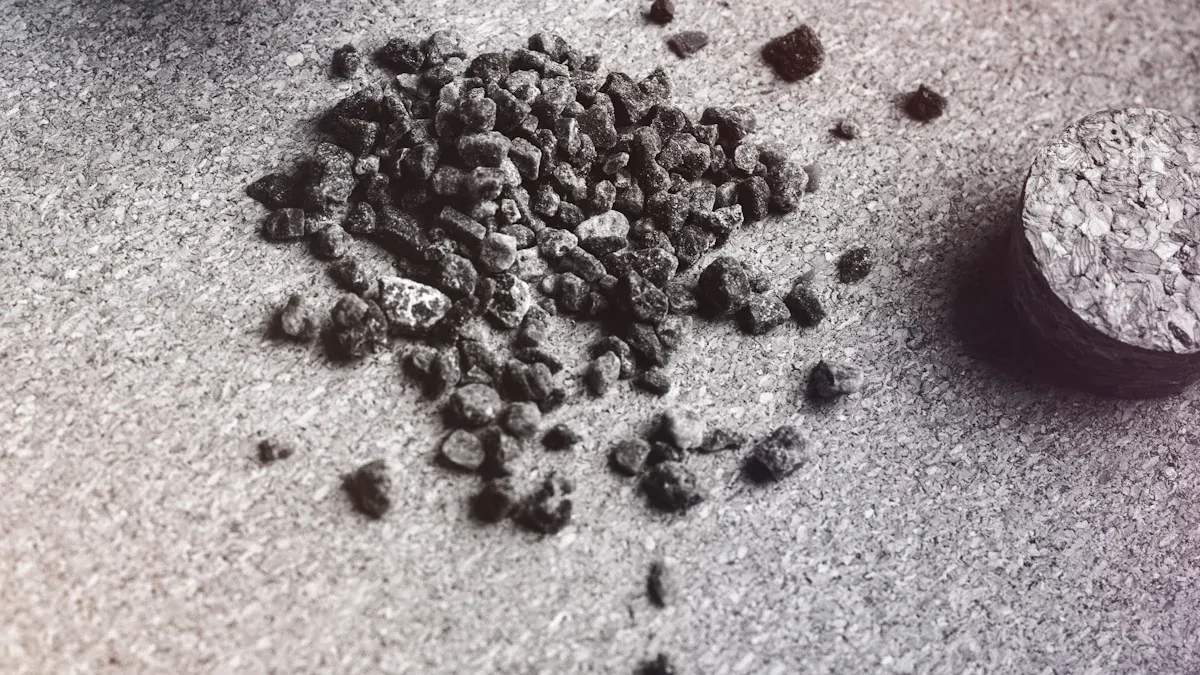
You may wonder what makes activated carbon so special for batteries. This material comes from sources like chicken feathers, which are turned into carbon using high heat and chemicals. The process creates a structure with many tiny pores and a large surface area. These features help the battery store and move lithium ions quickly.
Here is a table that shows some important properties of activated carbon used in lithium batteries:
Property | Description |
|---|---|
Source | Made from chicken feathers, a type of biomass. |
Activation Process | Treated with KOH and heated to 750–950 °C. |
Electrochemical Performance | High discharge capacity, up to 285.78 mAhg−1. |
Surface Area | Large surface area helps lithium ions move in and out fast. |
Electronic Conductivity | Good conductivity (1.42 × 10⁻⁵ Scm−1) boosts battery power. |
Stability | Stays stable with nearly 100% efficiency after 50 cycles. |
The pore structure of activated carbon also plays a big role. When you use carbon with very small pores, it can trap and hold important molecules. This helps the battery work better and last longer. For example, microporous carbon with pores around 1.1 nm gives excellent cycling stability and helps the battery keep its power over time.
Tip: A higher surface area and the right pore size mean your battery charges faster and holds energy longer.
Role in Battery Electrodes
You find activated carbon in both the anode and cathode of advanced lithium batteries. When you add this material to the electrodes, you get better performance. The battery can handle more charge and discharge cycles without losing power.
Here is a table showing how activated carbon improves battery performance:
Performance Metric | Value |
|---|---|
Specific Current | 17.2−1 |
Over 98% | |
Specific Capacity (LFP-AC vs LFP) | 2 times higher |
Recent advancements include using activated carbon in dual-carbon lithium-ion capacitors. These new designs use carbon for both electrodes. You get higher energy and power densities, plus better cycling stability. Nanocarbon-based materials now show even better results than older types of carbon.
When you choose Lithium Battery Activated Carbon, you pick a material that boosts battery power, speeds up charging, and helps your device last longer.
Power Enhancement Mechanisms
Improved Conductivity
You want your battery to deliver power quickly and efficiently. Conductivity plays a big role in this. When you use Lithium Battery Activated Carbon, you boost the flow of electricity inside the battery. This material contains a special form of carbon called C sp2, which helps electrons move easily. If the amount of C sp2 drops, the battery’s conductivity goes down. Carbon oxidation can also lower conductivity, so keeping the right balance is important.
The fraction of conductive C sp2 decreases from 61.5% to 47.3% with higher floating voltage, which means conductivity drops.
Carbon oxidation leads to less conductivity.
The amount of C–O functional groups stays about the same, but those not bonded to C sp2 increase compared to regular carbon cloth.
The electrical conductivity of activated carbon depends on its texture, surface chemistry, and how much it has been graphitized. You may notice that measuring conductivity is not always easy. It changes based on how the carbon is made and tested. Still, when you choose Lithium Battery Activated Carbon, you get a material designed for strong and steady conductivity.
Note: Good conductivity means your battery can deliver more power when you need it most.
Faster Charge and Discharge
You want your devices to charge quickly and last longer between charges. Activated carbon helps make this possible. It improves how fast lithium ions can move inside the battery. This means you can charge your device faster and use it for longer periods.
Activated carbon boosts lithium-ion diffusion, which is key for better battery performance.
It lowers interface resistance, so electrons travel faster.
Carbon coatings keep the battery’s structure stable, stopping the cathode from changing shape during use.
The high surface area and tiny pores in activated carbon reduce the distance lithium ions must travel. This makes charging and discharging much quicker. You get a battery that responds fast and keeps up with your busy life.
Tip: A battery with faster charge and discharge rates saves you time and keeps your devices ready to go.
Increased Energy Density
You want a battery that stores more energy without getting bigger or heavier. Lithium Battery Activated Carbon helps achieve this by providing a large surface area and well-developed pores. These features allow the battery to hold more lithium ions, which means more energy in the same space.
High surface area and developed porosity are crucial for lithium-ion batteries.
Shorter diffusion paths for lithium ions help them move quickly and efficiently.
An optimized electrode and electrolyte interface improves the battery’s chemical reactions.
When you use a battery with activated carbon, you get more energy packed into a small package. This means your phone, laptop, or other device can run longer on a single charge.
Callout: More energy density means fewer interruptions and more freedom to use your devices as you wish.
Battery Life Extension
Structural Integrity and Stability
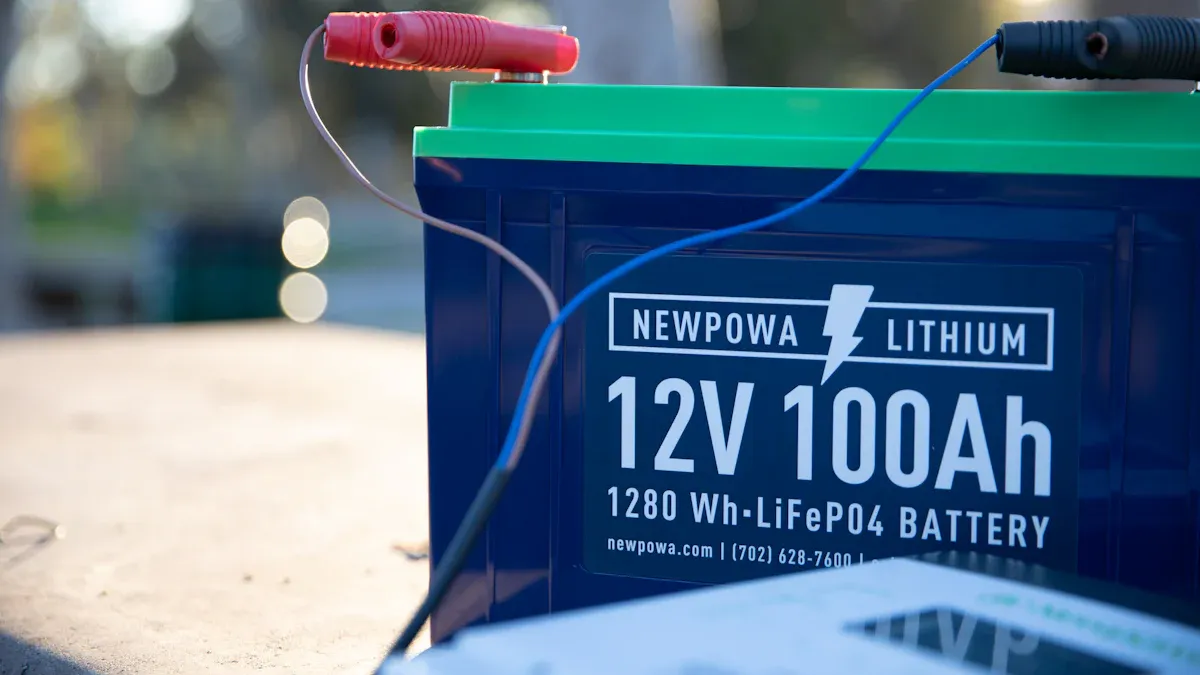
You want your battery to last as long as possible. The structure inside the battery must stay strong during every charge and discharge. When you use activated carbon, you help keep the battery’s electrodes stable. This material supports the shape of the electrodes, so they do not break down or lose their form over time.
Activated carbon also helps stop harmful reactions inside the battery. For example, it can reduce the release of carbon dioxide, which often causes the electrodes to degrade. Scientists found that using special chemicals with activated carbon can block these unwanted reactions. This means your battery stays healthy and works well for a longer time.
Tip: A stable battery structure means fewer problems and a longer-lasting device.
Preventing Agglomeration
You may not see it, but tiny particles inside your battery can stick together. This process is called agglomeration. When particles clump, the battery loses power and does not last as long. Activated carbon, especially in nanostructured forms, helps stop this from happening.
Nanostructured activated carbon keeps particles from sticking together.
This leads to better cycling performance and more stable electrodes.
Improved cycling and stability help your battery last longer.
When you use a battery with activated carbon, you get a device that keeps its power over many cycles. You do not have to worry about the battery wearing out too soon.
Enhanced Lithium Diffusion
You want your battery to work fast and keep its charge. For this to happen, lithium ions must move easily through the battery’s electrodes. Activated carbon helps by making this movement, or diffusion, much smoother.
Researchers use special tests to measure how quickly lithium ions move in different carbon materials. They found that activated carbon, along with other forms like graphene, allows lithium ions to travel faster. This means your battery can charge quickly and deliver power when you need it.
Here is a table showing how activated carbon improves battery life:
Improvement Aspect | Observed Result |
|---|---|
Capacity Retention at 100 C | 93% capacity retention |
Cycle Stability at 50 C | Stable over 100 cycles |
Influence Factors | Weight percentage of activated carbon and voltage differences between materials |
When you choose Lithium Battery Activated Carbon, you help your battery last longer, stay stable, and deliver power more reliably.
User Benefits and Material Comparison
Longer Device Usage
You want your devices to last longer on a single charge. With Lithium Battery Activated Carbon, you get batteries that hold more energy and keep working for many cycles. This means you can use your phone, tablet, or laptop for more hours before you need to recharge. You also notice that your battery does not wear out quickly, so you do not have to replace it as often. Longer device usage helps you stay connected and productive throughout your day.
Reliability and Charging Speed
You rely on your devices to work when you need them. Batteries with activated carbon give you steady and reliable power. You do not have to worry about sudden drops in battery life or unexpected shutdowns. Charging also becomes faster. The special structure of activated carbon lets lithium ions move quickly, so your battery fills up in less time. You spend less time waiting and more time using your devices.
Tip: Fast charging and reliable power help you get more done and avoid interruptions.
Activated Carbon vs. Traditional Materials
You may wonder how activated carbon compares to older battery materials. Here are some key differences:
Activated carbon from sources like olive pomace shows high specific capacity, reaching up to 288 mAh g-1 after 70 cycles.
You get nearly 100% efficiency from the first cycles, which means less energy is lost and your battery works better.
Stable cycling performance gives your battery a longer life and better reliability than traditional materials.
You also help the environment when you choose batteries with activated carbon. The table below shows how researchers study the environmental impact of different battery materials:
Study | Focus | Findings |
|---|---|---|
Iturrondobeitia et al. (2021) | Environmental footprints of LOBs | Compared to lithium-sulfur and conventional LIBs |
Lima et al. (2021) | Life cycle comparison | Lithium-ion vs. vanadium flow batteries |
Zhao and You (2019) | Environmental impact analysis | Battery cell production as a major contributor to emissions |
Dai et al. (2019) | Environmental impacts of LIBs | Key contributors include GHG emissions and water consumption |
Wick Ellingsen et al. (2014) | Analysis of LIBs | Majority of impact from cathode production |
You make a smart choice for both performance and the planet when you pick batteries with activated carbon.
You see how Lithium Battery Activated Carbon gives your batteries more power and a longer life. Recent results show strong performance:
Carbon in alumina achieves 79 mAh.g−1 with 90% efficiency over 1000 cycles.
Ball-milled carbon delivers 97 mAh.g−1 at a 2C rate with 85% efficiency.
Cathodes with SiO₂ reach 82 mAh.gactive−1 at the 1000th cycle.
Studies show that activated carbon from waste outperforms traditional materials like graphite, offering higher capacities and better rate performance. You get longer-lasting, faster-charging batteries for your devices.
FAQ
What is activated carbon in lithium batteries?
Activated carbon is a special form of carbon with many tiny pores. You find it in lithium batteries because it helps store and move lithium ions quickly. This boosts battery power and life.
How does activated carbon make batteries charge faster?
You get faster charging because activated carbon has a large surface area. This lets lithium ions move in and out of the battery more easily. Your device charges in less time.
Is activated carbon safe for the environment?
Yes! Activated carbon often comes from natural waste, like chicken feathers or plants. You help reduce waste and support eco-friendly battery production when you choose batteries with activated carbon.
Can I use devices with activated carbon batteries like normal ones?
You use devices with activated carbon batteries just like any other. You notice longer battery life and faster charging, but you do not need to change how you use your device.