

You can keep your food fresh longer by using Food Preservation Activated Carbon. This material traps spoilage agents like moisture, oxygen, and ethylene gas. Its high surface area—over 500 m² per gram—offers more spots to capture harmful particles compared to other materials. The large pore volume means more room for gases to get trapped, slowing down ripening and helping your fruits and vegetables stay crisp and colorful. Try using activated carbon in your kitchen to see how it protects food quality.
Key Takeaways
Use Food Preservation Activated Carbon to keep fruits and vegetables fresh by trapping ethylene gas, which slows down ripening.
Activated carbon helps maintain food quality by removing moisture and odors, making your food taste better and last longer.
Incorporate activated carbon sachets in your food storage containers to prevent spoilage and reduce food waste.
Choose food-grade activated carbon for safe use with all types of food, ensuring it does not alter taste or smell.
Regularly replace activated carbon packets to maintain their effectiveness in preserving food freshness.
Food Preservation Activated Carbon Mechanism
Adsorption Process
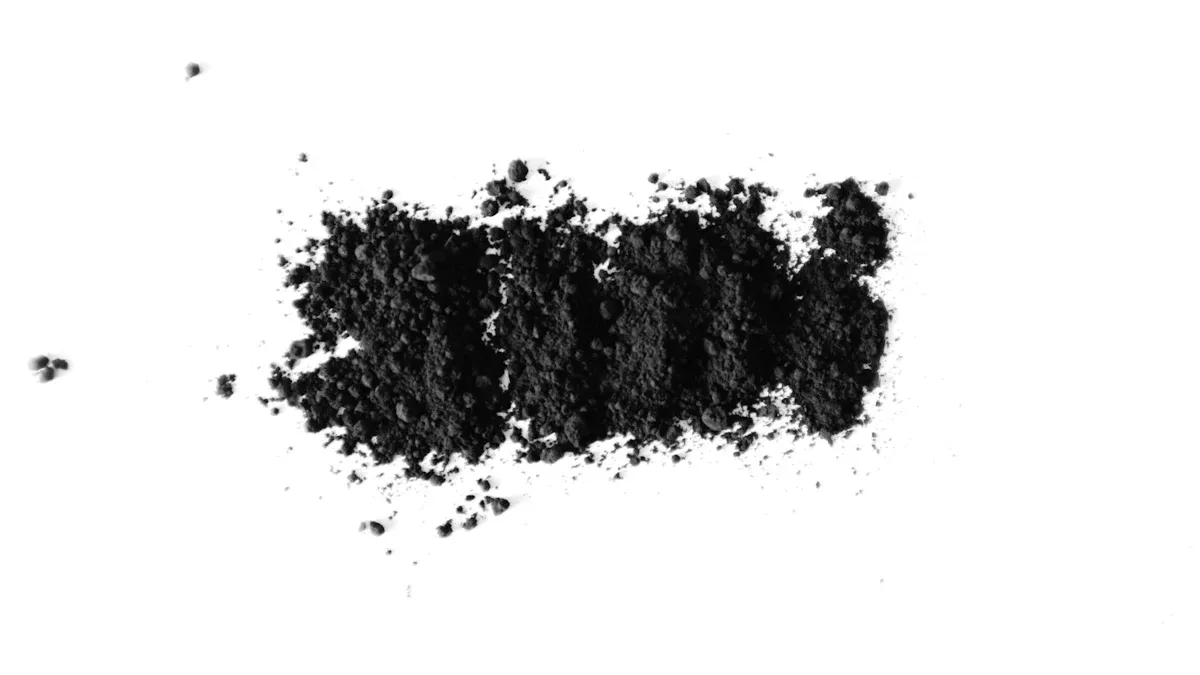
You can think of adsorption as a process where molecules stick to the surface of a solid. Food Preservation Activated Carbon works because it has a huge surface area and many tiny pores. These pores act like traps for gases and moisture that cause food to spoil.
Adsorption is an exothermic process. This means it gives off heat when molecules attach to the carbon.
The pore structure is important. Different pore sizes catch different types of molecules, like ethylene, oxygen, or water vapor.
You need enough contact time for the process to work well. The longer the food stays near the activated carbon, the more spoilage agents get trapped.
Temperature can change how well adsorption works. Moderate heat can help, but too much heat can damage the pores.
The structure of activated carbon makes it very effective in food preservation. The large surface area and pore volume help remove unwanted odors, flavors, and moisture from your food. This keeps your food tasting and smelling fresh.
Activated carbon enhances ethylene absorption efficiency in controlled environments, which helps in trapping and neutralizing ethylene gas, thereby slowing down the ripening process of perishable goods.
Ethylene and Spoilage Control
Ethylene is a natural gas that fruits and vegetables produce. It speeds up ripening and can make food spoil faster. Food Preservation Activated Carbon helps by removing ethylene from the air around your food.
Evidence Description | Details |
|---|---|
Ethylene Adsorption | Activated carbon is an effective ethylene adsorbent, influenced by surface chemistry and pore size. |
Mechanism of Action | Ethylene scavenging reduces ethylene levels, extending the shelf life of fresh produce. |
Types of Activated Carbon | Granular, powdered, and fiber forms are commonly used for ethylene removal. |
When you use activated carbon, you lower the amount of ethylene near your fruits and vegetables. This slows down ripening and helps your food last longer. Studies show that activated carbon can reduce spoilage rates by limiting ethylene, which causes ripening and deterioration in produce.
You may also wonder how activated carbon compares to other ethylene control agents. Here is a quick look:
Ethylene Control Agent | Advantages | Limitations |
|---|---|---|
Activated Carbon | Limited by reusability | |
Potassium Permanganate (KMnO₄) | Non-toxic byproducts | Toxicity concerns, declining efficiency |
1-Methylcyclopropene (1-MCP) | Reduces ethylene sensitivity | Potential fruit disorders |
Metal Oxide Catalysts (TiO₂) | Efficient degradation into non-toxic byproducts | Requires optimization for practical use |
Zeolites | Enhanced adsorption and antibacterial activity | Cost and performance optimization needed |
Food Preservation Activated Carbon stands out because it is safe, effective, and easy to use at home or in commercial settings. You can trust it to help keep your food fresh by controlling the main agents that cause spoilage.
Benefits for Food Shelf Life
Freshness and Color Maintenance
You want your food to look and taste fresh for as long as possible. Food Preservation Activated Carbon helps you achieve this by removing gases and moisture that cause spoilage. When you place activated carbon near your fruits and vegetables, it adsorbs ethylene gas. This slows down ripening and keeps your produce crisp and colorful. A study showed that bananas stored in a refrigerator drawer with activated carbon stayed fresh 1.5 to 2 times longer than those in a regular drawer. The bananas kept their bright yellow color and firm texture because the activated carbon trapped ethylene.
Nut shell activated carbon has a highly porous structure. This gives it a large surface area for effective adsorption. You benefit from this because it removes impurities, odors, and colors from food and beverages. Your food looks better and tastes cleaner. Activated carbon also adsorbs moisture and oxygen. This creates a low-oxygen atmosphere that helps extend the shelf life of your food. Mold and bacteria cannot grow easily when moisture levels drop. Activated carbon acts as a natural preservative, keeping your food fresh and preventing spoilage.
You can see improvements in shelf life for many fruits when you use carbonized banana peels or peanut shells. The table below shows how different treatments affect shelf life and quality:
Treatment Type | Effect on Shelf Life | Fruits Tested |
|---|---|---|
Carbonized Banana Peels (CBP) | Delayed ripening, improved postharvest quality | ‘Carabao’ mango, ‘Red Solo’ papaya, ‘Cavendish’ banana |
Carbonized Peanut Shells (CPS) | Delayed ripening, improved postharvest quality | ‘Carabao’ mango, ‘Red Solo’ papaya, ‘Cavendish’ banana |
You keep your food looking fresh and colorful when you use activated carbon in storage.
Tip: Place activated carbon packets in your produce drawer to help fruits and vegetables stay vibrant and crisp.
Off-Flavor Prevention
You want your food to taste good every time you eat it. Activated carbon helps you by removing compounds that cause bad smells and flavors. When you use activated carbon, you reduce tryptamine completely and lower cadaverine, histamine, and tyramine in foods like anchovy fish sauce. These compounds make food taste and smell unpleasant. Activated carbon also removes alcohols and acids that cause off-flavors. Your food tastes better and smells fresher.
Activated carbon removes impurities and contaminants through physical adsorption. This helps you keep nutrients in your food.
It eliminates off-flavors, odors, and color compounds while preserving essential nutrients like vitamins.
Studies show that activated carbon maintains flavor profiles better than synthetic resins. You get high-quality food preservation.
You can rely on Food Preservation Activated Carbon to keep your food tasting great and smelling fresh. You protect the nutritional value and enjoy better flavor every time.
Practical Uses in Food Storage
Packaging Solutions
You can use activated carbon in many packaging solutions to keep your food fresh. Food Preservation Activated Carbon works well in sachets or pouches. These small packets fit inside food containers and help control odors and moisture. You often see them in snack bags, dried fruit packages, or even spice jars. Activated carbon has a high adsorption capacity, so it removes unwanted smells and keeps food appealing.
Manufacturers use active packaging that combines oxygen scavengers, moisture controllers, and odor absorbers. This strategy helps extend shelf life and keeps food quality high. You need to choose the right packaging based on the type of food. For example, pairing activated carbon with silica gel or bentonite clay improves moisture and odor control. Oxygen absorbers also work well with activated carbon to prevent spoilage.
Property/Combination | Description |
|---|---|
Large Surface Area | |
Thermal/PH Stability | It stays reliable in different temperatures and pH levels. |
Inert Nature | It does not react with food ingredients. |
Hydrophobicity | It controls moisture and works with other desiccants. |
Combination with Silica Gel | Silica gel adsorbs moisture, activated carbon controls odors. |
Combination with Bentonite Clay | Both control moisture and odors together. |
Combination with Oxygen Absorber | Reduces oxygen and odors for better preservation. |
Tip: Use activated carbon sachets in food containers to keep snacks, dried fruits, and spices fresh longer.
Home Storage Tips
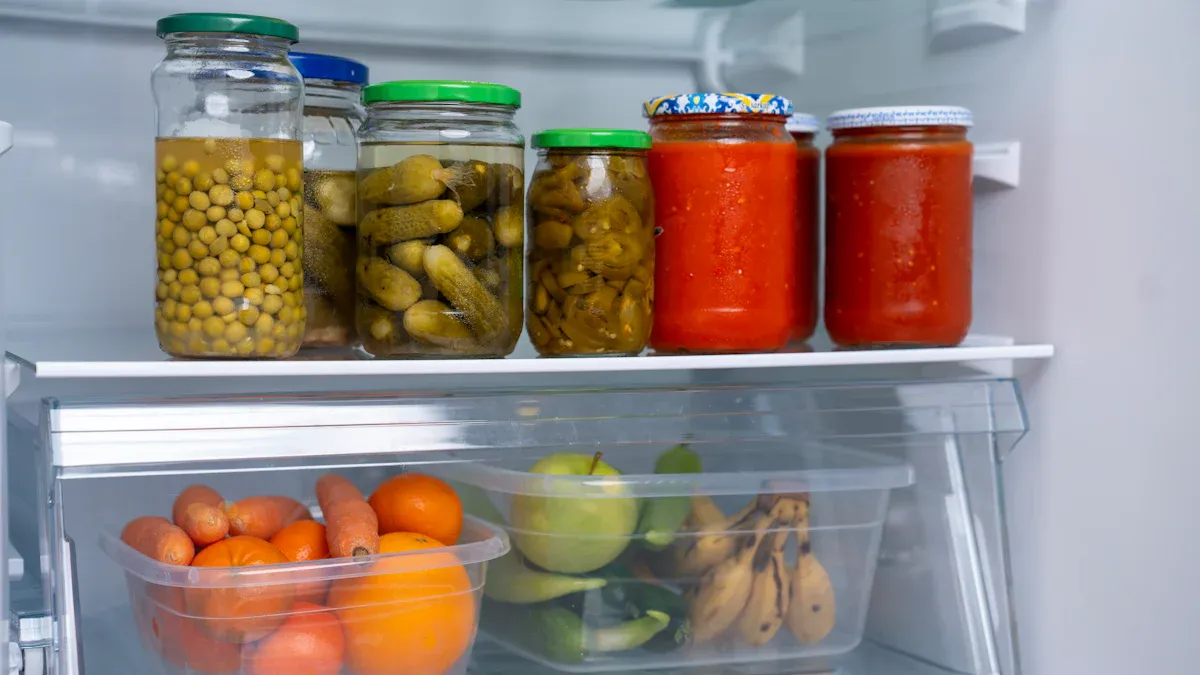
You can use activated carbon at home to protect your food in refrigerators, freezers, and pantries. Activated carbon deodorant boxes help remove odors and keep your food tasting fresh. These boxes work without adding artificial scents, so you can use them with many types of food. Place them in your fridge or pantry to maintain a clean environment.
Benefit | Description |
|---|---|
Shelf Life Extension | Activated carbon absorbs compounds that cause spoilage and keeps food fresh. |
Quality Improvement | It improves taste, odor, and overall quality of food and drinks. |
Waste Reduction | It prevents spoilage and reduces food waste. |
You can also use activated carbon in storage containers for dry goods. Place a small packet in a jar of rice or flour to keep moisture away. You help your food last longer and reduce waste. Food Preservation Activated Carbon gives you a simple way to protect your food at home and in commercial kitchens.
Foods Best Preserved
Fruits and Vegetables
You can use activated carbon to keep fruits and vegetables fresh for a longer time. Ethylene gas speeds up ripening and causes spoilage. Activated carbon traps this gas and slows down the ripening process. You protect apples, bananas, tomatoes, and leafy greens from early spoilage. When you place activated carbon near your produce, you help them stay crisp and colorful.
A study shows that activated carbon, especially when treated with copper oxide, removes ethylene more effectively. The modified carbon adsorbs up to 1667 micrograms of ethylene per gram, which is much higher than untreated carbon. You extend the shelf life of fruits and vegetables by using this method. You can use activated carbon in produce drawers, storage bins, or even small sachets.
Tip: Place activated carbon packets in your refrigerator’s produce drawer to keep fruits and vegetables fresh and reduce waste.
Here is a list of fruits and vegetables that benefit most from activated carbon:
Apples 🍎
Bananas 🍌
Tomatoes 🍅
Leafy greens 🥬
Berries 🍓
Dry Goods and Snacks
You can also use activated carbon to preserve dry goods and snacks. Moisture causes dry foods to spoil or lose their crunch. Activated carbon absorbs moisture and keeps foods dry. You protect rice, flour, nuts, and chips from mold and staleness.
Activated carbon works well in airtight containers and pantry storage. You place a small packet in a jar or bag to keep dry goods safe. You prevent bad odors and keep snacks tasting fresh.
Food Type | Activated Carbon Benefit |
|---|---|
Rice | Keeps grains dry and fresh |
Flour | Prevents clumping and mold |
Nuts | Maintains crunch and flavor |
Chips | Stops staleness and odor |
Note: Always use food-grade activated carbon for safe storage.
You make your food last longer and reduce waste when you use activated carbon for both fresh produce and dry snacks.
Safety and Effectiveness
Food Contact Safety
You want to make sure activated carbon is safe when it touches your food. Food-grade activated carbon meets strict standards. Manufacturers test it for purity and check for harmful substances. You can trust activated carbon because it does not react with food or change its taste. Many countries set rules for food contact materials. These rules protect you and your family.
You see different approaches in various regions. Europe, Latin America, and China focus on the finished product. They use migration testing with food simulants to check safety. The responsibility for compliance is shared between suppliers and customers. In the USA and Canada, the focus is on quality control of materials used in packaging. Article producers must ensure compliance.
Region/Country | Regulatory Approach | Compliance Responsibility |
|---|---|---|
Europe, Latin America, China | Focus on finished product with migration testing using food simulants | Shared between supplier and customer |
USA, Canada | Focus on quality control of materials used in packaging manufacturing | Lying with article producers |
Tip: Always choose activated carbon labeled as food-grade. This ensures you get the safest option for your kitchen.
Scientific Support
You find strong scientific support for using activated carbon in food preservation. Researchers study how activated carbon adsorbs gases and moisture. They show that it slows down spoilage and keeps food fresh. You benefit from these findings because they prove activated carbon works.
Scientists test activated carbon in real food storage situations. They measure how well it removes ethylene, moisture, and odors. You see results in longer shelf life and better food quality. Studies confirm that activated carbon does not add harmful chemicals to food. You can use it with confidence.
Activated carbon keeps fruits and vegetables crisp.
It prevents dry goods from absorbing moisture.
You reduce food waste by using activated carbon.
Note: Many scientific studies support the effectiveness and safety of activated carbon for food storage. You can rely on this method to protect your food.
You can keep your food fresh and safe with Food Preservation Activated Carbon. This material traps moisture, odors, and spoilage gases, so your fruits and snacks last longer. You protect food quality at home or in commercial kitchens. You choose a safe and effective solution for food storage.
Try using activated carbon in your kitchen. Share your results and help others discover better ways to preserve food.
FAQ
How do you use activated carbon for food storage?
You place food-grade activated carbon packets in your food containers, refrigerator, or pantry. Make sure the packets do not touch wet foods. Replace them every few months for best results.
Is activated carbon safe for all types of food?
Yes, you can use food-grade activated carbon with fruits, vegetables, dry goods, and snacks. Always check the label to confirm it is safe for food contact.
Can you reuse activated carbon packets?
You should not reuse activated carbon packets for food storage. Once they reach their adsorption limit, they stop working. Replace them regularly to keep your food fresh.
Does activated carbon change the taste or smell of food?
No, activated carbon does not add any taste or odor to your food. It only removes unwanted smells and gases, so your food stays fresh and natural.