

You may have seen Food Activated Carbon in trendy foods or supplements. This special carbon goes through a process that makes it highly porous, which sets it apart from regular charcoal. You find it used for purification and detox purposes in many products. More people choose it because they want cleaner, safer food and beverages.
The food activated carbon market is expected to grow from USD 4.46 billion in 2023 to USD 8.41 billion by 2030, with a CAGR of 9.8%.
The activated charcoal supplement market could reach USD 28.47 billion by 2033, growing at 11.6% each year.
You might feel curious or cautious about its role in your diet, as its popularity rises with the demand for natural ingredients.
Key Takeaways
Food Activated Carbon is a porous material that traps unwanted substances, making it useful for food purification and detoxification.
It is commonly found in various food products, including juices, honey, and alcoholic beverages, enhancing their safety and taste.
Activated carbon can effectively treat poisonings and digestive issues, but it should not be used daily due to potential nutrient loss.
Always choose food-grade activated carbon to ensure safety and avoid industrial products that may contain harmful impurities.
Consult a healthcare professional before using activated carbon, especially if you are taking medications, as it can interfere with their effectiveness.
What Is Food Activated Carbon
Definition and Production
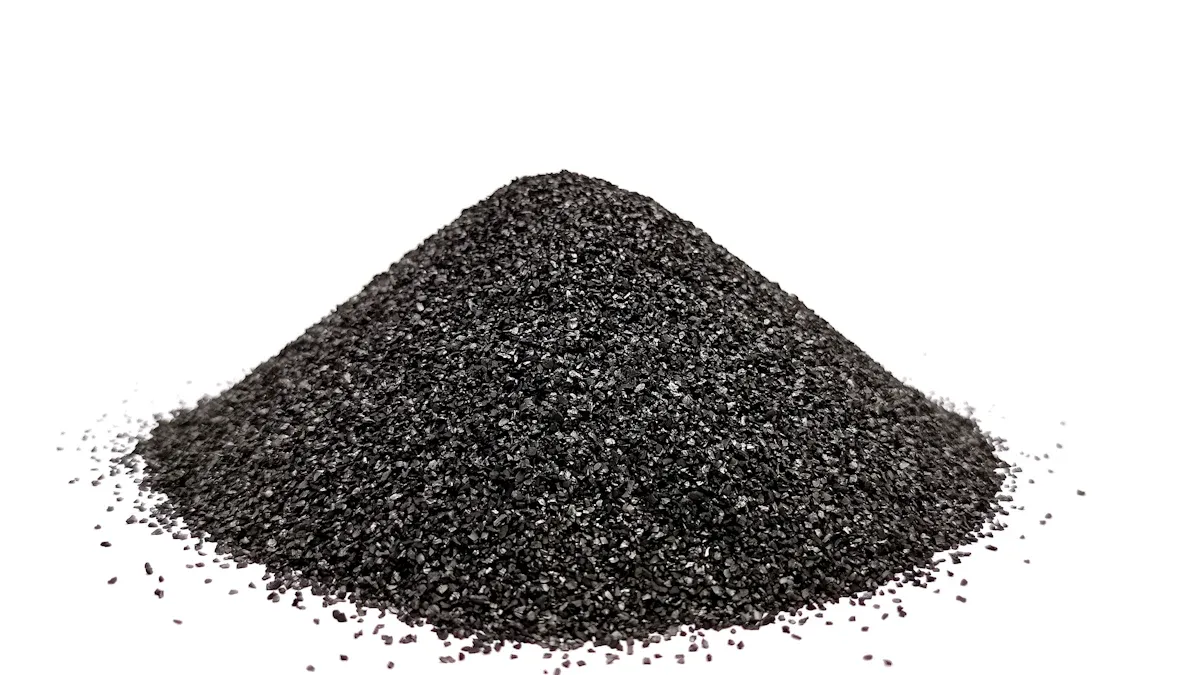
You encounter Food Activated Carbon as a black, porous, and odorless material. Manufacturers create it by heating natural sources like coconut shells or wood at high temperatures. This process forms tiny pores throughout the carbon, giving it a large surface area. These pores allow Food Activated Carbon to trap unwanted substances. You find it insoluble in water and organic solvents, which makes it safe for use in food. The material works best at a pH between 4.0 and 4.8 and temperatures around 60 to 70 °C. You can see its main properties in the table below:
Property | Value/Description |
|---|---|
Appearance | |
Particle Size | 1~6mm diameter, irregular particles 6 to 120 mesh |
Solubility | Insoluble in water and organic solvents |
Packing Density | 0.3-0.6 g/ml |
Micropore Volume | 0.6-0.8 ml/g |
Specific Surface Area | 500-1500 m²/g |
Optimal pH | 4.0~4.8 |
Optimal Temperature | 60~70 °C |
Main Indicators | Particle size, strength, water capacity, bulk density, true density, specific surface area, ash content, benzene adsorption rate, carbon tetrachloride activity |
Types and Forms in Food
You see Food Activated Carbon used in many food products. It helps purify, remove color, and improve taste. You find it in fruit juices, honey, sugar, sweeteners, vegetable oils, alcoholic beverages, soft drinks, yeast, and maple syrup. The table below shows common applications:
Food Product Type | Application of Activated Carbon |
|---|---|
Fruit Juices | Remove color or odor caused by contaminants |
Honey | Purification and decolorization |
Sugar | Enhance purity and taste |
Sweeteners | |
Vegetable Oils and Fats | Improve quality and flavor |
Alcoholic Beverages | Purification and taste enhancement |
Soft Drinks | Remove impurities and enhance flavor |
Yeast | Purification process |
Maple Syrup | Improve taste and remove contaminants |
How It Differs from Other Carbons
You notice Food Activated Carbon stands apart from regular charcoal and industrial activated carbon. Regular charcoal does not have the same pore structure or surface area. Industrial activated carbon may contain impurities or chemicals not safe for food. Food Activated Carbon meets strict standards for purity and safety. You can trust it for use in foods and supplements because it undergoes extra testing and processing. This makes it suitable for health and food applications.
How Food Activated Carbon Works
Adsorption Mechanism
You might wonder how Food Activated Carbon traps unwanted substances. The answer lies in its unique structure. When you look at it under a microscope, you see millions of tiny pores. These pores give it a huge surface area. When you add Food Activated Carbon to a liquid or food, molecules like toxins, chemicals, or colors stick to its surface. This process is called adsorption.
Think of Food Activated Carbon as a sponge, but instead of soaking up water, it grabs onto unwanted molecules.
Scientists have tested how well activated carbon works in the lab. The table below shows some findings:
Study | Findings |
|---|---|
Mostafalou and Mohammadi | Activated carbon removes poisons from the body and helps treat drug overdoses. |
Medical use of activated charcoal | Activated charcoal adsorbs harmful bacteria toxins, stopping their action. |
Activated carbons for pharmaceutical adsorption | Activated carbon captures medicine molecules, and its efficiency depends on how it is made. |
You can see that Food Activated Carbon works by trapping many types of unwanted substances. This makes it useful for both food and health.
Purification and Food Processing
You find Food Activated Carbon used in many steps of food processing. It helps make foods and drinks safer and better tasting. When you add it to oils, juices, or syrups, it removes harmful compounds, colors, and odors. This improves the quality and safety of what you eat and drink.
Here is a table that shows how Food Activated Carbon helps in food processing:
Feature | Description |
|---|---|
Contaminant Removal | Removes harmful compounds, making food safer. |
Color and Odor Removal | Takes away unwanted colors and smells from oils and drinks. |
Compliance | Meets strict safety and purity standards for food use. |
Filterability | Filters easily, making the process smooth and effective. |
You also see Food Activated Carbon used to remove toxic compounds like dioxins and PCBs from oils. It can even adjust the color of edible oils. The process usually involves mixing the carbon with the food, letting it adsorb the unwanted substances, and then filtering it out. This method does not change the main nutrients in the food, but it may lower some vitamins.
Note: Food Activated Carbon helps keep your food clean, but it may also remove some good nutrients along with the bad ones.
Action in the Body
When you take Food Activated Carbon by mouth, it acts inside your digestive tract. It does not get absorbed into your blood. Instead, it stays in your gut and grabs onto toxins, gases, or chemicals before your body can absorb them. Doctors sometimes use activated charcoal in hospitals to treat poisoning or drug overdoses.
Studies show that Food Activated Carbon can bind to certain toxins and even some harmful bacteria in the gut. For example, activated carbon made from pistachio shells helped mice by binding a toxin called zearalenone and reducing its harmful effects. You may also see it used to help with gas or bloating, but its effectiveness can depend on the type of toxin and the situation.
Activated charcoal is often used for detox in medical settings.
Its success depends on what needs to be removed.
More research is needed to know how well it works for everyday detox.
Remember: Food Activated Carbon works by trapping unwanted substances in your gut, but it does not get absorbed into your body.
Benefits and Uses
Medical and Health Applications
You see Food Activated Carbon used in many health settings. Doctors rely on it to treat poisonings and overdoses. It binds to toxins in your stomach and stops them from entering your bloodstream. You also find it helpful for digestive relief. It can trap bacteria and drugs, which may reduce diarrhea, gas, and bloating. You use it in water filtration systems to remove chemicals and make water safer to drink.
Treatment of poisonings and overdoses
Relief from diarrhea, gas, and bloating
Purification of drinking water
Evidence Type | Description |
|---|---|
Indication | Activated charcoal treats moderate to severe intoxication. |
Timing | Works best within the first hour after ingestion. |
Contraindications | Does not work for acids, bases, alcohols, or metals. |
Dosage | 10–40 times the amount of the toxin or 0.5–1 g/kg for children, 50 g for adults. |
Repeated Application | Used for drugs that stay longer in the stomach. |
You should know that activated charcoal can help in some poisoning cases, but it does not work for every type of toxin.
Food Industry Uses
You find Food Activated Carbon in many foods and drinks. It helps refine alcoholic beverages and removes caffeine from tea and coffee. You see it clarifying sugar cane products and eliminating odors and colors from glycerine. It also removes bitterness from hydrolyzed vegetable proteins and aromas from certain foods. Nut shell activated carbon preserves dried fruits, nuts, and grains by keeping them dry and low in oxygen.
Clarifies fruit juices by adsorbing polyphenols
Purifies edible oils from peroxides and free fatty acids
Removes bitterness and unwanted aromas
You can spot Food Activated Carbon in products like jelly beans, ice cream, cheese burgers, detox smoothies, artisan breads, and fancy salts.
Evidence and Effectiveness
You notice that Food Activated Carbon works well for treating poisonings and removing mycotoxins from food. Scientists agree that it has limitations for general health and food safety. You find little evidence that it helps with high cholesterol, diarrhea, or detox diets. It does not bind with alcohol, so it cannot prevent hangovers. In 2016, hospitals in Germany recommended activated charcoal in only 4.37% of poisoning cases.
Application | Description |
|---|---|
Poisoning Treatment | Effective for poisonings and mycotoxin contamination |
Limitations | Limited support for general health and food safety |
Usage Statistics | Used in 4.37% of poisoning cases in German hospitals (2016) |
You should avoid using activated charcoal without a medical need. Scientists say it may not be healthy for everyday use.
Risks and Safety
Potential Side Effects
You may notice some side effects when you consume Food Activated Carbon. Most people tolerate it well, but you should stay aware of possible reactions. Here are the most frequently reported side effects:
Diarrhea
Vomiting
Nutrient malabsorption
Black tongue
Black poop
Constipation
Gastrointestinal blockages
Allergic reactions (skin rashes, itching, hives)
Lowered effectiveness of other medications
Adverse reactions rarely happen. In a study with 2,957 patients treated with activated charcoal and atropine, only two cases needed further attention for possible acute abdomen. No deaths related to charcoal aspiration were found at autopsy. You can feel reassured that serious problems are uncommon, but you should still use caution.
Tip: If you experience any unusual symptoms after consuming products with activated carbon, you should stop use and seek medical advice.
Nutrient Binding and Interactions
Food Activated Carbon has strong binding properties. It can attach to vitamins and minerals in your digestive system. This may reduce their effectiveness and lead to nutrient malabsorption. The binding does not discriminate, so it can also affect medications you take.
You should know that activated carbon can interfere with prescription drugs. The table below shows some documented interactions:
Medication | Interaction Description | Citation |
|---|---|---|
Acetylcysteine | Activated charcoal may decrease the serum concentration of acetylcysteine. Monitor therapy. | |
Amlodipine | Activated charcoal may decrease the serum concentration of amlodipine. Monitor therapy. | |
Atazanavir | Activated charcoal may decrease the serum concentration of atazanavir. Monitor therapy. | |
Chloroquine | Activated charcoal may decrease the serum concentration of chloroquine. Monitor therapy. | |
Ciprofloxacin | Activated charcoal may decrease the serum concentration of ciprofloxacin (systemic). No action needed. | |
Fluoxetine | Activated charcoal may decrease serum concentrations of the active metabolite(s) of fluoxetine. Monitor therapy. | |
Leflunomide | Activated charcoal may decrease serum concentrations of the active metabolite(s) of leflunomide. Consider therapy modification. | |
Moxifloxacin | Activated charcoal may decrease the serum concentration of moxifloxacin (systemic). Monitor therapy. | |
Phenobarbital | Activated charcoal may decrease the serum concentration of phenobarbital. Monitor therapy. | |
Propranolol | Activated charcoal may diminish the therapeutic effect of propranolol. Monitor therapy. | |
Rifampin | Activated charcoal may decrease the absorption of rifampin. Monitor therapy. | |
Teriflunomide | Activated charcoal may decrease the serum concentration of teriflunomide. Consider therapy modification. | |
Unithiol | Activated charcoal may diminish the therapeutic effect of unithiol. Avoid combination. | |
Valproate products | Activated charcoal may decrease the serum concentration of valproate products. No action needed. |
Note: You should always check with your doctor or pharmacist before using activated carbon if you take prescription medications.
Regulatory Status
Food safety authorities use toxicological studies to assess the safety of Food Activated Carbon. These studies include tests for subchronic oral toxicity and genotoxicity. Researchers give animals different doses and monitor their health over time. The results show no significant adverse effects. This supports the safety of bamboo charcoal and similar products for human consumption.
You can trust that food-grade activated carbon meets strict standards. Regulatory agencies require manufacturers to follow guidelines for purity and safety. You should look for products labeled as food-grade to ensure quality.
Safety tip: Always choose products that meet food safety standards and avoid industrial or non-food-grade activated carbon.
You see food activated carbon used for purification and health. It works by trapping unwanted substances in its pores. You benefit from its use in treating poisonings and improving food quality. Health professionals recommend it for acute poisoning but warn against long-term use due to risks like nutrient malabsorption and medication interference.
Recommendation/Risk | Details |
|---|---|
Acute poisoning management | Effective within 1 hour of ingestion |
Not recommended due to malabsorption and GI effects |
You find it safe in small amounts. You should choose clean-label products and consult your doctor before use.
FAQ
Can you eat food activated carbon safely?
You can eat food activated carbon in small amounts. Food-grade products meet safety standards. You should avoid industrial or non-food-grade carbon. Always check labels and ask your doctor if you have concerns.
Does food activated carbon help with detox?
You may see claims about detox benefits. Food activated carbon can trap some toxins in your gut. Scientists say it works best for poisoning, not everyday detox. You should not rely on it for regular cleansing.
Will food activated carbon affect your medicine?
Food activated carbon can bind to some medicines. This may lower their effectiveness. You should talk to your doctor before using activated carbon if you take prescription drugs.
What foods contain activated carbon?
You find activated carbon in foods like detox smoothies, artisan breads, ice cream, jelly beans, and fancy salts. It also appears in purified juices and refined oils.
Can you use food activated carbon every day?
You should not use food activated carbon daily. Long-term use may cause nutrient loss and digestive issues. Experts recommend using it only when needed and under medical advice.